Inside Awaji Island's Premier Fishing Hotel Where You Can Catch Dinner From Your Balcony
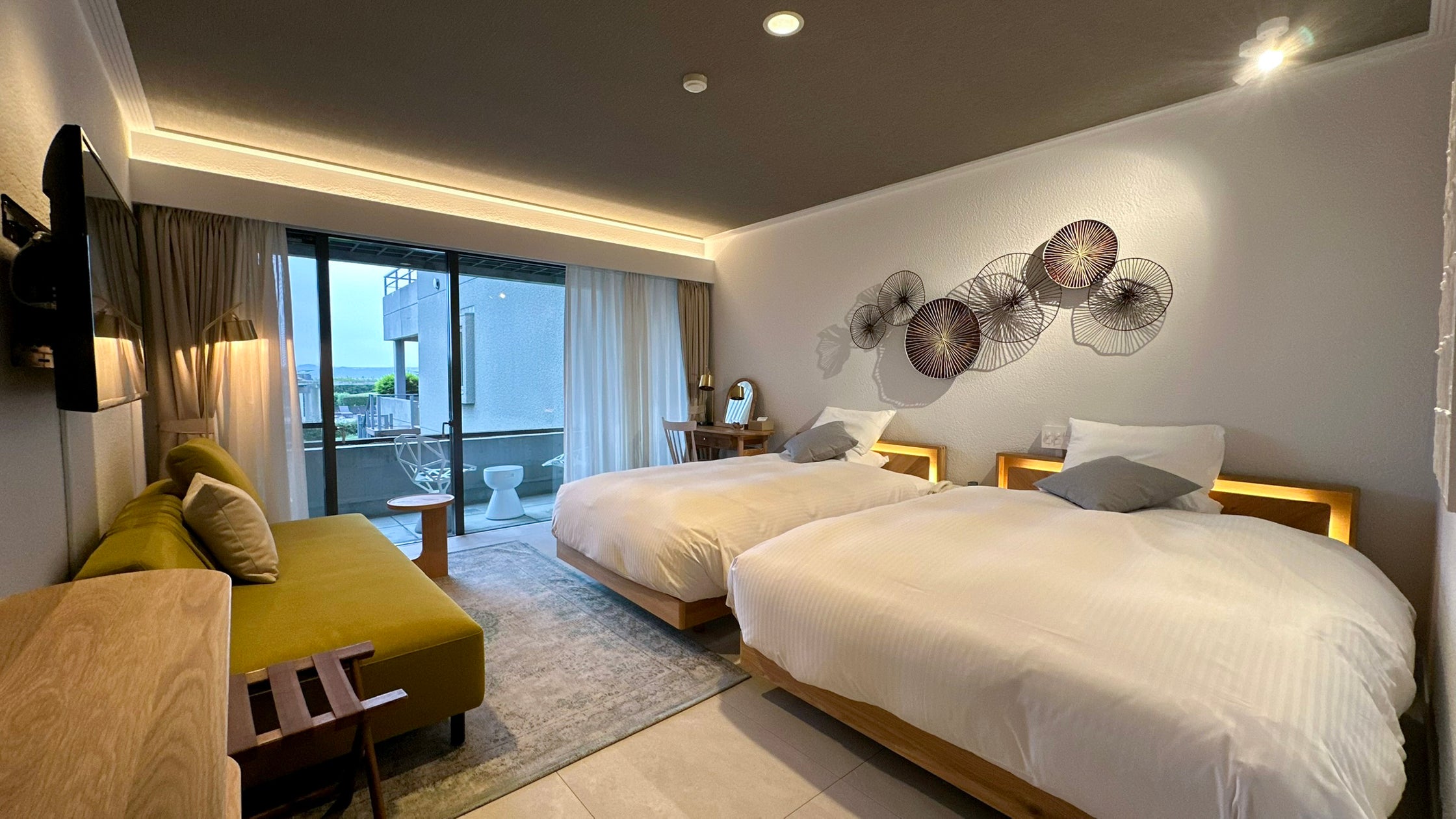
Just ninety minutes southwest of Osaka across the Akashi Kaikyo Bridge, guests at the edge of Hyogo Prefecture skip standard resort buffets to haul their evening meals straight from the Seto Inland Sea. Awaji Island has transformed into a culinary destination where recreational angling directly dictates what master chefs slice for sashimi. While international travelers historically bypassed the island en route to Shikoku, regional property overhauls and a surging domestic appetite for immersive culinary stays have propelled Awaji's waterfront hotels into high demand, as highlighted in a recent livedoor ニュース Report tracking the island's coastal lodging surge.
At the center of this movement stands an unapologetic subculture: coastal inns structured entirely around catching fish. Guests step onto private shoreline seawalls, drop lines into nutrient-dense tidal currents, and hand their buckets to licensed kitchen crews who clean, batter, and fry the haul before dinner service.
📌 Key Takeaways:
- On-Site Angling Infrastructure: Premier properties like Awajishima Kanko Hotel feature private 24-hour fishing seawalls, full rod and tackle rentals, and on-deck angling instructors for total novices.
- The Kitchen Pipeline: Catches like horse mackerel, black sea bream, and rockfish transfer directly to hotel kitchens, where chefs prepare them as tempura, sashimi, or simmered nitsuke for a minimal prep fee.
- Regional Diversity: Accommodations span the sheltered, family-focused Sumoto Onsen waterfront on the eastern coast to sweeping Harima-nada coastal views and high-current Naruto Strait sea angling resorts.
How Awakan Engineered Japan's Premier Angling Ryokan
Few lodgings integrate an outdoor pastime as aggressively as Awajishima Kanko Hotel, widely known across Japan by its affectionate shorthand, "Awakan." Located along the Sumoto Onsen waterfront on Awaji's eastern rim, the facility operates not as an onsen resort that tolerates fishing, but as an angling institute built inside a traditional hot-spring ryokan. The property features a private fishing pier extending directly into the tide, open exclusively to overnight guests around the clock.
The obsession starts at the executive desk. In February 2025, company president Sanae Uemura took the unusual step of collaborating directly with tackle manufacturers to engineer custom in-house fishing rods tailored specifically for beginner hands and multi-generational family groups. The goal was practical: standard rental rods often snap under inexperienced handling or fail to transmit light nibbles from bottom-dwelling rockfish. Awakan outfitted its rental station with proprietary lightweight blanks balanced for catching horse mackerel (aji) and rockfish (mebaru), supported by dedicated pier staff who bait hooks, untangle lines, and measure catches.
This operational focus removes the typical logistical headaches of sea angling. Guests arrive with empty hands. Within fifteen minutes of checking into their oceanfront tatami rooms, families stand along the illuminated seawall with heavy-duty life vests, balanced spinning tackle, and chilled bait boxes.
From Seawall to Tatami: The Catch-and-Cook Dining Protocol
The operational link between the shoreline and the kitchen demands rigorous sanitation and scheduling. Awakan enforces a strict afternoon catch cutoff, usually around 5:30 PM, ensuring the kitchen staff can process the day's intake alongside pre-booked kaiseki dinners.
Guests carry their live catches in aerated buckets to a sorting counter staffed by culinary apprentices. Every fish gets tagged with the guest's room number. The chefs evaluate the species, size, and flesh condition before assigning cooking methods:
- Small horse mackerel (aji) undergo butterfly filleting and flash-frying for light, crispy tempura.
- Prime-sized sea bream (tai) or black porgy (chinu) turn into gleaming platters of sugata-zukuri (whole-fish presentation sashimi).
- Firm rockfish (kasago) enter iron pots for nitsuke, braised slowly in sweet mirin, soy sauce, and local ginger.
The fee structure remains nominal, running between 500 and 1,500 JPY per batch depending on fish volume and cooking complexity. Eating fish harvested mere hours earlier from the water visible through the dining room window changes the psychological weight of the meal. Kids who routinely turn down supermarket seafood clear entire platters of whole-fried bone crackers made from their own morning haul.
Comparing Awaji Island's Premier Waterfront Fishing Stays
Different geographic points on Awaji Island present entirely different oceanic conditions, target species, and lodging philosophies. The eastern shore faces the calmer Osaka Bay, while the western and southern edges deal with violent straits and sprawling open basins.
| Property | Location & Geography | Target Catches | Fishing Setup | Dining Style |
|---|---|---|---|---|
| Awajishima Kanko Hotel (Awakan) | Sumoto Onsen (East Coast / Osaka Bay) | Horse mackerel, sea bream, rockfish, oval squid | Private 24-hour paved seawall pier; proprietary rental gear; gear shop | Direct catch-and-cook service integrated into classic kaiseki banquets |
| Kamenoi Hotel Awajishima | Awaji City Toshima (Northwest / Harima-nada) | Kiss lip, black porgy, seasonal migratory pelagics | Adjacent port access; cruise-ship aesthetic; rental tackle sets available | Award-winning Miketsukuni regional culinary buffets and set courses |
| Hotel Anaga | Minamiawaji (South / Naruto Strait) | Naruto sea bream, yellowtail, hairtail (*tachiuo*) | Charter craft concierge; multi-generation connecting suites | French-inspired coastal dining and high-end Japanese gastronomy |
Harima-nada Tides versus the Violent Currents of Naruto
The marine geography flanking Awaji creates radically distinct fishing environments within an hour's drive. To the northwest, the calm expanse of Harima-nada stretches toward Okayama. Here, properties like Kamenoi Hotel Awajishima take advantage of gentle, shallow waters. Reopened under Iconia Hospitality with an oceanic cruise aesthetic, Kamenoi earned first place in the Kansai area for food excellence in the 2024 Hot Spring Hotel Election. General Manager Takashi Morino has emphasized the island's ancient historical designation as Miketsukuni, the imperial food basket that supplied seafood directly to the Kyoto court for centuries. Coastal fishing on the Harima-nada edge yields sweet whiting (kisu) and tender flathead in sandy shallows, ideal for relaxed daylight casts.
South toward Minamiawaji, the dynamic flips entirely. The Naruto Strait produces some of the fastest tidal currents on earth, cresting at speeds up to 20 km/h and creating massive marine whirlpools. Fish navigating these torrents develop lean, firm muscle structures. The local "Naruto Tai" (sea bream) carries a dense bite that commands premium auctions across Tokyo and Osaka markets.
Anglers targeting the Naruto edge generally leave the shoreline behind. Accommodations like Hotel Anaga cater to deep-water enthusiasts, booking chartered sea outings where guests drift heavy jigs through submerged canyon walls for trophy yellowtail and sea bream before returning to multi-generational resort suites.
Evaluating the Practical Trade-Offs Before Booking
Experiential fishing hotels require realistic expectations. While promotional imagery suggests effortless hauls, real-world fishing remains tied to lunar cycles, barometric pressure, water temperature, and coastal tides.
Who Thrives Here:
- Multi-generational family travelers seeking shared activities where younger kids and grandparents can interact safely without leaving the hotel property.
- Culinary enthusiasts wanting to trace ingredients from the ocean line to the dining plate within a matter of hours.
- Novices who want to learn cast, bait, and retrieve mechanics without buying expensive gear or chartering independent boats.
Who Should Look Elsewhere:
- Offshore trophy sportfishermen pursuing blue-water tuna or monster kingfish, who will find private ryokan seawalls too elementary and restrictive.
- Travelers who cannot tolerate the persistent smells of natural bait, salt brine, and active cleaning stations on the lower resort terraces.
- High-velocity tourists looking for a quiet, museum-like ryokan environment; properties like Awakan are lively, multi-generational community hubs where children shout over landed mackerel at sunset.
Frequently Asked Questions (FAQ)
Q1: What happens if guests fail to catch any fish from the pier?
A1: Standard evening dinners at these properties do not depend on guest catches. Lodgings provide a full, structured kaiseki or regional culinary course regardless. Any fish landed off the pier functions strictly as an added bonus course prepared by the culinary brigade.
Q2: Can beginners without fishing gear or Japanese language skills participate?
A2: Yes. Awakan stocks complete sets of rental rods, hooks, and pre-packaged bait, supported by staff stationed on the pier. Basic visual charts illustrate how to drop lines, reel in fish, and manage catches safely, making the process accessible even with minimal Japanese proficiency.
Q3: Which seasons deliver the best catch diversity on Awaji Island?
A3: Autumn (September through late November) offers the highest volume and species diversity, including horse mackerel, sea bream, and oval squid near the surface. Spring (April through June) provides excellent rockfish and flathead action, while winter yields larger bottom fish but requires heavy thermal outer layers against cold coastal winds.
The Evolving Shape of Japanese Coastal Hospitality
The continued success of Awaji Island's angling resorts illustrates a decisive consumer shift across Japan's domestic travel sector. Static, sight-only tourism is giving way to physical participation. Guests no longer want to look passively at the sea from a balcony; they want to engage the water directly, pull something living from its depths, and taste the reality of regional geography on their dinner plates.
By taking structural control of the equipment, shoreline safety, and culinary processing, properties like Awakan and the renovated coastal retreats along Harima-nada have converted an intimidating coastal pastime into an accessible culinary ritual. On Awaji Island, fishing has moved from a solitary weekend hobby to the headline attraction of the ryokan stay itself.