Inside Japan’s High-End Chinese Dining Craze: The Secrets Behind Hong Kong Claypot Rice and Seasonal Feasts
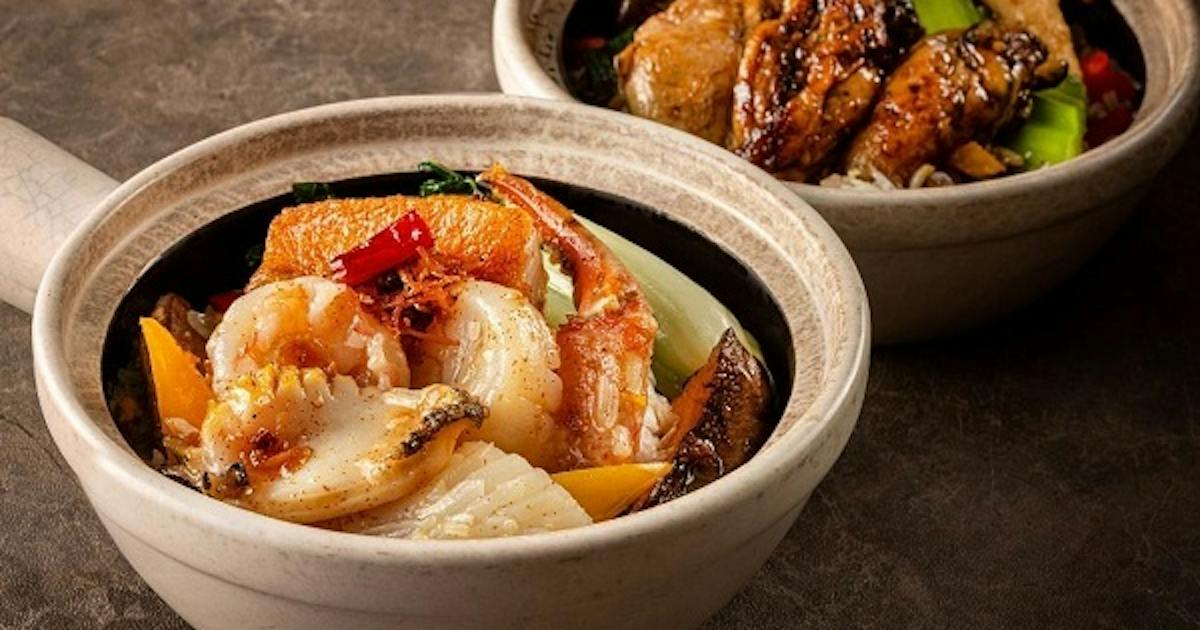
A sputtering hiss fills the dining room at Yokohama Bay Sheraton Hotel & Towers as a server lifts a heavy terracotta lid, releasing plumes of savory steam scented with aged soy, cured pork, and toasted rice. While sizzling claypot rice, known colloquially in Cantonese as pouchaifan (煲仔飯), cut its teeth in the night markets of Temple Street, it has crossed the East China Sea into Japan's high-end dining circuit with remarkable velocity. As documented by a 日本経済新聞 Report on the winter menu launch at Cantonese flagship Sairyu, Japan's luxury hotel sector is aggressively repositioning authentic regional Chinese comfort food as an elite gastronomic experience.
The timing is deliberate. Discerning food enthusiasts across Tokyo and Kanagawa are rejecting sanitized, generic banquet menus in favor of uncompromising regional technique. Diners who once viewed claypot dishes strictly as winter budget sustenance are now paying premium prices for hyper-seasonal seafood interpretations, driving a surge in bookings across luxury Chinese kitchens nationwide.
📌 Key Takeaways:
- The Culinary Shift: Traditional Cantonese claypot rice (pouchaifan) has transitioned from working-class Hong Kong street stalls directly into Japan's five-star hotel dining rooms.
- The Technical Core: Elite chefs focus on mastering the guoba (scorched rice crust), utilizing precision heat dispersion and custom sweet soy reductions.
- The Consumer Trend: High-end Chinese gastronomy in Japan has pivoted away from standardized, mild chuka towards hyper-specific regional authenticity driven by dedicated food connoisseurs.
How Street Stalls Bypassed the Conventional Hotel Banquet
For decades, luxury hotel Chinese cuisine in Japan followed a rigid playbook. Executive menus relied on braised whole shark fin, bird's nest soup, and mild Peking duck tailored to corporate banquet palates. That model began fraying as younger epicures and seasoned travelers demanded dishes with distinct regional provenance and intense aromatic complexity.
The resurgence of Cantonese street staples within five-star kitchens marks an ideological turning point. Instead of softening traditional textures, master chefs at venues like Sairyu embrace the rustic intensity of claypot cooking. They import unglazed earthenware pots designed to retain searing thermal energy, coaxing subtle flavors out of aged long-grain rice while developing a golden, glass-brittle crust along the pot's perimeter.
This culinary migration reflects broader shifts across East Asian fine dining. Guests no longer measure prestige solely by raw ingredient cost. They pay for culinary technique: heat control, smoke infusion, and the balance of moisture inside unglazed clay.
The Physics of Fire, Clay, and Scorched Jasmine Rice
Executing pouchaifan at a fine-dining standard requires rigorous operational timing. Unlike steel woks that respond instantly to flame adjustments, unglazed earthenware acts as a heat sink. Chefs must calculate latent heat retention accurately, or the delicate grains turn to mush or burn into bitter carbon.
The centerpiece of the entire exercise is the scorched rice crust, known as guoba in Mandarin or fan ziu in Cantonese. Achieving the proper texture requires brushing rendered poultry fat or sesame oil along the inner earthenware walls midway through cooking. As the moisture evaporates from the long-grain rice, the starches caramelize against the clay, forming an amber crust that yields a clean snap rather than a jaw-straining crunch.
Timing the soy dressing is equally volatile. Pouring the sauce in the kitchen risks turning the rice soggy during transport. High-end dining rooms solve this by table-side finishing: seasoned chefs crack the crust open before the diner, pouring house-brewed soy sauce that sizzles against the screaming-hot clay, instantly atomizing sweet and savory aromatics into the air.
Evaluating the 2026 Winter Claypot Programs
Hotel dining rooms are distinguishing their winter claypot programs through specialized tasting courses that frame rustic rice bowls within multi-course Cantonese menus. The operational balance between street-style rusticity and white-tablecloth precision varies significantly across major properties in the Greater Tokyo area.
| Establishment & Program | Featured Ingredients | Price Point (Per Person) | Culinary Focus |
|---|---|---|---|
| Sairyu (Yokohama Bay Sheraton)Winter Claypot Series (Launched Jan 8, 2026) | Steamed plump winter oysters, seasonal seafood selections, aged dried sausages | ¥14,500, ¥22,000 (Tasting Course) | Table-side claypot finishing, hyper-crisp guoba, Sanriku oyster integration |
| Standard Hotel Chinese MenusConventional Winter Banquet | Fried rice with crab meat, XO sauce seafood stir-fry, steamed dim sum | ¥9,000, ¥16,000 | Predictable crowd-pleasers, subdued seasoning, mild hotel-style profiles |
| Chinatown Specialty StallsTraditional Claypot Stalls | Waxed meats (lap cheong), minced pork patty, salted fish | ¥1,800, ¥3,200 | Traditional street-level rusticity, heavy soy profiles, rapid high-volume cooking |
The data highlights a clear strategy: hotel kitchens are not trying to compete directly with Chinatown pricing. Instead, they pair high-end Japanese seasonal catches with traditional Cantonese vessels, positioning the claypot course as the dramatic climax of an upscale tasting experience.
Winter Oysters and Seasonal Seafood Transform the Claypot
Classic Hong Kong claypots depend on air-dried cured meats: sweet wind-dried pork links (lap cheong) and duck liver sausages. In contrast, Japan's premier hotel kitchens lean into winter seafood seasons, deploying ingredients that require exact temperature moderation.
The winter oyster claypot stands out as a prime technical test. Large oysters from Hiroshima or the Sanriku coast shed significant water when heated. Dropping them raw onto boiling rice floods the pot, ruining the delicate moisture ratio necessary to crisp the bottom crust.
To preserve structural integrity, chefs poach or flash-sear oysters in concentrated ginger-scallion oil before resting them atop the steaming rice during the final three minutes of cooking. The oysters plump gently under trapped steam, coating the top grain layer with briny juices without compromising the hard sear at the base of the clay.
Why Regional Authenticity Is Winning Over Japanese Food Enthusiasts
A generational change among Japan's food enthusiasts explains this surge in demand. For decades, Japanese culinary culture filtered Chinese cooking through a localized lens known as chuka ryori, deliberately softening pungency, sweetness, and gamey notes to suit a domestic palate accustomed to dashi and shoyu.
That filter is disappearing. A dedicated demographic of Chinese culinary connoisseurs (widely discussed online among chugoku ryori enthusiasts) actively pursues hyper-specific, uncompromised regional recipes. They seek out real Sichuan green peppercorns, aged vinegar from Zhenjiang, and the pungent funk of salted threadfin fish in claypot rice.
Luxury hotels recognize that catering to these knowledgeable diners requires authenticity rather than compromise. When executive chefs demonstrate mastery over working-class Cantonese traditions, they earn instant credibility with culinary hobbyists who track seasonal menus through social channels and gourmet reservation portals.
Frequently Asked Questions (FAQ)
What is the difference between pouchaifan and standard Japanese takikomi gohan?
While both dishes cook rice together with seasoned proteins in a single pot, their textures and heat profiles differ radically. Takikomi gohan uses domestic short-grain rice cooked gently in dashi broth to produce tender, uniformly soft grains with minimal browning. Cantonese pouchaifan relies on aged long-grain rice, intense direct heat, and added fat to intentionally produce a brittle, golden scorched crust (guoba) dressed with dark sweet soy sauce.
How should diners properly eat claypot rice at a fine-dining establishment?
Allow the chef or service team to complete the table-side sauce pour while the pot remains blisteringly hot. Let the closed pot steam for thirty seconds to loosen the caramelized base. Gently fold the top ingredients into the center grains before scraping the bottom crust free with a spoon. This keeps the crisp guoba intact rather than shattering it into pulverized bits.
Is the claypot rice menu at luxury hotels like Yokohama Bay Sheraton available year-round?
No. Specialty claypot offerings, particularly those spotlighting seasonal winter oysters, high-grade shellfish, and winter crab, are limited-run programs. At venues like Sairyu, these programs run during the coldest winter months, typically starting in early January and concluding as spring seafood menus arrive in late March.
The Evolving Direction of Haute Hotel Chinese Kitchens
The mainstream success of Hong Kong claypot rice across luxury hotel dining marks a permanent change in how Japan consumes regional Chinese food. Five-star properties no longer see elite gastronomy and rustic street food as mutually exclusive categories. By applying fine culinary discipline to working-class staples, master chefs have unlocked an entirely new tier of experiential dining.
As spring approaches, hotel kitchens are preparing to swap winter oysters for bamboo shoots, freshwater eel, and early seasonal crustaceans. The vessels remain hot, the rice remains fragrant, and the appetite for uncompromising regional cooking continues to reshape Japan’s culinary landscape.