Inside Koshigaya's Hidden Kominka Haven: The Secret Tea Stand Transforming Meiji Heritage
Inside Koshigaya’s Hidden Kominka Haven: The Meiji Tea Stand Redefining Saitama’s Heritage
Thirty miles north of Tokyo's concrete core, an unassuming post town along the historic Nikko Kaido is quietly dismantling the modern cafe formula. While metropolitan tea salons compete through neon aesthetics and manufactured hype, Koshigaya has pivoted toward architectural preservation. At the center of this movement sits Hakariya, an 1868-era merchant estate rescued from demolition and reborn as an ethical lifestyle complex. Within its hand-chiseled cedar walls, artisanal tea project Ocha wo Okuru Hito serves drinks that bridge nineteenth-century merchant heritage with radical small-farm agriculture, as chronicled by regional press coverage in this livedoor ニュース Report on the stand's evolving seasonal program.
The space feels immediate and grounded. Sunlight filters through aged glass, catching the steam rising from a cast-iron kettle behind the counter. For travelers hunting authentic Saitama hidden gourmet spots, Hakariya demonstrates how traditional timber architecture can anchor contemporary, sustainable food systems without descending into museum-piece nostalgia.
📌 Key Takeaways:
- The Restoration: Hakariya converts an authentic Meiji era merchant townhouse into a communal hub centered on ethical living and regional craft preservation.
- The Botanical Focus: Resident tea stand Ocha wo Okuru Hito operates exclusively with natural cultivation matcha and pesticide-free leaves sourced directly from independent domestic growers.
- The Service Rhythm: Daytime operations feature walk-up tea services paired with house-pickled produce, shifting after dark to a reservation-only dining counter focused on full-course gastronomic tea pairings.
Preserving Timber and Scales Along the Old Nikko Kaido
During the Edo and Meiji eras, Koshigaya functioned as a vital post station where trade goods, travelers, and timber flowed north toward Nikko. Hakariya was constructed as the residence and storefront of a prosperous merchant family specializing in commercial scales and measuring instruments. When the property faced demolition in the late 2010s, a grassroots preservation initiative spearheaded by the Koshigaya Terroir Association stepped in. They stabilized the foundations, stripped away decades of synthetic paneling, and exposed the original post-and-beam joinery that defines classic merchant architecture.
Traditional carpentry in these townhouses relies on interlocking wood joints without nails. That flexibility allows the structure to flex during ground tremors while venting humidity during oppressive midsummer heat. Restorers worked with local artisans to preserve the weathered patina of the keyaki (Japanese zelkova) pillars, the dark pine crossbeams, and the earthen plaster walls. Rather than turning the property into a ticketed municipal museum, organizers reimagined it as a living collection of boutique ventures, creating an ethical retro lifestyle ecosystem where visitors touch the wood, breathe the cedar oils, and inhabit the history.
Ocha wo Okuru Hito and the Philosophy of Natural Tea
On July 15, 2023, tea stand Ocha wo Okuru Hito opened its doors inside Hakariya, anchoring the complex's gastronomic identity. Founded with the intent to treat tea as an intentional gift rather than a rushed convenience, the shop strips away sugar-laden flavorings in favor of varietal clarity. The stand focuses on natural cultivation matcha and single-estate leaves grown entirely without synthetic fertilizers or chemical pesticides. In Japanese agriculture, natural farming (shizen saibai) represents an exacting discipline where growers rely solely on natural soil vitality, resulting in tea leaves with pronounced minerality and a soft, lingering umami.
The interior fits snugly into the merchant quarters. Customers stand inches away from the barista, observing the rhythmic whisking of bright green powder in handcrafted ceramic chawan. This approach dismantles the aloof formality often associated with classical tea ceremonies. Guests order cold-whisked lattes, warm pour-over brews, or iced effervescent blends without pretense, chatting openly across a counter crafted from reclaimed Japanese wood.
Daytime Stand to Evening Salon: Service Profiles and Sourcing
The transition between daytime and evening operations reveals the versatility of Hakariya's renovated traditional house cafe environment. The table below outlines how the space balances daytime foot traffic with its evening culinary program.
| Operational Layer | Daytime Service (11:00 AM, 5:00 PM) | Night Program (Reservation Only) |
|---|---|---|
| Menu Focus | Single-cultivar green teas, sparkling botanical drinks, shaved ice, seasonal confectionery. | Multi-course kaiseki-inspired meal with structured artisanal tea pairing. |
| Signature Pairing | Unsweetened hot sencha served alongside house-made lightly pickled vegetables (asazuke). | Savory courses matched with aged bancha, cold-dripped gyokuro, and roasted stem infusions. |
| Guest Access | Walk-in friendly counter service; indoor courtyard seating available. | Strictly advance booking; limited to small private seatings to maintain pacing. |
| Agricultural Standard | Certified zero-chemical soil lots; naturally cultivated single-origin tea farms. | Direct farm-to-table vegetables and wild herbs paired with rare heritage tea pickings. |
The Gastronomic Pairing: Tsukemono, Sparkling Botanicals, and Sweets
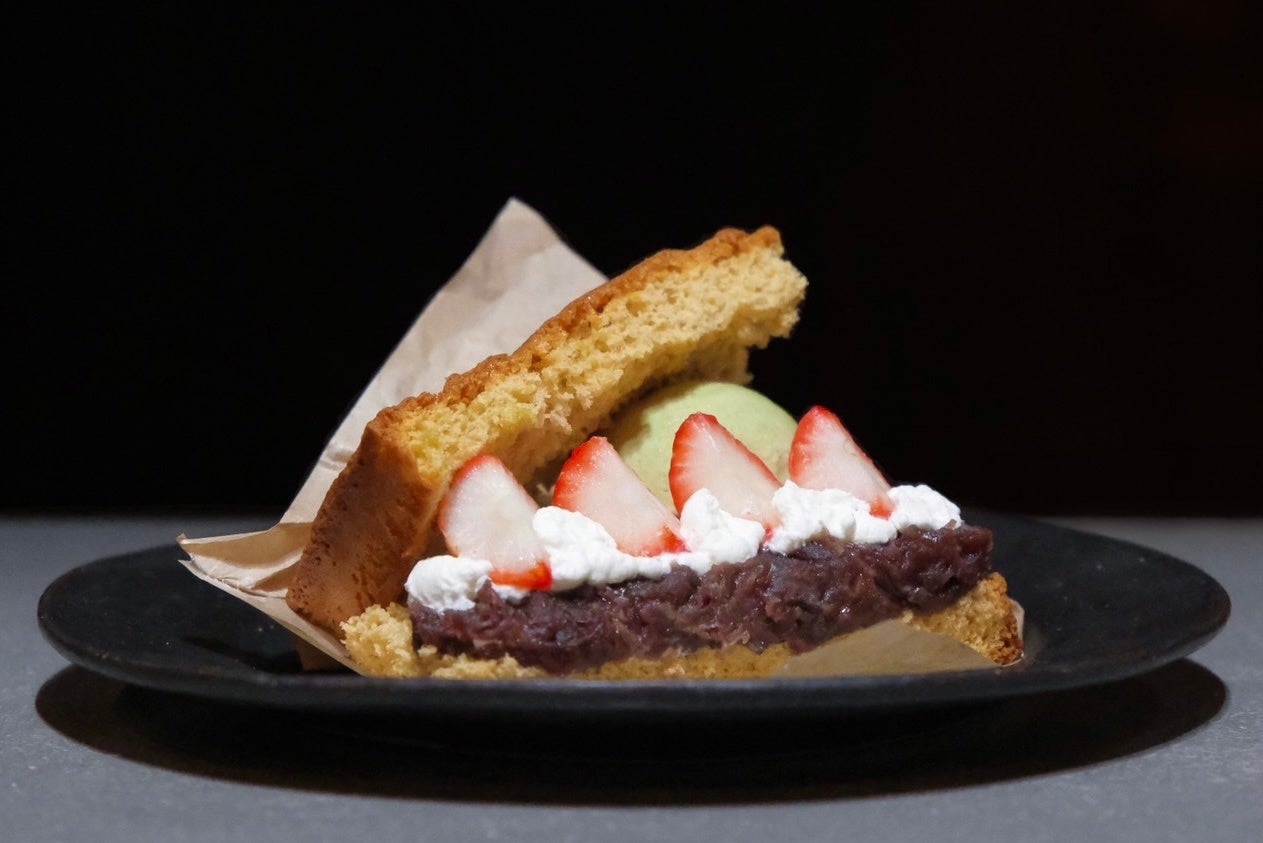
Most commercial tea shops serve green tea with sugary cakes or red bean paste to mask underlying astringency. Ocha wo Okuru Hito challenges this expectation by offering tea alongside seasonal asazuke (lightly pickled vegetables). The brisk salinity and crunch of fresh radish or cucumber reset the palate. When followed by a sip of organic Japanese green tea, the natural sweetness of the tea's L-theanine compound blooms without interference from refined cane sugar. It is an old agricultural habit, revived for a modern audience.
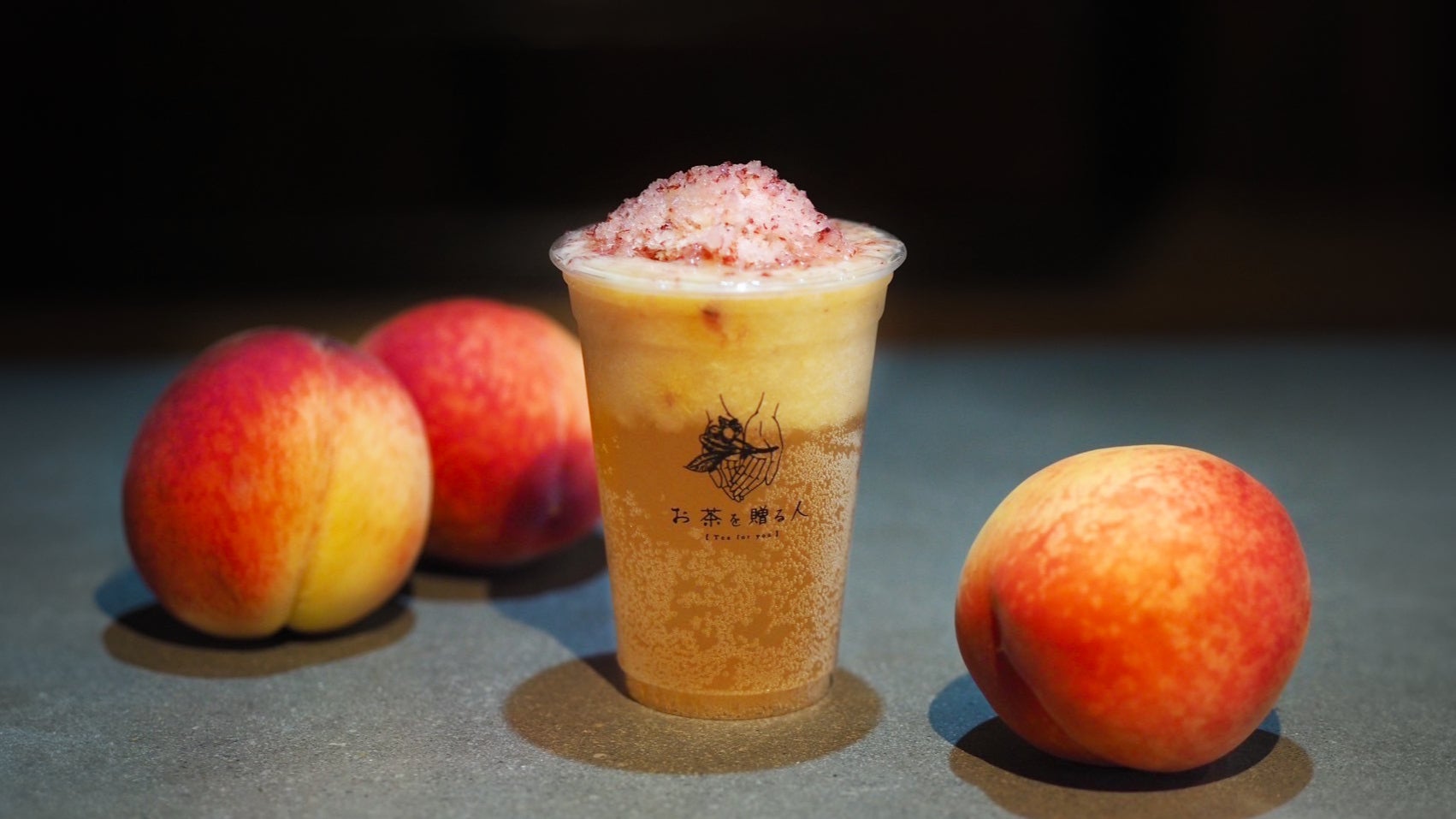
The shop updates its seasonal Japanese cafe menu with precision throughout the year. Summer menus feature creations like the white peach Earl Grey sparkling infusion, topped with frozen peach slices to balance bergamot aromatics against cold effervescence. During midsummer heatwaves, customers gather for handmade shaved ice (kakigori) drenched in rich syrup made from natural cultivation matcha and sweetened heirloom adzuki beans. Spring rotations introduce delicate floral green tea blends coinciding with regional cultural events like the Hakariya Hina Marche, linking the menu directly to the agricultural calendar.
Navigating Hakariya: Access, Timing, and Neighborhood Context
Reaching Hakariya is straightforward. The complex sits approximately eight minutes on foot from Koshigaya Station on the Tobu Skytree Line, connecting directly to central Tokyo stations like Asakusa and Oshiage in under 40 minutes. Because the building functions as an active heritage site, visitors should observe standard historic preservation guidelines. Step carefully over raised wooden thresholds, keep voices at a conversational level, and avoid touching fragile paper shoji partitions.
Midday weekends draw steady foot traffic from Tokyo residents escaping central ward congestion. Travelers wanting quiet contemplation should target weekday afternoons between 1:00 PM and 3:30 PM. For those seeking the evening tea-and-dinner pairing, reservations must be arranged weeks ahead through the venue's official booking channels. Pairing meals run unhurried, often spanning two hours as the host explains the soil profile and steeping temperature of each individual pour.
Frequently Asked Questions (FAQ)
Q1: Is Hakariya suitable for visitors who do not speak fluent Japanese?
A1: The staff at Ocha wo Okuru Hito and surrounding shops accommodate international visitors through visual menus and bilingual ordering materials. Pointing to specific menu selections works smoothly for daytime service, though evening dinner pairings benefit from a basic understanding of Japanese culinary terms.
Q2: What is the price range for drinks and seasonal sweets at Ocha wo Okuru Hito?
A2: Single-estate green teas, matcha drinks, and seasonal sparkling beverages cost between 600 and 950 yen. Seasonal shaved ice and confections range from 800 to 1,400 yen, making daytime visits an affordable luxury compared to Tokyo luxury hotel tea rooms.
Q3: Are there other shops to visit inside the Hakariya heritage complex?
A3: Yes. Hakariya houses a curated selection of independent businesses, including an artisan French bistro, a natural lifestyle boutique, a bodywork studio, and flexible spaces hosting craft workshops and community markets.
The Living Preservation of Suburban Heritage
Japan loses hundreds of historical wooden buildings each year to maintenance costs, fire codes, and urban redevelopment. When a kominka is cleared, centuries of hand-hewn forestry and community memory vanish beneath asphalt parking lots. Hakariya models an alternative path forward. By inviting young culinary artisans like Ocha wo Okuru Hito into historic structures, Koshigaya proves that historic timber does not need to sit cordoned off behind velvet ropes.
The success of this refurbished merchant shop demonstrates that commercial vitality and conservation can reinforce each other. Savoring an unhurried cup of single-estate tea beneath century-old cedar beams turns consumption into an act of preservation, keeping regional culture vibrant and rooted.