Inside MUJI at Aeon LakeTown: What the Mall's Massive Renewal Means for Shoppers
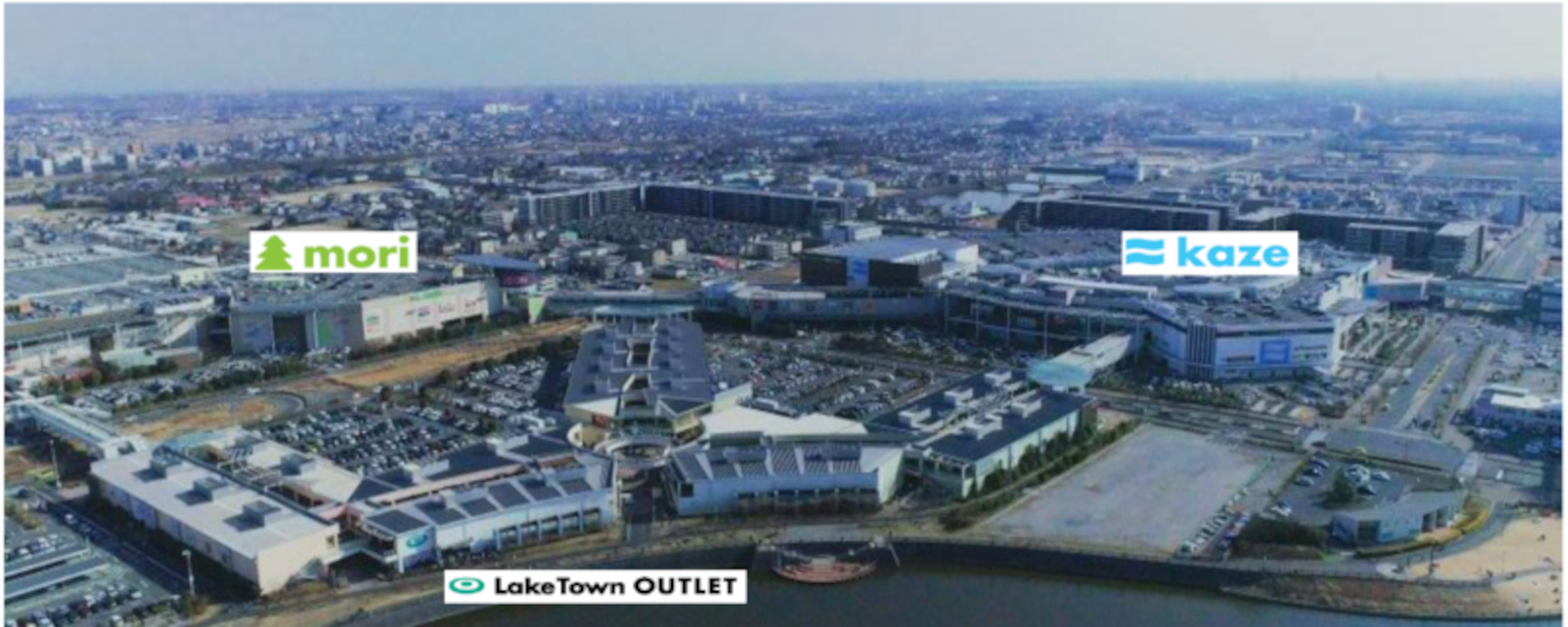
Aeon LakeTown in Koshigaya, Saitama, stands as Japan's largest shopping complex, a sprawling suburban destination divided into three interconnected commercial sectors: kaze, mori, and the LakeTown Outlet. Following the completion of its ambitious three-phase redevelopment, detailed in a comprehensive トラベル Watch Report, the complex has reorganized hundreds of storefronts to meet evolving foot traffic patterns. At the center of this suburban commercial powerhouse sits Ryohin Keikaku’s retail anchor, drawing weekend crowds from across the northern Tokyo metropolitan area.
For domestic shoppers and international travelers navigating the complex, finding specific services across more than 240,000 square meters of retail floor space presents a genuine spatial challenge. MUJI's sprawling installation in LakeTown serves not merely as a home-goods outlet, but as a bellwether for how parent company Ryohin Keikaku configures massive suburban flagships alongside regional shopping mall operators.
📌 Key Takeaways:
- Strategic Position: The primary MUJI location is situated on the second floor of Aeon LakeTown mori, operating as a full-line lifestyle anchor across an expansive single-level floor plan.
- Phased Modernization: The store operates inside a freshly rebalanced retail ecosystem following LakeTown’s Phase 3 renewal in March 2025, which capped two years of structural additions across kaze, mori, and the outlet wing.
- Corporate Expansion Blueprint: The LakeTown footprint mirrors Ryohin Keikaku's nationwide strategy of turning suburban retail hubs into self-contained lifestyle centers featuring full apparel, bulk grocery, and specialty home furnishings.
The Scale of Koshigaya's Retail Anchor and the Three-Phase Overhaul
Aeon LakeTown does not operate like a traditional Japanese department store. Set directly in front of Koshigaya-Laketown Station on the JR Musashino Line, the complex spans three distinct zones linked by weather-protected skywalks. Over the past three years, developer Aeon Mall Co. executed a rolling, multi-phase master renewal designed to defend its market dominance against newer urban hubs.
The restructuring began in spring 2023 with Phase 1, which overhauled approximately 40 specialty fashion and interior tenants across both the kaze and mori zones. Phase 2 followed in spring 2024, focusing heavily on physical expansion: developers erected a new two-story annex within the LakeTown Outlet, expanding that dedicated zone to roughly 130 stores. On March 20, 2025, Phase 3 completed the circuit, refreshing shared common facilities, introducing targeted green dining terraces, and upgrading tenant access paths.
For Ryohin Keikaku, this continuous reinvention provides an exceptionally stable customer pipeline. While downtown Tokyo flagships in Ginza or Shibuya capture tourist volume and trend-focused design shoppers, the Koshigaya retail hub commands high-frequency family spending. The LakeTown store targets residents looking to outfit entire suburban homes, buy weekly pantry staples, and select durable wardrobe essentials in a single visit.
Navigating the Footprint: Floor Locations Across Kaze, Mori, and the Outlet
First-time visitors frequently confuse the directional layout of the complex. The primary MUJI branch is located on the second floor of Aeon LakeTown mori (Zone 2F).
Travelers arriving via the JR Musashino Line step out directly into LakeTown kaze, which emphasizes youth apparel, beauty brands, and fast casual dining. Reaching MUJI requires walking through the length of kaze, crossing the enclosed pedestrian connector bridge, and entering the mori wing.
[Koshigaya-Laketown Station]
│
▼
┌─────────────────┐
│ LakeTown kaze │ (Fashion, cosmetics, casual dining)
└────────┬────────┘
│ (Enclosed Skywalk Bridge)
▼
┌─────────────────┐
│ LakeTown mori │ ──► [2nd Floor: Sprawling Full-Line MUJI]
└────────┬────────┘
│ (Outdoor Promenade)
▼
┌─────────────────┐
│ LakeTown OUTLET │ (Expanded two-story annex)
└─────────────────┘
The mori wing measures more than 500 meters from end to end, making spatial orientation vital. MUJI’s entrance opens into a wide circulation corridor, using floor-to-ceiling glass paneling and raw timber siding that contrasts sharply with the high-gloss retail facades around it.
The floor plan groups distinct merchandise zones around a broad central walkway. To the left, apparel and seasonal travel goods transition into cosmetics, skincare, and travel accessories. To the right, floor space opens into modular storage, bedding, and expansive flat-pack shelving. The rear sector houses packaged dry foods, frozen meal displays, and organizational desk supplies.
A Multi-Year Evolution: How Aeon LakeTown Restructured Its Floor Space
The revitalization of Aeon LakeTown reflects a structural response to shifting consumer behavior in suburban Japan. The table below traces the chronological milestones of the mall's three-phase modernization plan and how each zone was repositioned to support large-format retail.
| Phase & Timeline | Mall Sector | Strategic Focus | Physical Additions |
|---|---|---|---|
| Phase 1(Spring 2023) | LakeTown kaze & LakeTown mori | Tenant turnover and spatial reorganization | Refreshed ~40 specialty fashion and homeware shops to modernize interior traffic flow. |
| Phase 2(Spring 2024) | LakeTown OUTLET | Open-air expansion and outlet densification | Constructed a new two-story annex building, pushing the outlet zone to roughly 130 specialty brands. |
| Phase 3(March 20, 2025) | Full Complex Integration | Final experiential renewal, outdoor spaces, customer amenities | Upgraded circulation paths between kaze and mori, modernized family seating, and completed outdoor landscaping. |
This multi-stage roll-out ensured that tenant revenue remained uninterrupted while expanding the mall's overall regional catchment area.
Ryohin Keikaku’s Playbook: The Shift Toward Massive Suburban Outposts
To understand the scale of MUJI's LakeTown branch, one must examine parent company Ryohin Keikaku’s broader corporate posture. Under President Satoshi Shimizu, the retailer moved aggressively beyond its historic presence in train station shopping malls (ekibiru). Instead, the group has formed direct alliances with major mall operators like Aeon to build out immense suburban flagships.
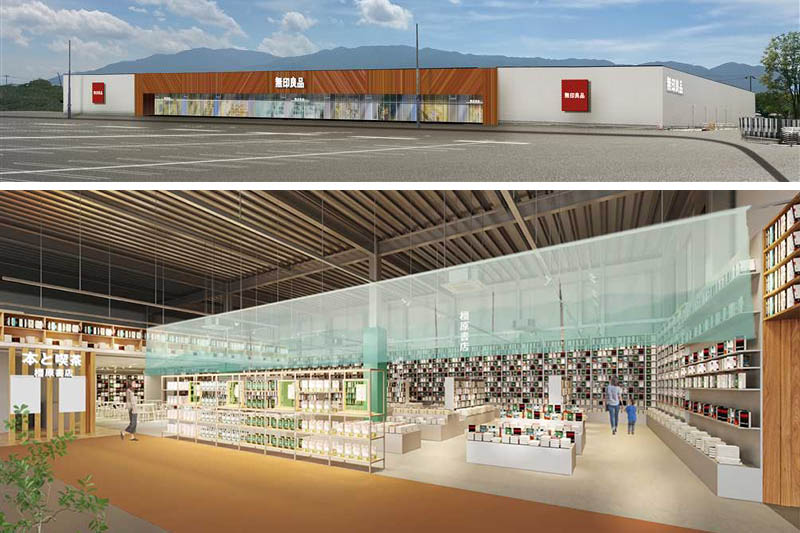
This strategy reached a milestone in March 2025, when Ryohin Keikaku unveiled the world’s largest MUJI store at Aeon Mall Kashihara in Nara Prefecture. Spanning approximately 2,500 tsubo (around 8,260 square meters), that flagship launched "Hon to Kissa," a prototype combining the local Kashihara Shoten bookstore directly with an in-store Café&Meal MUJI dining lounge.
While the LakeTown mori location is tailored specifically for the Koshigaya corridor, it shares identical corporate DNA. Ryohin Keikaku views these massive suburban outposts as community anchors rather than standard retail stores. By offering frozen pre-portioned dinners, daily household items, interior coordination desks, and children’s play zones under one roof, the retailer encourages shoppers to spend entire afternoons on site.
The LakeTown outpost carries the complete lineup of everyday Japanese lifestyle and home goods. When a customer needs a standardized acrylic organizer, a lightweight linen button-down, or a multi-pack of retort pouch curries, the inventory depth here ensures minimal stockouts compared to compact central Tokyo outlets.
Inside the Store: Daily Essentials, Café Concepts, and Localized Merchandising
Stepping onto the polished concrete floors of the LakeTown mori shop reveals a carefully orchestrated layout. Aisles are substantially wider than those found in central Tokyo branches, designed specifically to accommodate strollers, elderly visitors, and heavy shopping carts loaded with bulk goods.
The food section occupies a prominent position near the main checkout counters. Rows of glass-door upright freezers display frozen meal kits, including frozen onigiri, stewed Japanese side dishes, and steam-in-bag vegetable blends. Nearby, a dedicated wall contains dozens of varieties of retort-pouch curry, fronted by the flagship Butter Chicken and Green Curry lines.
In the furniture and interior department, fully staged living spaces demonstrate minimalist interior design principles. Shoppers can test solid oak dining tables, custom-configured unit shelving, and signature bead cushions (Body Fit Cushions) in real-room arrangements. For homeowners in the surrounding developments across Saitama and Chiba, this tactile layout provides visual confirmation before booking delivery services.
While LakeTown's sheer size gives shoppers access to dozens of independent restaurants throughout mori’s ground-floor gourmet zone, MUJI’s focus on take-home meals and ready-to-eat bakery goods serves visitors looking for quick nourishment during a full day on their feet.
Frequently Asked Questions (FAQ)
Q1: Where exactly is the MUJI store located within Aeon LakeTown?
A1: MUJI is located on the second floor (2F) of Aeon LakeTown mori. If you arrive via the JR Musashino Line at Koshigaya-Laketown Station, you will enter through the kaze building. Walk through kaze, cross the second-floor pedestrian connector bridge, and continue forward into the mori building to reach the storefront.
Q2: Is tax-free shopping available at the LakeTown MUJI branch for tourists?
A2: Yes, the LakeTown mori MUJI location provides tax-free processing for eligible foreign tourists presenting an original passport with a temporary visitor stamp. Inquire at the dedicated service registers before finalizing your transaction.
Q3: Does this location include specialized services like interior consulting or embroidery?
A3: Because of its large format, this branch offers custom services including interior coordination consultations for home furnishings and embroidery customization on selected fabric bags and clothing items. Availability and turnaround times vary by season.
Q4: How does the LakeTown MUJI store compare to the world’s largest store in Nara?
A4: In March 2025, Ryohin Keikaku opened the world's largest MUJI at Aeon Mall Kashihara in Nara, spanning roughly 2,500 *tsubo* (~8,260 square meters) with its integrated bookstore concept. While the LakeTown location is slightly older, it remains one of the largest and best-stocked MUJI stores in the greater Tokyo metropolitan belt.
Navigating Aeon LakeTown's Retail Future in 2026
With the multi-year renovation fully operational, Aeon LakeTown functions as an efficient, modern retail ecosystem. The integration across kaze, mori, and the expanded LakeTown Outlet gives visitors an experience unmatched by standard suburban shopping plazas.
For Ryohin Keikaku, anchoring the second floor of LakeTown mori solidifies its transition from a boutique design house into an indispensable component of domestic family life. Whether you are hunting for specific modular storage systems, restocking kitchen goods, or exploring Japanese suburban retail at its most expansive, this destination provides a clear window into how modern Japan shops, furnishes, and eats.