Inside Nagoya's All-Night Book Haven: Can You Really Sleep in a Bookstore?
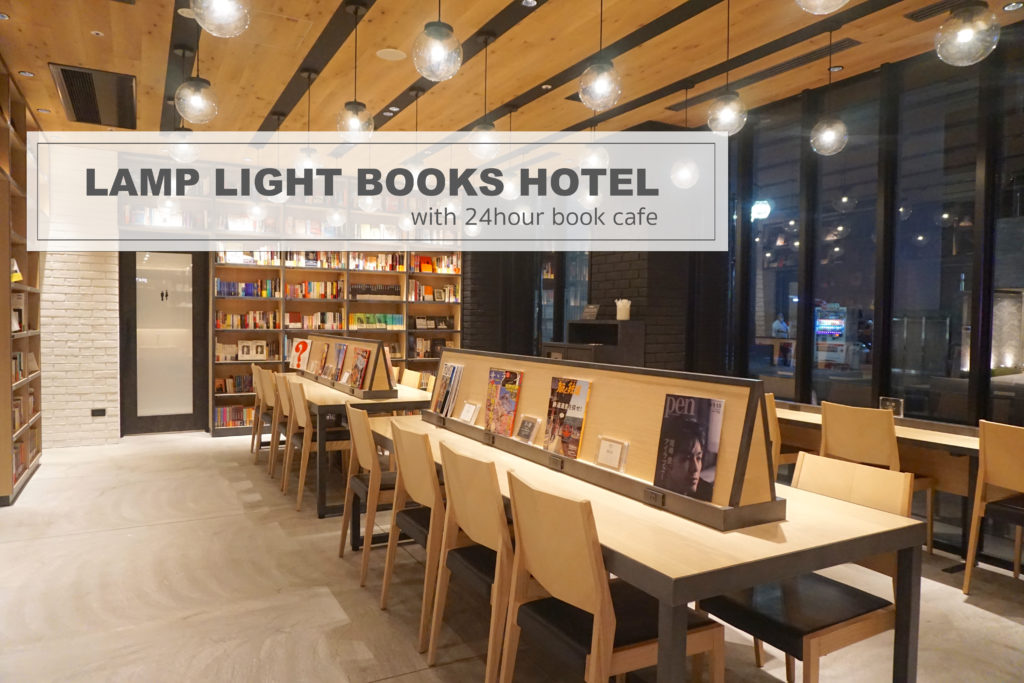
Tucked into the quiet backstreets of Fushimi, Nagoya's central financial district, a subtle warm glow cuts through the evening mist. It does not emanate from an ordinary boutique hotel, nor does it belong to a standard late-night chain cafe. Instead, ground-floor floor-to-ceiling glass reveals towering wooden shelves stacked with thousands of curated paperbacks, illuminated by mid-century task lamps. This is Lamp Light Books Hotel Nagoya, an intimate lodging experiment developed by Solare Hotels and Resorts that strips away conventional hospitality excess to answer a singular question: what happens when a hotel is built entirely around the private ritual of late-night reading?
While urban concept lodgings in Japan often swing between austere business capsules and sprawling luxury suites, this literary boutique hotel pursues a deliberate middle path. As regional tourism strategies adapted following domestic travel revitalization initiatives, documented in a 財経新聞 Report on corporate lodging campaigns in Aichi, specialized accommodations have captured sustained international curiosity. Visitors do not book these rooms for standard city conveniences. They check in to get lost between covers until dawn.
📌 Key Takeaways:
- Core Concept: A design-forward hybrid combining a ground-floor commercial bookstore, a 24-hour book cafe, and 70 compact guest rooms optimized specifically for nocturnal reading.
- The "Books to Go" Mechanic: Overnight guests can select up to two books from the curated retail shelves at check-in to read in their personal reading nooks free of charge.
- Strategic Geography: Positioned in Nagoya's Fushimi district, walking distance from both the bustling Osu shopping district and the transit lines of Nagoya Station.
- Traveler Realities: Exceptional for solo travelers, bibliophiles, and quiet getaways, but space limitations make it ill-suited for large families or travelers with bulky multi-piece luggage.
The Philosophy Behind Nagoya's Quietest Literary Hideaway
The concept behind Lamp Light Books Hotel Nagoya originated from an observation of modern urban fatigue. Traditional Japanese business hotels optimize for pure utility: a rigid desk, a prefabricated modular bath unit, and a television screen programmed to boot on arrival. Solare Hotels and Resorts inverted those priorities when launching the property in February 2018. Under company leadership focused on experiential hospitality, the brand designed the property to slow the heart rate of its occupants.
The lobby functions first as a full-service, commercial retail bookstore. Rather than stocking generic bestsellers or airport thrillers, the collection holds roughly 3,000 curated titles centered on travel, mystery, human architecture, and gentle narrative escapes. English titles and visually rich art monographs sit alongside Japanese literary fiction, allowing international visitors to find narrative anchors even without fluent kanji literacy.
The atmosphere avoids sterile silence. The gentle hiss of the espresso machine, muted lo-fi instrumental playlists, and the faint rustle of turned pages create a textured white noise. It appeals directly to a growing cohort of independent travelers seeking refuge from the neon sensory overload of nearby entertainment hubs.
The Architecture of an All-Night Reading Nook
Stepping inside the guest rooms reveals an unconventional spatial layout. The traditional hotel desk has been removed entirely. In its place sits a bespoke, ergonomically contoured reading chair paired with an Ottoman, cushioned deep enough to support hours of curled-up posture without lumbar strain.
Illumination receives obsessive attention. Instead of harsh overhead fluorescent panels, the rooms feature adjustable warm-spectrum lamps engineered to minimize eye fatigue during late-night reading sessions. A directional spotlight focuses precisely on the page, leaving the rest of the room in gentle shadow. The color palette sticks to muted charcoal, deep wood grains, and clean white tilework, creating a cocoon-like sanctuary.
Space remains compact, averaging between 13 and 18 square meters across single, double, and twin configurations. Rather than squeezing in a full bathtub that would compromise the living footprint, the hotel features modern glass-enclosed rain showers with high-pressure fittings. Amenities lean heavily into tactile comfort: soft cotton pajamas, electric kettles for loose-leaf tea, and bespoke mugs shaped specifically to fit both hands comfortably during extended reading.
The 24-Hour Cafe and the Classic Nagoya Morning Ritual
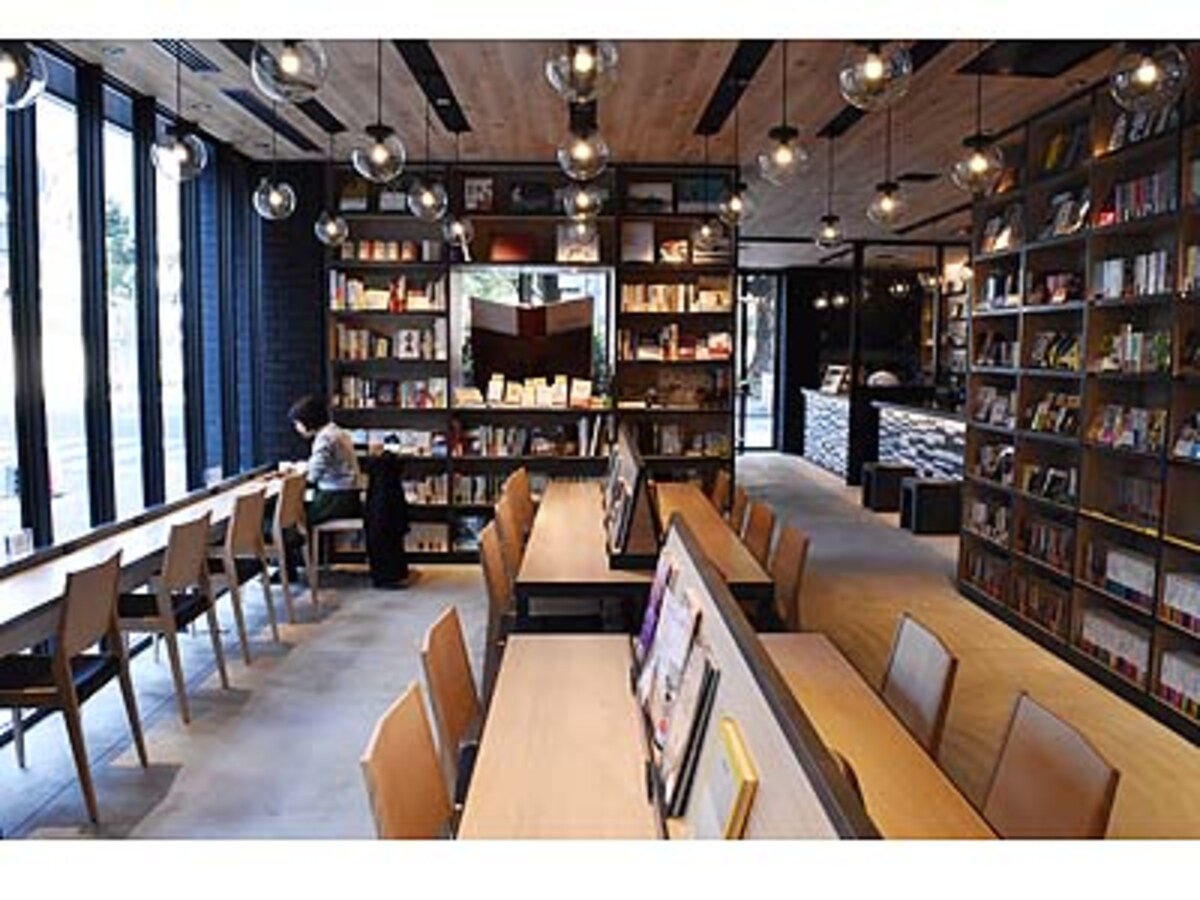
The ground-floor cafe does not shutter its doors when midnight strikes. While the surrounding streets of Fushimi settle into silence, the cafe stays open 24 hours a day for both resident guests and nocturnal locals. Baristas pull espresso shots, steam single-origin pour-overs, and serve artisanal baked goods throughout the graveyard shift.
The culinary centerpiece arrives at dawn. Nagoya boasts one of Japan's most distinctive breakfast cultures, locally celebrated as the "morning service", a tradition where ordering a simple hot beverage yields complimentary toast, boiled eggs, or red bean paste. Lamp Light Books Hotel honors this heritage with its own curated spin on morning toast. Guests can order miniature, thick-cut artisan loaves topped with melting cheese, savory egg salad, or traditional sweet adzuki bean paste paired with salted butter.
Waking early, taking an espresso and warm toast to a corner table by the street window, and thumbing through a design volume offers a rare window into Nagoya's slower, reflective rhythm. It stands in stark contrast to the rapid-transit breakfast grabs typical of larger hubs like Tokyo or Osaka.
Evaluating the Boutique Stay: How Lamp Light Compares
To understand where Lamp Light Books Hotel Nagoya sits in Japan's competitive hospitality spectrum, travelers must evaluate its exact trade-offs against conventional micro-accommodations and hostel-style book stays.
| Feature & Criteria | Lamp Light Books Hotel Nagoya | Book Capsule Hostels (e.g., Book and Bed) | Standard Business Hotel (e.g., Dormy Inn) |
|---|---|---|---|
| Sleeping Privacy | Private, sound-insulated soundproof rooms with private bath | Shared dormitory bunks embedded inside bookshelf frames | Private utilitarian room with standard modular bath |
| Book Curation & Access | ~3,000 retail-grade volumes; "Books to Go" borrowing into private room | Extensive shared reading stacks; reading occurs in shared lounge/cubby | Small manga shelf in lobby (on occasion); zero curated literature focus |
| Nightly Rates (Approx.) | $55, $110 USD per room (seasonal) | $30, $55 USD per bunk | $65, $130 USD per room |
| Food & Beverage | 24/7 cafe; specialty coffee, Nagoya toast, craft beer, pastries | Self-service vending or limited daytime bar | Full breakfast buffet (hot dishes, miso soup, regional specialties) |
| Work & Utility Focus | Leisure reading, creative journaling, light laptop cafe work | Social backpacking, casual reading | Corporate work desks, printing stations, onsen public baths |
Navigating Fushimi: Exploring Beyond the Bookshelves
Staying at Lamp Light Books Hotel places visitors at an advantageous geographic pivot. Fushimi sits squarely between Nagoya Station, the Shinkansen gateway, and the neon-lit retail districts of Sakae. The hotel lies approximately three minutes on foot from Fushimi Subway Station (accessible via the Higashiyama and Tsurumai subway lines).
A short 15-minute stroll south leads into the historic Osu shopping district, an eclectic labyrinth of over 1,200 shops where historic temples sit adjacent to retro electronic stalls, vintage clothing outlets, and vibrant street food vendors. Visitors can spend an afternoon sampling steaming steamed buns and karaage chicken in Osu, stop by the historic Yabaton shop for thick cuts of pork cutlet drenched in fermented red miso, and return to the tranquility of Fushimi by nightfall.
For art and architecture enthusiasts, the Nagoya City Art Museum and the Nagoya City Science Museum, home to one of the world's largest planetarium domes, are situated inside Shirakawa Park, just three blocks south of the hotel. This proximity allows guests to balance introspective literary retreat with active cultural discovery.
Candid Guest Realities: Who Thrives Here and Who Should Avoid It
Online reviews across booking platforms reflect high satisfaction, but guests who arrive with misaligned expectations often express frustration. Honest travel reporting demands acknowledging the property's deliberate limitations.
The hotel excels for solo travelers, creative freelancers, couples seeking a quiet base, and literature enthusiasts. The property maintains exceptional sound dampening between rooms, ensuring that late-night pages turn in genuine quiet. The staff maintains high standards of cleanliness, and having immediate access to warm espresso at 3:00 AM without stepping into the elements is an uncommon luxury.
Conversely, travelers traveling with children or carrying multiple oversized rolling suitcases will find the floor plan severely restrictive. There are no wardrobes; clothing hangs on exposed wall racks. The absence of traditional working desks means remote executives requiring multi-monitor setups or day-long video conferences will struggle with room ergonomics. Furthermore, those seeking traditional Japanese onsen baths or expansive hotel fitness centers should opt for full-scale metropolitan hotels closer to the main rail terminal.
Frequently Asked Questions (FAQ)
Q1: Can non-guests visit the cafe and read the books?
A1: Yes. The ground-floor cafe and bookstore operate as an open commercial establishment. Anyone can purchase drinks, browse the retail stacks, or sit and read. However, only registered overnight hotel guests have access to the "Books to Go" borrowing service that permits taking books upstairs into private rooms.
Q2: How many English or foreign language books are available?
A2: While the majority of the 3,000 titles are in Japanese, the collection maintains a dedicated curation of English fiction, visual travel monographs, photography collections, and picture books accessible to non-Japanese speakers.
Q3: Is the hotel accessible for travelers with mobility needs?
A3: The property features elevator access across all residential floors and level ground-floor entry to the cafe. Accessible room layouts exist, though travelers should contact the property directly prior to booking to guarantee specific bathroom configurations.
Q4: How does breakfast service work at check-in?
A4: Breakfast can be booked alongside room reservations or added on-site for a modest fee. Guests choose their preferred artisan mini-toast set and beverage, which can be eaten in the cafe lounge or carried up to private rooms.
The Evolving Blueprint for Japan's Boutique Micro-Stays
The persistent appeal of Lamp Light Books Hotel Nagoya signals a broader shift in what international travelers demand from urban Japanese accommodations. As standard business lodging becomes increasingly commodified and automated, micro-properties that commit fully to a singular, tactile aesthetic offer distinctive value. By elevating the simple act of reading beneath a warm lamp into the foundational architecture of the guest experience, this Fushimi enclave proves that hospitality does not need sprawling square footage to leave an enduring mark.