Inside Omori-Kaigan's Hidden Food Boom: Fresh Artisan Spots Redefining the Coastal District
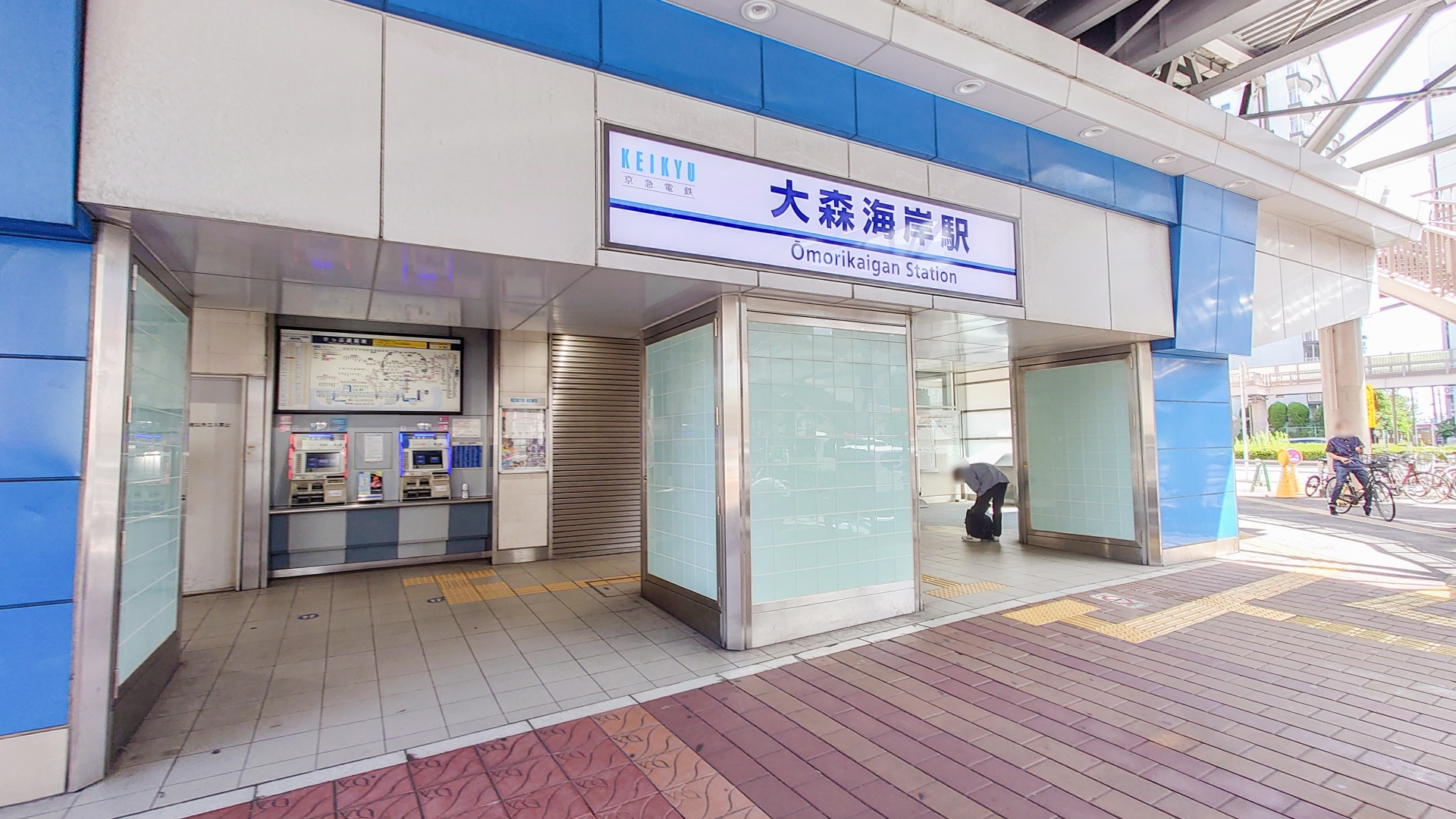
For decades, travelers riding the Keikyu Main Line treated Omori-Kaigan Station as little more than a quiet transit stop between central Tokyo and Haneda Airport. Most visitors arrived with a single destination in mind: the retro corridors of the Shinagawa Aquarium or the running paths weaving through Heiwa no Mori Park. That residential calm is giving way to an unexpected street-level transformation. Driven by lower commercial rents and an influx of independent restaurateurs seeking breathing room outside crowded central hubs like Shibuya and Ginza, the area surrounding Omori-Kaigan has become one of Tokyo Bay's most compelling culinary corridors.
The neighborhood's reinvention is not a product of corporate high-rise redevelopments. Instead, it is unfolding inside converted post-war shophouses, quiet residential alleys, and light-industrial pockets. A detailed SoraNews24 Report highlighted this quiet pocket along the local municipal bus routes, documenting how the network links sweeping green spaces, wholesale distribution centers, and artisan coffee roasteries that roast small batches on vintage equipment. Where commuter foot traffic once dissipated within minutes of evening arrival, evening diners now linger at natural wine bars and seaside bistros.
📌 Key Takeaways:
- Transit Geography: Direct access on the Keikyu Main Line gives Omori-Kaigan Station a 15-minute commute to Haneda Airport and immediate connectivity to Shinagawa, drawing international travelers and young professionals.
- Micro-Roasteries & Independent Dining: Independent chefs and coffee specialists are repurposing mid-century warehouses and residential frontage, sidestepping high rents in central wards.
- Wholesale Produce Access: Proximity to the massive Ota wholesale network allows neighborhood kitchens to serve high-grade seafood, seasonal produce, and craft goods at local prices.
From Coastal Seaweed Beds to Modern Counter Dining
The culinary roots of the Ota Ward waterfront run back through centuries of Tokyo history. During the Edo period, the shallow flats off Omori produced the capital's finest nori (edible seaweed), an industry that sustained coastal families until land reclamation shifted Tokyo’s shoreline eastward in the mid-20th century. For decades after, Omori-Kaigan maintained an industrial identity defined by maritime warehousing, Keihin industrial plants, and modest residential housing.
That isolation began shifting when urban commercial leases across Minato and Shibuya surged past sustainable levels for independent operators between 2021 and 2024. Young chefs, trained in European bistros or traditional kappo establishments, looked south along Tokyo Bay. They discovered ground-floor retail spaces with lower overheads, historical architecture, and direct transit access. The result is a dining landscape where historical soba houses sit beside sleek storefronts pulling single-origin pour-overs.
How the Ota Ward Waterfront Attracted a New Chef Class
Opening an eatery around Omori-Kaigan provides practical operational advantages that central wards can no longer match. Commercial lease rates within a 500-meter radius of the station average ¥16,000 to ¥24,000 per tsubo (3.3 square meters) per month, nearly half the baseline rates found in Ebisu or Nakameguro. The lower financial pressure gives culinary founders the freedom to run concept-driven menus without relying on corporate volume.
Take the neighborhood's wave of artisan coffee roasteries. Rather than setting up high-turnover takeaway counters, roasters in the area build multi-room shops with floor space for drum roasters, training labs, and long wood tasting tables. These spaces attract local office workers by day and design-focused travelers on weekends. Similar economics drive the coastal dining spots along the canal edges, where open-flame grills and small natural wine cellars operate in spaces that once held machine parts or maritime hardware.
The District's Evolution: Key Milestones (2018, 2026)
The transition of the Omori-Kaigan corridor followed a clear progression from functional commuter pocket to specialized lifestyle district.
| Period | Infrastructure & Development | Culinary & Streetscape Shift |
|---|---|---|
| 2018, 2020 | Heiwa no Mori Park upgrades; expansion of municipal loop bus lines connecting JR Omori and waterfront stations. | Dominated by legacy izakayas, Chinese cafeterias, and family-run kissaten serving neighborhood residents. |
| 2021, 2023 | Renovation of older residential walk-ups; arrival of remote workers seeking proximity to Haneda Airport. | First wave of independent micro-roasteries and sourdough bakeries converting vacant commercial units. |
| 2024, 2026 | Full operational maturity of bayfront bus circuits; international tourism spillover from Haneda and Shinagawa. | Thriving food destination with natural wine spots, farm-to-table coastal dining, and craft workshops. |

Direct Sourcing Through the Omori Wholesale Network
Geography shapes every menu around Omori-Kaigan. Located directly east of the station is the Ota Wholesale Market, one of Japan's largest distribution centers for fruit, vegetables, and flowers, alongside secondary wholesale seafood docks that supply regional restaurants. While high-end establishments across central Tokyo pay premiums for intermediaries to transport goods across town, kitchens in Omori-Kaigan source their ingredients directly at the source.
This structural supply advantage is evident in everyday operations. Morning fish markets supply local sushi counters with cuts arriving mere hours after docking. Produce-forward bistros build daily rotating menus based on whatever rare citrus varieties or heirloom greens cleared Ota Market that morning. Diners get high-tier ingredients without the 30% to 50% markup typically attached to dining in central business districts.
Hands-On Cultural Craft and Gastronomy Experiences
The neighborhood's culinary renaissance coincides with a broader shift in international traveler priorities. As reported by the Asahi Shimbun, high-spending tourists visiting Japan increasingly bypass standard sightseeing landmarks, opting instead for hands-on cultural experiences that let them engage with traditional artisans. Omori-Kaigan sits squarely inside this trend.
Because the district retains deep ties to traditional trades, visitors can pair morning meals with hands-on craft sessions. Local preservation groups host nori-making workshops that teach the delicate drying techniques used during the Meiji era. Knife-sharpening ateliers and Japanese glassware workshops operate along the residential streets leading toward Heiwa Island. These craft spaces collaborate directly with neighborhood cafés and restaurants, serving specialty teas in handmade ceramics or using locally forged blades for open-counter prep work.
Connecting the Corridor: Bus Routes and Green Ways
What makes exploring Omori-Kaigan manageable is its integrated public transit layout. Keikyu Main Line trains run frequently between the station, Shinagawa, and Yokohama, while local municipal loop bus routes run wide circles through the district. These buses connect the residential avenues directly to Heiwa no Mori Park, a sprawling 99,000-square-meter recreation area featuring athletic fields, ponds, and open green lawns, before circling back toward the wholesale markets and coastal docks.
This layout gives the enclave a distinct pedestrian rhythm. Visitors often start with morning pour-overs at a neighborhood roastery, stroll through the coastal green belt toward Shinagawa Aquarium, and finish the day at a small seafood bistro tucked behind the train tracks. Unlike congested destinations like Roppongi or Shinjuku, the wide sidewalks and low-density traffic allow the area to function at an unhurried, human scale.
Frequently Asked Questions (FAQ)
Q1: How accessible is Omori-Kaigan Station for travelers visiting Tokyo?
A1: The station sits directly on the Keikyu Main Line. From Haneda Airport Terminal 3, local and express connections reach Omori-Kaigan in roughly 15 to 20 minutes (with an easy platform transfer at Keikyu Kamata). It is also just 10 minutes south of Shinagawa Station, making it accessible from the Yamanote Line network.
Q2: What types of food define the Omori-Kaigan dining scene today?
A2: The area features a mix of specialty coffee roasters, modern seafood bistros, natural wine cellars, and heritage Japanese eateries. Menus lean heavily on seasonal fish and fresh produce sourced directly from the nearby Ota wholesale network.
Q3: Can the culinary spots easily accommodate English-speaking visitors?
A3: Many of the newer craft roasters, wine bars, and bakeries are operated by young, English-friendly staff who maintain bilingual menus or digital ordering systems. However, smaller family-owned izakayas and legacy noodle shops may still rely on traditional Japanese signage and cash payments.
What Lies Ahead for the Tokyo Bay Coastal Enclave
The culinary expansion around Omori-Kaigan Station shows how Tokyo continues to reinvent itself along its historic waterfronts. By pairing manageable commercial rents with direct access to wholesale produce, the district has carved out an identity that stands in sharp contrast to the standardized, chain-dominated retail found near major terminals. As high-speed rail and airport connectivity keep bringing global visitors through Tokyo’s southern gateway, this former seaside trade outpost has secured its position as an essential destination for thoughtful, market-driven dining.