Inside vs. Outside the Tub: Visual Breakdown of Proper Japanese Unit Bath Hygiene
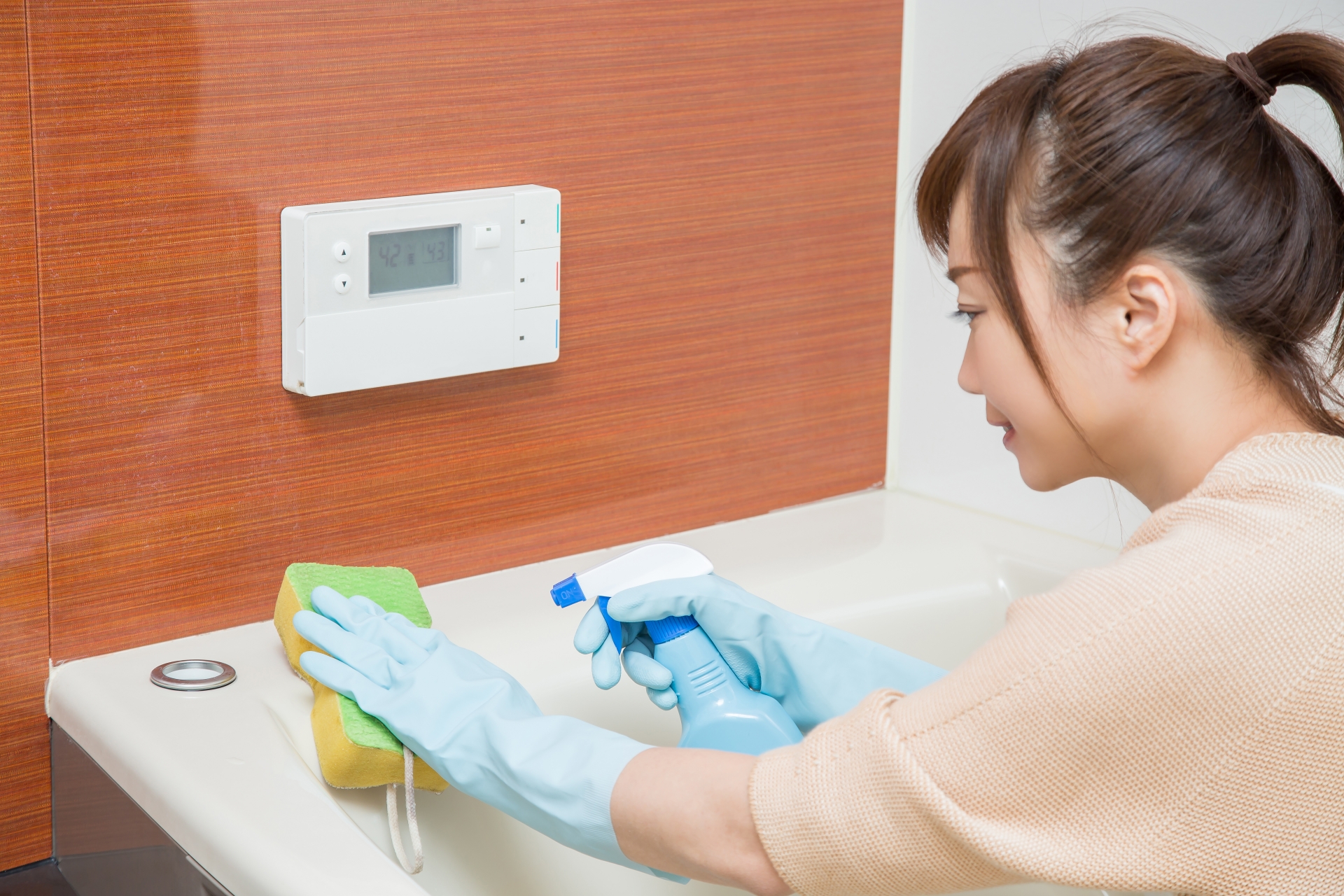
Every year, thousands of international visitors check into Japanese business hotels like APA, Toyoko Inn, or Dormy Inn, step into the bathroom, and accidentally flood the room. The culprit is not a malfunctioning pipe. It is an intuitive misunderstanding of the modular Japanese three-piece unit bath. In Western residential layouts, a tiled bathroom floor might tolerate water. In standard Japanese apartments, a full wet-room allows bathers to lather, scrub, and rinse directly on the floor beside the tub. In a compact hotel unit bath, however, washing outside the tub will send soapy water pouring over the threshold, saturating bedroom carpeting and seeping into lower-floor ceilings. The persistent confusion over this layout recently triggered national media discussion, with a livedoor ニュース Report detailing how domestic travelers and hotel guests still clash over the proper sequence of drawing bathwater versus lathering up in tight quarters.
📌 Key Takeaways:
- The Floor Drain Reality: The small drain on the vinyl bathroom floor is an emergency overflow measure, not an open shower drain capable of processing active water pressure.
- The Absolute Curtain Position: To prevent expensive structural leaks, the bottom hem of the shower curtain must hang strictly inside the bathtub basin throughout the entire shower.
- The Hygiene Sequence: Reconciling traditional ofuro soaking culture with a single-basin unit requires either a quick stand-up rinse before filling or draining and scrubbing after the soak.
The Architecture of the Japanese Three-Piece Unit Bath
The classic Japanese three-piece unit bath (known domestically as san-ten yunitto basu) is an engineering marvel born out of the 1964 Tokyo Olympics. Constructed as a single, prefabricated fiberglass-reinforced plastic (FRP) waterproof capsule, the unit bundles a washbasin, a Western-style toilet, and a deep soaking tub into an area rarely exceeding 2.5 square meters.
Residential Japanese homes separate the toilet from a dedicated ofuro washing room. In that traditional setup, the entire room is waterproofed with non-slip floor tiles, an independent floor drain, and a handheld showerhead mounted at seated height. Guests accustomed to that luxury often step into a business hotel, sit on the floor beside the toilet, and turn on the shower wand.
That single action causes immediate water damage. In a three-piece unit bath, the tub is the sole designated washing zone. The surrounding floor area housing the toilet and sink is technically waterproofed against splashes, but it lacks the graded drainage slope or drainage pipe diameter needed to divert active shower runoff.
The Shower Curtain Rule That Saves Hotel Deposits
Preventing an accidental indoor flood comes down to curtain physics. Japanese hotel shower curtains are deliberately heavier than standard household liners, often treated with anti-mildew compounds. They are cut to hang roughly 10 to 15 centimeters below the rim of the bathtub.
The rule is absolute: the curtain must sit completely inside the tub basin.
When a bather lets the curtain dangle outside the tub rim, surface tension channels running water down the vinyl directly onto the exterior floor. Because the tub walls curve outward slightly, water striking the curtain accelerates downward, pooling around the base of the toilet fixture within four minutes.
Most business hotel floors feature a tiny secondary drain near the toilet. Travelers often spot this grate and assume it functions like a wet-room floor drain. It does not. That emergency floor drain connects to a narrow, shallow trap meant solely for sink overflow or minor splashes. When hit with shower volume, typically running at 10 to 12 liters per minute, the trap backs up almost instantly. The resulting pool flows past the door sill, soaking the carpeted entryway of the bedroom. Under Japanese hospitality liability policies, drying fees and downtime penalties for a soaked room routinely cost between ¥30,000 and ¥100,000.
The Sequencing Dilemma: Scrubbing First vs. Filling the Tub
Japan's bath culture is rooted in a fundamental principle: the bathwater must remain pristine. You clean your body thoroughly before submerging yourself in hot water, allowing multiple family members to share the same bath.
In a compact unit bath, this cultural rule creates a mechanical paradox. There is only one tub. If you fill it with hot water to soak, you have no dedicated floor space to lather and rinse with soap. The recent survey data cited by livedoor ニュース highlights that even Japanese business travelers remain divided on how to execute this routine without violating hygiene instincts.
| Method | Operational Workflow | Practical Trade-offs |
|---|---|---|
| The "Wash First, Fill Later" Routine | Stand in the empty tub with the drain open; scrub hair and body; rinse thoroughly down the drain; insert the plug; run hot water to fill the tub while standing or waiting. | Maintains pristine soaking water. However, standing wet in a chilly hotel bathroom for 8, 12 minutes while the tub fills can be uncomfortable. |
| The "Soak First, Scrub After" Routine | Draw a full bath immediately; take a light preliminary rinse at the sink or stand-rinse; soak in hot water; pull the plug to drain; lather and complete full shampoo while the tub empties. | Maximizes immediate warmth and saves time. Unacceptable if sharing water, but completely hygienic for solo travelers since the water is discarded immediately. |
| The Western Stand-Up Shower | Leave the drain plug out entirely; pull the curtain inside; run continuous hot water overhead while washing. | Fastest and least error-prone method. Sacrifices the restorative benefits of deep *ofuro* soaking after long travel days. |
For individual business travelers who do not share water, the "Soak First, Scrub After" approach has become the pragmatic standard. It preserves time, ensures the room stays warm from steam, and prevents standing naked in an empty acrylic tub waiting for 150 liters of water to heat up.
Managing Drainage Traps and Hotel Amenities
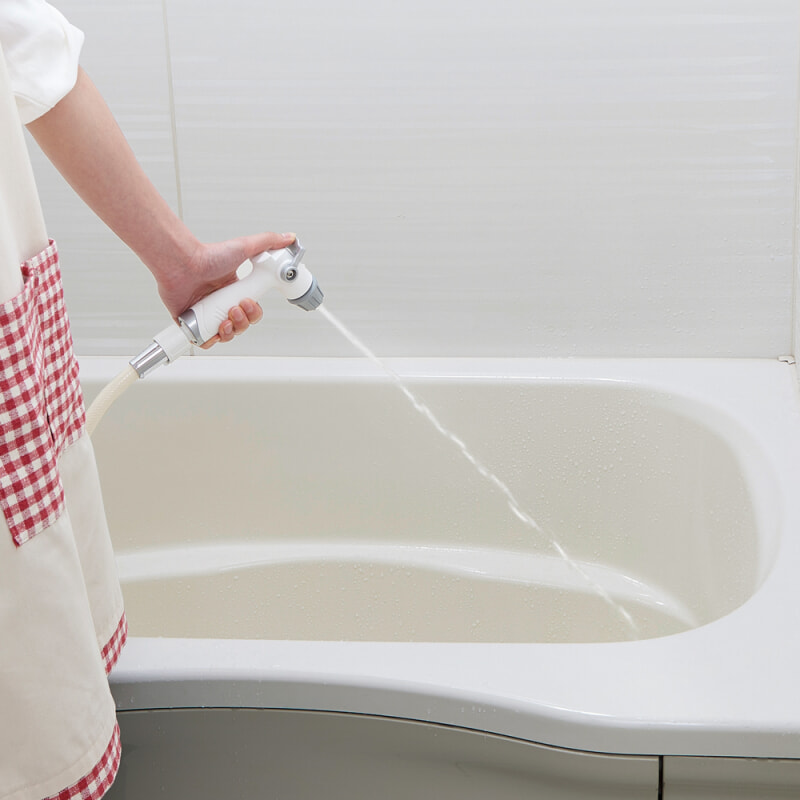
The plumbing hardware inside a Japanese modular bathroom functions with precise tolerances. Understanding three mechanical components prevents minor accidents from escalating into maintenance emergencies.
First, identify the tub drain mechanism. Some tubs use a simple black rubber stopper on a metal beaded chain, while modern business hotels use a push-button pop-up drain located on the rim behind the faucet. If water drains sluggishly, do not force the valve. Japanese tubs utilize an integrated hair-catcher basket directly beneath the stopper. Long hair from previous days can restrict flow, creating a dangerous rise in water levels if the showerhead runs at peak output.
Second, adjust the combination faucet valve carefully. Most business hotel unit baths share a single thermostatic mixing valve between the sink spout, tub spout, and shower wand. The center diverter lever dictates where the water flows. A common rookie mistake is turning the temperature dial while the diverter is pointed toward the showerhead, drenching the dry vanity counter, or the toilet paper roll, with high-pressure water before entering the tub.
Third, use the provided hotel amenities effectively. Japanese accommodations typically provide a coarse waffle-weave wash towel alongside plush bath towels. This elongated friction cloth is designed for lathering soap efficiently with minimal water usage. By creating dense foam with the body wash provided in wall-mounted dispensers, you reduce the volume of rinse water required, keeping soap scum buildup inside the acrylic basin to an absolute minimum.
The Cultural Cost of Floor Flooding Incidents
The architectural divide between Japanese and Western bathrooms stems from deeply ingrained cultural attitudes toward cleanliness. In Japanese domestic philosophy, the toilet is fundamentally impure (fujo), while the bath is a space of pure physical and spiritual renewal. This distinction drove architects to isolate the two spaces in traditional homes.
When Western-style modular capsules were introduced to business hotels to save construction costs, they forced these two opposing concepts into the same four-square-meter footprint. Japanese travelers initially hated unit baths precisely because they placed the cleansing tub adjacent to the toilet.
Hotels mitigated this tension by engineering hermetically sealed tub perimeters. When international guests treat the entire room as a wet zone, cleaning crews face severe operational disruptions. Water that crosses the vinyl baseboard does not simply dry out under room air conditioning. It gets trapped beneath the raised fiberglass module, creating silent structural mold and rotting the electrical conduits that power the washlet bidet seat.
Hotel staff in tourist hubs across Tokyo, Osaka, and Kyoto now place printed pictograms on the bathroom mirror demonstrating curtain placement. Respecting these boundaries is not merely about etiquette. It is about protecting the delicate engineering that makes high-density Japanese hospitality functional.
Frequently Asked Questions (FAQ)
Q1: Can I wash my body while sitting on a plastic stool on the bathroom floor?
A1: No. In a three-piece unit bath where the toilet and tub share the same room, you must never wash on the floor outside the tub. That floor does not have a high-capacity drainage system, and doing so will flood the room. Stools and washbowls are meant exclusively for traditional separate wet-room bathrooms (ofuro).
Q2: Why does my shower curtain cling to my legs while showering?
A2: This is caused by the chimney effect, where warm air inside the shower rises, creating low air pressure that pulls the light curtain inward. To prevent this, wet the inside rim of the tub before showering and press the damp edges of the curtain against the tub walls. The water creates a temporary seal that holds the curtain firmly in place.
Q3: What should I do if water accidentally spills onto the toilet floor?
A3: Act immediately. Do not wait for the small floor drain to clear it. Use your used bath mat or excess hand towels to soak up the standing water, paying special attention to the baseboards near the door frame. If the puddle has already reached the carpet outside, inform hotel reception right away so housekeeping can deploy extraction vacuums before the subfloor sustains damage.
Navigating the Modular Bath with Confidence
Compact Japanese unit baths may appear restrictive, but their layout is logically sound once you respect the boundary of the bathtub basin. Keep the curtain tucked strictly inside the tub, control your diverter valves before engaging the water flow, and adopt a sequence that allows you to enjoy hot water without turning the bathroom into a hazard. Treating the bathtub as the sole wet surface ensures a clean, comfortable, and incident-free stay across Japan.