Inside Wan Park B-no-Kuni: Firsthand Look at Play Zones and Real Conditions
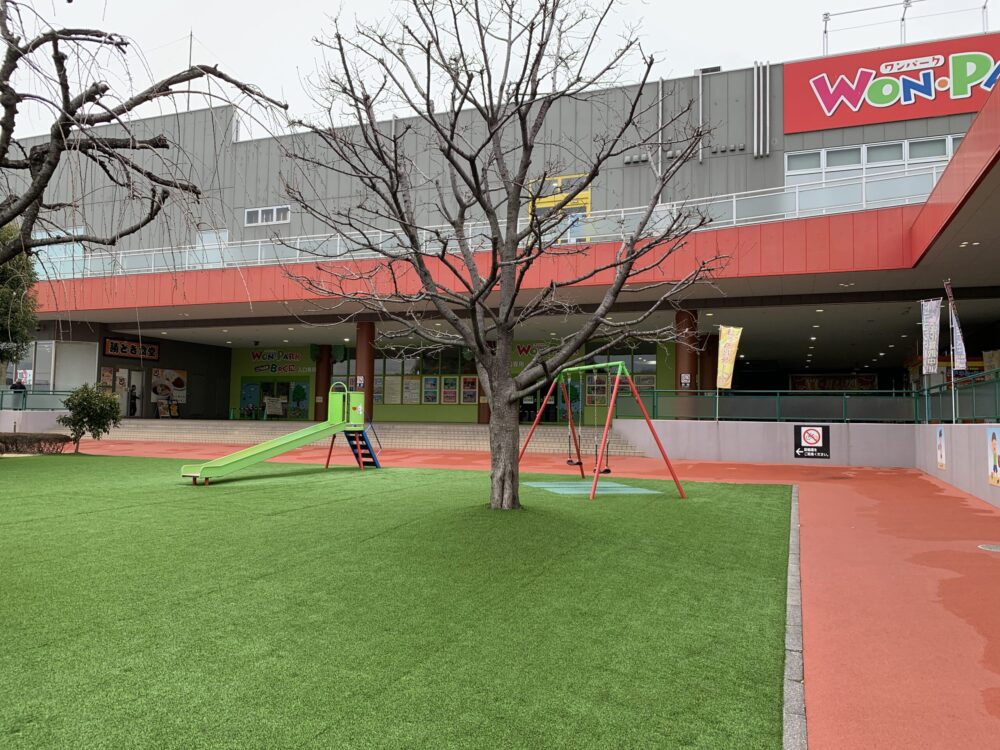
Rainy Saturday mornings across suburban Japan turn commercial indoor plazas into high-stakes proving grounds for parents. At Wan Park Kodomo Hiroba B-no-Kuni, the transition from quiet entry lobby to sensory overdrive takes less than ten paces. Screams of laughter echo off high industrial ceilings as children launch themselves down polyurethane speed slides directly into an expansive sea of pastel plastic balls.
For families coping with wet weather or blistering summer heat waves, indoor edutainment centers provide vital urban relief. Yet navigating large commercial playgrounds requires looking past polished promotional brochures. Real-world visits reveal critical operational nuances: shifting admission pricing structures, strict hygiene regimens, capacity caps, and unspoken rules regarding parental supervision.
📌 Key Takeaways:
- Core Facilities: The facility combines high-energy ball pit and giant slides with isolated toddler soft play zones and tactile sensory stations.
- Peak Bottlenecks: Rainy weekend queues routinely hit 45 to 60 minutes by mid-morning, triggering mandatory entry pauses to maintain indoor fire-code caps.
- Operational Rules: Staff handle equipment maintenance and facility patrol, but primary supervision remains strictly on parents; grip socks and shoe removal are universally enforced.
Navigating the Layout: Ball Pits, Giant Slides, and Toddler Demarcations
Wan Park Kodomo Hiroba B-no-Kuni divides its floor space into clear zones designed to prevent high-speed collisions between older kids and crawling infants. The primary centerpiece features an interconnected climbing structure leading to wide-lane slides that feed into a massive ball pit. Surrounding this central fortress are perimeter zones dedicated to imaginative construction, featuring oversized foam blocks, wooden train tracks, and miniature grocery markets.
Toddler safety depends heavily on spatial containment. B-no-Kuni isolates its 0 to 24-month zone behind a low padded perimeter wall. Inside this protected perimeter, soft foam mats cushion early walkers, while tactile sensory wall boards and low-slung rocking horses replace the steep climbing ramps found in the main hall. Children above age 3 are firmly redirected toward the open gymnastics track and inflatable obstacle courses, keeping the youngest visitors safe from accidental trampling.
High-energy equipment dominates the far perimeter. Inflatable obstacle runs, climbing ropes, and interactive sensory play equipment provide physical exertion for elementary schoolers up to age 8. Digital projection walls respond dynamically to ball throws, mixing physical coordination with gamified visuals that draw steady crowds throughout afternoon sessions.
Pricing Tiers and Discount Passes: What Families Pay in 2026
Admission structures at B-no-Kuni balance short visits against extended stays. Rather than charging flat door prices, the park operates on a tiered system separating hourly entries from open-ended day tickets. Parents accompany their children for a reduced flat fee, but adult tickets do not grant access to the slide structures.
| Pass Type | Child Rate (Age 1, 8) | Accompanying Adult | Optimal Stay Window |
|---|---|---|---|
| Standard 60-Minute Pass | ¥800, ¥1,000 | ¥500, ¥600 | Quick stop, under 90 minutes |
| Weekday 1-Day Free Pass | ¥1,400, ¥1,600 | ¥600 (full day) | Full morning or afternoon |
| Holiday 3-Hour Pass | ¥1,800, ¥2,200 | ¥700 (capped) | Rainy weekends, fixed durations |
| Extension Fee (per 15 min) | ¥200, ¥250 | Free extension | Unexpected overstay buffer |
Discount passes remain accessible via line-item coupon vouchers distributed through LINE mini-apps and regional parenting portals. Frequent local visitors rely on pre-purchased 5-entry punch cards, which effectively shave 15% to 20% off the standard hourly burn rate. Families staying past 100 minutes without a pre-booked Free Pass quickly run into steep extension charges, making the up-front commitment to an unlimited pass economical for anyone planning an extended stay.
Sanitation Protocols and Ball Pit Maintenance Realities
Cleanliness remains the foremost deciding factor for indoor play facility selection. In a venue processing hundreds of children per day, ball pits represent notorious collection points for lint, hair, and dropped snacks. B-no-Kuni handles this through structured sanitation cycles.
Ball pit cleaning utilizes mobile sterilization washing units that vacuum hundreds of plastic spheres hourly through an antimicrobial rinse bath. On the ground level, staff members execute rolling spot-checks with hypochlorous acid wipes on high-touch handrails, foam stairs, and interactive display consoles. Formal facility-wide deep sanitizations occur nightly after customer exits.
Shoe policies are strictly enforced at the turnstiles. Outside shoes go into designated numbered lockers before entry onto the play mats. Children play barefoot to ensure traction on slick vinyl inclines, while adults must wear socks at all times to maintain floor hygiene standards. Disposable socks are sold at the front desk for visitors arriving in bare feet or sandals.
Peak Crowds, Rainy Day Bottlenecks, and Queue Times
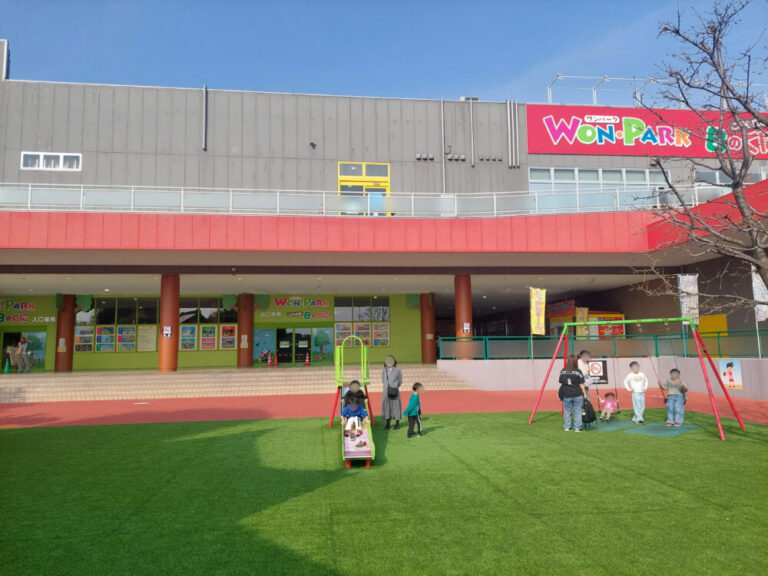
Attendance numbers swing wildly based on regional weather reports. On clear weekdays, the plaza operates at comfortable mid-range capacity, allowing open running room across all sections. The situation reverses abruptly during poor weather conditions.
When weekend forecasts show rain, arrival surges hit between 10:30 AM and 1:30 PM. Entry queues snake outward past the reception desk, and facility managers routinely enforce admission freezes once the floor count hits maximum occupancy thresholds. Wait times for entry can stretch from 30 to 60 minutes, leaving families stuck in outdoor waiting corridors.
Smart timing significantly alters the experience. Arriving at the opening bell at 10:00 AM secures immediate entry and a solid ninety minutes of uncongested access. Alternatively, entering after 3:30 PM avoids the heavy midday family rush, as early visitors clear out for afternoon naps and travel home, leaving the final two hours open and quiet.
Supervision Boundaries: Staff Responsibilities Versus Parent Oversight
Misunderstandings over childcare duties are common at large indoor plazas. B-no-Kuni is not a drop-off daycare service. Facility staff wear high-visibility uniforms, monitor queue lines at high slides, and handle first-aid equipment, but legal and physical custody rests entirely on attending guardians.
Facility ground rules require children under age 6 to remain within direct line of sight of an adult at all times. Staff step in immediately when children run up slides in reverse or carry hard toys into soft tumble areas. However, they do not resolve interpersonal disputes over toy sharing or shepherd wandering toddlers away from busy exit doors. Constant parental vigilance remains a baseline requirement for entry.
Amenities and Infrastructure: Stroller Hubs, Nursing Rooms, and Parent Lounges
Supporting facilities behind the play floor dictate how smoothly a half-day trip runs. Outside the security turnstile, an organized stroller parking zone includes built-in combination cable locks, letting parents park bulkier pushchairs securely without taking up indoor corridor room.
Inside the secure boundary, infrastructure caters to infant care:
Dedicated nursing suites feature individual curtained booths, electric bottle-warming water taps, and commercial diaper changing stations stocked with sanitizing sprays and sanitary waste disposers. Hydration needs are handled by filtered water fountains and low-sugar vending machines, while outside meals remain restricted to a specific family lunch terrace overlooking the play zone.
For resting caregivers, a parent lounge borders the toddler corner. Equipped with low benches, charging outlets, and unobstructed sightlines across the center ring, the lounge lets adults supervise older children while giving fatigued parents a welcome breather.
Frequently Asked Questions (FAQ)
Q1: What are the age restrictions and rules for Wan Park B-no-Kuni?
A1: The park generally serves children from 6 months up to 8 or 9 years old (elementary school grade 3). Children taller than 130 cm may be restricted from specific soft-play inflatables. Adults cannot enter alone, and children must be accompanied by a legal guardian aged 18 or older.
Q2: Can families bring outside food and drinks into the play area?
A2: Outside meals and snacks are prohibited on the main padded play floor. However, hydration bottles and baby formulas are permitted throughout the facility. Personal box lunches and outside snacks can be consumed exclusively within the designated lunch lounge section during designated time windows.
Q3: Are grip socks mandatory for children and adults?
A3: Children typically play barefoot to maximize footing on climbing foam and vinyl structures, though grip-soled socks are permitted. Adults must wear socks across all facility areas for sanitary reasons; barefoot adult entry is prohibited.
Q4: How do the crowd levels compare between weekdays and weekends?
A4: Weekdays rarely see lines, offering open access to all play stations. Rainy weekends and national holidays experience extreme peak volumes, frequently resulting in capacity freezes and entry delays of up to an hour between 11:00 AM and 2:00 PM.
What Lies Ahead for B-no-Kuni Family Visits
Modern indoor playgrounds face constant pressure to balance safety, sensory engagement, and sanity for parents. Wan Park Kodomo Hiroba B-no-Kuni delivers solid value when approached with proper planning. Its layout successfully buffers vulnerable infants from rowdy school-age play, while rigorous equipment sanitization keeps the floor clean and reliable.
Maximizing a trip comes down to timing and expectations. Avoiding the midday rush on wet weekends, securing unlimited day passes during morning windows, and packing essential safety gear transforms a potentially chaotic outing into a smooth, energizing experience for children and parents alike.