Is Kakiya Kodaharu Legit? Unpacking Safety, Sourcing, and Viral Promos
Inside Tokyo’s 39-Yen Raw Oyster Phenomenon: Safety, Sourcing, and the Reality Behind the Hype
A plate of glistening raw oysters resting on crushed ice in Tokyo usually demands a hefty premium. In upscale districts like Ginza or Roppongi, diners regularly shell out ¥800 to ¥1,200 per shell. Yet just blocks away in Shimbashi, the city's legendary white-collar dining district, lines snake out the door for raw shellfish priced at an eye-popping ¥39 per piece. The venue behind this price disruption is Kakiya Kodaharu Shinbashi (かき家 こだはる), an izakaya-style specialist operated by dining conglomerate Globridge restaurant group.
Whenever raw seafood sells for pocket change, skepticism follows. Tourists and local office workers alike routinely ask whether rock-bottom pricing signals compromised hygiene or substandard produce. According to company filings documented in a PR TIMES Report, the venue moves over 50,000 oysters annually, backing its steep discounts with rigorous supply chain logistics rather than corner-cutting.
📌 Key Takeaways:
- The Core Mechanism: Kakiya Kodaharu's headline ¥39 promotion is a loss-leader campaign designed to drive foot traffic, restricted by strict daily table limits and reservation conditions.
- Supply Chain Reality: The kitchen relies on high-volume direct contracts across regional Japanese ports, subjecting every batch to standard raw-consumption bacterial screening.
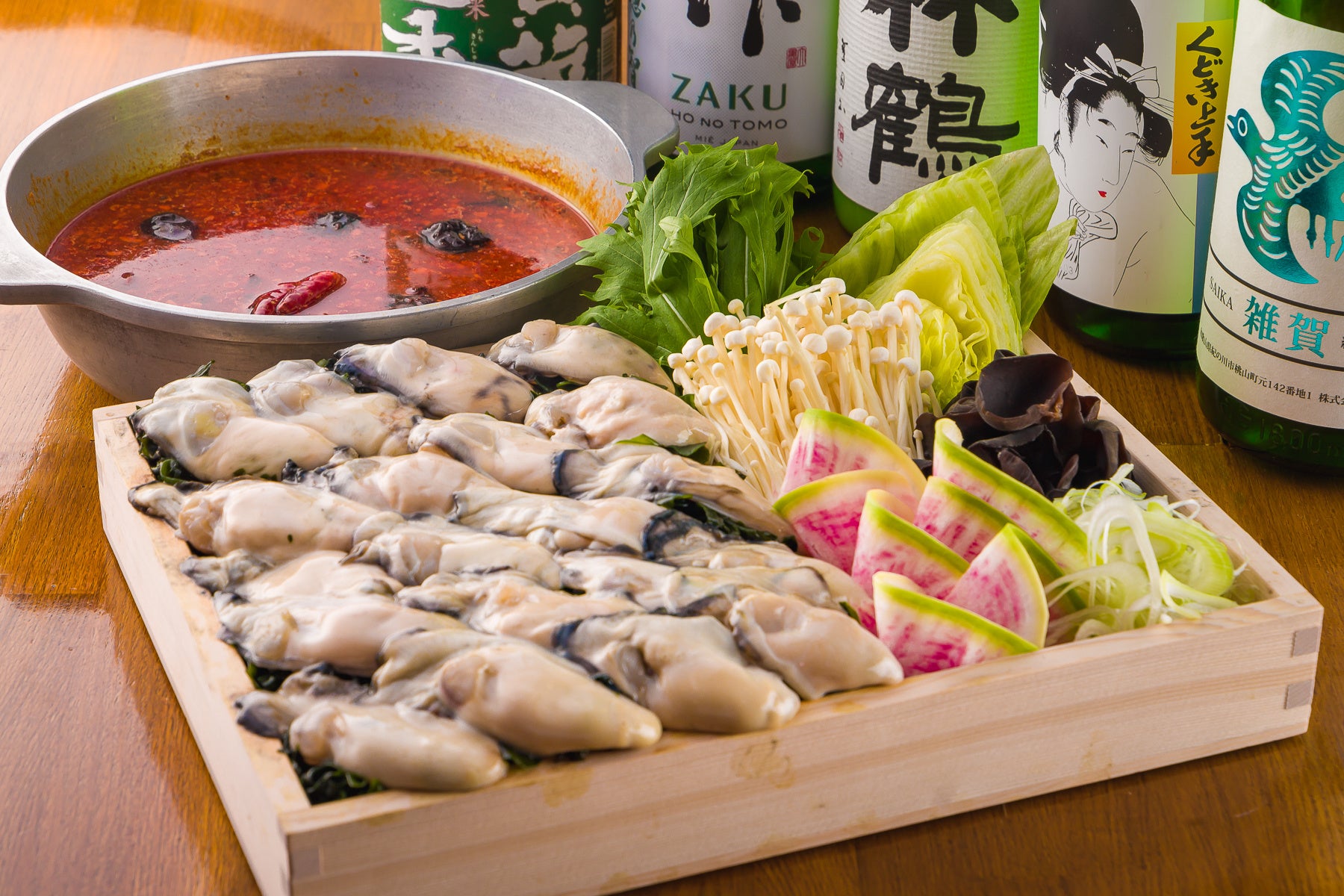
- Beyond the Promo: The core business thrives on premium seasonal items, including seasonal oyster shabu-shabu, Korean-style ganjang marinated raw oysters, and curated Japanese sake pairing flights.
How a Shimbashi Basement Sells Fresh Shellfish Below Market Cost
Running a high-volume fresh raw oyster dining Tokyo venue requires balancing tight cold-chain logistics with unforgiving margins. Kakiya Kodaharu operates in Minato-ku, competing against hundreds of casual drinking dens. To stand out, parent operator Globridge introduced the "Kodaharu Daikanshasai discount" (こだはる大感謝祭), cutting standard menu prices from ¥814 per shell down to ¥39, a 95% discount.
The economic math relies on traditional hospitality loss-leader tactics. The ¥39 price tag grabs headlines on social platforms like Instagram and X, drawing patrons who subsequently order high-margin side items, beer, and artisanal sake. Profitability returns the moment patrons order beverage pairings, seasonal raw tasting platters, or simmered dishes.
Volume also creates leverage. Dispersing 50,000 shells per year allows the brand to secure dedicated supplier allotments directly from fisheries in Sanriku, Hiroshima, and Hokkaido. Bypassing intermediaries lowers acquisition costs across the restaurant's baseline operations, giving the kitchen financial breathing room to stage short promotional bursts without collapsing its food-cost margins.
Fact-Checking Japanese Raw Oyster Safety Standards
Japan enforces some of the strictest commercial shellfish regulations in the world. The Ministry of Health, Labour and Welfare differentiates oysters strictly into two categories: cooking grade (kanetsu-yo) and raw consumption grade (shokuyo-sei or nama-shoku-yo).
Raw-grade oysters cannot simply be pulled from random waters and chilled. Shellfish destined for raw bars must come from certified unpolluted ocean zones. If harvested from waters that do not meet sterile microbial criteria, the oysters must undergo rigorous artificial purification in specialized depuration tanks. These facilities flush the mollusks with ultraviolet-sterilized seawater for 18 to 48 hours, forcing them to purge bacteria, sand, and potential norovirus loads from their digestive systems.
Kakiya Kodaharu sources exclusively from fisheries meeting these specific raw-grade criteria. The restaurant stores shipments in dedicated refrigeration units running at continuous safe holding temperatures between 0°C and 4°C. The kitchen discards cracked shells upon arrival, shucking each piece to order to prevent premature oxidation and surface bacterial growth.
Promotions, Sourcing Shifts, and Menu Development
The restaurant's culinary footprint expands well beyond promotional gimmicks. Tracking its recent seasonal rollout reveals how the brand maintains diner engagement throughout the calendar year:
| Date / Period | Menu Innovation / Promo Event | Key Details & Price Structures |
|---|---|---|
| May 2026 | Spring/Summer Oyster Shabu-Shabu | Sashimi-grade oysters flash-poached in house dashi; served with seasonal dipping broths. |
| July, August 2026 | Kodaharu Daikanshasai (39-Yen Promo) | Standard ¥814 raw oysters reduced to ¥39; capped at 5 parties per day with advance booking. |
| September 2026 | Ganjang Marinated Raw Oysters | Korean raw crab marinade adaptation; ¥1,848 for 3 large pieces, plus optional egg yolk for ¥110. |
This multi-tiered menu demonstrates an intentional pivot. When promotional windows close, diners return for premium signature items like flash-poached shabu-shabu or rich soy-cured platters designed to pair with high-grade sake.

The Fine Print: Promo Rules and Table Restrictions
Walking in off the street expecting unlimited ¥39 raw oysters will lead to immediate disappointment. The restaurant strictly controls inventory during promotional windows to protect operational margins and maintain table turnover.
During the summer gratitude events, availability was restricted to just five parties per day. Guests had to secure reservations weeks in advance through online booking portals or phone lines. Unannounced walk-ins were directed to standard-priced seasonal items.
Minimum spending requirements also apply. Diners utilizing promotional pricing must order drinks and supplementary appetizers, preventing patrons from occupying prime evening seats solely to consume discount shellfish. Understanding these reservation limits and deals helps visitors avoid friction at the reception counter.
Navigating the Menu: From Shabu-Shabu to Sake Flights
Away from viral discounts, Kakiya Kodaharu functions as a capable culinary bar. Diners prioritizing flavor over flash typically focus on two standout categories:
Oyster Shabu-Shabu
The kitchen utilizes sashimi-grade mollusks for its hot pots. Guests submerge plump seasonal oysters into boiling seasoned dashi for just 5 to 8 seconds. This rapid dip contracts the outer mantle while leaving the core creamy and warm. It bridges the gap between raw brininess and cooked texture, making it an approachable alternative for guests hesitant about raw shellfish.
Sake Pairing and Cured Dishes
The izakaya stocks artisanal bottles from across Japan, focusing on crisp, dry (karakuchi) junmai and junmai ginjo styles that cleanse the palate between rich bites. The September release of ganjang marinated raw oysters, submerged in a soy, garlic, and chili infusion inspired by Korean ganjang gejang, specifically targets sake enthusiasts. Topping the rich marinade with an optional ¥110 raw egg yolk adds a velvety sheen that cuts through acidic beverages.
Frequently Asked Questions (FAQ)
Q1: Is it safe to eat raw oysters during hot summer months in Tokyo?
A1: Yes, provided the restaurant uses certified raw-consumption stock. Modern Japanese commercial logistics rely on refrigerated cold chains and strict ocean zone screening, minimizing temperature fluctuations from harvest to plate regardless of the outside weather.
Q2: Can tourists get the ¥39 oyster deal without Japanese fluency?
A2: Yes, but advance planning is mandatory. Promo slots fill rapidly via Japanese booking platforms like Tabelog or direct web portals. Non-Japanese speakers should use browser translation tools to reserve official campaign slots early and read minimum order policies.
Q3: How much should an average diner expect to spend without promotions?
A3: An average dinner featuring a multi-variety raw oyster tasting platter, cooked dishes like shabu-shabu, and two glasses of craft sake generally totals between ¥4,500 and ¥7,000 per person.
Strategic Takeaways for Dining at Kodaharu
Kakiya Kodaharu demonstrates how modern dining chains blend theatrical promotional pricing with disciplined food sourcing. The ¥39 raw oyster is neither a scam nor a safety hazard; it is a calculated marketing device anchored by a commercial kitchen that shucks tens of thousands of certified shells annually.
For international travelers and local diners in Minato-ku, the venue offers reliable freshness at competitive rates. Those who manage to snag a promotional reservation enjoy one of the cheapest raw-bar experiences in East Asia. Those paying standard menu prices still find a dependable showcase of regional Japanese shellfish traditions, well-executed seasonal marinades, and thoughtful sake pairings.