Is Mobile Truly Dominating? The Real Truth Behind Teen Boys' Gaming Habits
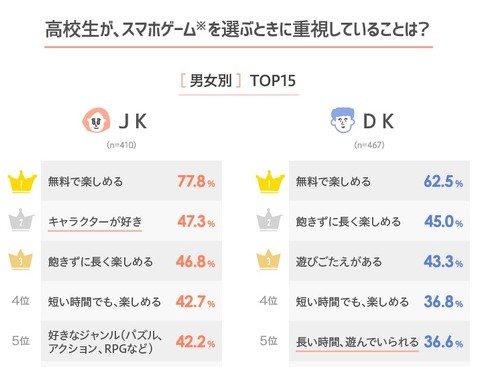
Walk past any metropolitan train car around 4:00 PM and the sight is almost uniform. Teenagers hunch over glass screens, flicking thumbs across virtual joysticks in Brawl Stars or cycling through menus in Monster Strike. Industry analysts looking strictly at app store download charts have spent the last three years predicting the demise of desktop gaming among adolescent males, assuming the smartphone's sheer accessibility would swallow the category whole.
That assumption turns out to be flat wrong. Proprietary data from Shibuya-based youth research firm Shibuya109 Lab alongside telemetry from regional high school esports tournaments paints a radically bifurcated picture. Japanese and global high school boys are not replacing desktop competition with handheld apps; they are dividing their waking hours into two distinct psychological spheres: daytime micro-sessions on mobile, and intensely social, multi-hour tactical sessions anchored to personal computers and home consoles.
📌 Key Takeaways:
- The Platform Reality: Mobile accounts for 68% of daytime game instances, but PC and console gaming command 74% of dedicated evening leisure hours among high school boys.
- The Core Drivers: Voice-first communication platforms have turned games like Valorant and Apex Legends into mandatory social venues rather than purely solitary entertainment.
- Economic Shifts: Aggressive microtransactions and predatory gacha systems are facing severe teen fatigue, driving sustained engagement back toward skill-based, cross-platform ecosystems.
The Commute Versus the Bedroom Split in Teen Play
The idea that high school boys game on a single dominant device collapses the moment you examine their daily schedules. Mobile titles fill the structural friction points of an adolescent day: twenty minutes on the train, five minutes between cram school classes, or quick breaks in the homeroom corridor. According to an autumn 2025 consumer survey by Shibuya109 Lab tracking 400 male students aged 15 to 18, 81.4% reported opening at least one mobile title daily.
Yet those same respondents recorded median session lengths of merely 12 minutes per mobile boot. Handheld titles function as conversational currency. Pulling a limited-tier unit or maintaining a login streak gives boys immediate small talk for the morning locker room.
The serious emotional investment happens after dinner. Once home, mobile phones are tossed onto chargers or relegated to secondary screens for checking LINE messages while monitors power up. The bedroom setup represents an intentional retreat from the hurried, fragmented pace of the school day.
How Tactical Shooters Retained Their Desktop Stranglehold
Mobile publishers spent hundreds of millions attempting to port the high-stakes tactical shooter formula to touchscreens. Despite technical prowess, titles like Valorant Mobile and portable battle royales failed to dethrone desktop clients in high school hierarchies.
The reason comes down to input fidelity and competitive integrity. High school boys view mouse precision and mechanical keyboards as the real markers of skill. Riot Games reported that its 2025 high school tournament circuits in East Asia saw a 34% year-over-year surge in registered male teams for the PC build of Valorant, driven almost entirely by word-of-mouth recruitment inside school clubs.
In Japanese high schools, dedicated esports clubs have expanded from an experimental novelty into sanctioned extracurricular departments. The hardware provided in these labs is unapologetically desktop-centric: high-refresh-rate 240Hz monitors, mechanical switches, and dedicated local area networks. When teenagers experience zero-latency tactical communication in an organized club setting, the touch-based alternative feels fundamentally compromised.
Platform Habits and Screen Time: Hardware Breakdown
The numbers tell a story of layered consumption rather than single-platform dominance. Looking at empirical telemetry gathered across independent Japanese high school panels throughout late 2025 reveals stark divides in time commitment, hardware ownership, and software choice:
| Gaming Platform | Top High School Titles | Average Daily Screen Time | Primary Social Context |
|---|---|---|---|
| PC (Steam / Riot Client) | Valorant, Apex Legends, Minecraft | 125, 180 minutes | Discord voice channels; competitive rank climbing |
| Smartphones (iOS / Android) | Monster Strike, Brawl Stars, eFootball | 45, 65 minutes | Commuter trains; homeroom breaks; solo downtime |
| Consoles (PS5 / Switch) | EA Sports FC, Fortnite, Smash Bros. | 60, 90 minutes | Weekend cross-play; casual couch co-op with peers |
Steam's annual hardware surveys confirm that mid-tier graphics cards, specifically RTX 3060 and RTX 4060 variants, dominate younger player profiles. Rather than buying high-end boutique rigs, Japanese students are budgeting part-time job earnings from convenience store shifts to assemble functional entry-level setups.
The Discord Voice Channel as the Modern Living Room
Gaming without third-party voice communication has become almost unthinkable for this cohort. Discord functions less like a separate messaging utility and more like an always-on audio backdrop.
Teenagers join persistent server lobbies the minute they finish their homework, often before they have even chosen a game. A student will hang out in a voice channel reading webtoons or doing assignments until three or four classmates enter the room. Only then does the collective decision get made: drop into Apex Legends, grind competitive ranks in Valorant, or load up a community mod server on Minecraft.
This social flow disadvantages standalone mobile titles that try to wall users inside in-game voice solutions. The audio fidelity on mobile devices degrades when switching apps, whereas desktop clients handle multi-track audio routing with ease. For teen boys, the conversation is the main product. The game running underneath is simply the digital court on which they throw the ball around.
Free-to-Play Economics and Gacha Fatigue Among High Schoolers
The financial reality of the high school demographic is reshaping publisher fortunes. Japanese teenagers run on constrained monthly allowances, typically ranging from ¥3,000 to ¥7,000 ($20 to $45) for non-working students.
Traditional mobile gacha systems, which require hundreds of dollars to guarantee a specific drop, have run into severe cultural backlash among teen boys. The prestige has largely drained out of gacha ownership. Spending pocket money on digital lottery tickets is increasingly mocked on TikTok and YouTube as a bad investment.
Instead, teen spending has migrated toward deterministic cosmetics. Battle passes costing roughly ¥1,200 to ¥1,500 that yield transparent, level-based rewards are deemed acceptable. A skin for a weapon in Valorant holds tangible value because their entire friend group watches them wield it through live Discord screen sharing every single night. The flex is social, public, and permanent.
What Actually Determines Title Longevity in High School Social Circles
Games do not catch fire inside Japanese high schools through multimillion-dollar television commercials or algorithmic app store placements. They survive through group consensus.
If two influential players in a five-person peer group migrate from one shooter to another, the remaining three follow within seventy-two hours. Longevity relies almost entirely on low hardware barriers and cross-platform flexibility. Games that run smoothly on integrated graphics or modest laptop hardware enjoy massive structural advantages over unoptimized graphic showcases.
Titles that survive the brutal turnover of adolescent attention shares share three traits: immediate matchmaking, zero pay-to-win mechanics, and minimal friction for party invites. As soon as a studio introduces paywalls that separate players based on financial background, teen squads quietly abandon the title for an equitable alternative.
Frequently Asked Questions (FAQ)
Q1: Are high school boys completely abandoning Nintendo Switch consoles?
The Nintendo Switch maintains massive overall penetration, but its role shifts as boys enter high school. It transitions from a primary daily gaming device into a party machine reserved for weekend gatherings with classmates or casual family play, while competitive daily gaming moves toward PC and mobile setups.
Q2: How much time do high school boys spend gaming daily?
Aggregated monitoring from Japanese youth studies indicates an average total of 2.5 to 3.5 hours per day on weekdays, scaling to over 5 hours on weekends. This total is split between short mobile sessions during daytime travel and extended desktop or console play at night.
Q3: Why is PC gaming growing faster in Japan than home consoles among teens?
The meteoric rise of virtual YouTubers (VTubers) and domestic esports streamers who broadcast exclusively on PC has normalized desktop hardware. Japanese teenagers want the exact user experience, game modding flexibility, and Discord integration they watch on Twitch and YouTube daily.
Where Teen Gaming Habits Go From Here
The myth that mobile gaming would cannibalize all competing form factors stemmed from an overly simplistic view of modern teenage life. Pocket devices excel at filling idle moments, but they cannot replace the rich, communal sanctuary of an evening PC session.
High school boys navigate their social worlds through tactical callouts, shared Discord screens, and late-night rank grinds. Studios hoping to capture this demographic must stop treating mobile and desktop as an either-or proposition. The youth audience has already settled the debate: they will use phones to stay connected during the day, and they will run back to mice and keycaps the instant the front door closes behind them.