Is Oku Dogo Ichiyu no Mori Worth the High Price Tag? Fact-Checking the Renovation
Deep in the forested ravine of Matsuyama, Ehime, a quiet transformation has upended one of Shikoku's historic hot spring institutions. Long known to regional domestic travelers as an expansive mid-scale retreat, Oku Dogo Ichiyu no Mori made national business headlines after launching an elite private lodging tier priced north of ¥200,000 ($1,350 USD) per night. The resort converted a standalone ryotei, a traditional VIP banquet hall historically reserved for discrete corporate gatherings, into an autonomous luxury villa complete with its own private open-air bath (rotenburo).
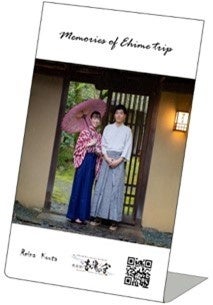
This aggressive pivot toward ultra-high-net-worth travelers also brought strategic corporate alliances, including a bespoke cinematic keepsake program designed with hospitality agency Ivresse and production house Piety, documented in a PR TIMES Report. With plans underway to construct an on-site helipad to bypass standard regional transit routes, the resort is betting everything on international luxury capital. Whether a property built on 1970s bus-tour infrastructure can deliver a six-figure yen experience warrants a hard look at the physical upgrades, operational realities, and overall value proposition.
📌 Key Takeaways:
- The Pivot: Oku Dogo Ichiyu no Mori converted an exclusive heritage ryotei building into an ultra-luxury suite exceeding ¥200,000 per night, targeting global inbound travelers.
- Infrastructure Upgrades: Renovations feature private source-fed rotenburo baths, bespoke Kaiseki service, and active planning for an on-site helipad to connect directly with Kansai and Tokyo private charters.
- The Reality Check: While the private villa offers absolute seclusion, travelers expecting seamless resort-wide five-star polish may find stark contrasts with the older, high-capacity main hotel wings.
From Mass Tour Buses to Ultra-Wealthy Seclusion
For decades, Oku Dogo operated on volume. Positioned roughly ten minutes inland from the historic, crowded streets of central Dogo Onsen, the property capitalized on its raw geological advantage: access to massive volumes of natural, sulfur-rich hot spring water flowing directly from the mountain source. In its mid-twentieth-century heyday, tour buses ferried hundreds of domestic visitors daily into cavernous dining halls and sprawling communal bathhouses.
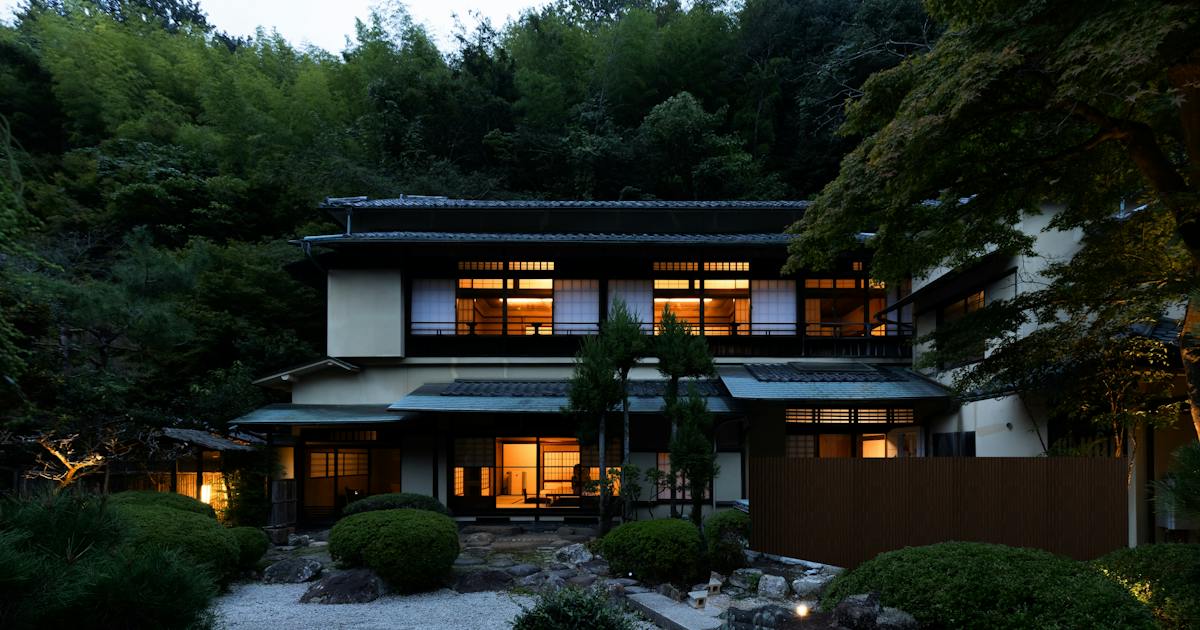
That era is over. As reported by the Nihon Keizai Shimbun, the resort's management recognized that surviving Japan's demographic decline meant courting international travelers seeking radical privacy. Instead of razing the massive main complex, leadership isolated prime architectural assets along the river gorge. The crown jewel was the property's detached ryotei. Formerly used for political dinners and closed-door corporate entertaining, the building possessed prime river frontage, mature cedar framing, and absolute acoustic separation from the main wings. The multi-million yen reconstruction stripped away corporate banquet tatami in favor of open architectural suites tailored for multi-day private stays.
Dissecting the ¥200,000 Ryotei Transformation
Charging luxury urban rates in rural Ehime requires more than fresh coats of lacquer. The standalone suite's core selling point is its dedicated private open-air bath (rotenburo), which bypasses the recirculated plumbing common in large resort wings. Guests soak in kakenagashi (continuous free-flowing) mineral water overlooking the deep Ishite River valley, surrounded by untouched seasonal foliage.
The interior architecture balances minimalist timber lines with heritage woodwork preserved from the original Showa-era structure. In-suite dining eliminates the communal buffet lines that define the standard guest experience. Instead, a dedicated chef prepares multi-course Kaiseki menus highlighting regional Seto Inland Sea sea bream (*tai*), local citrus varieties, and premium Ehime beef directly inside the villa's private staging kitchen. Service operates on a discreet, single-butler model designed to ensure that wealthy guests rarely interact with the broader hotel ecosystem.
Comparing Tiers: Standard Stays Versus the Premier Renovation
The operational gap between the standard resort rooms and the renovated ryotei villa is vast. Prospective travelers need to understand what each tier actually delivers before committing their travel budget.
| Feature | Standard Main Wing | Chartered Bath Plan | Renovated Ryotei Suite |
|---|---|---|---|
| Price Range (Per Night) | ¥18,000, ¥35,000 | ¥38,000, ¥65,000 | ¥200,000+ |
| Spring Water Style | Large communal bathhouse | Reserved 45-minute rental | Continuous in-room kakenagashi |
| Dining Experience | Central buffet dining hall | Semi-private restaurant table | Dedicated in-suite private chef |
| Acoustic Isolation | Standard hotel corridor noise | Moderate hotel corridor noise | Total standalone building isolation |
| Target Demographic | Domestic family & tour groups | Couples & weekend escapists | Inbound high-net-worth VIPs |
The Logistics of Helipads and Direct Access in Shikoku
Reaching Matsuyama remains a friction point for ultra-wealthy visitors. While commercial flights land at Matsuyama Airport (MYJ) from Tokyo Haneda and Seoul Incheon, transferring through public terminals and navigating mountain switchbacks clashes with the private jet ecosystem. As part of its luxury roadmap, management initiated planning for an on-site helipad directly adjacent to the resort grounds.
The strategic intent is straightforward: direct point-to-point transfers from Kansai International Airport (KIX), Hiroshima, or private yacht moorings in the Seto Inland Sea. A helicopter hop from Hiroshima takes under twenty minutes, turning an arduous three-hour ferry and car journey into a scenic aerial transfer over island straits. For travelers paying thousands of dollars per evening, compressed travel time often matters more than the room rate itself.
Cinematic Keepsakes: Testing the 'Tsumugu' Initiative
High-end hospitality in rural Japan frequently struggles with storytelling. To stand out among Dogo Onsen's competitive luxury lodgings, Oku Dogo Ichiyu no Mori partnered with hospitality consultancy Ivresse and creative agency Piety to launch **"紡-TSUMUGU-"**. Rather than handing guests generic commemorative gifts, the service provides an on-location film crew to produce bespoke documentary video letters commemorating milestone anniversaries, honeymoons, or multi-generational family journeys.
Production teams handle subtle filming throughout the stay, capturing candid moments against the misty mountain backdrop and historical architecture. The resulting cinematic short film is delivered digitally post-checkout. For foreign visitors seeking culturally grounded milestone experiences rather than pure material consumption, this personal archival service adds tangible emotional value to a hefty hotel bill.
Who Gets Their Money's Worth at Ichiyu no Mori
The ¥200,000 suite is not a universal recommendation. Understanding your travel profile avoids costly disappointment.
Who Should Book the Luxury Suite:
- Travelers demanding total visual and acoustic seclusion without crowds.
- Onsen purists who require unadulterated, continuous source water in absolute privacy.
- Couples celebrating monumental milestones who value personalized experiences like the Tsumugu film collaboration.
Who Should Look Elsewhere:
- Urban luxury purists expecting flawless glass-and-marble modernism. The property is an evolved historical site, and older public corridors still show architectural wear.
- Travelers wanting immediate pedestrian access to the vibrant shopping arcades and historic bathhouses of downtown Dogo Onsen. Ichiyu no Mori is located in a quiet mountain valley, requiring dedicated vehicle transfers.
- Value-focused visitors who can achieve 85% of the same hot spring benefit simply by booking the resort's standard rooms alongside a chartered private bath rental.
Frequently Asked Questions (FAQ)
Q1: How far is Oku Dogo Ichiyu no Mori from the famous Dogo Onsen Honkan?
A1: The resort sits roughly 4 kilometers (about a 10-minute drive) northeast of central Dogo Onsen. Shuttles and local taxis run regularly, but the setting is deeply rural and mountainous compared to the bustling downtown arcade.
Q2: Does the ¥200,000 price tag cover multiple guests?
A2: The flagship ryotei suite pricing is calculated on a per-room, double-occupancy basis with luxury seasonal Kaiseki dinner and breakfast included. Extra guest surcharges apply depending on party size.
Q3: Can regular guests use the renovated ryotei facilities?
A3: No. The renovated ryotei building operates as a closed private compound. Standard hotel guests use the main wings, the central buffet, and the public or rented chartered bathhouses.
Strategic Takeaways for Regional Japanese Luxury in 2026
Oku Dogo Ichiyu no Mori exemplifies the high-stakes balancing act across regional Japan. Historic resort complexes built for twentieth-century mass tourism cannot survive on domestic group packages alone. By cordoning off their finest architectural footprint, piping in pristine thermal spring water, and building custom high-touch services, they offer a viable blueprint for rural hospitality regeneration.
The steep ¥200,000 rate will deter budget-conscious travelers, but for high-end international visitors exploring Shikoku, it secures unmatched seclusion in a dramatic mountain ravine. As long as guests understand they are booking an exclusive sanctuary inside a larger legacy property, the experience delivers on its promise of restorative luxury.