Juso Nightlife Revival: How New Wave Tachinomi Are Transforming Osaka Alleyways
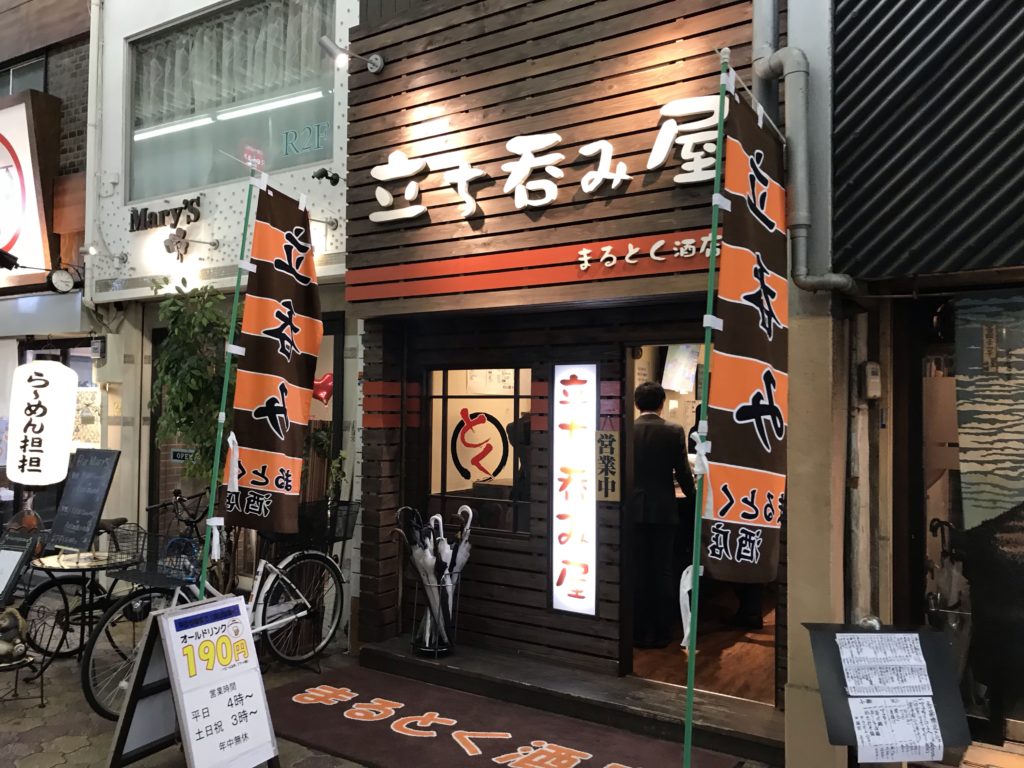
Step through the western turnstiles of Hankyu Juso Station around seven in the evening, and the sensory crush hits immediately. Dense clouds of vaporized lard billow from open-front fryers, mingling with sweet simmered dashi, cigarette haze, and the rhythmic clinking of heavy glass mugs. Commuters spill straight into the narrow corridors of Shoben Yokocho, packing elbow-to-elbow along weathered wooden counters. In corner joints, overhead tube monitors flicker with late-night sports broadcasts and overseas highlights cataloged in an [MLB.com Report](https://news.google.com/rss/articles/CBMiaEFVX3lxTE1Sc082cl85bU9GcC11OWxJQTVmMHlIT1BXY3NCekRSYnJhd0Uyb1FXVm5PN21rVWVDYkJLeEVURUhlY2JxOEpRTmtHTWM3QVc2X0ZmSkRXemdtR0cxaWg1d2p5eVEwWENQ?oc=5), offering background noise as locals trade neighborhood gossip over chilled shochu highballs.
For decades, this Yodogawa ward enclave stood as an unvarnished relic of Osaka's working-class past, notorious for gritty cabaret clubs and rock-bottom drink deals. That identity is shifting fast. A surge of younger independent operators has moved into vacant alley stalls, introducing artisanal fermentation, natural wines, and modernized kushikatsu and small plates without diluting the raw edge of the original district. Historic Showa-era drinking dens now sit directly beside neon-lit micro-bars, sparking a full-scale renaissance in Osaka tachinomi culture.
📌 Key Takeaways:
- The Shift: New-wave craft beer tachinomi and natural wine stands now operate alongside legacy Showa izakaya, transforming Juso into a destination for diverse age groups.
- The Economics: The classic senbero concept (getting tipsy for ¥1,000) faces margin pressure from commodity costs, pushing average ticket sizes to ¥1,400, ¥2,200 while maintaining unmatched value.
- The Survival Blueprint: Strict neighborhood codes, compact three-meter bar counters, and cash-on-delivery trays preserve the gritty intimacy of traditional Osaka backstreet dining.
The Post-Fire Reconstruction of Shoben Yokocho
To understand the modern bar scene in Juso, one must look at the tragedy that nearly erased it. In March 2014, a devastating fire tore through Shoben Yokocho, razing 39 businesses across a dense block along the Hankyu rail tracks. Longtime regulars feared the fire marked the end of Juso’s post-war drinking culture. Developers eyed the charred land for standard commuter high-rises.
Instead, displaced barkeeps organized. They fought municipal zoning hurdles, rebuilt on the exact footprints of their former shops, and preserved the claustrophobic alleys that define Hankyu Juso Station nightlife. The rebuilt strip retained its low awnings, sliding wood doors, and unpolished concrete floors. By the time reconstruction stabilized between 2019 and 2022, a generational handover took root. Older master operators leased underutilized counter spaces to apprentices and outside chefs eager to bypass the astronomical rents of Umeda and Namba.
These newcomers did not tear down the past. They leaned into it. The surviving Showa-era bones provide an architectural authenticity that money cannot manufacture. Today, peeling plastic beer banners hang three feet away from brushed steel tap handles dispensing seasonal farmhouse ales from Minoh and Kyoto.
Modern Microbreweries Meet Vintage Senbero Counters
Traditional tachinomi built their reputations on functional speed. A patron walks in, slaps down a battered coin dish, takes a draft Asahi Super Dry or a generic sweet chuhai, swallows two skewers of deep-fried beef tendons, and vacates the floor within 18 minutes. New-wave establishments retain that brisk cadence while completely overhauling the menu.
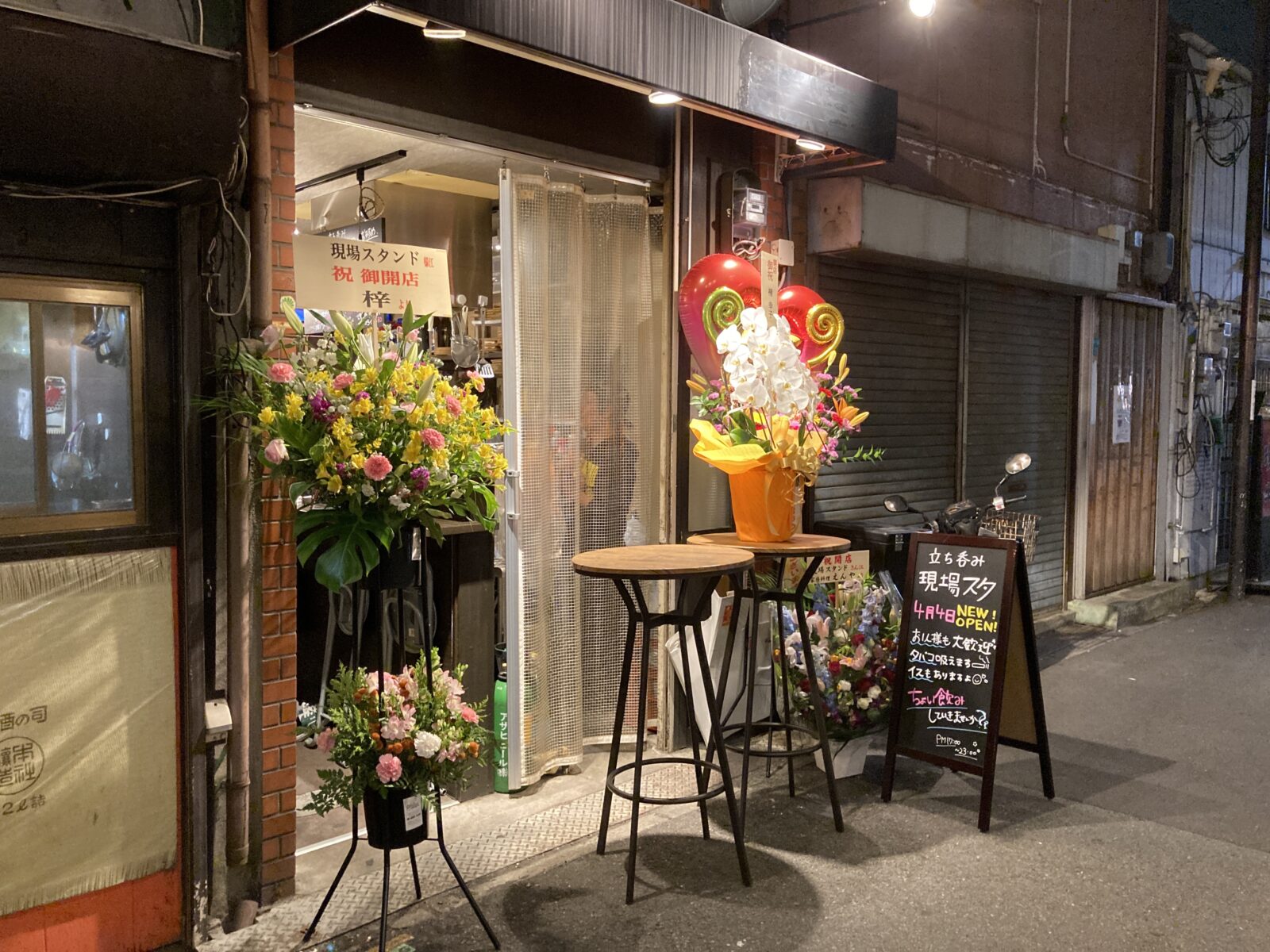
Walk three minutes north of the station, and spots like Stand Kiyoshi and Tachinomi Hachiro demonstrate this transition. Chalkboards list cold-smoked mackerel with pickled mustard seeds, duck breast simmered in sansho peppercorns, and seasonal wild vegetable tempura priced at ¥380 to ¥550 per dish. Beverage programs showcase craft gin tonics infused with local botanicals and unpasteurized sake sourced directly from small kura across Hyogo and Shiga prefectures.
This culinary elevation attracts demographics previously absent from Juso's backstreets. Solo female diners, young design workers commuting home from central Osaka, and international food travelers now claim counter space next to retired factory tradesmen who have occupied the same corner stool since 1983.
Comparing Juso's Drinking Formats: Historic vs. Contemporary
Understanding where to stand requires knowing what each counter offers. Juso hosts three distinct standing categories, each operating under its own pricing logic and unwritten social contract.
| Operating Metric | Showa Senbero Den | New-Wave Craft Tachinomi | Specialty Skewer Stall |
|---|---|---|---|
| Average Spend (Per Person) | ¥1,000, ¥1,400 ($7, $10) | ¥2,200, ¥3,500 ($15, $24) | ¥1,500, ¥2,000 ($10, $14) |
| Average Dwell Time | 20, 35 minutes | 45, 75 minutes | 30, 45 minutes |
| Primary Pour | Draft lager, shochu highballs | Domestic craft IPAs, natural wine | Kirin/Asahi large bottles (daibin) |
| Signature Plate | Doteyaki (beef sinew in miso) | Cured seafood crudo, spiced pate | Kushikatsu (lotus root, quail egg) |
| Payment Standard | Cash on delivery (kashan) | Contactless IC card / PayCode | Cash at checkout tab |
The Economics of the Thousand-Yen Buzz
The term senbero, a contraction of sen-en (one thousand yen) and berobero (slurred intoxication), long anchored the social utility of Juso. For decades, a blue-collar worker could hand over a single ¥1,000 bill and receive a 500ml draft beer and two substantial side plates.
Macroeconomic realities have challenged that model. Global spikes in cooking oil, grain imports, and domestic utility bills have forced kitchen owners to adjust. A standard basket of kushikatsu that sold for ¥300 in 2021 routinely commands ¥450 to ¥520 today. Cooking oil prices alone jumped roughly 38% across the Kansai supply chain over the preceding three seasons.
Yet Juso avoids the hostile price shocks visible in central tourist traps. Rather than eliminating value options, tavern masters practice micro-portioning or introduce rotating daily specials based on off-cut meats and wholesale morning surplus from Osaka Central Fish Market. The modern Juso experience is rarely a literal ¥1,000 tab anymore, but at ¥1,800 for two craft pours and three expertly seasoned small plates, it remains one of the most cost-efficient drinking ecosystems in urban Japan.
Backstreet Etiquette and Standing-Room Culture
Tachinomi bars run on mutual physical consideration. With interior clearances rarely exceeding eight feet across, spatial awareness matters as much as cash.
Seasoned bar hoppers live by three unwritten rules:
First, minimize personal baggage. Squeezing into a twelve-person bar while wearing an oversized hiking backpack or hauling heavy roller bags guarantees frustrated glares. Keep bags small or drop them into rail station lockers outside the west ticket gate.
Second, master the half-turn stand. When a newcomer slips into a packed row, existing patrons swivel their torsos 45 degrees toward the bar counter, turning shoulder-to-shoulder rather than chest-to-counter. This stance creates immediate room for another glass.
Third, keep tabs moving. Tachinomi counters are platforms for transition, not long-haul encampments. Ordering a single ¥390 highball and camping over your smartphone for an hour breaches basic counter etiquette. Two drinks, two dishes, thirty minutes, then step outside to let the next commuter have the rail.
Frequently Asked Questions (FAQ)
Q1: Are foreign visitors welcome in the older Showa-era standing bars?
A1: Yes, though English menus remain scarce in traditional spots. Having translation apps ready, carrying cash, and maintaining courteous counter posture ensures a warm reception from owners and regulars alike.
Q2: What is the best time of evening to start bar hopping around Juso?
A2: Between 5:30 PM and 6:30 PM. You beat the peak post-work rush of salarymen leaving central Osaka offices, securing a prime standing spot before popular daily food specials sell out.
Q3: How many bars should someone plan to visit during an evening out?
A3: Three to four establishments make for an ideal circuit. Spending 30 to 45 minutes at each bar gives you a diverse tour across historic kushikatsu stalls, craft beer outposts, and casual sake bars without overspending.
The Next Chapter for Yodogawa's Counter Scene
Juso is not losing its soul to sterile commercial redesigns. The district’s stubborn layout protects it: the train tracks hem in the alleyways, building footprints remain pocket-sized, and long-standing tenants fiercely resist corporate buyout ventures. The new wave of younger operators did not arrive to sanitize Shoben Yokocho, but to stake their claim within its rich lineage.
As northern Osaka undergoes massive transit expansions connecting direct lines to Kansai International Airport, Juso will face intensified external pressure. Yet as long as workers crowd beneath the glowing station awnings at dusk, resting their elbows on beer-stained linoleum to split a plate of fried skewers, the district’s tachinomi culture will remain the undisputed heartbeat of backstreet Osaka.