Kamaboko Bento Art Secrets: How Quick Slices Transform Lunchboxes Instantly
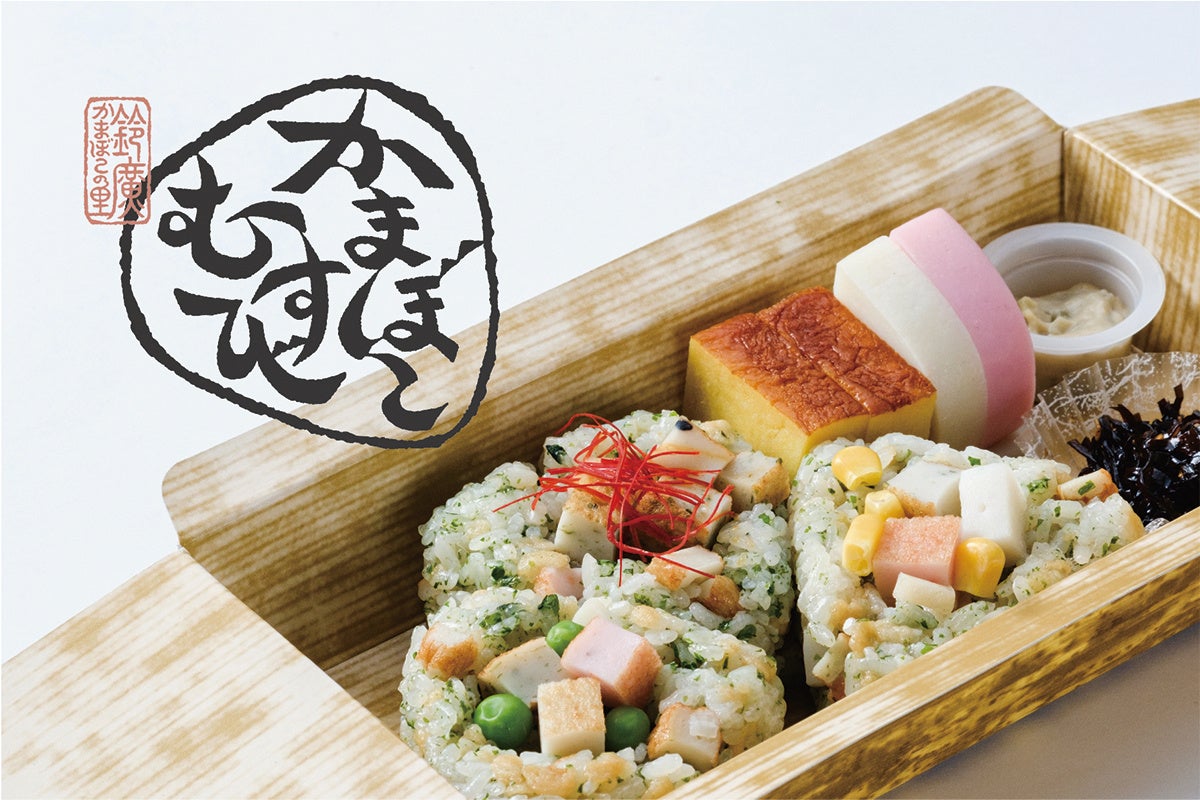
A single half-moon slab of steamed surimi rests on a wooden prep board. Two brisk diagonal cuts divide the pink-skinned crust, a fingertip tucks the freed ribbon through a central slit, and an ordinary Japanese fish cake becomes a sculpted braid. Across Japan, morning lunchbox packing operates on strict timetables, yet this brief sleight of hand remains ubiquitous. As detailed in a [PR TIMES Report](https://prtimes.jp/main/html/rd/p/000000017.000135819.html), heritage purveyors like Odawara-based Suzuhiro Kamaboko, who launched their dedicated "Kamaboko Musubi" bento showcasing house-made fish cakes, continue to prove that decorative cutting bridges functional dining and visual craftsmanship.
What originated in celebratory New Year osechi ryori banquets has crossed firmly into everyday morning routines. The art of kazari giri (decorative food carving) requires neither specialized culinary diplomas nor excessive prep time. With a basic pairing knife, home cooks transform dense, moisture-rich fish paste into rabbits, rosettes, braided ribbons, and seasonal zodiac charms in under thirty seconds.
📌 Key Takeaways:
- The Essential Craft: Traditional kazari giri turns standard red-and-white (kouhaku) kamaboko into high-contrast garnishes using straightforward incision-and-tuck movements.
- Viral Modernization: Social platforms have shifted the practice from formal ceremonial banquet spreads to time-saving weekday hacks, including cheese-stuffed iterations trending across TikTok in 2026.
- Functional Design: Beyond aesthetics, folded fish cakes serve as practical partitions that stabilize loose items and provide balanced protein inside compact bento compartments.
From Heian Banquets to Morning Commuter Boxes
Kamaboko dates back over eight centuries, with its first recorded mention appearing in Heian-period scrolls around 1115. Early iterations consisted of minced freshwater catfish wrapped around bamboo reeds, roasted over coals to resemble cattail spikes. The transition to the modern semicircular steamed block mounted on a cedar board occurred during the Edo period. This dense, springy architecture opened new possibilities for precision knife work.
The culinary custom of red and white pairing, known as kouhaku, holds deep cultural weight in Japan. Red signals celebration and protection against misfortune; white represents cleanliness and sacred beginnings. In formal osechi ryori, kamaboko slices were carved into rising suns, pine crests, and tortoises to invite good fortune. When mid-century commuter culture popularized mass-produced bento boxes, these identical ceremonial cuts moved directly into everyday aluminum and plastic lunch tins. The firm elasticity produced by salt-soluble fish proteins, typically Alaska pollock or white croaker, gives kamaboko a rubbery, pliable structural integrity that vegetables cannot match. It bends without snapping and retains sharp incisions for hours inside an insulated lunch tote.
The Core Kazari Giri Cuts Every Bento Cook Relies On
Mastering decorative fish cake garnishes does not demand professional French fluting or intricate Thai fruit carving tools. The elasticity of steamed surimi absorbs tension, allowing cooks to twist strips through internal slits without tearing the material.
The entry point for most parents making kyaraben (character lunchboxes) is the classic kamaboko rabbit slice (usagi). The cook shears off a 1-centimeter slice of pink-and-white kamaboko, then carefully peels the colored top skin back from one edge, stopping about two-thirds of the way down. Slicing that peeled pink strip down the middle creates two slender ears. Curling the strips inward under tension wedges the tips into the base, forming an upright silhouette. Two tiny punctures with a toothpick, accented with black sesame seeds, complete the eyes.
For adult lunchboxes requiring a cleaner geometric appearance, the braided ribbon (tazuna) offers a balanced layout. The artisan shaves the pink outer layer halfway, cuts a vertical slit straight through the center of the flap, and threads the loose end up through the aperture. The resulting twist resembles traditional samurai saddle cords. Variations include the peacock (kujaku), which uses repeated vertical slits fanned out along the curve, and the layered rose, assembled by coiling ultra-thin 2-millimeter slices into concentric rosettes that wedge securely into tight bento corners.
Technique Breakdown: Prep Time, Skill Ceiling, and Functional Utility
Choosing the correct cut depends on morning schedules, container dimensions, and whether the slice serves as a centerpiece or an edible spacer. The following breakdown outlines the execution metrics for core styles practiced by domestic home cooks and professional bento artisans alike.
| Cut Style | Active Prep Time | Knife Complexity | Bento Box Role |
|---|---|---|---|
| Rabbit (Usagi) | 15, 25 seconds | Low (Single peel, split, and tuck) | Playful focal point; popular in kids' kyaraben |
| Braided Cord (Tazuna) | 20, 30 seconds | Moderate (Center-slit thread technique) | Sophisticated edge divider alongside pickled vegetables |
| Peacock Fan (Kujaku) | 45, 60 seconds | Advanced (Uniform serial micro-cuts) | Broad visual spread to fill flat, empty space |
| Chequered Board (Ichimatsu) | 30, 45 seconds | Moderate (Alternating ribbon cuts) | Flat bedding decor over steamed rice |
| Rosette (Hana) | 40, 50 seconds | Low, Moderate (Thin-slicing and spiral roll) | Compact filler to prevent side dishes from shifting |
Social Feeds and the TikTok Zubora Shift
While historic manuals describe carving as a formal discipline, online video channels have democratized the practice. On platforms like TikTok and Instagram Reels, a counter-movement labeled zubora (practical, shortcut-oriented cooking) has flourished. Rather than spending fifteen minutes carving delicate radishes, everyday meal preparers focus on rapid knife tricks that deliver maximum color contrast with almost no waste.
In early January 2026, home cook creator @maro_daily_ gained viral traction across domestic lifestyle feeds by showing how surplus holiday fish cakes could anchor a low-stress weekday bento. The creator slit slabs of dense surimi down their centers, stuffed them with sticks of melting processed cheese, seared them golden-brown in a dry skillet, and added two quick diagonal cuts to reveal molten white-and-gold cross-sections. The short video logged over 1,400 shares within its initial posting window, prompting thousands of copycat posts tagged under quick bento fillers.
This pragmatic shift highlights kamaboko's real appeal in the domestic kitchen: structural resilience. Unlike raw cucumbers or fragile leafy garnishes, cured fish cakes do not weep water into neighboring rice grains. They can be sliced while half-awake at 6:30 AM, packed at ambient temperature, and still hold their form perfectly until lunchtime.
Artisan Innovation and the Suzuhiro Influence
Even as domestic cooks lean into modern kitchen shortcuts, traditional manufacturers continue pushing the boundaries of surimi sculpture. Headquartered in Odawara, Kanagawa Prefecture, Suzuhiro Kamaboko remains a central culinary authority. Founded in 1865, the company employs certified in-house experts known as "kamaboko sommeliers" who regularly publish seasonal carving blueprints for home cooks.
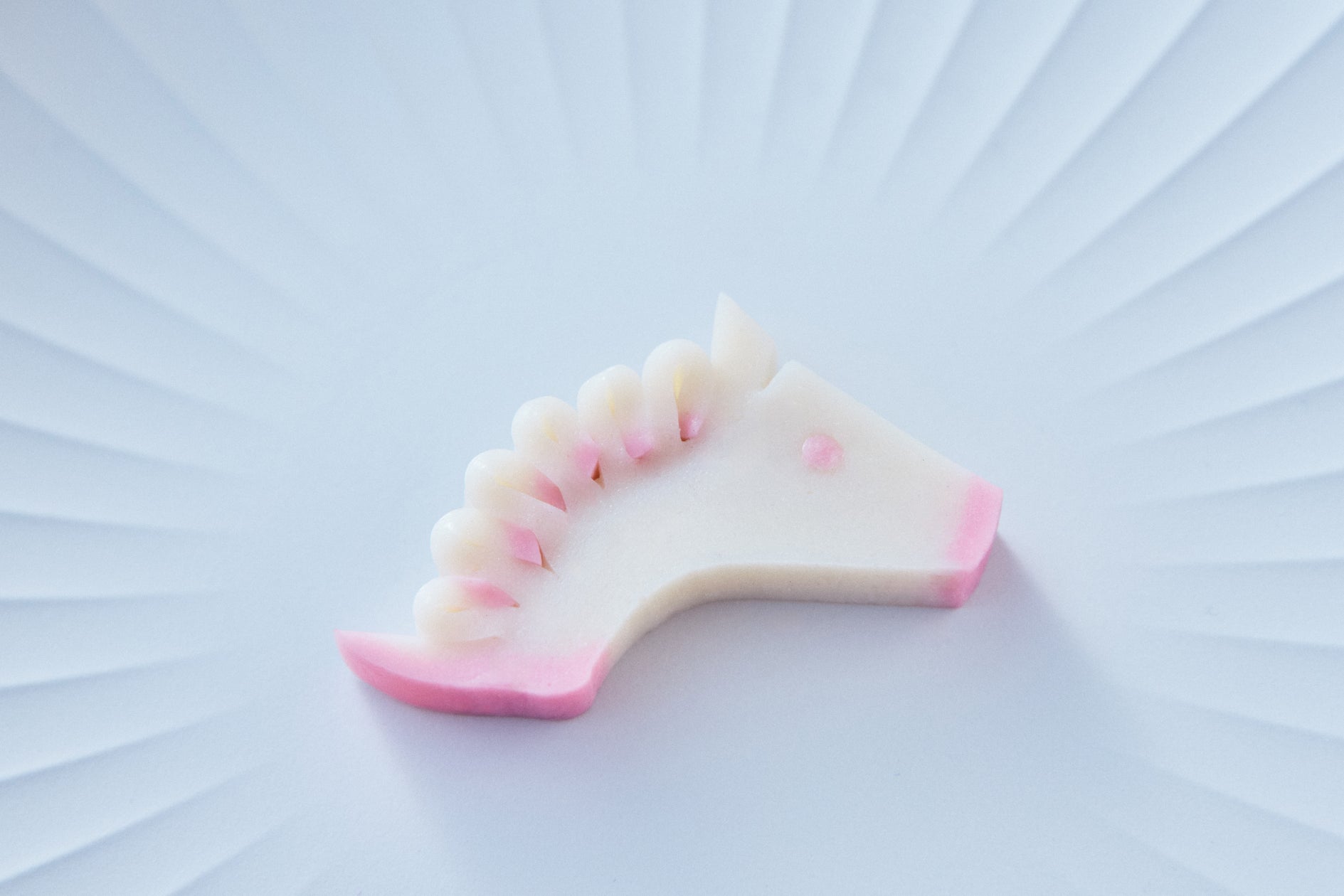
In December 2025, Suzuhiro's artisans released an instructional guide celebrating the 2026 Year of the Horse (Uma). Master carvers demonstrated how two offset incisions on an 8-millimeter slice produce a stylized equine profile, complete with an arched neck and mane created from the curved pink exterior rind. Mainstream outlets including Mainichi Shimbun and Ameba News documented the viral uptake as families replicated the technique for both festive seasonal tables and ordinary office lunches.
Suzuhiro also demonstrated the commercial potential of surimi design with their March 2025 rollout of the "Kamaboko Musubi" bento. Priced to appeal to transit travelers along the Tokaido corridor, the package pairs seasoned rice balls with precision-cut slices of kouhaku kamaboko and fried agekama patties. The initiative proved that decorative surimi is not an obsolete garnish discarded at the side of a plate. It is an intentional, protein-dense centerpiece that commands commercial appeal.
Practical Hygiene, Knife Selection, and Color Theory
Executing clean kazari giri requires an understanding of surimi mechanics. Moisture, blade geometry, and visual contrast all dictate whether a sliced garnish looks sharp or turns into a ragged mess.
First, knife sharpness is non-negotiable. A serrated knife or a blunt chef's blade will drag through the gelled fish proteins, tearing the delicate pink exterior rind. A sharp petty knife or small utility blade with a flat profile allows clean, single-draw push cuts. Kitchen shears can substitute for simple bunny ears, but braided ribbons demand an unencumbered blade tip.
Second, moisture management dictates food safety. Surimi carries natural surface moisture that can harbor bacteria if packed improperly in warm climates. Cooks should always blot the exterior surface of the fish cake dry with clean paper towels before carving. When constructing bento boxes intended to sit in lockers or backpacks until noon, placing carved fish cakes directly adjacent to damp greens like simmered spinach accelerates spoilage. Position the sliced kamaboko next to dry items, such as rolled tamagoyaki or deep-fried karaage, to preserve its springy bite (ashi).
Finally, color balance follows established Japanese bento tenets. Traditional meal composition relies on five colors: red, yellow, green, white, and black. Kamaboko instantly checks off two of those five. Flanking a pale cluster of rice with a bright pink-and-white rosette balances monochromatic brown meats, turning a quick lunch into an appetizing spread.
Frequently Asked Questions (FAQ)
Q1: Can decorative kamaboko cuts be made the night before?
Yes. Slice and shape the kamaboko the evening prior, then store the finished cuts in an airtight container lined with a slightly damp paper towel inside the refrigerator. Avoid leaving them uncovered, as the exterior skin will dry out, curl unnaturally, and lose its springy elasticity by morning.
Q2: What is the best way to remove kamaboko cleanly from its wooden board?
Slide the dull spine of your kitchen knife, not the sharp edge, between the fish cake and the wooden plank. Move the blade firmly across the surface of the wood from end to end. The blunt pressure releases the surimi cleanly without slicing into the cedar base or leaving valuable protein stuck to the grain.
Q3: Does standard white kamaboko work as well as red-and-white blocks?
White kamaboko shares the exact same texture, protein density, and moldability. However, styles relying on high-contrast visual cues, such as the braided ribbon, rabbit ears, or checkerboard, depend heavily on the pink exterior skin to highlight the carve. If using plain white kamaboko, add color contrast with toasted nori strips, black sesame seeds, or a drop of red umeboshi paste.
Crafting Daily Rituals One Cut at a Time
Japanese food carving has survived centuries because it treats routine eating as something worthy of care. Slicing a block of steamed pollock paste does not alter its caloric value, nor does it cut morning prep times. Yet taking twenty seconds to thread a pink ribbon of surimi through a carved center slit fundamentally changes the dining experience for whoever opens that box at noon.
As modern morning routines grow increasingly pressed for time, the persistence of kazari giri proves that elegance does not require elaborate gear or boundless hours. With a flat cedar-backed fish cake, a sharp knife, and a single practiced motion, an everyday meal transforms into personal culinary expression.