Karaoke Kan Free Time Rates Exposed: The Hidden Drink Bar Costs and Weekend Traps
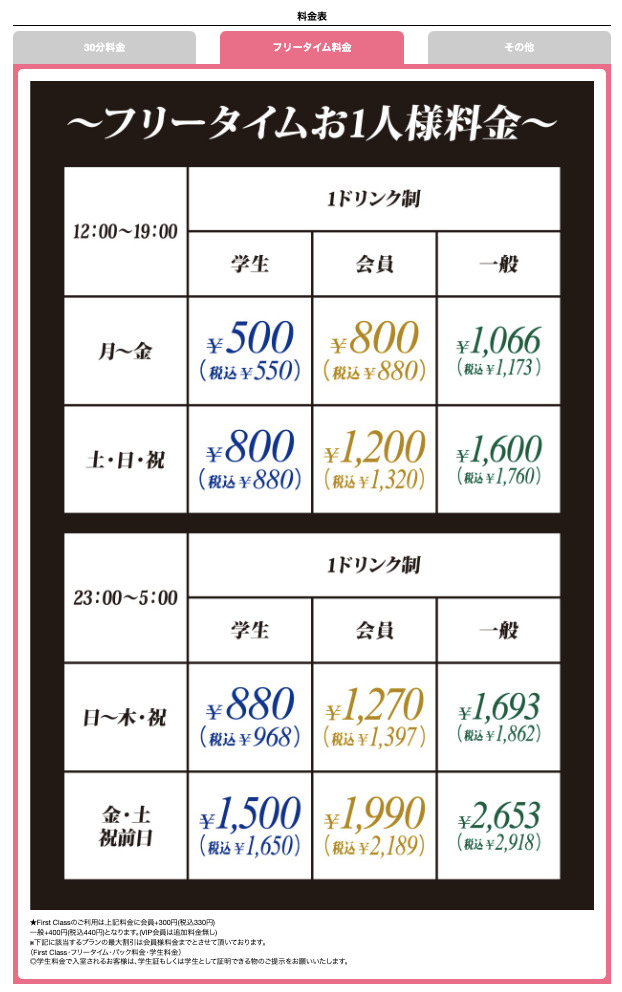
Bright neon billboards outside Shibuya and Shinjuku stations promise unlimited singing for less than the cost of a bowl of ramen. For tourists and local night-owls alike, the blue and red Karaoke Kan signs advertising "Free Time" (フリータイム) look like an unbeatable bargain. You walk in expecting to lock down a private booth for seven straight hours at a flat rate of ¥1,200.
The final receipt rarely matches the sidewalk blackboard. Once mandatory beverage add-ons, non-member penalties, weekend surcharges, and peak-hour eviction policies kick in, an afternoon session can double in price before you finish your second song. Navigating Karaoke Kan's pricing ledger requires decoding an intricate system of fine print designed to extract maximum yield from every open room.
📌 Key Takeaways:
- The Real Floor Price: Advertised base room rates exclude the mandatory one-drink purchase or drink bar upgrade, instantly adding ¥500, ¥850 per person to the bill.
- The Fine-Print Eviction: "Unlimited" Free Time carries a conditional clause during peak hours, allowing staff to terminate your session after just three hours if waiting lists back up.
- The Membership Arbitrage: Registering on the Japanese mobile app before checkout cuts the gross room charge by 20%, 30%, eliminating walk-in tourist inflation.
The Illusion of Cheap Daytime All-You-Can-Sing
Karaoke Kan’s daytime free time hours typically run from opening, usually 11:00 AM, until 7:00 PM or 8:00 PM. On a dreary Tuesday in suburban Tokyo, securing up to eight hours of vocal booth rental for a posted rate of ¥1,100 to ¥1,400 seems extraordinary. That poster price, however, represents a bare-minimum theoretical figure reserved exclusively for app-verified members under zero-demand conditions.
The economics of Japanese karaoke chains depend on auxiliary retail markup. Unlike Western leisure venues that roll overhead directly into hourly entry tickets, Japanese chains separate room depreciation from hospitality service fees. The moment you step into the reception lobby, clerks present an interactive console displaying tiered options. If you accept the lowest visible number without understanding the operational structure, you walk blindly into a web of compounding fees that penalize casual walk-ins.
The Mandatory One-Drink System and Hidden Add-Ons
The sharpest adjustment on any Karaoke Kan bill stems from the mandatory one-drink system (ワンオーダー制). Company regulations require every customer inside a Free Time room to purchase at least one item from the food and beverage menu. Tap water does not qualify. The cheapest soft drink on the laminated menu, typically an oolong tea or ginger ale, retails for around ¥480 to ¥550 before consumption tax. Premium mixed drinks, highballs, and draft beers rapidly push that mandatory entry fee past ¥750.
At busier metropolitan flagship branches, staff frequently default visitors into the all-you-can-drink soft drink bar surcharge fees rather than individual beverage orders. This automatic upsell adds ¥600 to ¥900 per head straight onto the room charge. When coupled with the baseline room rate, an advertised ¥1,300 daytime package quickly swells to ¥2,200 at checkout. While still reasonable for an extended session, the final tab represents a near 70% increase over the sidewalk promise.
Comparing Real Free Time Costs Across Time Slots
Karaoke Kan calculates room charges using dynamic regional matrices. A basement room in Kabukicho commands double the floor price of a storefront branch in Chiba or Saitama. Beyond geography, the calendar day fundamentally alters the pricing baseline. Weekend rates engage starting Friday evening, sustained by holiday pricing surcharges that stretch through Sunday midnight.
| Session Type & Window | Base Room Rate (Member) | Mandatory Beverage Cost | Real Out-of-Pocket Total |
|---|---|---|---|
| Weekday Daytime (11:00, 19:00) | ¥1,100, ¥1,450 | ¥500, ¥650 (1 Drink) | ¥1,600, ¥2,100 |
| Weekend Daytime (11:00, 19:00) | ¥1,750, ¥2,300 | ¥600, ¥850 (Drink Bar) | ¥2,350, ¥3,150 |
| Weekday Midnight (23:00, 05:00) | ¥1,800, ¥2,400 | ¥500, ¥650 (1 Drink) | ¥2,300, ¥3,050 |
| Weekend Midnight (23:00, 05:00) | ¥2,800, ¥3,900 | ¥700, ¥950 (1 Alcohol/Bar) | ¥3,500, ¥4,850 |
When factoring in hidden room charge fees like peak-hour surcharges during Golden Week or late December, the variance widens. The general walk-in rate (一般料金) sits roughly 25% above the member tiers outlined above, meaning unprepared travelers pay a substantial penalty simply for skipping the registration portal.
The Crowd Clause: How the Early Exit Policy Cuts Sessions Short
The single most contentious element of Karaoke Kan’s business model is the early exit guarantee policy (混雑時の保証時間). Customers frequently assume that paying upfront for Free Time locks the room until the designated window closes. That is fundamentally incorrect.
When storefronts reach maximum capacity, a routine occurrence on Saturday afternoons and Friday nights, the terms of service shift. Store managers enforce a minimum guarantee window, typically set at exactly three hours. Once your party hits the 180-minute threshold, the room phone rings. Staff inform you that incoming reservations require the space, giving your group ten minutes to pack up and vacate.
No partial refunds are issued when this clause triggers. You pay the full Free Time tariff regardless of whether you sang for seven hours or were ejected after three. If you visit during peak weekend demand between 2:00 PM and 6:00 PM, standard hourly pricing often yields a cheaper total bill than paying an unfulfilled Free Time rate terminated at the 180-minute mark.
Evading Surcharges: App Verification and Student Proof
Slashing the Karaoke Kan receipt down to its actual baseline requires proactive administrative steps before approaching the counter. Front-desk personnel will not volunteer discounts. You must claim them during intake.
How to Clear the Karaoke Kan Intake Protocol:
- Download the official "Karaoke Kan" smartphone app prior to entry.
- Complete free membership registration to secure immediate digital ID barcodes.
- Present student verification credentials upfront if eligible.
- Verify the room's capacity terms to confirm guaranteed hours.
The official app membership discount yields an instant 20% to 30% reduction off the non-member base room rate. Membership takes two minutes to set up, requires basic email confirmation, and bypasses the inflated walk-in tier entirely. Furthermore, the app drops digital coupon tickets directly into user wallets on specific calendar days, occasionally covering the drink charge entirely.
For younger patrons, student ID discount verification (学割) delivers even steeper savings. Foreign university and language school credentials are valid at most major urban hubs, provided the plastic card displays a photo and birthdate. Combining verified student status with an app-linked loyalty code unlocks the chain's lowest advertised price points, bringing weekday afternoon sessions down near the original ¥1,000 baseline.
Optimizing the Midnight Singing Plan
Midnight singing plans (深夜フリータイム) serve an entirely different consumer base: commuters who missed the final train out of central Tokyo. Running from 11:00 PM until 5:00 AM, these overnight blocks provide a private, heated sanctuary with sofa seating and charging outlets for less than the cost of a three-mile taxi ride or a business hotel capsule.
The overnight calculus differs from daytime singing. Fatigue sets in around 3:00 AM, turning the karaoke parlor into an informal lounge. If you utilize the midnight plan, upgrading to the unlimited soft drink bar is practically essential for caffeine access throughout the night.
Staff rarely enforce early exit ejections between 2:00 AM and 4:30 AM because walk-in turnover plummets once train lines close. You are almost guaranteed the complete six-hour block. Be mindful of the final checkout bell: remaining in the room past 5:00 AM automatically triggers rolling 30-minute overtime extension penalties that accrue at punitive standard rates.
Frequently Asked Questions (FAQ)
Can I bring my own drinks or snacks into Karaoke Kan to skip the beverage fee?
No. Unlike competitor chains such as Manekineko, which promote open carry-in policies (持ち込みOK), Karaoke Kan strictly prohibits outside food and beverages at most branches. Sneaking drinks into the room violates venue policies and can trigger immediate cancellation of your session alongside cleaning fees.
Does the Karaoke Kan mobile app require a Japanese phone number?
Basic digital app membership can typically be activated using an email address and general account credentials. However, high-tier loyalty sweepstakes and point-redemption features occasionally require SMS verification tied to domestic numbers. Foreign travelers can present physical passports or international student cards to request basic member-rate accommodations at urban counters.
Is Free Time cheaper than standard hourly billing for a two-hour session?
No. If your session runs two hours or fewer, paying by the 30-minute block is almost universally cheaper than buying Free Time. The Free Time pricing formula only becomes cost-effective if you stay in the room for a minimum of 3.5 to 4 continuous hours without being displaced by capacity clauses.
Navigating the Ledger on Your Next Session
Karaoke Kan remains one of Japan's most reliable late-night cultural escapes, but treating its neon rates at face value guarantees sticker shock at the register. The difference between an overcharged night out and an economical afternoon session rests entirely on timing and protocol.
Check the calendar before heading through the automatic doors. Target off-peak weekday afternoon windows, keep the official membership barcode loaded on your smartphone screen, and prepare for the mandatory drink order before opening your vocal track. By pricing the complete transaction, including the drink minimum and the risk of a crowded early exit, you can claim hours of private singing without the unwelcome surprises on the terminal printout.