Kenshi Yonezu Art Evolution: Tracking His Illustration Milestones Across Eras
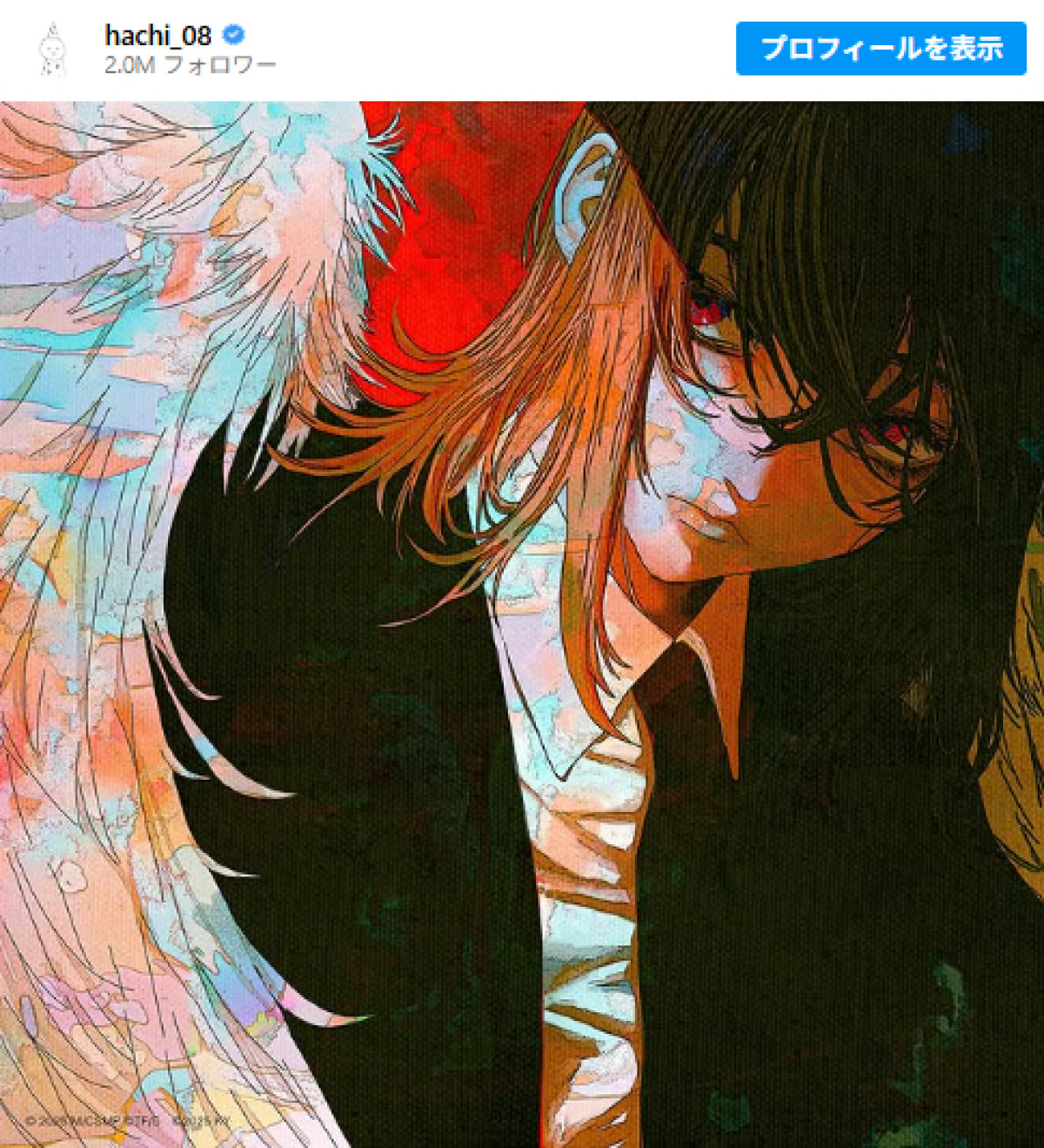
When Kenshi Yonezu released the chart-shattering single "IRIS OUT" for Chainsaw Man, The Movie: Reze Arc in late 2025, his musical performance was only half the public conversation. On October 1, 2025, the musician posted a striking personal illustration of the Angel Devil to his official Instagram. The portrait captured the character’s melancholy gaze with precise linework and muted, ethereal tones. Japanese social feeds erupted overnight, hailing him as a bona fide kami-eshi (god-tier illustrator), as covered in detail by a contemporary クランクイン Report tracking the immediate cultural reaction.
For longtime listeners, this artistic brilliance came as no surprise. Yonezu never treated drawing as a promotional hobby or secondary merchandise gimmick. From animating his own viral Vocaloid music videos under the moniker Hachi to authoring his fictional bestiary Kaiju Zukan, visual art remains central to his creative identity. That multi-decade discipline reached an unprecedented high point in August 2026, when Bandai introduced official collectible wafer cards featuring 22 creatures from his illustrated encyclopedia, cementing a rare cross-medium legacy in modern Japanese pop culture.
📌 Key Takeaways:
- The Viral Milestone: Yonezu's October 2025 Angel Devil illustration coincided with his record-breaking theme song "IRIS OUT" and led to an official theatrical booklet release alongside manga author Tatsuki Fujimoto.
- The Dual Heritage: Before filling arenas, Yonezu hand-drew millions of frames for Hachi classics like "Matryoshka" and created every primary album jacket from diorama to Bremen.
- The Commercial Apex: Bandai's August 2026 launch of "Kaiju Zukan Card Wafers" marked the first time his self-published 2016 picture book was adapted into mainstream collectible hardware.
The Reze Arc Phenomenon: How the Angel Devil Sketch Stunned Audiences
The convergence between Kenshi Yonezu and manga artist Tatsuki Fujimoto stands as one of the most creatively fertile partnerships in modern anime. After composing "KICK BACK" for the first television season of Chainsaw Man in 2022, Yonezu returned to score the theatrical adaptation Chainsaw Man, The Movie: Reze Arc with the track "IRIS OUT." While the song shattered multiple streaming records within its first forty-eight hours, Yonezu steered online attention back to his visual roots by dropping a finished portrait of the Angel Devil on his personal feed.
The sketch offered an intensely personal interpretation of Fujimoto's tragic character. Executed with delicate, spindly lines and an understated color palette, it bypassed glossy commercial polish in favor of raw emotional resonance. Commenters on Japanese forums and Western platforms like X pointed out that Yonezu had rendered the character’s exhaustion and androgynous vulnerability with the finesse of a veteran mangaka.
This was not mere fan art. Producers recognized the drawing's resonance immediately. On December 17, 2025, theatrical distributor Toho revealed the movie's seventh exclusive theatergoer gift: a special "Memorial Collection" booklet distributed to ticket holders nationwide starting December 20. The collectible paired reflective production commentary and newly inked illustrations from Yonezu alongside fresh, post-screening sketches drawn exclusively by Tatsuki Fujimoto himself. The campaign blurred the line between musician and visual collaborator, showing that Yonezu engaged with the narrative world on equal visual footing with its original creator.
From Hachi to Diorama: The Self-Taught Animator’s Roots
To understand the depth of Yonezu's drafting ability, you must look back to the early days of Nico Nico Douga. Under the alias Hachi, Yonezu broke into Japan's indie music scene in 2009 by writing Vocaloid tracks using Hatsune Miku and Megpoid. Crucially, he animated his own music videos frame by frame. Tracks such as "Musunde Hiraite Rasetsu to Mukuro," "Matryoshka" (2010), and "Panda Hero" (2011) gained tens of millions of views not just for their frantic, jagged guitar riffs, but for their chaotic visual language.
Those early digital animations relied heavily on thick pen outlines, grotesque carnival imagery, and distorted human anatomy. Yonezu used consumer-grade drawing tablets and animation software, working alone in his apartment through grueling production schedules. His characters possessed elongated fingers, hollow eye sockets, and nervous, twitching energy. In an era when most Vocaloid producers outsourced visual assets to freelance illustrators, Yonezu insisted on complete visual control.
When he stepped into the light under his real name with his 2012 debut studio album diorama, that visual obsession crystallized. He hand-drew the album's intricate cover art: an enormous, anthropomorphic catfish carrying a dense, sprawling city on its back. Yonezu also animated the entire music video for the album's lead single, "Go Go Ghost Ship," using thousands of individually rendered line-art frames. The message was unmistakable: Kenshi Yonezu was not a singer who casually sketched on the side, but a visual auteur whose sonic worlds were born inside a sketchbook.
Two Decades of Ink and Sound: Yonezu’s Major Visual Milestones
Yonezu has methodically matched every major phase of his musical evolution with an equally ambitious visual release. The table below traces how his illustration projects shifted from DIY video frames into mainstream gallery exhibits and retail product lines.
| Period | Visual Project / Release | Medium & Creative Significance |
|---|---|---|
| 2009, 2011 | Hachi Vocaloid Music Videos | Hand-drawn digital 2D animation frames for "Matryoshka" and "Panda Hero"; defined the kinetic Nico Nico Douga aesthetic. |
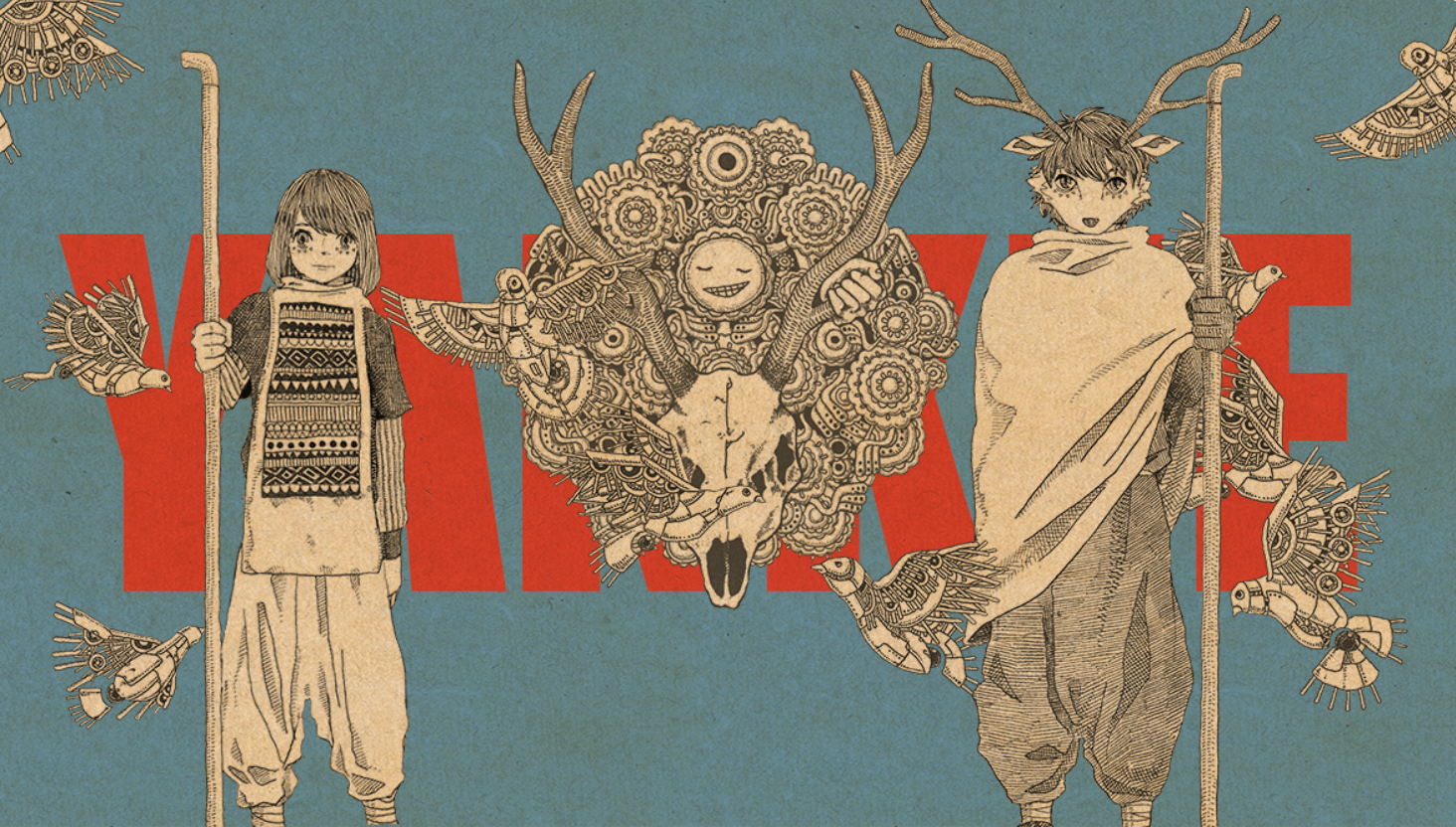
| 2012, 2015 | diorama, Yankee, and Bremen Covers | Dense, cross-hatched ink illustration jackets; "Go Go Ghost Ship" single-handed music video animation. |
| 2013, 2016 | Kaiju Zukan (Monster Picture Book) | Serialized in Rockin'on Japan; compiled into a hardbound encyclopedia with custom illustrations and written lore for 41 original monsters. |
| 2020, 2022 | STRAY SHEEP & "KICK BACK" Promo Art | Transition toward richer digital gouache textures and stylized anime key art during the global pandemic era. |
| 2025 | Chainsaw Man: Reze Arc Memorial Art | Viral Angel Devil Instagram reveal and official Toho theatergoer giveaway booklet created in tandem with Tatsuki Fujimoto. |
| 2026 | Bandai Kaiju Zukan Card Wafers | Commercial trading card merchandise rollout adapting 22 original illustrated monsters onto metallic card stock. |
Anatomy of a Style: Surreal Lines and Somber Digital Palettes
Yonezu’s visual style has evolved across three distinct technical phases. His early work relied on aggressive, pen-and-ink hatching that mirrored the alternative manga of Taiyo Matsumoto and the surrealist compositions of Edward Gorey. His human subjects almost always carried exaggerated limbs, prominent collarbones, and heavy eyelids. This somatic awkwardness reflected his own teenage isolation and experiences growing up neurodivergent in Tokushima.
Around 2015, Yonezu transitioned from strict monochrome inking to intricate digital painting techniques. Rather than relying on standard anime cel-shading, he adopted a painterly style reminiscent of dry gouache and textured oil pastel. He builds his digital canvases using desaturated earthy tones, slate blues, charcoal grays, rust oranges, and muted pastels, applying visible brush strokes that mimic physical pigment on coarse watercolor paper.
His monster concepts illustrate this aesthetic best. The creatures in Kaiju Zukan do not look like menacing Godzilla clones or sleek video game bosses. Instead, they appear as melancholic, slightly pathetic entities trapped between the animal and spirit worlds. Characters like "Hone Miru" (Bone Viewer) or "Ryoushin" (Conscience) evoke existential solitude rather than horror. Yonezu renders these creatures with tender precision, turning monstrous figures into intimate mirrors of psychological distress.
Commercial Climax: Bandai’s 2026 Kaiju Zukan Wafer Cards
Ten years after Kaiju Zukan was first published as a standalone book in December 2016, the property underwent an unexpected commercial rebirth. On August 8, 2026, toy giant Bandai officially announced the "Kenshi Yonezu Kaiju Zukan Card Wafers." The campaign adapted 22 of the original 41 monsters into premium collectible cards paired with confectioneries, distributing them through convenience stores and hobby retailers across Japan.
This rollout was unprecedented for a Japanese singer-songwriter. While musicians routinely sell concert T-shirts or acrylic keychains bearing tour logos, licensing original intellectual property created outside a record label’s music catalog to Bandai's candy-toy division is almost unheard of. The cards featured foil-stamped reproductions of Yonezu's original illustrations alongside his written lore snippets on the reverse side.
Collectors and casual fans flooded convenience stores, causing box sets to sell out within hours of launch. On secondary markets like Mercari, rare holographic variants traded for over 12,000 yen each. The phenomenon demonstrated that Yonezu’s visual creations possessed standalone artistic value, capable of thriving independent of his musical discography.
Frequently Asked Questions (FAQ)
Q1: Does Kenshi Yonezu still draw his own album covers?
A1: Yes. Yonezu has illustrated almost every major album jacket throughout his career, including diorama (2012), YANKEE (2014), Bremen (2015), BOOTLEG (2017), and STRAY SHEEP (2020). While he occasionally incorporates photographic artwork or typography collaborations for specific commercial singles, his core aesthetic remains self-drawn.
Q2: What tools and digital painting software does Yonezu use?
A2: Yonezu primarily works using digital pen displays (such as Wacom Cintiq hardware) coupled with Clip Studio Paint and Adobe Photoshop. In his early Hachi era, he worked with budget digital tablets and free software, frequently drawing line art on physical sketchbook paper before scanning and manipulating the frames digitally.
Q3: What exactly is the Kaiju Zukan picture book?
A3: Kaiju Zukan is an illustrated book originally serialized in the music publication Rockin'on Japan between 2013 and 2015, before being published as a stand-alone volume in December 2016. It contains 41 fictional monsters, each complete with a dedicated illustration drawn by Yonezu, accompanied by short descriptive vignettes explaining their habitats, behaviors, and inner sorrow.
The Cultural Impact of the Musician-Illustrator
In the Japanese entertainment landscape, cross-disciplinary talent is celebrated, but rarely does one creator achieve peerless acclaim in two separate fields simultaneously. Kenshi Yonezu broke that ceiling. His sketches are not promotional novelties; they are the visual architecture behind his sound. Whether tracking the viral impact of his 2025 Angel Devil sketches or the commercial reach of his 2026 Bandai trading cards, Yonezu continues to prove that his drafting hand is just as sharp, expressive, and enduring as his musical ear.