Kosoku Asahikawa-go Ultimate Guide: Timetables, Fares, Stops, and Boarding Tips
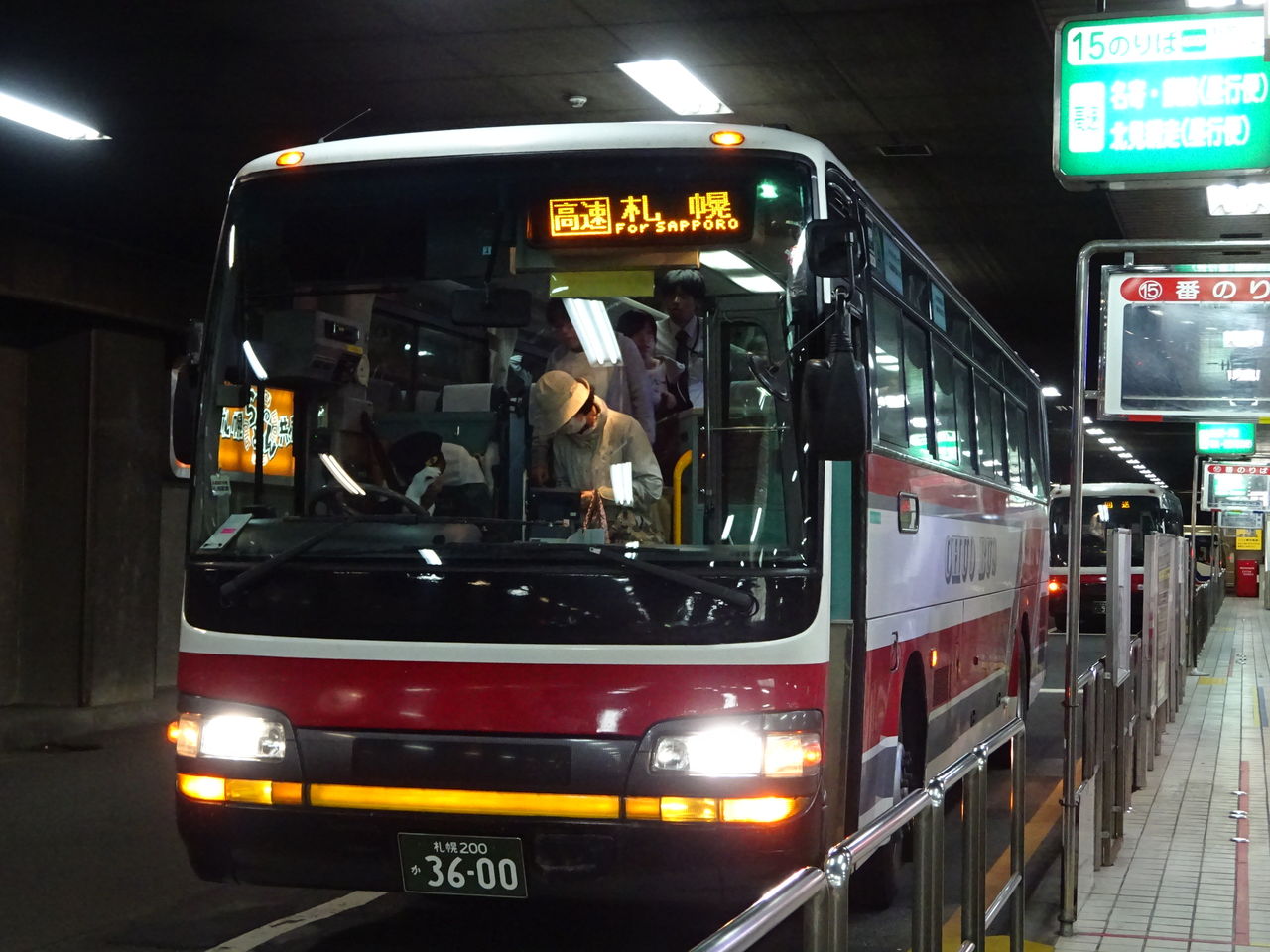
When travelers plan a journey between Sapporo and Asahikawa, rail timetables usually get the first look. Japan Railway's limited express trains, the Kamui and the Lilac, make the run across the Ishikari Plain in roughly an hour and twenty-five minutes. Yet outside the station doors, hundreds of daily commuters and seasoned travelers head directly toward the highway coach bays. The joint service known as the Kosoku Asahikawa-go (高速あさひかわ号) carries a massive share of transit traffic between Hokkaido's two largest economies, offering substantial ticket savings and a remarkably smooth ride along the Hokkaido Expressway.
For international travelers navigating Hokkaido in 2026, the bus route represents both incredible economic value and a few distinct operational hurdles. Major urban redevelopment around Sapporo Station has shifted boarding points onto peripheral curbsides, while winter blizzards routinely test the limits of road schedules. Understanding the mechanics of ticket purchasing, luggage rules, payment methods, and seasonal delays makes the difference between a seamless transit day and an unexpected detour in the snow.
📌 Key Takeaways:
- The Value Proposition: A standard one-way fare sits at roughly half the walk-up cost of a limited express train ticket, with four-ride coupon books slashing per-trip costs even further.
- Seating and Booking Policy: Unlike long-distance intercity sleeper coaches, the Kosoku Asahikawa-go operates on a non-reserved, first-come-first-served basis managed cooperatively by Hokkaido Chuo Bus, JR Hokkaido Bus, and Dohoku Bus.
- Terminal Reorganization: Ongoing Hokkaido Shinkansen construction has temporarily relocated Sapporo Station bus berths to designated street-level stops, making advance route confirmation essential.
How the Sapporo Redevelopment Reshaped Highway Coach Boarding
Anyone relying on outdated guidebooks will find themselves wandering in circles outside Sapporo Station. The historic terminal building that once housed the centralized bus bays was decommissioned to clear space for the Hokkaido Shinkansen extension project. Because construction will run through the late 2020s, intercity bus operations are currently scattered across street-level temporary stops around the station’s south and north plazas.
Passengers boarding the Kosoku Asahikawa-go in downtown Sapporo must head to designated curbside berths. For most daytime departures, Hokkaido Chuo Bus and its partners pick up passengers at street stops along Kita 4-jo or outside the Chuo Bus Sapporo Terminal near Odori Park. Digital displays at street-level ticket kiosks clearly designate the Kosoku Asahikawa-go departures.
Queues begin forming ten to fifteen minutes before departure. Since seats cannot be booked online in advance, morning departures on weekends and public holidays fill rapidly. Boarding personnel verify tickets at the curb or allow travelers to tap IC cards at the entrance before loading larger suitcases into the underfloor luggage bays.
Head-to-Head Transit: Kosoku Asahikawa-go Against the JR Limited Express
The choice between highway transit and rail along the Ishikari corridor comes down to a direct trade-off between absolute transit speed and operational cost. JR Hokkaido's Kamui and Lilac electric multiple units slice through inland snowfall on dedicated tracks, making the trip in approximately 85 minutes. In contrast, the highway bus timetable budgets roughly 120 to 125 minutes from Sapporo Station to Asahikawa Station Mae.
The financial calculation paints an entirely different picture. A standard unreserved ticket on JR Hokkaido runs upward of ¥5,220 each way unless you lock down deeply discounted Tokudane web-only tickets days in advance. The highway coach delivers a fixed, predictable price point without complex advance purchase tiers.
| Transit Metric | Kosoku Asahikawa-go (Bus) | JR Kamui / Lilac (Train) |
|---|---|---|
| Standard One-Way Fare | ¥2,500, ¥2,600 | ¥5,220 (Non-Reserved) |
| Round-Trip / Pack Deals | Round-trip: ~¥4,700 | 4-ticket pack: ~¥8,800 | Limited discounts via JR Eki-net |
| Average Scheduled Duration | 120, 125 minutes | 85, 90 minutes |
| Seat Reservation System | Non-reserved (First-come, first-served) | Reserved and Non-reserved cars |
| Severe Weather Vulnerability | Expressway closures, 30, 90 min snow delays | Track freezing, wind holds, cancellations |
For solo budget travelers, families, and small groups, the coupon booklets, known locally as Kaisuken, reduce the cost per person to roughly ¥2,200 per segment. A family of four traveling together can burn through a single four-pack in one direction, pocketing more than ¥10,000 in collective savings compared to the railway.
Fleet Operators and Timetable Coordination
The Kosoku Asahikawa-go runs on a tightly coordinated joint timetable shared by three primary carriers: Hokkaido Chuo Bus, Dohoku Bus, and JR Hokkaido Bus. Rather than competing against one another, the three operators pool their resources into an integrated departure schedule. Buses run every 20 to 30 minutes during peak morning and late-afternoon hours, dropping to hourly intervals during midday lulls.
Because of this unified structure, a passenger holding a round-trip ticket purchased at a Chuo Bus counter can board an outbound coach operated by Dohoku Bus or JR Hokkaido Bus without paying extra fees.
The onboard environment across all three companies remains remarkably uniform. Buses feature high-floor, forward-facing 2x2 seating configurations. Most coaches come equipped with free onboard Wi-Fi, personal USB charging ports or AC outlets, and a compact emergency restroom located in the rear. Unlike local city buses, these long-distance cruisers prohibit standing passengers on the highway; once all standard seats are taken, passengers must wait for the next departure.
Sapporo Departures (Street Stops / Chuo Bus Terminal)
│
▼ [Do-O Expressway / Hokkaido Expressway]
│
├─► Sunagawa Highway Oasis (Scenic rest stop on select schedules)
│
▼ [Local Arterial Route 12 Entry]
│
Asahikawa Station Mae (Central Transit Terminal)
│
└─► Connecting City Bus to Asahiyama Zoo (Platform 6, ~40 mins)

Ticketing Hacks, IC Cards, and Baggage Protocol
Paying for your passage on the highway bus is straightforward, but minor differences in fare media can cause friction if you are unprepared.
Major transit IC cards, including Kitaca, Suica, and Pasmo, are widely accepted on the Kosoku Asahikawa-go fleet. Passengers tap their card against the reader upon boarding near the driver and tap again upon disembarking. However, tapping an IC card bills the standard one-way adult fare. If you plan to return to Sapporo within a few days or travel with a companion, do not tap your card.
Instead, visit the automated ticket vending machines inside the Chuo Bus Sapporo Terminal or the travel desk at Asahikawa Station. Purchasing an ofuku (round-trip) ticket or a four-ride coupon booklet directly from the machine provides an immediate discount that card readers cannot apply.
Luggage storage follows standard intercity norms:
- Drivers open the exterior luggage compartments for large suitcases, snowboards, and heavy backpacks. Passengers generally load and retrieve their own bags at curb stops.
- Skis and oversize gear are accepted if space permits, but operators do not provide formal baggage insurance for fragile sporting items stowed below.
- Onboard Carry-on: Overhead racks inside the passenger cabin are narrow and shallow. Daypacks and winter coats fit comfortably; standard rolling carry-ons must go into the lower cargo hold.
Winter Realities and Asahiyama Zoo Connections
From late November through late March, the Hokkaido Expressway transforms into a corridor of severe winter weather. High winds sweeping across the plains frequently trigger speed restrictions of 50 km/h between Iwamizawa and Takikawa, stretching transit times by 30 to 45 minutes. During heavy blizzards, transportation authorities shut down entire sections of the expressway, forcing buses onto surface highway Route 12.
When expressway diversions occur, travel times can easily exceed three hours. If you are catching an afternoon flight out of New Chitose Airport or an international connection from Sapporo, build a minimum two-hour buffer into your schedule whenever winter storm warnings are active.
Winter Journey Planning Checklist:
- Check NEXCO East highway traffic cameras before departure.
- Confirm expressway status: If Route 12 detour is active, add 60+ minutes.
- Keep emergency snacks and water in your carry-on bag.
- For flights from Chitose, favor the early morning departures.
For travelers heading directly to Hokkaido’s most famous wildlife destination, the Asahikawa drop-off puts you in an ideal transit position. The bus terminates at Asahikawa Station Mae, depositing passengers directly in front of the modern rail and bus complex. From there, head to Platform 6 of the local bus bays, where Dohoku Bus runs the dedicated line directly to Asahiyama Zoo. Buses depart roughly every 30 minutes, completing the final leg to the zoo gates in approximately 40 minutes for a fare of ¥500.
Strategic Highway Breaks: The Sunagawa Highway Oasis
Select scheduled runs of the Kosoku Asahikawa-go incorporate a brief pause or request stop near the Sunagawa Highway Oasis, one of the largest expressway rest facilities in northern Japan. Connected directly to Sunagawa Service Area, the complex showcases Hokkaido's agricultural exports, confectionery shops, and expansive indoor food courts.
For passengers on express direct runs, the bus stays on the main expressway artery without prolonged breaks. However, on specific multi-stop schedules, travelers catch views of the Sorachi region's snow-covered rice fields and rolling hills. It offers a grounded perspective of rural Hokkaido that high-speed rail cuttings often obscure behind protective acoustic barriers and trench walls.
Frequently Asked Questions (FAQ)
Can I reserve a seat on the Kosoku Asahikawa-go online in advance?
No. The Kosoku Asahikawa-go runs on a non-reserved boarding system. You purchase your ticket or coupon pack, arrive at the bus stop, and join the queue. During peak holiday seasons (such as New Year and Obon), arriving 15 to 20 minutes before departure ensures a seat on your intended coach.
Are JR Rail Passes accepted on this highway bus?
The nationwide Japan Rail Pass and the regional JR Hokkaido Rail Pass are generally not valid on the Kosoku Asahikawa-go, even on coaches operated by JR Hokkaido Bus, because the route is managed as a pooled joint-venture with private carriers. Pass holders should use the JR Kamui or Lilac train instead.
Where do I catch the bus at Sapporo Station right now?
Because the main terminal building is closed for redevelopment through the late 2020s, departures use temporary curbside stops. Most Asahikawa departures use street-side stops along Kita 4-jo Nishi 3-chome or the Chuo Bus Sapporo Terminal at Odori. Check the current digital signboards posted near the station's South Exit exits for exact bay numbers.
What happens if the highway is completely closed due to a blizzard?
If the Hokkaido Expressway closes, operators either reroute coaches onto surface roads (Route 12), which adds substantial travel time, or suspend operations until snowplows clear the corridor. Real-time operation updates are posted on the Hokkaido Chuo Bus and Dohoku Bus websites.
Navigating the Asahikawa Corridor in 2026
The Kosoku Asahikawa-go remains a cornerstone of Hokkaido’s regional transit network for good reason. For independent travelers, budget-conscious groups, and visitors who prefer scenic highway cruising over train tunnels, the service provides an unbeatable balance of cost and frequency.
Rail travel retains a decisive advantage in raw speed and winter punctuality. Yet by planning around terminal locations, keeping an eye on snowfall warnings, and leveraging multi-ticket discount packs, you can ride the highway coach across the central plains with complete confidence, keeping your travel budget intact for the mountains and markets ahead.