Kura Sushi Part-Time Survival Guide: Kitchen Roles, Bikkura Pon Chaos, and What New Hires Must Know
Kura Sushi Part-Time Survival Guide: Kitchen Roles, Bikkura Pon Chaos, and What New Hires Must Know
Every weekend across Japan and expanding international locations, thousands of applicants sign up for shifts at Kura Sushi expecting a straightforward gig operating automated sushi machines. Instead, they step into a high-intensity kitchen line running on algorithmic timers, thousands of dirty plates dropping down stainless chutes, and the unyielding frenzy of tie-in promotional campaigns. When corporate rolled out its massive tie-in with the smash-hit manga franchise Chiikawa, lines wrapped around city blocks, pushing store teams to their absolute breaking points. The immense pressure erupted into public controversy when merchandise intended for dining customers surfaced on flea market apps, culminating in employee misconduct scandals that prompted chain-wide investigations detailed by Japanese media, including an extensive livedoor ニュース Report covering unauthorized sales on secondary marketplaces.
Working at a conveyor belt sushi giant involves far more than simply placing fish on rice blocks. Between managing the mechanical plate clearance system and surviving dinner peak hour stress, part-timers face operational realities that rarely make it into glossy recruiting brochures. This breakdown dissects kitchen staff duties, front-of-house challenges, structural turnover, and what working conditions actually look like inside a modern high-volume restaurant.
📌 Quick Summary:
- The Operational Strain: Automated nigiri machines speed up basic assembly, but intense output targets during promotional events like the Chiikawa collaboration campaign push kitchen workers into grueling, continuous sprint shifts.
- The Misconduct Fallout: High resale values for promotional capsule toys led to employee theft and early campaign terminations in late 2025 and 2026, triggering strict merchandise resale policy enforcement across all branches.
- The Hiring Reality: Front-of-house roles require constant conflict resolution when automated systems glitch, making honest self-assessment vital before signing a part-time contract.
Behind the Stainless Steel: The Reality of Kitchen Staff Duties
Kitchen operations at Kura Sushi resemble a precision-timed assembly factory far more than a traditional culinary workspace. Automation handles the base forming of seasoned rice pellets, dropping uniform portions along stainless conveyor lines at speeds exceeding one per second. The human responsibility lies in rapid topping placement, side-dish prep, broth management, and frying tempura without violating rigid ticket times.
New recruits generally begin in the "neta" (fish topping) or fry stations during fast-paced kitchen training. Supervisors monitor digital metrics on mounted screens displaying order backlogs and average prep times. If a station exceeds a two-minute window during rush periods, warning indicators shift from yellow to flashing red. Line cooks must slice semi-frozen fish portions cleanly, position garnishes, snap on protective dome covers, and route plates toward the express delivery belt. The physical exertion is constant: standing for six consecutive hours on grease-resistant rubber mats, lifting heavy ten-liter broth vats, and cleaning oil fryers at closing while smelling permanently of vinegar and raw mackerel.
The Bikkura Pon Surge: When Anime Tie-Ins Break Store Operations
No mechanism drives store volume quite like the proprietary Bikkura Pon lottery system. Customers insert five empty plates into a disposal chute at their booth, activating an animated short on their touchscreen for a chance to win a capsule toy dropped from overhead dispensers. Under normal circumstances, this system encourages casual diners to order extra dishes. During limited-time tie-in events, it transforms the restaurant into an operational pressure cooker.
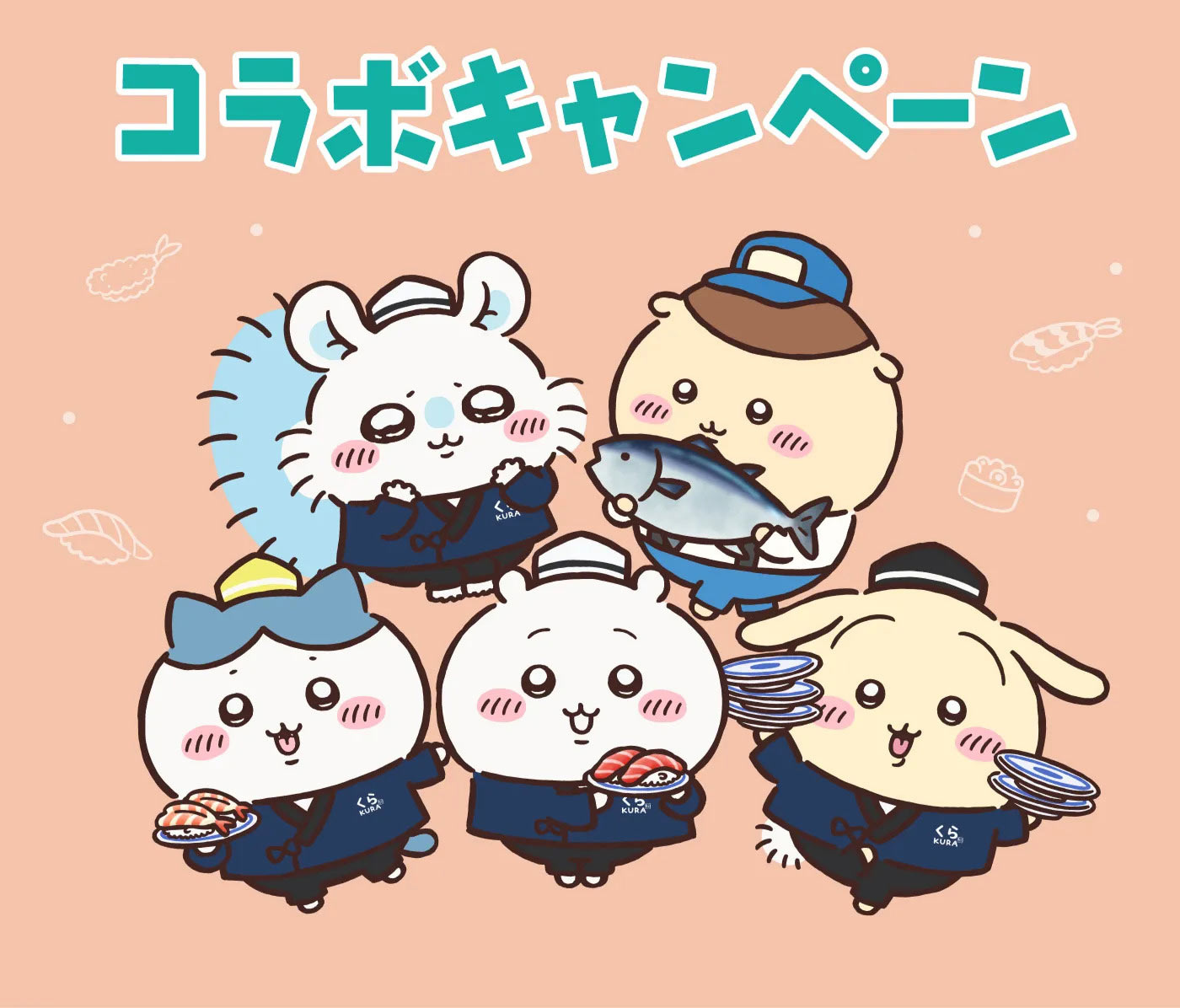
The Chiikawa collaboration campaign revealed just how vulnerable the floor plan is to obsessive collector traffic. Families and solo collectors entered stores with the sole intent of spending tens of thousands of yen to secure complete capsule sets. Plates slammed into table chutes at triple the standard rate, backing up under-counter collection troughs. Dishwashing areas flooded with dirty porcelain, forcing back-of-house teams to abandon prep lines just to unclog mechanical wash tracks. Backlogs spiraled out of control. Ticket queues stretched past 45 minutes, creating a toxic feedback loop of impatient diners venting frustrations directly at eighteen-year-old part-timers.
Merchandise Resale Scandals and the September 2026 Collapse
The astronomical resale value of exclusive capsule figures created an internal crisis that corporate headquarters failed to anticipate. Individual miniature figures fetched prices between 3,000 yen and 8,000 yen on platforms like Mercari within hours of release. That financial temptation proved destructive for underpaid branch workers handling raw stock behind closed doors.
| Date Period | Operational Event | Chain Reaction & Store Impact |
|---|---|---|
| December 2025 | Initial flea market alerts flagged by fans | Leaked photos show bulk merchandise bags offered by accounts claiming internal store employment. |
| August 21, 2026 | Official launch of nationwide Chiikawa promotion | Record-shattering foot traffic; kitchen backlogs exceed 40 minutes across major metropolitan branches. |
| September 2, 3, 2026 | Formal corporate acknowledgement of internal theft | Kura Sushi issues public notice regarding employee investigations; branch managers enforce strict locker bag checks. |
| September 5, 6, 2026 | Abrupt campaign termination nationwide | Corporate permanently pulls capsule prizes 24 days ahead of schedule, leaving front staff to deal with customer fury. |
The situation reached a boiling point on September 5, 2026, when Kura Sushi corporate took the drastic step of terminating the promotion early, citing employee misconduct and internal inventory theft. Frontline workers arrived for their Sunday morning shifts only to discover that the promotional banners had to be stripped down immediately. Store crews bore the brunt of customer outrage. Diners who had booked reservations weeks in advance arrived to find empty capsule machines, demanding refunds and directing hostility at teenage floor servers who had played no role in the underlying theft.
Front-of-House Friction: Dealing with Automated Failures
Automated service counters and digital ordering tablets are designed to streamline restaurant staffing. In practice, floor server responsibilities shift from taking meal orders to constantly troubleshooting mechanical failures under severe time constraints. When a customer forces an oversized dish or trash down the table chute, the mechanical track jams, halting plate return for an entire dining zone.
Resolving these mechanical snarls requires opening maintenance access panels directly beneath active dining tables while apologetic servers manage frustrated guests. Cash register duties bring their own stress. The rollout of self-checkout kiosks did not eliminate customer conflict; it merely relocated it. Elderly patrons frequently struggle with scanning screens, leading to long checkout queues during weekend dinner rushes. Floor servers find themselves running between cleaning tables within strict 90-second turnover targets, replacing empty green tea powder canisters, and answering table call bells triggered by confused customers.
Burnout, Attrition, and Who Should Avoid Applying
High attrition rates plague fast-casual conveyor belt sushi chains. Many high school and university students resign within their first three weeks on the schedule. The reasons are consistent: intense physical pacing, rigid attendance requirements on weekends, and an unforgiving zero-error environment where minor assembly mistakes directly impact kitchen metrics.
The role suits specific personalities while overwhelming others. Candidates who thrive in isolated, rhythm-focused environments where physical speed matters more than small talk can perform well on automated kitchen lines. The shifts pass quickly when tickets flow smoothly. Conversely, anyone seeking a relaxed casual gig or individuals sensitive to loud, chaotic restaurant environments should avoid applying. The job demands relentless multitasking, heavy lifting in cramped utility rooms, and the resilience to absorb customer complaints whenever automated machinery hiccups.
Frequently Asked Questions (FAQ)
Q1: What is the biggest difference between working front-of-house versus kitchen at Kura Sushi?
A1: Kitchen roles focus entirely on physical assembly speed, dish sanitation, and ticket timers with zero customer interaction. Front-of-house positions center on rapid table resets, resolving automated ordering jams, guiding customers through self-checkout, and managing complaints during peak rushes.
Q2: How strict is the employee merchandise resale policy following the recent scandals?
A2: Enforcement is uncompromising. Following the September 2026 campaign cancellation, management introduced personal bag inspections, strict tracking of promotional capsule inventory, and immediate contract termination accompanied by potential legal action for unauthorized item possession or resale.
Q3: Can a beginner with zero restaurant experience survive the training period?
A3: Yes, provided they can handle fast-paced, repetitive physical tasks. Kura Sushi provides standardized video manuals and step-by-step station workflows. Success depends not on advanced cooking skills, but on raw physical stamina, adherence to sanitation protocols, and punctuality during busy weekend lunch and dinner slots.
Navigating High-Volume Food Service in 2026
Working part-time at Kura Sushi provides an unfiltered look into the realities of automated modern food service. The chain is an engineering marvel capable of serving hundreds of diners per hour with minimal kitchen prep, yet that efficiency relies on entry-level workers executing precise physical movements under punishing time limits. When high-stakes anime collaborations collide with that finely tuned machine, the operational margins thin out quickly.
Applicants weighing this job must look past corporate recruiting slogans and assess their own stamina honestly. If you want a predictable shift where you can switch off your thoughts and work at an intense, mechanical pace, the kitchen line delivers steady hours. If you struggle with heat, loud alarms, repetitive strain, and the friction of irate customers when things go wrong, this environment will wear you down in short order.