Kyocera Dome Osaka Seating Chart Visualized: Best Views for EXILE 25th Anniversary Live
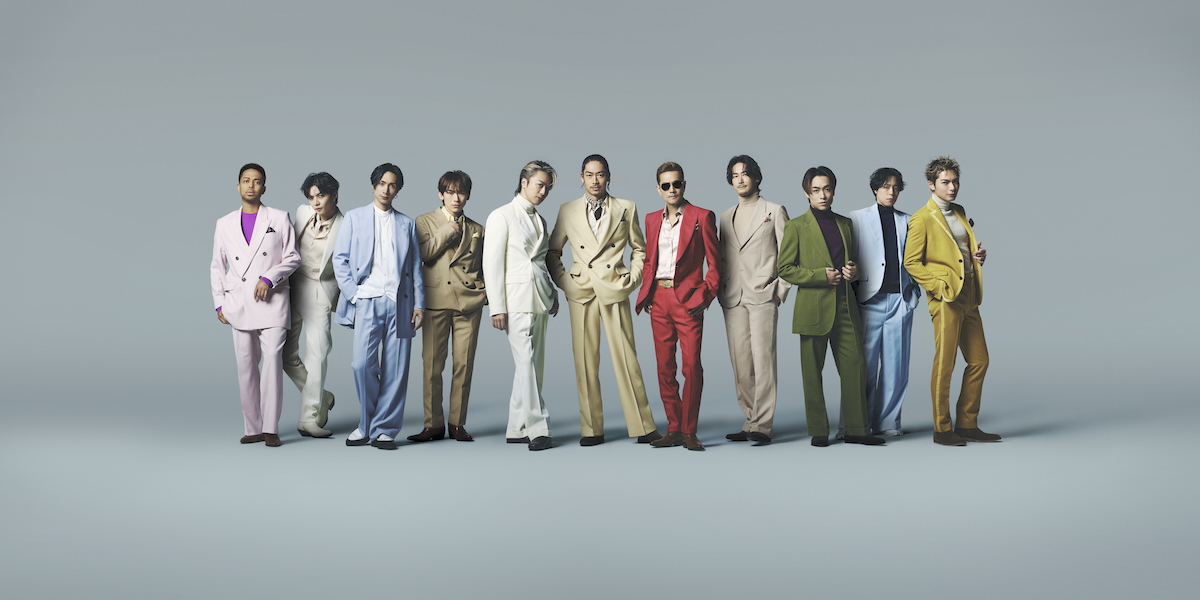
EXILE stunned a packed Tokyo Dome crowd by announcing their milestone nationwide tour, culminating in two massive weekend shows at Kyocera Dome Osaka on December 5 and 6, 2026. As confirmed by an ORICON NEWS report, the tour, titled EXILE 25th ANNIVERSARY BEST LIVE ~LDH PERFECT YEAR 2026~, marks the definitive reunion of iconic vocalists ATSUSHI and TAKAHIRO alongside core performers AKIRA, KENCHI, TETSUYA, NESMITH, SHOKICHI, NAOTO, NAOKI, SEKAI, and TAIKI. The announcement immediately triggered a rush among domestic and international ticket buyers eager to decode the complex sightlines of Osaka's premier indoor venue.
Navigating the concrete bowl of Kyocera Dome Osaka requires practical preparation. With a concert capacity reaching 55,000 attendees, the difference between an eye-level view of the center runway and a detached panorama from the upper rafters comes down to entrance gates, stand tiers, and arena block letters. Securing tickets through the fan club lottery is only the first hurdle; knowing how your assigned seat interacts with LDH's kinetic production will dictate your entire concert experience.
📌 Quick Summary:
- The Show: EXILE returns to Kyocera Dome Osaka on December 5, 6, 2026, celebrating their 25th anniversary with dual frontmen ATSUSHI and TAKAHIRO.
- The Venue: Kyocera Dome holds up to 55,000 spectators across lower stands, upper decks, and temporary arena floor configurations.
- Viewing Realities: Arena floor sightlines hinge entirely on production runways and moving stages, while upper deck rows require high-magnification optics to track choreography.
Production Architecture and the 2026 Stage Blueprint
LDH stage blueprints differ fundamentally from conventional pop concerts. For large-scale dome tours, EXILE rarely confines their performance to an isolated end-stage. Historical productions, from AMAZING WORLD to the POWER OF WISH tour, demonstrate the group's preference for complex circular runways, auxiliary center platforms, and moving stages that glide above floor-level spectators.
This dynamic layout directly impacts seat value. In a traditional end-stage configuration, seats behind the soundboard suffer from distance. When EXILE deploys perimeter moving stages and peripheral cranes (known colloquially as "trolleys" or torokko), spectators positioned along the lower stands often find themselves closer to the performers than fans seated in central floor blocks. For the 2026 anniversary production, production insiders anticipate a multi-stage spine running from the main stage platform at the outfield end through the pitcher's mound to second base, ensuring that both ATSUSHI and TAKAHIRO can alternate vocal focus across opposing halves of the venue.
| Seating Tier | Distance to Main Stage | Optics Requirement | Primary Visual Advantage |
|---|---|---|---|
| Arena Blocks A, B | 5, 35 meters | None (Naked eye) | Direct physical proximity to primary stage choreography. |
| Arena Blocks C, E | 40, 90 meters | 8x compact binoculars | Unobstructed views when center substages and moving carts pass. |
| Lower Stand (Level 1, 3) | 30, 100 meters | 8x, 10x image-stabilized | Elevated sightlines; perfect vantage for trolley passes along the rails. |
| Upper Stand (Level 5, 6) | 100, 160 meters | 12x, 14x stabilized optics | Broad panoramic view of total arena lighting, pyrotechnics, and formations. |
| Vista Balcony (Level 7, 8) | 130, 180 meters | 14x+ stabilized optics | Private lounge amenities and direct overhead production geometry. |
Arena Floor Block Layout: Visibility and Compromises
Securing an arena floor ticket brings an electric atmosphere, but it carries distinct optical limitations. Kyocera Dome's flat floor possesses zero natural rake. If you are standing in Block C or D behind taller attendees, your direct sightline to performer footwork will be cut off by heads and tour banners. Arena layout blocks are designated with Japanese kana or standard western letters (A through F), running 10 to 15 blocks wide across the turf.
Blocks A3 through A9 sit dead-center in front of the main sound system. In these rows, the visual detail is startling: you can see the sweat, costume texture, and micro-expressions of the performers without looking at LED screens. However, sound pressure levels in these forward blocks can easily surpass 102 decibels, requiring hearing protection for sound sensitivity.
Floor tickets along the outer perimeter (Blocks A1, A2 and A14, A16) trade front-facing sightlines for unparalleled closeness during trolley runs. When the performers mount the motorized carts that circle the baseball field's outer boundary track, these seats transition from side-stage angles into front-row positions. If your ticket lists an outer arena assignment, expect intermittent periods where the main action faces away, punctuated by moments of intense, arm's-length proximity.
Lower Stand Rakes and the Perimeter Advantage
For balanced visibility, veteran concertgoers often prefer the lower stands (known in Japanese ticketing as Kaisou Stand) over mid-tier arena floor seats. Kyocera Dome's lower bowl begins immediately behind the circulation walkway and climbs gently toward the corporate suites. Rows 1 through 15 along the first-base and third-base sides offer exceptional diagonal viewing angles.
Because the lower stands are elevated, sightlines remain clear over the floor crowd. You track full-formation group choreography, the hallmark of EXILE's 11-member performance lineup, with total clarity. When NAOTO, NAOKI, SEKAI, and TAIKI execute rapid unison sequences, the elevation lets you appreciate the spatial precision of the drill formations. The first five rows of the lower stand also serve as the primary eye-level target for performers navigating the outer trolley tracks, turning these rows into high-value territory for direct fan interaction.

Upper Deck and Vista Balcony Sightlines
The upper tiers of Kyocera Dome, spanning Level 5 through Level 8, present steep elevation angles. Reaching these rows requires ascending long escalators from the main concourse. The visual perspective shifts from physical immersion to geometric observation.
From the upper deck, individual performers appear miniature. Tracking ATSUSHI's signature sunglass adjustments or TAKAHIRO's reactions requires dedicated optics. However, the upper deck offers the most coherent view of LDH's lighting design, lasers, and synchronized arena wristbands. The entire dome floor transforms into a living canvas. Sound also travels directly up to the dome's concave roof panels. While earlier tours suffered from flutter echoes in these high tiers, modern line-array speaker delays installed along the middle catwalks have improved speech intelligibility and low-end bass punch across the upper deck.
Concourse Navigation and Entry Gate Protocols
Entering Kyocera Dome on a sold-out night with 50,000 other fans demands disciplined route planning. The building utilizes numbered exterior gates distributed around its circular perimeter. Your digital ticket clearly specifies your entry gate, and attempting to enter through the incorrect turnstile will result in rejection by automated scanning staff.
Gate 1 and Gate 6 handle high volumes of arena-floor ticket holders, funneling foot traffic down internal ramps to the subterranean field level. Stand tickets enter through Gates 2, 3, and 4 on the second-floor pedestrian deck. Fans assigned to the exclusive Vista Balcony (Level 7 and 8) must enter through an isolated elevator lobby near Gate 1, separate from the primary concourse congestion. To clear ticket checks, bag inspections, and identity verifications without missing the opening overture, arrive at the dome plaza at least 75 minutes prior to the scheduled curtain call.
Optics and Gear Recommendations for Stadium Acoustics
Selecting the right visual gear makes or breaks an upper-stand assignment. Conventional handheld opera glasses lack the light-gathering power and stability required inside a dome environment. For seats in the lower stands beyond Row 20, an 8x21 or 8x25 compact binocular offers an ideal balance between field of view and image brightness.
If your assigned seat sits in the upper deck (Level 5 or higher), step up to 10x to 12x magnification equipped with optical image stabilization (IS). Standard binoculars at 12x magnification amplify natural hand tremors, turning the stage into an unwatchable, shaking blur. Image-stabilized units eliminate high-frequency vibration, allowing you to lock onto individual vocalists across 140 meters of open stadium air. Combine this with custom acoustic earplugs that attenuate harsh high-frequency reflections off the concrete dome while preserving the clarity of live vocal harmonies.
Frequently Asked Questions (FAQ)
Q1: What are the best seats at Kyocera Dome Osaka for seeing EXILE members up close?
A1: Arena Blocks A3, A9 provide the closest view of the main stage. For close interactions during mobile cart segments, Rows 1, 10 of the Lower Stand (first-base and third-base sides) and the outermost Arena Blocks (A1, A15, B1, B15) place you closest to the performers.
Q2: Can I choose my specific seat when entering the LDH fan club lottery?
A2: No. Japanese concert ticketing operates on a randomized digital lottery system. You select the ticket tier (such as Reserved Stand or Arena assignment), but specific gate, row, and seat numbers are generated digitally and revealed a few days before the event.
Q3: How bad is the view from the Kyocera Dome Vista Balcony?
A3: Vista Balcony seats on Levels 7 and 8 are distant from the stage, making performers appear tiny. However, they feature padded seating, superior legroom, private restrooms, and unobstructed views of arena-wide lighting effects and projection mapping.
Q4: How do I reach Kyocera Dome Osaka using public transit?
A4: The dome connects directly to Dome-mae Chiyozaki Station on the Osaka Metro Nagahori Tsurumi-ryokuchi Line and Dome-mae Station on the Hanshin Namba Line. It sits a 7-minute walk from Taisho Station on the JR Osaka Loop Line.
Strategic Preparations for December 2026
The 25th-anniversary reunion of ATSUSHI and TAKAHIRO under the LDH PERFECT YEAR banner represents a generational moment in contemporary Japanese pop entertainment. Experiencing this milestone at Kyocera Dome requires looking past raw seat luck. Once your digital seat assignment unlocks, map your gate access, calibrate your magnification gear to your exact distance tier, and prepare for an evening of unmatched athletic performance on Osaka's largest stage.