Kyoto Administrative Guidance Tracker: Recent Sanctions and License Revocations in Elder Care
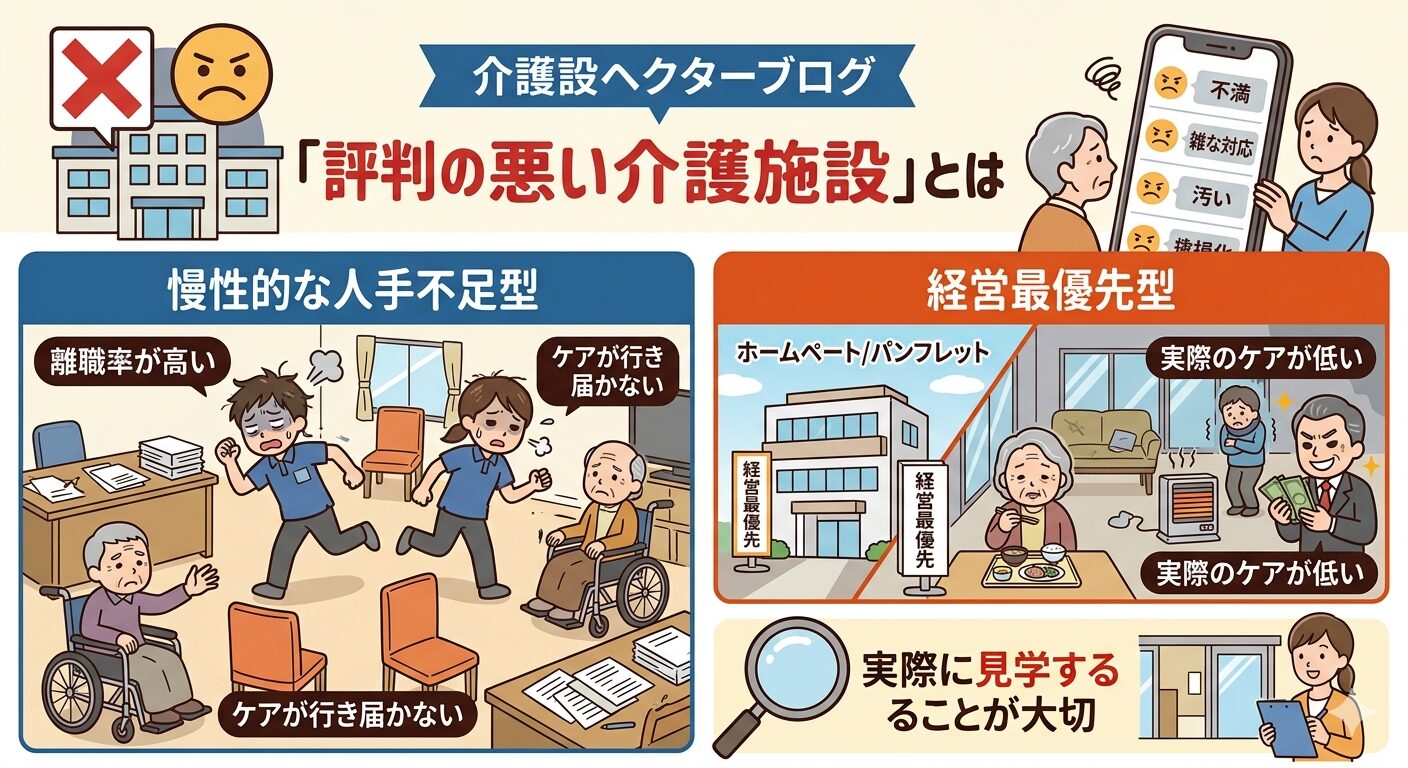
Behind the quiet residential facades of Kyoto’s historic wards, municipal auditors are confronting an uncomfortable reality within the city’s elder care network. Searches for "poorly rated nursing homes in Kyoto" (評判の悪い介護施設 京都) have surged among anxious families trying to separate online gossip from institutional failure. The issue is rarely just poor bedside manner; systemic labor shortages and financial strain have triggered formal regulatory interventions. As documented in an ITmedia Report on aggressive recruitment practices and staffing churn across the care sector, destabilized workforces regularly bleed into operational chaos. When facilities cut corners to maintain operational margins, municipal inspectors step in with formal sanctions.
📌 Key Takeaways:
- The Regulatory Reality: Kyoto municipal elder care inspections have shifted from passive annual check-ins to targeted operational audits, resulting in public reprimands and severe license revocations.
- The Core Vulnerability: Caregiver staffing ratio violations remain the leading precursor to neglect, with facilities falsifying rosters to conceal structural personnel shortages.
- The Path for Families: Official administrative guidance records and municipal abuse registries offer objective safety metrics that render anonymous online review boards obsolete.
Behind the Online Rumors: What Prompts Municipal Audits in Kyoto
Negative online chatter about a nursing home rarely emerges from thin air. In Kyoto's Sakyo, Fushimi, and Minami wards, families frequently report gradual declines in care quality before any formal whistleblower comes forward. Subtle changes happen first: unreturned phone calls from case managers, unexplained weight loss in residents, or lingering odors during weekend visits.
These indicators often signal broader structural breakdown. Under Japan’s Long-Term Care Insurance Act, municipal oversight teams initiate a formal long-term care insurance audit in Kyoto when discrepancies emerge between submitted insurance claims and ground-level staffing logs. Routine monitoring visits quickly morph into intensive investigations if auditors detect phantom shifts, caregivers logged on paper who were physically absent from the ward.
The city does not dispatch auditors based purely on anonymous forum posts. Concrete inspections require verifiable tips, internal staff disclosures, or formal family petitions. When investigators enter an unannounced audit, their focus settles on timecards, medication dispensing logs, and accident incident reports.
The Escalation Ladder: From Administrative Guidance to License Revocation
Japanese care oversight operates on a tiered enforcement framework. Minor documentation errors typically yield elderly care administrative guidance (gyosei shido). This non-punitive notice requires facility directors to submit an official correction schedule within 30 to 60 days. It serves as an initial warning shot.
Administrative Guidance (Improvement Plan)
↳ Formal Improvement Order (Public Scrutiny)
↳ Service Suspension (Revenue Freeze)
↳ Elder Care Facility License Revocation (Permanent Closure)
If a provider ignores guidance or conceals repeat infractions, the municipal government escalates enforcement to a binding improvement order (kaizen meirei). At this stage, Kyoto City makes the provider's regulatory failure public, warning prospective clients and drying up referral pipelines from regional hospital discharge coordinators.
The ultimate penalty is outright elder care facility license revocation (shitei torikeshi). Stripping a facility of its designated provider status under the Long-Term Care Insurance system ends its ability to bill the government for 70% to 90% of resident care expenses. For most operators, this decision triggers an immediate financial shutdown. In less severe cases, regulators impose partial suspensions of business, barring the home from accepting new admissions for six months while slashing reimbursement rates for existing residents.
Sanction Logs: Documented Infractions Across Kyoto Facilities
Public disclosures from Kyoto's Health and Welfare Bureau between 2023 and 2026 reveal clear patterns in enforcement actions. Violations cluster around three categories: payroll falsification, administrative billing fraud, and direct neglect of physical safety protocols.
| Sanction Level | Documented Infraction | Operational Consequence |
|---|---|---|
| Administrative Guidance | Minor documentation delays in individual care plans; delayed reporting of non-fatal resident falls. | Mandatory submission of internal correction plans within 30, 60 days; operational status remains active. |
| Administrative Improvement Order | Uncorrected caregiver staffing ratio violations; failure to conduct fire drills or maintain emergency logs. | Public disclosure on the Kyoto City portal; mandatory monthly progress audits by city officials. |
| Partial Operation Suspension | Systemic overbilling of nursing care additions; deliberate underreporting of physical restraint usage. | 3 to 6-month freeze on all new resident admissions; loss of specialized care billing allowances. |
| License Revocation | Intentional insurance reimbursement fraud; severe physical abuse; ghost-staffing cover-ups. | Complete loss of Long-Term Care Insurance designation; immediate relocation of all residents. |
These data points demonstrate that financial fraud and staffing violations often happen simultaneously. When facilities falsify staffing rosters to inflate insurance reimbursements, resident supervision plummets.
Staffing Ratios and the Mechanical Origins of Neglect
The statutory 3:1 resident-to-caregiver ratio is the central axis of Japanese elder care compliance. When this ratio collapses, routine care degrades rapidly.
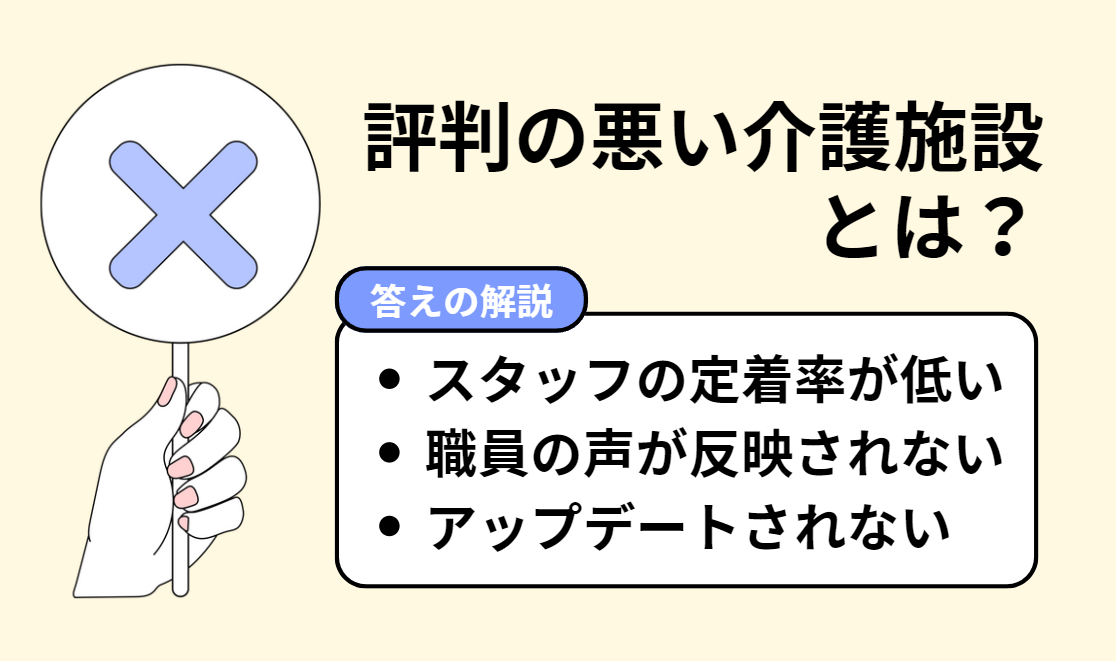
Staff turnover rates in Japanese nursing homes have remained high throughout 2024, 2026, driven by wage stagnation and systemic burnout. In poorly managed facilities, administrators plug gaps using temporary dispatch staff or cross-departmental administrative personnel who lack specialized clinical training. This stopgap approach creates blind spots. Special nursing home complaints (Tokuyo) handled by regional consumer centers frequently cite long wait times for call buttons, missed diaper changes, and unassisted bathroom transfers that lead to fractures.
Understaffed Shifts ➔ Rushed Transfers ➔ Fall Accidents ➔ Omission of Fall Logs ➔ Audit Violations
When caregivers must manage five or six high-acuity residents simultaneously during overnight shifts, protocols are abandoned out of exhaustion. Staff bypass two-person transfer protocols, defer repositioning routines that prevent pressure ulcers, and lean into chemical or environmental restraints to keep residents stationary. These operational compromises mark the line where understaffing turns into criminal neglect.
Deconstructing Abuse Investigation Reports and Safety Disclosures
Kyoto municipal elder care inspections treat zero-tolerance abuse policies as more than just physical violence. The Elderly Abuse Prevention Act classifies neglect, psychological intimidation, and financial exploitation alongside direct physical harm.
Official elder abuse investigation reports Kyoto regulators compile routinely expose psychological degradation as an early symptom of institutional collapse. Staff mock residents with cognitive decline, ignore call bells intentionally, or isolate vocal residents in distant rooms.
Families can spot nursing home neglect warning signs before municipal inspectors file formal charges. Key indicators include:
- Unexplained bruising patterned on the inner thighs, upper arms, or wrists, indicating improper physical restraint or forceful handling.
- Repeated dehydration diagnoses requiring emergency intravenous fluids at nearby hospitals.
- Broken or disabled call-bell units near the resident's bed.
- A noticeable smell of ammonia or dampness in private rooms, pointing to infrequent change schedules.
- Rapid changes in a resident's mood, especially heightened anxiety or withdrawal when specific shift supervisors enter the room.
Facility safety compliance records must detail all accidental injuries and the exact measures taken to prevent recurrences. Facilities that maintain spotless records with zero reported falls or skin tears over several years rarely demonstrate flawless care. Instead, they often indicate a culture of suppression where staff conceal minor mistakes until a catastrophic incident forces an external review.
Choosing a Safe Care Home in Kyoto: Navigating Beyond Online Rumors
Online review portals are unreliable evaluators for specialized medical and palliative facilities. Negative reviews frequently stem from minor family disputes or former employees venting over internal disagreements. Conversely, positive reviews can be curated by facility marketing teams.
Finding a safe care home in Kyoto requires inspecting formal public documentation and conducting focused site visits:
- Review the Official Registry: Consult the Kyoto City Long-Term Care Insurance Provider Information system (Kyoto-shi Kaigo Service Jigyosho Joho) alongside Japan’s national WAM NET registry. Cross-reference whether the prospective facility has received formal improvement guidance within the last 36 months.
- Examine the Provider's Roster: Ask for the direct ratio of permanent, certified care workers (Kaigo Fukushishi) to temporary dispatch staff. A certified staff ratio above 60% typically signals lower turnover and safer institutional routines.
- Conduct Off-Peak Visits: Visit the home unannounced around 11:30 AM or 5:00 PM during meal services. Observe how staff handle dining assistance. Are workers seated at eye level with residents, or are they feeding individuals standing up while rushing between rooms?
- Inspect Accident Logs Directly: Request the home’s official incident logbook during your introductory consultation. Reputable administrators share their fall rates, explain root causes, and present their corrective protocols without hesitation.
Frequently Asked Questions (FAQ)
Where can families check Kyoto municipal elder care inspections and administrative guidance records?
Kyoto City publishes administrative sanctions, license suspensions, and formal improvement orders on the official Kyoto City Health and Welfare Bureau portal (*Hoken Fukushi-kyoku*). Comprehensive operational histories and baseline service metrics are also maintained nationally via the WAM NET welfare information clearinghouse.
What constitutes a caregiver staffing ratio violation under Japanese long-term care insurance?
Japanese regulations generally mandate a minimum ratio of one full-time equivalent care or nursing worker for every three residents (3:1) in designated facilities like Tokuyo and regular nursing homes. Violations occur when staffing drops below this threshold without approved variance plans, or when administrators log non-care administrative staff as floor workers to secure full insurance reimbursements.
How do private paid nursing homes (Yuryo) differ from special nursing homes (Tokuyo) in regulatory penalties?
Special nursing homes (*Tokuyo*) are operated by social welfare corporations and rely heavily on public insurance funding, meaning a license revocation strips away their primary financial support. Private paid nursing homes (*Yuryo Rojin Home*) operate under dual frameworks: their care service designations can be revoked by Kyoto City under long-term care insurance laws, while their baseline operating permits are governed by municipal housing and welfare divisions under the Social Welfare Act.
Accountability and Long-Term Diligence in Kyoto Elder Care
Kyoto’s aging demographics will continue to test the financial and physical limits of its care network through the latter half of the decade. As budget strains and personnel deficits mount, municipal surveillance serves as a necessary check on institutional decay.
Protecting elderly family members requires moving past surface impressions and glossy brochures. Beautiful gardens and polished reception areas cannot compensate for broken caregiver ratios, opaque accident histories, or an evasion of regulatory accountability. Families who build their decisions on public audit findings, verify staff certification rates, and track municipal sanction logs gain the clarity needed to secure safe, dignified care.