Kyoto Hospitality Real-Time Update: Hotel Intergate Unveils Gion Matsuri Plans

Granvista Hotels and Resorts has officially opened reservations for its 2026 festival program at Hotel Intergate Kyoto Shijo Shinmachi, granting travelers direct access to the historic Minami Kannon-yama float during Kyoto's legendary Gion Matsuri. Confirmed through an official 産経新聞 Report, the release establishes an early operational timeline for international and domestic guests seeking prime accommodations along the festival's procession route. The downtown boutique hotel positions travelers within walking distance of the central July spectacles, pairing modern lodging with direct neighborhood preservation ties.
Demand for Kyoto festival viewing accommodations spikes dramatically every summer, yet access to authentic preservation spaces remains rare for independent visitors. By partnering directly with the preservation association of the Minami Kannon-yama, the hotel bypasses crowded street perches, securing curated entry to evening rituals and festival activities that define late July in the ancient capital.
📌 Key Takeaways:
- The Development: Granvista Hotels and Resorts unveiled its specialized July 2026 Gion Matsuri accommodations centered on the historic Minami Kannon-yama float.
- Strategic Position: The property sits directly on Shinmachi Street, placing guests directly beside active float-building sites and night market corridors during the Ato Matsuri.
- Logistical Realities: The program pairs private cultural access with tactical transit guidance for travelers arriving via the Kyoto-Minami interchange corridor or central Kyoto Station.
The Cultural Significance of Shinmachi Street During Ato Matsuri
Shinmachi Street serves as the structural spine of Kyoto's Ato Matsuri, the second and more introspective half of the Gion Matsuri. Unlike the larger Saki Matsuri procession that draws hundreds of thousands of spectators to broad thoroughfares earlier in July, the Ato Matsuri retains a distinctly residential, neighborhood-driven rhythm. Float builders erect massive wooden structures without nails, relying on intricate rope-tying techniques refined across centuries.
Hotel Intergate Kyoto Shijo Shinmachi occupies a rare physical footprint within this heritage grid. Step outside the hotel entrance, and the towering timbers of the Minami Kannon-yama rise mere meters away. The float venerates the bodhisattva Avalokiteshvara alongside the physician-deity Yoryu Kannon. Local preservation groups maintain these sacred treasures in nearby町家 (machiya) storehouses, assembling them in full public view only once a year.
Staying directly along Shinmachi eliminates the frantic search for viewing spots. Guests can observe carpenters tensioning timber frames at dawn and watch musicians practice festival flutes (gion-bayashi) by dusk. This intimate proximity transforms an otherwise chaotic street spectacle into an immersive cultural retreat.
Inside the 2026 Minami Kannon-yama Hospitality Package
The hotel's curated festival offerings center on exclusivity and structured neighborhood access. Rather than treating Gion Matsuri as a distant visual backdrop, the packages incorporate neighborhood preservation support, offering travelers official commemorative items, traditional wooden charms, and guided entry to festival exhibitions.
Guests booking these dedicated rooms receive access to the interior viewing grounds of the Minami Kannon-yama preservation house. During the festive Yoiyama evenings leading up to the main parade, visitors can climb the temporary gangways to inspect the float's Edo-period tapestries, carved woodwork, and sacred icons up close. These spaces are typically restricted to neighborhood guild members and registered patrons.
Granvista designed the program to solve common friction points encountered by international visitors. Finding traditional Japanese festival hospitality often requires personal introductions or cumbersome Japanese-language mail lotteries. The 2026 release consolidates lodging, curated admission passes, and multilingual cultural briefings into an accessible single-point reservation system.
Procession Timelines and Critical Reservation Windows
The Ato Matsuri runs on a precise, strict civic schedule, demanding sharp timing from travelers planning their itineraries. The Minami Kannon-yama float participates in the Yamahoko Junko procession on July 24, but the experiential heart of the festival unfolds across the preceding three nights during Yoiyama.
The table below outlines the operational timeline and key milestones for the July 2026 festival stay:
| Date Window | Festival Milestone | Guest Program Features |
|---|---|---|
| July 18, July 20 | Hoko-tate (Float Construction) | Street-level observation of master timber lashing outside hotel lobby |
| July 21, July 23 | Yoiyama Evening Celebrations | Curated entry to preservation display; lantern lightings; souvenir chimaki talisman distribution |
| July 24 (Morning) | Yamahoko Junko Grand Procession | Guaranteed front-row departure viewing along Shinmachi and Shijo corridors |
| July 24 (Evening) | Mikoshi Togyo (Shrine Processions) | Evening return rituals carrying Yasaka Shrine portable shrines back to Gion |
Inventory for downtown Kyoto boutique hotels during these specific dates notoriously sells out six to eight months in advance. Securing a room through this structured release ensures festival travelers avoid exorbitant secondary market spikes on Shijo Street hotel deals.
Navigating Transit Realities: From the Kyoto-Minami Interchange to Shijo
Summer in Kyoto brings severe traffic restrictions across the central Nakagyo and Shimogyo wards. Understanding regional transit logistics is essential for visitors heading into the city core, particularly for travelers arriving by car from the Kansai expressway network.
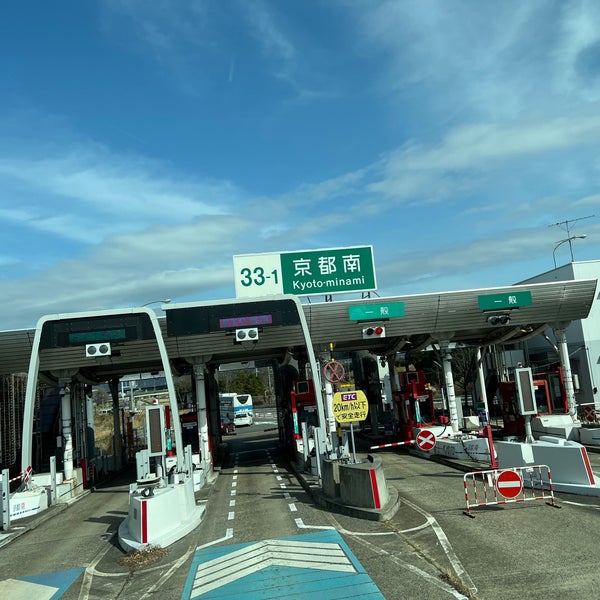
Drivers using the Meishin Expressway must exit at the Kyoto-Minami Interchange (京都南インター), located approximately six kilometers south of Shijo-Shinmachi. During festival week, attempting to drive straight to the hotel's front doors is impractical due to extensive pedestrian zones and street closures. Shinmachi-dori transforms into an active ceremonial construction site, barring all vehicular traffic.
Smart travelers park their vehicles at park-and-ride facilities near Kyoto-Minami or Kyoto Station, transitioning to the Karasuma Subway Line. Exiting at Shijo Station or Karasuma Station puts you within an easy five-minute walk of the hotel. Arriving via public transit shields visitors from gridlock, allowing easy bag drops before diving into the festival atmosphere.
Granvista’s Strategic Bet on Experiential Urban Tourism
The hospitality sector in Kyoto has reached an inflection point. With international arrivals breaking historic records and city authorities introducing stricter tourist management measures, modern travelers gravitate toward accommodations that balance boutique comfort with meaningful cultural grounding.
Hotel Intergate Kyoto Shijo Shinmachi reflects this strategic evolution. Granvista Hotels and Resorts positions the Intergate brand between generic business hotels and prohibitive luxury ryokans. The property provides modern lifestyle amenities, including an expansive communal lounge with complimentary matcha workshops, evening wine tastings, and public bath facilities, while actively partnering with its immediate chonaikai (neighborhood association).
This approach protects local culture while welcoming international guests. Part of the proceeds from festival stays directly funds the ongoing maintenance, textile preservation, and timber restoration of the Minami Kannon-yama. Guests become contributors to Kyoto’s living heritage rather than passive onlookers straining for views behind crowd barricades.
Frequently Asked Questions (FAQ)
Q1: What is the primary difference between Saki Matsuri and Ato Matsuri during Gion Matsuri?
A1: Saki Matsuri (early festival, July 10, 17) is significantly larger, featuring 23 floats and heavy street crowds. Ato Matsuri (later festival, July 18, 24) features 11 floats, including the Minami Kannon-yama. It offers a quieter, more traditional neighborhood atmosphere with fewer overwhelming tourist crowds.
Q2: Can hotel guests ride on the Minami Kannon-yama float during the procession?
A2: No. Riding the floats during the official Yamahoko Junko procession on July 24 is strictly reserved for designated neighborhood musicians and elders. However, package guests receive special daytime access to climb and view the float interior during the Yoiyama preparation days (July 21, 23).
Q3: How should guests arriving by expressway from Kyoto-Minami IC manage luggage and parking?
A3: Because Shinmachi Street is closed to motor traffic for float construction, hotel on-site parking is unavailable during the festival. Guests should park at monitored transit parking hubs near Kyoto Station or along the southern Karasuma corridor, then take the Karasuma Subway Line to Shijo Station.
Planning Ahead for Kyoto Summer Travel
Securing a spot in Kyoto's festival quarter requires decisiveness and early preparation. As Granvista rolls out its 2026 Gion Matsuri allocations, the window for securing accommodations with authentic neighborhood integration narrows quickly. Travelers seeking a summer itinerary built on cultural heritage rather than generic sightseeing should finalize their bookings across the spring months, coordinate arrivals around the city's transport closures, and prepare to witness centuries-old traditions unfold right outside their doors.