Kyoto's Ultimate Jiro Cult Ramen Hits Kawaramachi: What Awaits at the New Chikyu Kibo Shop

Kyoto’s quiet side streets have long harbored deep noodle obsessions, but downtown Kawaramachi is preparing for a heavy injection of molten backfat, dense alkaline wheat, and raw garlic. On October 3, 2026, legendary Kansai noodle institution Ramen So Chikyu Kibo de Kangaero will open its newest outpost, officially named Chikyu Kibo de Kangaero Sun, directly in Kyoto's bustling commercial core.
The high-profile opening marks a dramatic downtown expansion for the cult-classic brand. According to an official ORICON NEWS Report, Zenmashi Co., an operating subsidiary of Kyoto food enterprise THAN Inc. led by Representative Director Masaaki Inoue, has established the shop at 262 Kitakurumayacho in Nakagyo Ward. Bringing a massive-portion noodle shop to the heart of the Yasaka Kawaramachi food scene represents an aggressive shift for a brand that built its mythology in peripheral university suburbs.
📌 Key Takeaways:
- Opening Date & Location: Chikyu Kibo de Kangaero Sun opens October 3, 2026, at 262 Kitakurumayacho, Nakagyo Ward, Kyoto.
- Corporate Backing: Operated by Zenmashi Co. under the THAN Inc. group, spearheading the central commercial expansion of the cult brand.
- Signature Experience: Retains signature 300-gram standard noodle batches, emulsified pork stock, and the iconic pork backfat and garlic call.
The Port Arthur Roots Behind the Chikyu Kibo Phenomenon
Ramen So Chikyu Kibo de Kangaero, translated literally as "Think on a Global Scale", carries one of the most celebrated lineages in Kansai dining. The brand traces its direct roots back through the legendary Ramen So umbrella, born from the broader diaspora of Tokyo’s original Mita Ramen Jiro and the iconic Fuji Maru tradition. When the first Chikyu Kibo shop opened in Fushimi decades ago, it transformed Kyoto’s dining landscape. The shop introduced a city revered for delicate dashi and refined multi-course dining to the chaotic, hyper-caloric intensity of Jirorian food culture.
The brand quickly developed an almost religious following among local university students and blue-collar workers. Eating here was never a passive meal. Patrons stood in rain and summer heat along suburban sidewalks for up to two hours, awaiting bowls crowned with thick-cut braised pork char siu, towering cabbage pyramids, and pungent spoonfuls of crushed raw garlic. With the upcoming Kawaramachi location, the brand breaks away from peripheral college towns and steps into Kyoto’s highest-rent retail thoroughfare.
Inside the Kawaramachi Footprint: What Diners Will Encounter
Securing real estate at 262 Kitakurumayacho places the new branch inside Nakagyo Ward's most competitive retail grid. Kawaramachi has spent decades curating an aesthetic dominated by stylish matcha parlors, specialty drip-coffee counters, and boutique soba bars. Chikyu Kibo de Kangaero Sun directly disrupts that polished atmosphere.
Inside the shop, the operational formula mirrors the classic Ramen So identity. Diners will navigate an automated ticket vending machine (shokenki) upon entry before taking their seats at a utilitarian counter facing an open kitchen. Huge stainless-steel stockpots will simmer continuously, extracting gelatin and lipids from fractured pork bones across multi-day boil cycles. The scent of boiling shoyu, rendered marrow, and aged mirin will hit visitors well before they reach the counter stools.
Deconstructing the Bowl: Emulsified Broth, Flat Wheat, and Heavy Fat
Jiro-inspired ramen Kyoto style reaches its textural peak through Chikyu Kibo’s kitchen execution. While Tokyo’s classical Jiro shops often serve a semi-separated broth with clear layers of liquid lard floating above seasoned soy soup, Chikyu Kibo leans into heavy emulsification. Pork bones, fat caps, and connective tissue breakdown into a frothy, opaque tonkotsu shoyu base that clings aggressively to everything it touches.
The noodles provide structural support against this immense soup. Kneaded with low-hydration dough and alkaline salts, the flat, wavy noodles are intentionally boiled al dente. They feature a rough, textured exterior designed to drag rich pork broth straight from the bowl. A standard regular serving starts at an intimidating 300 grams of dry noodles, roughly double the volume of a conventional Tokyo shoyu ramen. Diners unprepared for this scale regularly struggle to finish, which leads directly to the strict operational customs governing the dining room.
Operational Metrics: How the Kawaramachi Outpost Compares
Integrating a high-volume, massive portion noodle shop into central Kyoto requires specific operational shifts compared to older suburban branches. The table below outlines how the Kawaramachi site fits against regional benchmarks.
| Operational Factor | Chikyu Kibo Sun (Kawaramachi) | Chikyu Kibo (Fushimi Flagship) | Standard Tokyo Jiro Branch |
|---|---|---|---|
| Target Footprint | Nakagyo Ward, high-density retail | Fushimi Ward, residential/student hub | Varies (suburban or transit hubs) |
| Standard Noodle Mass | 300g (Downsizing option available) | 300g standard (400g+ large) | 300g, 350g standard |
| Broth Profile | Heavily emulsified, sweet-savory tare | Thick emulsified, concentrated pork | Semi-emulsified to separated oil-layer |
| Customer Demographic | Tourists, office staff, youth | Hardcore regulars, college students | Purist Jirorians, local workforce |
Navigating the Ritual: Etiquette, Timing, and the Garlic Call
Ordering at Chikyu Kibo follows strict shop customs. Understanding the process prevents friction with staff and ensures you receive the exact portion you can handle. First-time visitors must understand one non-negotiable rule: leaving food behind is considered bad form across the entire Jiro community.
The ritual unfolds in distinct stages:
- The Clothespin System: When purchasing your ticket, colored clothespins placed on your card signal smaller portions. If 300 grams sounds overwhelming, take a clip to reduce the noodles to 200 grams or 150 grams.
- Silent Waiting: Keep conversation minimal while seated at the counter. Counter space is tight, and cooks operate on precise boiling timers.
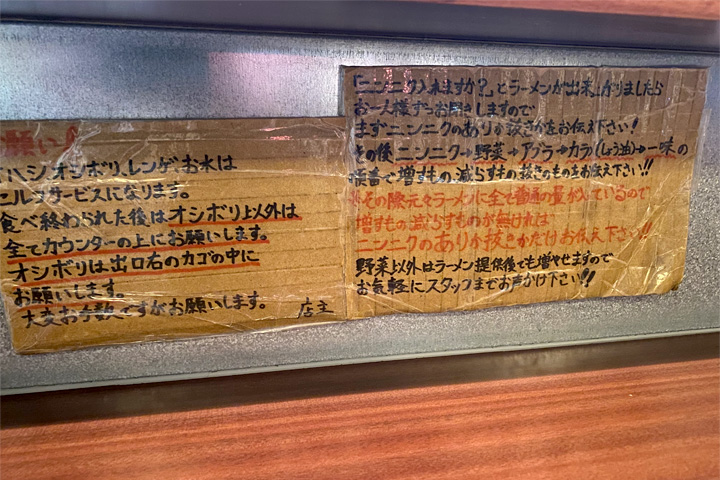
- The Call (Call of Fate): Moments before your bowl is served, the chef will look directly at you and ask: "Ninniku iremasu ka?" (Will you take garlic?). This is not a simple yes-or-no inquiry; it is your cue to request free adjustments across four toppings:
- Ninniku (Fresh minced raw garlic)
- Yasai (Steamed bean sprouts and cabbage)
- Abura (Seasoned pork backfat cubes)
- Karame (Extra concentrated soy tare seasoning)
- The Answer: State your preferences clearly. Calling out "Ninniku, Yasai-mashi, Abura" instructs the chef to add garlic, an extra mound of vegetables, and a generous ladle of sweet, braised backfat over the summit.
Zenmashi and the THAN Group's Expansion Play
The establishment of Chikyu Kibo de Kangaero Sun is not an isolated opening. It reflects an ambitious corporate maneuver orchestrated by Masaaki Inoue through Zenmashi Co. and parent firm THAN Inc. Historically, Jiro-style establishments avoided prime retail corridors due to thin profit margins on cheap carbohydrates and long customer dwell times. Purists preferred out-of-the-way locations where low overheads allowed shops to cater exclusively to die-hard local regulars.
By bringing this concept into Kawaramachi, Inoue is banking on shifting customer demographics. Downtown foot traffic includes international visitors hungry for authentic culinary subcultures, domestic travelers, and young office workers seeking high-value comfort food. Yet this approach carries commercial risks. If service slows down to accommodate inexperienced patrons unfamiliar with the ordering etiquette, wait times could swell to unmanageable levels, potentially alienating the brand's core following. Managing counter efficiency while teaching casual diners the ritual will prove decisive for Zenmashi's downtown experiment.
Frequently Asked Questions (FAQ)
Q1: Can I request a smaller portion if I cannot eat 300 grams of noodles?
Yes. Use the colored clothespins available near the ticket vending machine, or inform the chef when presenting your ticket that you want "Sukuname" (less, roughly 200g) or "Hanbun" (half, roughly 150g). Your price remains the same, but you avoid wasting food.
Q2: Is Chikyu Kibo de Kangaero Sun suitable for groups or children?
No. Like most traditional Jiro-style shops, the counter layout is designed for single diners moving quickly through their meal. Groups will likely be split up, high chairs do not exist, and sharing a single bowl across two people is strictly prohibited.
Q3: How early should diners queue up during opening week in October 2026?
Given the high density of Kawaramachi and the dedicated following of the Ramen So brand, anticipate lines forming 60 to 90 minutes before opening. Arriving mid-afternoon between peak lunch and dinner rushes will offer the shortest wait times.
The Changing Flavor Profile of Downtown Kyoto
The debut of Chikyu Kibo de Kangaero Sun marks a major cultural collision in Nakagyo Ward. Kyoto's historic center has worked hard to project an image of quiet culinary craftsmanship, but the arrival of dense wheat mounds and steaming lard bowls reflects the raw, unvarnished realities of modern Japanese appetite. For visitors and residents tired of polite portions, Kawaramachi's newest counter delivers pure, unfiltered sustenance without compromise.