Lap Dance vs. Rap Dance: Fact-Checking the History, Etymology, and Trend Confusion
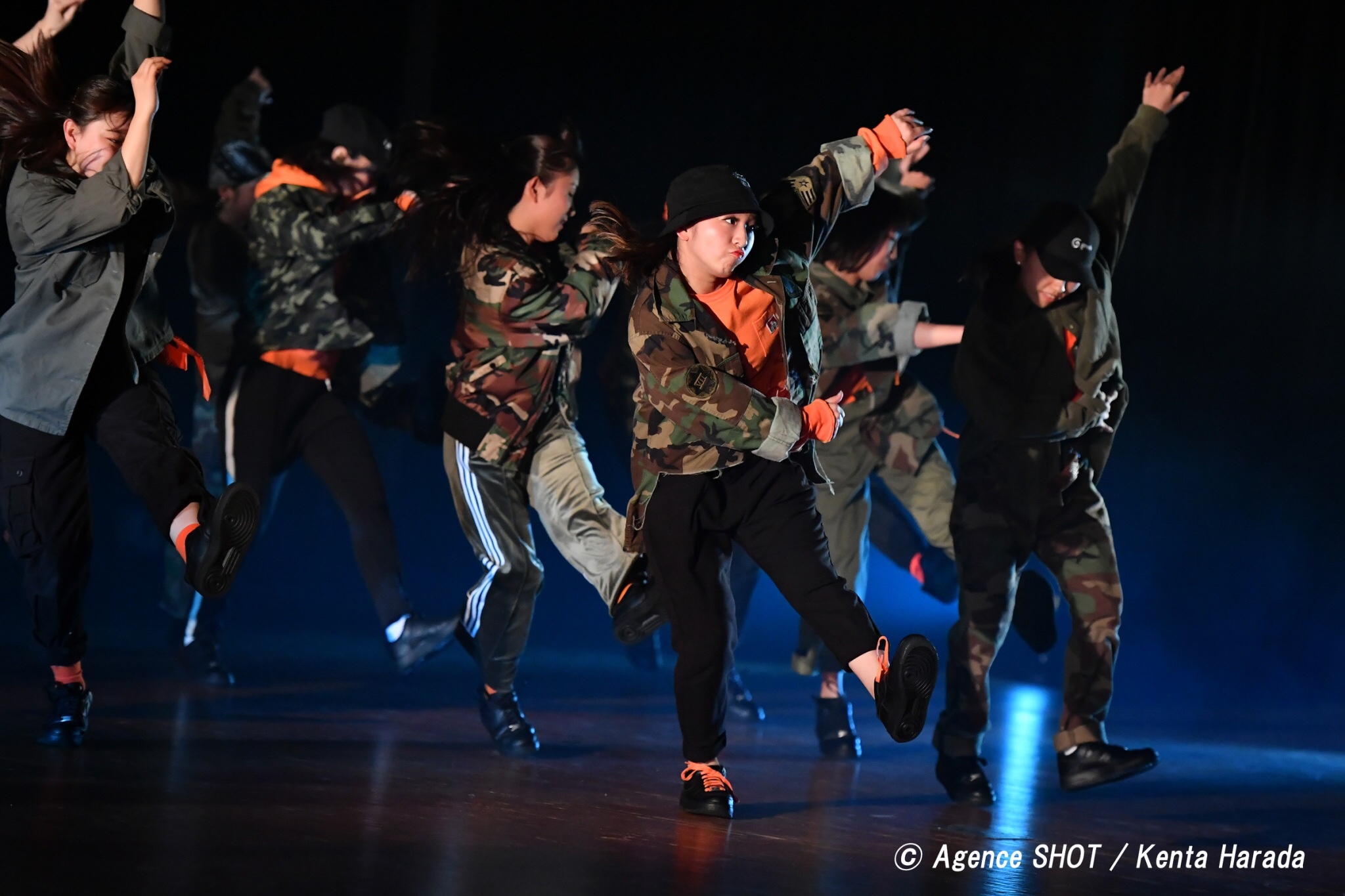
Search engines across East Asia and Western social feeds have seen a persistent surge around the query "ラップダンスとは" (what is a lap dance / rap dance), exposing an intriguing collision between phonetics, club traditions, and viral music routines. Katakana scripts collapse the English "L" and "R" into identical syllables, meaning a private adult entertainment routine and an energetic hip-hop choreography end up sharing the exact label: rappu dansu. As documented in viral performance trackers, including a widely circulated YouTube Report, millions of viewers seeking dance challenges often stumble straight into adult industry histories, and vice versa.
The linguistic collision has spilled into real-world entertainment. Electronic producers, J-pop performers like BE:FIRST's Sota, and global chart-toppers have blurred urban street choreography with hybrid club rhythms. Disentangling the two expressions requires looking at mid-century strip club economics, 1970s South Bronx block parties, and the phonetic constraints that turn two unrelated concepts into a single trending search.
📌 Key Takeaways:
- The Phonetic Root: Japanese katakana renders both "lap" and "rap" as rappu (ラップ), merging an adult nightclub service with hip-hop stage choreography into an identical query.
- Distinct Traditions: Lap dancing originated in mid-twentieth-century North American exotic clubs, whereas rap-focused dance emerged from African American street culture and breakbeat breaks.
- Current Crossovers: Modern bass-heavy club records, such as Max Styler's tech-house hybrids and Kygo's chart-topping 2026 sports-rap remixes, continue to connect urban vocal cadences with dynamic floor routines.
How Katakana Mechanics Sparked an Online Confusion
The ambiguity starts inside the Japanese syllabary. The writing system uses ra (ラ), ri (リ), ru (ル), re (レ), and ro (ロ) to represent alveolar taps that sit midway between the English liquid consonants /l/ and /r/. Consequently, "lap dance" translates directly into rappu dansu (ラップダンス). At the same time, rhythmic vocal delivery, rap, converts into the exact same characters.
When international audiences search local Japanese platforms or when bilingual social media users track trending choreography tags, the algorithms treat the entries identically. A searcher hunting for technical tutorials covering breakdance footwork or pop-rap stage moves can trigger results outlining adult club regulations.
The confusion runs both directions. During the autumn of 2026, anime dance clips, including VTuber creations like the Kirin V "Usagi Rap" anime routine, went viral across TikTok and YouTube Shorts under variations of the `#dance` and `#ラップ` tags. Casual international viewers assumed the tag denoted sensual performances, only to find cartoon rabbits executing precision hip-hop isolation steps.
The Adult Entertainment Origins of the Traditional Lap Dance
The physical lap dance developed inside licensed North American gentlemen's clubs during the late 1970s and early 1980s. Prior to this shift, strip clubs relied on centralized burlesque stages where performers remained separated from patrons by brass rails and orchestra pits. The economic downturn of the late 1970s prompted venue owners in cities like Houston, Miami, and Los Angeles to offer private table dances and semi-private booth services to increase revenue.
By 1985, standard club billing formalized the interaction: a patron pays a set fee, originally $10 to $20 for a three-minute song, for seated, close-proximity choreography. Sociologist Katherine Frank and labor researchers documenting adult performance venues have noted that the lap dance transformed exotic dance from theatrical spectator entertainment into an intimate service economy.
Legislation quickly followed the rise of table-side routines. Municipalities across the United States instituted "six-foot rules" and physical contact bans throughout the 1990s, forcing clubs to alter spatial designs. The performance requires core stabilization, balance control, and rhythmic pacing, yet its institutional definition remains tied to adult service venues rather than competitive dance circuits.
Hip-Hop Breaks and the Birth of Street-Level Rap Choreography
Rap dancing emerged from an entirely separate lineage rooted in the South Bronx during the early 1970s. When DJs like Kool Herc and Grandmaster Flash extended percussion breaks using twin turntables, youth assembled at neighborhood block parties to dance across those instrumental intervals. The resulting movement vocabulary gave rise to b-boying, breaking, popping, and locking.
As MCs began rhyming over breaks to manage the crowd, vocal cadence and footwork became synchronized. The 1980s music video boom propelled street crews from asphalt sidewalks to soundstages:
- Rock Steady Crew demonstrated ground power moves in commercial releases like Flashdance (1983).
- West Coast popping pioneers, including the Electric Boogaloos, brought robotic pantomime and joint snapping to mainstream television.
- Artists like MC Hammer and Vanilla Ice institutionalized synchronized backup dance troupes on major rap tours between 1989 and 1991.
Unlike the seated, one-on-one staging of exotic venues, urban rap dance thrives on public cyphers, syncopated rhythm, and explosive athletic power. Dancers respond directly to the snare snap, the sub-bass kick, and the rhythmic flow of the lyrics.
Key Distinctions Across Origins, Venues, and Cultural Functions
To understand why these performance types diverged so sharply, it helps to examine their development side by side:
| Structural Category | Lap Dance (Exotic Club Culture) | Rap Dance (Urban Street Culture) |
|---|---|---|
| Historical Origin | North American burlesque & gentlemen's clubs (c. 1978, 1985) | South Bronx block parties & park jams (c. 1973, 1979) |
| Core Performance Objective | Intimate entertainment, personal tip generation, and sensual display | Rhythmic expression, competitive cypher battles, and stage sync |
| Typical Venue | Private VIP rooms, adult venues, licensed strip clubs | Street cyphers, concert arenas, dance studios, music videos |
| Primary Movement Focus | Close-range hip rotations, floorwork, controlled body weight shifts | Toprock, footwork, pops, locks, isolations, and acrobatic power moves |
| Monetization Model | Direct customer gratuities, song rates ($20, $100+ per session) | Tour contracts, battle prize pools, digital royalties, commercial endorsements |
Modern Music Crossovers and 2026 Production Trends
While the structural differences remain unambiguous, commercial music has actively engineered spaces where hip-hop delivery and club-floor choreography meet. Producers in 2026 frequently fuse house music percussion with rapid rap flows, providing dancers with distinct, hybrid tempos.
In February 2026, house producer Max Styler released tracks blending indie-dance grooves, tech-house baselines, and syncopated rap vocals via EDM MAXX distribution. Dancers who choreograph routines to these records rely on hip-hop footwork executed over 126-BPM four-on-the-floor kicks.
Similarly, global chart metrics highlight how street rap vocals dominate global dance arenas. In July 2026, Norwegian producer Kygo released a dance remix built around soccer star Erling Haaland's viral rap performance, which shot straight to Number 1 on Spotify Norway. Dancers across Europe and Japan generated short-form routines matching technical house shuffling to the athletic bounce of the verses.
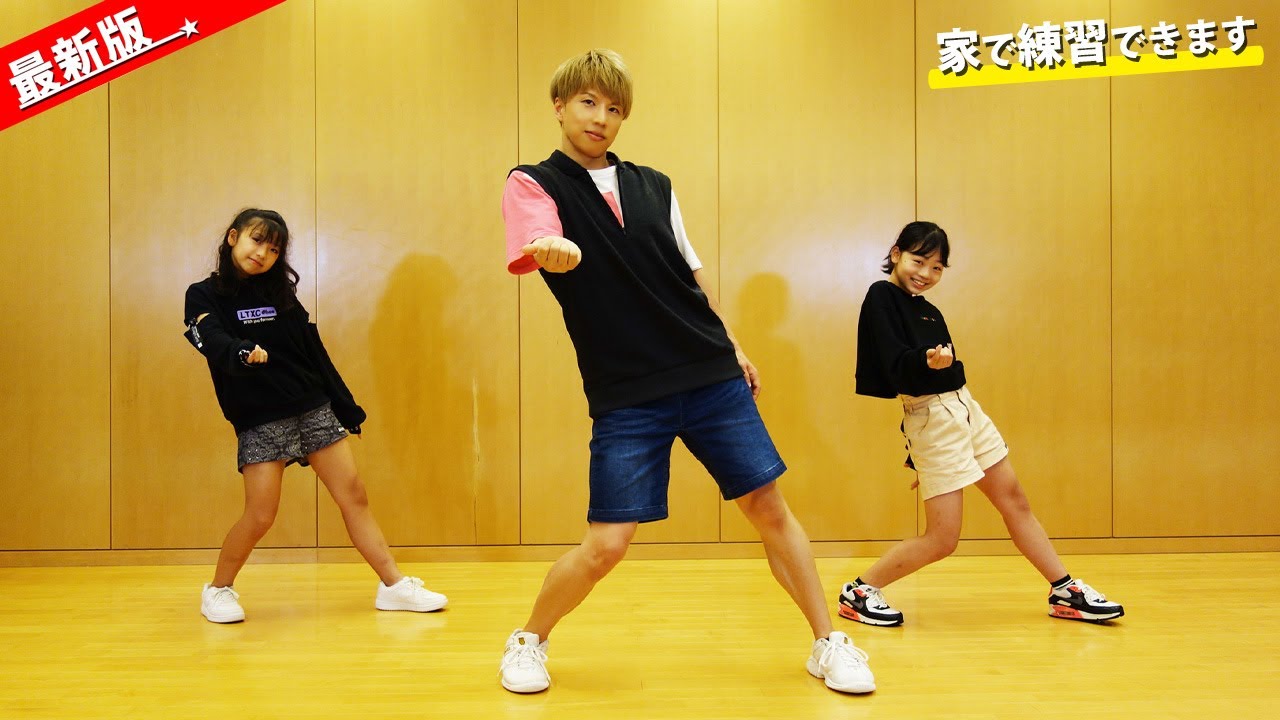
Japanese pop groups have reinforced this hybrid style. Performers such as Sota from BE:FIRST have showcased how world-championship urban dance credentials translate into mainstream pop-rap choreography. His precision isolations demonstrate that modern rap choreography functions as an Olympic-level athletic discipline rather than casual stage accompaniment.
Frequently Asked Questions (FAQ)
Q1: Why do Japanese search engines return mixed results for "ラップダンス"?
A1: The Japanese writing system lacks distinct characters for "L" and "R". It transcribes both words into rappu (ラップ). As a result, algorithms index both "lap dance" and "rap dance" under the exact same phonetic phrase.
Q2: Is "rap dance" recognized as an official genre name in dance competitions?
A2: Professional battle circuits and sanctioning bodies do not use "rap dance" as a formal category. Instead, they divide disciplines into specific styles such as Breaking, Hip-Hop Freestyle, Popping, Locking, Krump, and House.
Q3: How did hip-hop choreography first enter mainstream pop music?
A3: During the early 1980s, breakdance crews appeared in motion pictures and music videos for mainstream artists. By 1990, artists like MC Hammer, Janet Jackson, and Heavy D integrated complex street choreography into commercial arena tours, establishing urban dance as an industry standard.
Navigating Linguistic Nuance in Global Pop Culture
The confusion surrounding rappu dansu highlights how digital indexing and phonetic translation shape cultural discovery. A single transcription quirk links an intimate, heavily regulated adult entertainment service with a half-century of global street dance history.
As digital algorithms aggregate global media across languages, cross-cultural literacy becomes vital for choreographers, music journalists, and casual searchers. Recognizing the distinct paths of the mid-century club booth and the South Bronx street cypher preserves the clear history behind both forms of performance.