Marugen Ramen Reaches 239 Outlets: Nationwide Hiring and Work Wear Updates
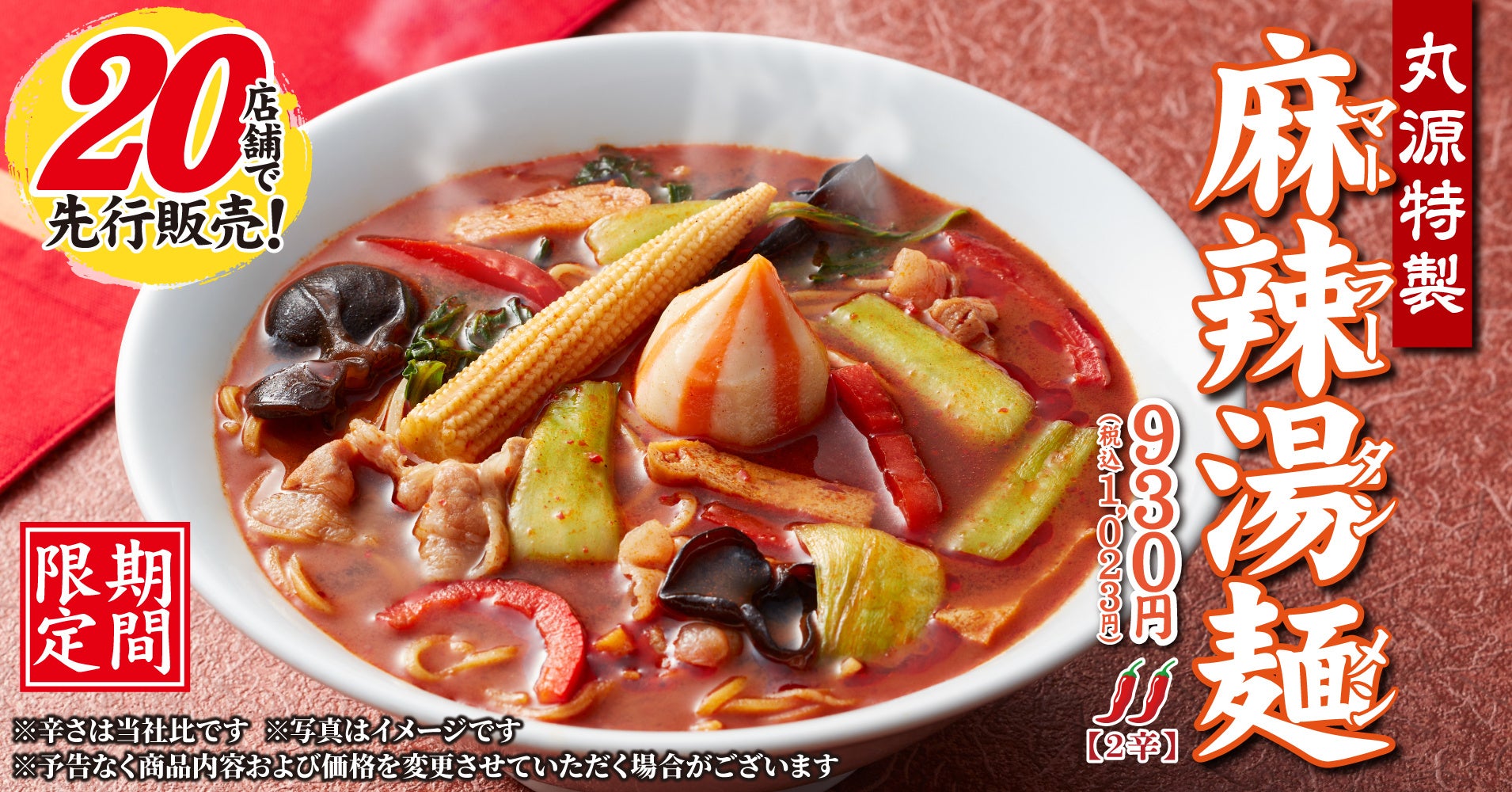
Monogatari Corporation continues its aggressive suburban expansion across Japan, officially bringing Marugen Ramen to 239 outlets nationwide this spring. Recent launches, including the brand's milestone entrance into Aomori Prefecture with the Aomori Kanko-dori branch and a high-volume opening in Kakogawa Hiraokacho, have triggered a hiring surge across regional road networks. As documented in a recent PR TIMES Report detailing corporate initiatives under President Hisayuki Kato, rapid chain growth demands tighter operational consistency. That push lands squarely on store-level personnel, where revised standards for crew work wear and presentation have taken effect across both kitchen lines and dining halls.
📌 Quick Summary:
- Store Growth: Marugen Ramen crossed 239 operational locations in May 2026 following successful late-2025 entries into northern Honshu and Hyogo Prefecture.
- Operational Focus: Monogatari Corporation has updated uniform guidelines, balancing traditional noodle shop gear with modern hospitality expectations.
- Crew Readiness: Kitchen safety rules mandate certified non-slip footwear and hair containment, while front-of-house grooming policies show calculated flexibility.
The Roadside Engine Behind Monogatari Corporation’s Growth
Marugen Ramen got its start in June 2001 in Anjo, Aichi Prefecture. Built from day one around car-borne families, the chain prioritizes massive roadside parking lots, wide booth seating, and open-plan kitchen theatrics. It operates under the corporate umbrella of Monogatari Corporation, the Toyohashi-based restaurant titan that also steers the dominant Yakiniku King sister brand. President Hisayuki Kato has maintained an aggressive rollout schedule, steadily moving the brand from 238 locations in mid-April to 239 stores nationwide by early May 2026.
Opening locations in peripheral markets like Aomori and Kakogawa requires mass onboarding of part-time high schoolers, university students, and homemakers. In casual Japanese dining, high labor turnover is an everyday reality. Standardizing how staff look, move, and maintain hygiene protects the chain's family-friendly reputation. When dozens of new workers start simultaneously at a newly constructed store, uniform enforcement serves as the front line of operational discipline.
Floor vs. Kitchen: The Anatomy of Marugen Ramen Work Wear
Every Marugen Ramen crew member falls into one of two operational tracks: hall (service) or kitchen (culinary). The uniform reflects the functional split between front-facing customer care and the brutal, steam-heavy conditions behind the counter.
Front-of-house staff wear a black branded polo shirt paired with straight-cut black trousers. The fabric uses a synthetic blend engineered for moisture absorption and rapid drying, essential during weekend lunch rushes when customer turnover peaks. Hall workers tuck their shirts firmly into trousers and fasten an understated waist apron designed to hold order terminals, hand wipes, and billing pens. The look leans modern and casual, deliberately stripped of the intimidating counter-culture aesthetic found in smaller, independent noodle houses.
Step through the swinging doors into the cook line, and the utility shifts immediately. Kitchen personnel swap waist aprons for heavy-duty chest aprons that resist boiling broth splatters and red chili oil. The signature item remains the tenugui bandana, wrapped tightly across the forehead and tied at the nape of the neck. It stops sweat from rolling into the broth while ensuring no loose hairs escape near the signature Dokkan Negi or Isoyuki nori preparations. Under Japanese food sanitation laws, this headwear is non-negotiable.
Safety Mandates and Floor Traction Realities
Hot oil, dropped noodles, and soapy rinse water make ramen shop floors notoriously dangerous. Marugen operates with high-output boiling tanks and sizzling iron teppan plates, turning floor safety into a major workers' compensation priority. Crew members cannot walk onto the tile floor in ordinary athletic shoes.
The company enforces certified non-slip kitchen work shoes. These shoes feature oil-resistant polyurethane soles with deep drainage channels designed to disperse liquids beneath the foot. While floor staff may wear plain black non-slip sneakers, back-of-house personnel require impermeable clogs that can survive dropped scalding liquids without burning the skin. Workers purchase these designated shoes directly during orientation or bring verified corporate-approved equivalents before their first official shift.
| Gear Component | Hall Staff (Service) | Kitchen Crew (Back-of-House) |
|---|---|---|
| Upper Body | Black branded polo shirt; short-sleeve dry-fit | Branded cook shirt with reinforced seams |
| Apron Style | Black waist-length half apron with utility pouch | Waterproof, heavy-duty full-chest bib apron |
| Headwear | Branded black cap or tied tenugui bandana | Tightly tied tenugui bandana; full hair containment |
| Footwear | All-black non-slip casual restaurant shoes | Oil-resistant, heat-deflecting kitchen safety clogs |
| Bottoms | Black straight-leg chinos or black slacks | Heat-tolerant black work trousers (no frayed hems) |
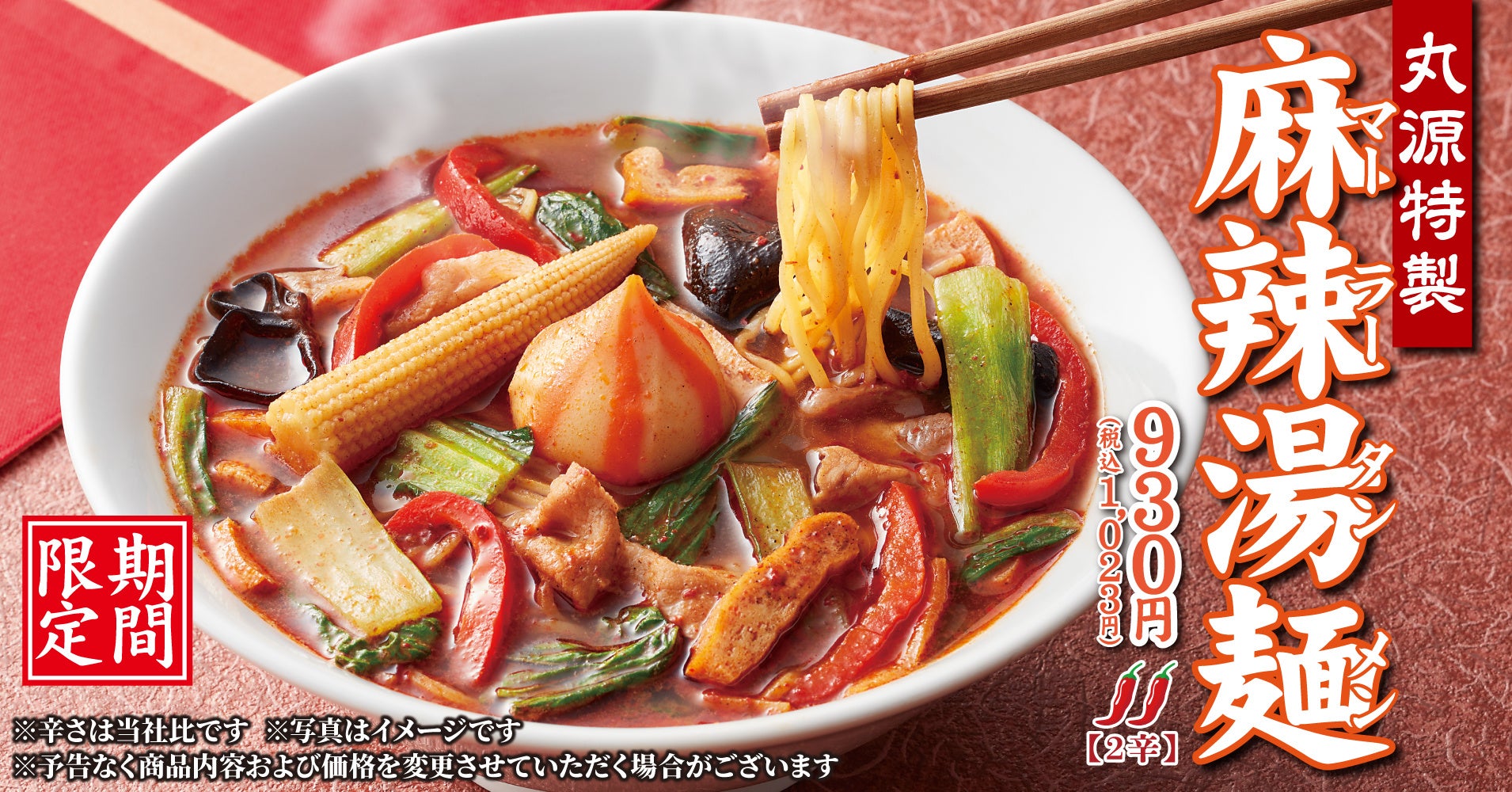
Hygiene and Appearance Standards in 2026 Food Service
Japan faces a persistent service-sector labor shortage. In response, casual dining brands across the country have relaxed their historically rigid grooming codes. Monogatari Corporation has adapted its part-time staff grooming policy to attract younger workers, but hygiene boundaries remain firm.
Natural hair dye is now widely permitted across branches, with many stores accepting hair tones up to level 12, 14 on the standard Japan Hair Color Association scale. However, any hair reaching past the collar must be tied back completely and tucked beneath the headwear. Loose bangs that escape the bandana are barred. You cannot touch your hair while handling orders.
Jewelry rules show no leniency. Necklaces, dangling earrings, rings, and wristwatches must come off before clocking in. A dropped earring back inside a bowl of Nikusoba broth triggers an instant brand disaster. Nails must stay cut short and clean. False nails, gel extensions, and nail polish are entirely prohibited because of physical contamination risks and chipping hazards. Facial hair policies remain conservative: clean-shaven faces are the corporate default, though neatly trimmed, fully enclosed goatees are sometimes cleared at the store manager's discretion for adult shift supervisors.
Monogatari Corporation Recruitment Realities and Shift Expectations
Working the floor at Marugen is loud and fast. Shift guidelines demand constant vocal calls. Crew members announce incoming tables, plate drops, and kitchen tickets with synchronized shouts of Irasshaimase and Arigatou gozaimasu. This high-volume environment shapes how the uniform is maintained.
The company provides basic apparel kits upon hire, but daily maintenance falls on the employee. Staff wash their uniforms at home using unscented or low-fragrance detergent. Strong perfumes and fabric softeners clash with food aromas, which violates basic culinary standards. Wrinkled polos or visibly stained aprons lead to warnings from the store manager before an employee can take the floor.
Shift flexibility appeals heavily to university students and working parents, with shifts scheduled in small blocks starting from three hours per day. Yet the physical reality remains rigorous. Crew members walk between 12,000 and 18,000 steps during an eight-hour weekend double, carrying heavy ceramic bowls and metal trays of gyoza. The uniform must look sharp under bright fluorescent lights while handling long stretches of physical exertion.
Frequently Asked Questions (FAQ)
Q1: Are Marugen Ramen uniforms provided for free to new hires?
A1: The store provides core uniform pieces, including the polo shirt, apron, and branded bandana, on loan during employment. Employees usually provide their own plain black work trousers and purchase approved non-slip kitchen shoes, which cost between 2,000 and 3,500 yen.
Q2: Can part-time workers have dyed hair or piercings at Marugen Ramen?
A2: Subtle to moderate hair coloring is generally allowed as long as hair is neatly secured under the bandana. Piercings, rings, bracelets, and false nails are prohibited during shifts for food hygiene and contamination prevention.
Q3: How does Marugen's uniform compare to sister chain Yakiniku King?
A3: Both chains share Monogatari Corporation's black-base palette and high-mobility expectations. Yakiniku King floor staff focus on smoke-resistant apparel suited for handling table grills, while Marugen crew wear water- and broth-resistant gear designed for high-steam noodle production.
Strategic Takeaways for 2026
Reaching 239 stores highlights Marugen Ramen's resilience in an inflationary casual dining market. As regional outposts open along major thoroughfares, the chain's uniform and grooming guidelines serve an important purpose. They balance the relaxed personal grooming standards needed to attract workers with the strict sanitation rules required to run an open kitchen. For job seekers, the dress code provides a straightforward blueprint for daily floor work. For dining patrons, the crisp black polo and tightly tied bandana remain the reliable face of one of Japan's fastest-growing family ramen operations.