Matsuo Jingisukan vs Local Diners: Testing Takikawa's Top Food Claims
Fifty minutes north of Sapporo on the JR Lilac Limited Express, the concrete towers of the prefectural capital yield to the flat, snow-dusted river plains of the Sorachi basin. Travelers rarely step off the train at Takikawa Station unless they are headed toward the glider port or chasing one specific culinary address: the corporate mothership of Matsuo Jingisukan. Founded here in 1956, the company transformed how northern Japan consumes mutton, turning a rural post-war settlement into the acknowledged capital of pre-marinated lamb barbecue.
The city's dining reputation extends beyond its multi-story temple of grilled meat. Local culinary guides show a stubborn, fiercely independent ecosystem of roadside diners, unmapped duck ramen counters, and Showa-era kissaten that view the famous flagship down the street as a distraction for out-of-towners. With dining budgets tightening across regional Hokkaido in 2026, the question is simple: does the famous flagship justify its premium, or does your money work harder on the side streets?
📌 Key Takeaways:
- The Flagship Reality: Matsuo Jingisukan Honten delivers peerless consistency, specialized fruit-forward marinade, and immaculately vented tables, but commands a 40% price premium over standard regional barbecue.
- The Local Advantage: Takikawa is Japan’s foremost domestic producer of Aigamo duck and home to legendary high-volume diners, giving backstreet spots a massive edge in portion-to-yen value.
- The Practical Route: Splurging on the flagship makes sense for first-time visitors seeking the historic Sorachi marinated style; travelers seeking authentic izakaya nightlife and deep local flavor belong around the San-dori nightlife district.
The 1956 Marinade Innovation That Built Sorachi’s Food Identity
To understand dining in Takikawa, you have to separate Hokkaido into two distinct barbecue factions. In Sapporo, Jingisukan almost always means unseasoned strips of lamb cooked over a ridged charcoal dome, dipped into pungent, garlic-heavy tare only after leaving the heat. Takikawa does the opposite. In 1956, company founder Masaru Matsuo addressed a basic economic reality: Hokkaido’s post-war wool farms produced surplus, gamey mutton from older sheep that ordinary cooks found tough and pungent.
Matsuo's solution was enzymatic chemistry. By pureeing local Sorachi apples, yellow onions, and fresh ginger into a soy-sauce base, he discovered that natural fruit enzymes could break down the connective tissue of older sheep during a long soak. The meat absorbed sweetness while shedding its gaminess. When cooked on a cast-iron dome designed with a wide perimeter moat, the spiced marinade pooled down the sides to boil cabbage, onions, and bean sprouts while the meat caramelized on top.
The system was efficient, delicious, and easy to package. Within two decades, Matsuo Jingisukan expanded across Hokkaido and into Tokyo. The original Takikawa Honten grew alongside it, shifting from a rudimentary wooden counter to a cavernous dining complex spanning banquet halls, souvenir markets, and private tatami suites. It remains the anchor of the city's food tourism economy.
Inside Matsuo Jingisukan Honten: Evaluating the Flagship Experience
Stepping into the Honten on Sakaemachi feels like entering a cathedral dedicated to sheep. Unlike the smoke-choked subterranean counters of Susukino in Sapporo, the air inside this flagship is scrubbed clear by commercial downdraft intake units built into every table. Uniformed staff guide diners through computerized touchscreens, presenting cuts graded by cut and maturity: from standard marinated mutton (mature sheep) to lean leg lamb and high-end marinated lamb rib chop sets.
The cooking process follows strict rules. You grease the dome with mutton tallow, distribute thick heaps of raw cabbage and bean sprouts around the lower moat, and lay the marinated meat across the central ridges. You never turn the meat continuously; you let the marinade sear. As juices run down, you pour supplementary marinade broth into the moat, creating a sweet, bubbling vegetable braise that finishes with cooked udon noodles absorbing the fat.
The flavor is undeniably refined. The lamb shoulder cut is tender enough to cut with a wooden chopstick, free from excessive gaminess, and coated in an apple-soy balance that no commercial bottled sauce quite matches. Quality comes at a price. A standard special lamb lunch set with rice, soup, and a side runs roughly ¥2,400 to ¥3,200, while premium cuts push dinner tabs past ¥5,000 per person before drinks. It is an exceptional meal, but the polish borders on corporate choreography.
Evaluating Takikawa Dining: Flagships vs. Neighborhood Mainstays
Step two blocks away from the main thoroughfare, and Takikawa looks entirely different. The city of 38,000 residents hosts a dense network of mom-and-pop shops where prices reflect regional wage scales rather than tourism itineraries. The table below details what your money buys across the city's distinct dining categories in 2026.
| Establishment Category | Representative Local Spot | Signature Item | Typical Price Range |
|---|---|---|---|
| Flagship Jingisukan | Matsuo Jingisukan Honten | Marinated Lamb Leg & Udon finish | ¥2,400, ¥4,800 |
| Mega-Portion Teishoku | Kissa Marine (喫茶マリン) | Katsu Curry / Seafood Fried Rice | ¥900, ¥1,300 |
| Specialty Duck Dining | Local Soba & Kamomeshi Houses | Takikawa Aigamo Duck Soba / Sukiyaki | ¥1,100, ¥2,200 |
| Station Ramen Counter | San-dori Independent Ramen Shops | Lard-Sealed Miso & Niboshi Shoyu | ¥800, ¥1,050 |
| Classic Izakaya | Bell Road & Alleyway Taverns | Charcoal Yakitori & Local Sorachi Sake | ¥2,500, ¥3,800 |

Takikawa’s Real Regional Claim: The Aigamo Duck Secret
Mutton put Takikawa on the tourist map, but domestic poultry keeps chefs talking. Takikawa produces roughly 20% of Japan’s total commercial domestic duck meat through the dedicated breeding of Takikawa Aigamo (a cross between wild and domestic ducks). Raised under strict welfare standards with local grain mixtures, the meat lacks the oily, muddy undertones common to factory-farmed waterfowl.
High-end diners in Tokyo pay upwards of ¥15,000 for Aigamo hotpots sourced directly from Sorachi processors. In Takikawa's downtown soba shops, you can order a steaming bowl of Kamo-nanban soba featuring thick slices of this duck breast cooked in a sweet dashi broth for ¥1,200. The fat cap on the meat melts into the broth, creating an earthy sweetness that contrasts against buckwheat noodles made from Sorachi flour.
Duck also appears in kamameshi (iron pot-steamed rice) and duck sukiyaki across family-run diners near Takikawa Station. For travelers who have already eaten Jingisukan in Sapporo or Asahikawa, this duck meat offers a stronger sense of terroir than factory-processed lamb imported from New Zealand or Australia.
The Legend of Kissa Marine: Defeating the Japanese Teishoku
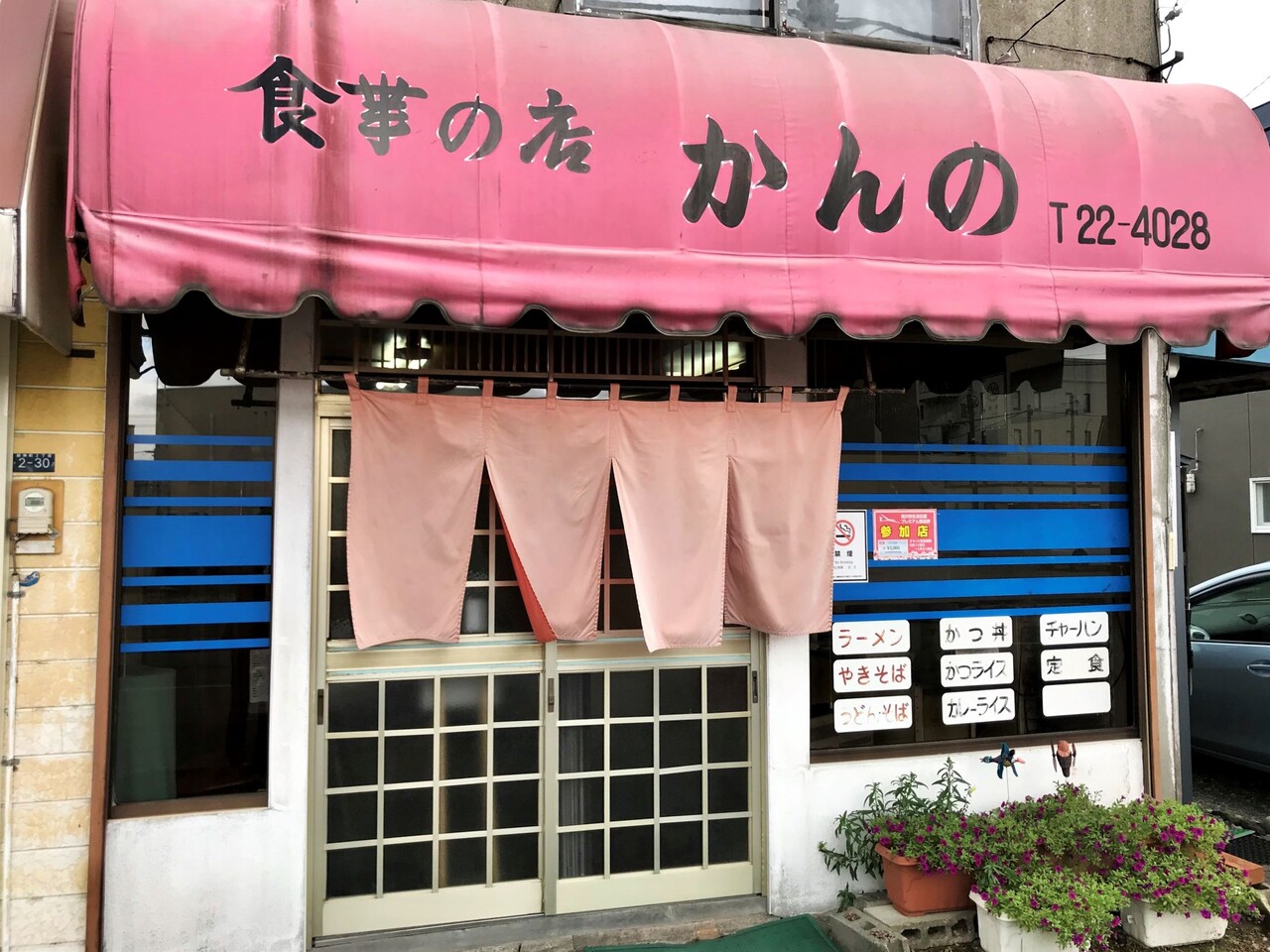
If Matsuo Honten embodies culinary refinement, Kissa Marine represents the blue-collar heart of Sorachi. Located a ten-minute walk from the station, Marine looks like an ordinary Showa-period coffee shop, complete with ship steering wheels on wood-paneled walls and vintage glass cabinets. Walk past noon, however, and you will see construction crews, rail workers, and high school sports teams tackling plates of staggering proportions.
Marine is famous throughout Hokkaido for monstrous portions served without gimmick pricing. A plate of Katsu Curry costing ¥1,050 does not arrive as an elegant puddle of roux; it lands as a mountain of rice weighing close to 900 grams, smothered under a half-liter of deeply stewed, dark curry sauce and topped with a thick, hand-breaded pork cutlet. Order the shrimp fried rice or the Napolitan spaghetti, and you face similar structural engineering feats.
The food is not simply voluminous; it is thoroughly executed comfort dining. The curry carries heat and hours of melted onions, while the fried rice crackles with wok hei. Leaving food uneaten is frowned upon, prompting servers to quietly remind first-timers that "half-size" (han-mori) options exist. For budget travelers, a single lunch here renders dinner completely unnecessary.
Navigating San-Dori: Where Authentic Izakaya Nightlife Survives
When the sun drops behind the Sorachi mountains and suburban day-trippers board trains back to Sapporo, Takikawa's culinary center shifts south toward the San-dori and Bell Road shopping arcades. These dimly lit passages house taverns that have operated under the same master-cooks for four decades.
In these izakayas, charcoal smoke replaces downdraft air filtration. Menus are handwritten strips of yellowed washi paper hanging from wooden rafters, listing skewered pork belly (butakushi, a Hokkaido yakitori staple), fried tofu, and seasonal salted cod roe. Instead of corporate beer contracts, you find carafes of Kokushi Muso sake from nearby Asahikawa alongside micro-batches of craft cider pressed from Takikawa apple orchards.
The culinary standard here centers on unhurried conversation and salty, iron-rich cooking designed to counteract Hokkaido winters. Spending two hours at a cedar-topped bar alongside local railway mechanics offers an experience that polished highway-side restaurants cannot replicate. A thorough evening of drinking and charcoal-grilled food here averages ¥3,000 per person, leaving you with genuine community contact rather than a pre-packaged gift shop bag.
Frequently Asked Questions (FAQ)
Q1: Is Matsuo Jingisukan Honten worth visiting if I have already eaten at their Sapporo branches?
A1: The core meat and marinade profile are identical across all company locations because they rely on the same central Takikawa production facility. The Honten is worth the stop for its historic exhibition corner, exclusive lamb chop cut variations rarely stocked in Sapporo satellite stores, and expansive flagship seating.
Q2: How do I choose between marinated (Takikawa style) and fresh charcoal-grilled (Sapporo style) Jingisukan?
A2: Choose Takikawa-style marinated lamb if you prefer sweeter, umami-rich sauces, softer stewed vegetables cooked in broth, and a noodle-based finish. Opt for Sapporo style if you want pure, charred meat flavor cooked fast over hot coals without sweet sauces masking the lamb.
Q3: Can I access Takikawa’s best dining spots without renting a car?
A3: Yes. Matsuo Jingisukan Honten, Kissa Marine, and the primary San-dori izakaya district are located within a 10-to-15-minute walk of Takikawa Station, making the city easily accessible via the JR Hakodate Main Line.
Strategic Takeaways for Dining in Takikawa
Takikawa easily delivers on its culinary reputation, provided you look past marketing brochures. If you arrive expecting an artisanal village of tiny lamb ranches, you will be disappointed; the mutton is globally sourced, and the flagship operates with corporate scale. The flagship delivers consistent, historically accurate marinated dining in an environment built for comfort.
The city's real culinary magic lies in its layers. Plan your trip intentionally: stop at Matsuo Jingisukan for a lunchtime education in how 1950s food science saved Hokkaido mutton, then stay late to explore Sorachi duck soba, massive teishoku plates at Kissa Marine, and late-night izakayas. Takikawa rewards diners who treat the famous flagship as a starting point rather than their final destination.