Mito Komon Returns: Complete Broadcast Timeline and Cast Details for Tetsuya Takeda's Run
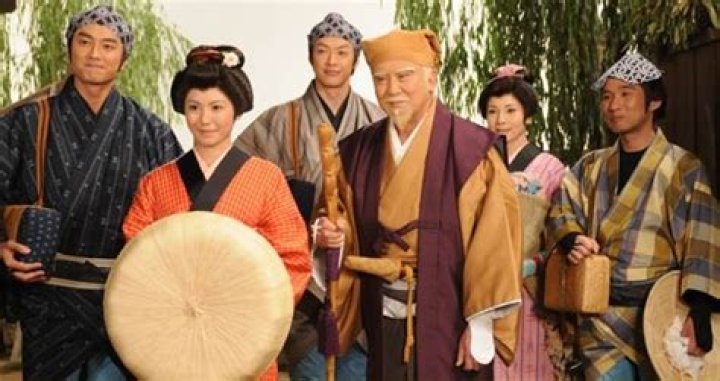
When Tokyo Broadcasting System retired the long-running national television staple Mito Komon in 2011, audiences believed the travels of Tokugawa Mitsukuni had permanently concluded. That silence broke when satellite broadcaster BS-TBS revived the franchise, casting singer-actor Tetsuya Takeda as the sixth television incarnation of the retired vice-shogun. The reboot caught immediate attention across Japan, culminating in major viewer spikes covered in an archival livedoor ニュース Report detailing Takeda’s headline-making on-screen reunion with actress Atsuko Asano.
Reviving a six-decade samurai franchise required balancing nostalgic familiarity with fresh ensemble dynamics. Across its run, the production reshuffled Mitsukuni's loyal traveling retinue, brought contemporary younger talents into classic sword-fighting roles, and leveraged high-profile guest appearances to introduce traditional jidaigeki drama to new generations of satellite television viewers.
📌 Key Takeaways:
- The Revival Lead: Tetsuya Takeda stepped in as the sixth actor to portray Tokugawa Mitsukuni on television, introducing a warmer, professorial energy distinct from previous austere portrayals.
- A Younger Retinue: Rising stage and television actors Ryuji Zaizen and Tomohiro Arakawa took over the legendary bodyguard roles of Suke-san and Kaku-san.
- A Milestone Cameo: Season 2 made national headlines by reuniting Takeda with Atsuko Asano 28 years after their hit 1991 romantic drama *101st Marriage Proposal*.
How Tetsuya Takeda Redefined Japan's Most Iconic Lord
Taking over Tokugawa Mitsukuni carries immense weight in Japanese entertainment. First portrayed on TBS by Eijiro Tono in 1969, Mitsukuni had long been codified as an unyielding, authoritative patriarch who dispatched corrupt magistrates with aristocratic wrath. Takeda, famed across Japan for his decades playing eccentric middle school educator Torajiro Sakamoto in *3-nen B-gumi Kinpachi-sensei*, intentionally subverted that rigid mold.
Takeda’s Mitsukuni smiled frequently, displayed curiosity toward regional cuisines, and engaged common villagers with genuine empathy. His lord felt less like an untouchable feudal titan and more like an observant scholar traveling incognito. When the climactic scene arrived, the reveal of the golden triple-hollyhock crest (*inro*), Takeda delivered his scoldings with instructional clarity rather than booming indignation. The tonal pivot made the legendary historical figure feel accessible to contemporary domestic audiences.
The Core Retinue: Casting Suke-san, Kaku-san, and New Allies
A successful *Mito Komon* production lives and dies by its supporting martial cast. Tokugawa Mitsukuni cannot travel alone; he relies on his two swordsmen companions, Sasaki Sukesaburo (Suke-san) and Atsumi Kakunoshin (Kaku-san), alongside covert scouts who gather local intelligence.
For the revival, producers intentionally cast against aging demographic stereotypes by choosing younger stage actors known for high-energy physical performances:
Ryuji Zaizen as Sasaki Sukesaburo (Suke-san): Known for his stage work in musical theater, Zaizen brought fluid swordsmanship and dashing, light-hearted charisma to Suke-san. His character served as the swift, agile sword arm during village skirmishes.
Tomohiro Arakawa as Atsumi Kakunoshin (Kaku-san): Arakawa embodied the upright, stoic discipline of Kaku-san. Tasked with the physical duty of presenting the Tokugawa crest during the narrative climax, his grounded, powerful movement anchored the show's action beats.
Kanjiya Shihori as Ayame (Season 1): Rather than relying strictly on the classic ninja figures of previous decades, Season 1 introduced Ayame, an observant female traveler and protector played by Shihori. Her presence offered sharp wit and balanced the masculine energy of the central warrior duo.
Kyosuke Tsuda as Kaze no Onikichi: Veteran character actor Tsuda stepped into the clandestine scout archetype, handling covert reconnaissance and providing tactical support from the shadows during high-stakes investigations.
Broadcast Timeline and Production Milestones
The BS-TBS revival rolled out across two distinct broadcast runs, focusing on specific regional travel routes rather than endless continuous seasons. This structural shift allowed tighter storytelling, authentic location shooting across provincial historical sites, and carefully coordinated guest star appearances.
| Broadcast Run | Travel Route / Setting | Core Cast Highlights & Key Guests |
|---|---|---|
| Season 1(Oct 4, 2017, Dec 6, 2017) | Tohoku Circuit(Miyagi, Iwate, Aomori, Akita) | Tetsuya Takeda, Ryuji Zaizen, Tomohiro Arakawa, Kanjiya Shihori.Focused on post-disaster regional heritage in northern Japan. |
| Season 2(May 19, 2019, Jul 28, 2019) | Kyushu Circuit(Fukuoka, Saga, Kumamoto, Nagasaki) | Takeda, Zaizen, Arakawa, Kyosuke Tsuda.High-profile premiere guest star Atsuko Asano; local Kyushu cultural storylines. |
Season 1 launched on October 4, 2017, taking Mitsukuni through the Tohoku region. The production made a point of featuring local northern industries, traditional lacquerware, and regional agricultural conflicts. Season 2 followed on May 19, 2019, moving the retinue south through Kyushu, giving Takeda, a native of Fukuoka, an organic connection to the dialect and regional lore depicted on screen.
The High-Profile 28-Year Reunion with Atsuko Asano
The premiere of Season 2 generated major mainstream buzz when BS-TBS confirmed that actress Atsuko Asano would guest star in the opening episode. This marked their first joint dramatic appearance in 28 years, following their collaboration in Fuji TV's 1991 romantic megahit *101st Marriage Proposal* (*101-kai me no Propose*).
In the 1991 series, Takeda’s blue-collar character famously threw himself in front of a moving dump truck to prove his devotion to Asano’s character. For their 2019 historical reunion, the producers staged subtle narrative nods for eagle-eyed fans. Asano portrayed a formidable innkeeper caught in a regional trading dispute, sharing extended dialogue sequences with Takeda’s Mitsukuni. Japanese entertainment media widely documented the dynamic on set, noting that their natural banter remained intact despite nearly three decades passing between joint productions.
Preserving Jidaigeki Craft in Modern Satellite Television
The transition of *Mito Komon* from terrestrial primetime on TBS to a dedicated weekly slot on BS-TBS reflected structural changes in Japanese broadcasting. By the mid-2010s, mainstream commercial networks had largely abandoned weekly samurai dramas due to aging demographic profiles and expensive production sets in Kyoto's Toei Studios.
BS-TBS filled that void by producing tightly budgeted, ten-episode narrative runs designed to maintain high production values without the financial exhaustion of year-round broadcast schedules. Traditional armor makers, Kyoto-based sword choreography (*tachimawari*) specialists, and classic scenic painters were employed to preserve classical television craftsmanship. Takeda's run proved that traditional morality-play television could still find passionate audiences when backed by experienced character actors and thoughtful regional storytelling.
Frequently Asked Questions (FAQ)
Q1: Who played Suke-san and Kaku-san in Tetsuya Takeda's Mito Komon?
A1: Sasaki Sukesaburo (Suke-san) was played by Ryuji Zaizen, while Atsumi Kakunoshin (Kaku-san) was played by Tomohiro Arakawa. Both actors were chosen from musical and stage backgrounds to deliver fast, athletic action sequences.
Q2: How many seasons of Mito Komon did Tetsuya Takeda complete?
A2: Takeda completed two ten-episode seasons on BS-TBS: Season 1 in the autumn of 2017 (Tohoku circuit) and Season 2 in the late spring of 2019 (Kyushu circuit).
Q3: Why was Atsuko Asano's appearance in Season 2 significant?
A3: It marked the first time Tetsuya Takeda and Atsuko Asano acted together on a television drama in 28 years, reuniting the co-stars of the landmark 1991 romantic drama *101st Marriage Proposal*.
The Cultural Mark of Takeda’s Wanderings
Tetsuya Takeda's tenure as Tokugawa Mitsukuni provided a vital bridge for Japanese period television. Rather than mimicking the severe grandeur of Eijiro Tono or Kotaro Satomi, Takeda leaned into his innate warmth, framing Mitsukuni as a compassionate mentor wandering through an unsettled countryside. By assembling energetic young co-stars and pulling historic collaborators like Atsuko Asano into the fold, the BS-TBS revival demonstrated that Japan’s most durable moral fable could retain its narrative power in the twenty-first century.