Monogatari Franchise Timeline: How 2024 Catalyzed the Rebirth of Araragi's Story

When theatrical audiences settled into Japanese cinemas on January 12, 2024, for Kizumonogatari: Koyomi Vamp, a tightly recut, feature-length distillation of the 2016, 2017 trilogy, few predicted just how aggressive Studio Shaft’s renewed production cycle would become. For five years following the broadcast of Zoku Owarimonogatari, the animated saga of high-schooler-turned-vampire Koyomi Araragi sat in narrative suspended animation. That hiatus broke definitively across 2024 as the franchise engineered a two-pronged resurgence spanning big-screen revivals and prime-time streaming launches, cementing the official start of the long-awaited Off & Monster Season adaptations.
The return resolved years of speculation among franchise followers and streaming platforms. As confirmed by a detailed breakdown in a Crunchyroll Report documenting the expanding franchise catalog, the resurgence reshuffled how newcomers and veterans approach the labyrinthine chronology written by NisiOisiN. Araragi's path through guilt, psychological apparitions, and supernatural folklore has returned to active broadcast schedules, forcing a structural re-examination of anime’s most unconventional hero.
📌 Key Takeaways:
- The 2024 Revival: Studio Shaft officially restarted animated production through the theatrical feature Koyomi Vamp in January 2024, followed by the mid-2024 streaming debut of Off & Monster Season.
- Structural Viewing Debate: The franchise remains divided between pure broadcast order (starting with 2009's Bakemonogatari) and chronological tracking, where Kizumonogatari serves as the true origin point.
- Narrative Evolution: The transition from high school to university shifts Koyomi Araragi from an impulsive martyr rescuing classmates to a reflective investigator handling complex supernatural consequences.
The Cinematic Re-Anchoring of Kizumonogatari and the Spring Break Origin
Understanding Koyomi Araragi requires confronting the traumatic spring break between his second and third years of high school. In Kizumonogatari, an aimless teenager encounters Kiss-shot Acerola-orion Heart-under-blade, an ancient vampire bleeding to death on a subway platform. Rather than fleeing, Araragi surrenders his neck. That single, reckless impulse strips him of normal mortality and bonds his life to the creature who later becomes Shinobu Oshino.
The 2024 theatrical release of Koyomi Vamp distilled this foundational crisis into a razor-sharp 144-minute compilation. By eliminating episodic pacing gaps, the edit highlighted Araragi’s primary psychological flaw: a compulsive martyr complex disguised as altruism. When he hunts down three specialized vampire hunters, Dramaturgy, Episode, and Guillotinecutter, to restore Kiss-shot's severed limbs, he acts under the delusion that he can balance the scales without collateral damage. The brutal discovery that Kiss-shot intends to resume eating humans shatters his idealism.
Meme Oshino, the wandering balance-keeper who inhabits an abandoned cram school, brokers the grim compromise that defines the rest of Araragi’s life. Kiss-shot is drained to an infantile state, while Araragi retains residual regenerative traits, remaining slightly less than human. The theatrical recut renewed audience appreciation for this dynamic, establishing the emotional stakes before the new season tackled Araragi’s college years.
Navigating the Monogatari Watch Order: Broadcast Versus Chronology
Few anime franchises generate as much structural confusion as the Monogatari series. NisiOisiN penned the original light novels out of chronological sequence, creating an intricate web of foreshadowing and retroactive revelation. Studio Shaft, under chief director Akiyuki Shinbo, largely preserved this disjointed architecture, though delayed production schedules on the original Kizumonogatari films caused the anime adaptation to drift slightly from the author’s intended novel release order.
Viewers approaching the series in 2026 must choose between two valid pathways. The broadcast order begins with Bakemonogatari (2009), introducing viewers to Araragi’s strange world in medias res, alongside the caustic Hitagi Senjougahara. Watching by original broadcast builds mystery around Araragi's physical resilience and Shinobu's mute presence in his shadow. Conversely, the strict light novel order inserts the Kizumonogatari trilogy immediately after Bakemonogatari, clarifying the underlying mechanics of oddities before escalating into Nisemonogatari and Monogatari Series Second Season.
Chronological viewing presents a radically different narrative texture. Beginning with Araragi’s spring break encounters, running through the golden week nightmare of Nekomonogatari Black, and tracing the sequential school terms across 2009 through 2019 releases clarifies causal chains. However, watching chronologically dilutes the dramatic reveals NisiOisiN specifically engineered for viewers who already know the eventual outcomes of events like the Nadeko Sengoku shrine crisis in Otorimonogatari.
From Bakemonogatari to Off & Monster Season: Tracking the Franchise Eras
Tracking the franchise across its primary production eras illustrates how the scope expanded from an experimental late-night project into a modern classic spanning dozens of story arcs.
| Production Era | Key Installments & Air Dates | Core Narrative Focus |
|---|---|---|
| First Season | Bakemonogatari (2009), Nisemonogatari (2012), Nekomonogatari Black (2012) | Introduction of key apparitions (crab, snail, monkey, snake, cat) and Araragi's core peer group. |
| Second Season | Monogatari Series Second Season (2013), Hanamonogatari (2014) | Deconstruction of Araragi's heroism; perspectives shift directly to Hanekawa, Sengoku, and Kaiki. |
| Final Season | Tsukimonogatari (2014), Owarimonogatari (2015, 2017), Zoku Owarimonogatari (2018) | Confrontation with Ougi Oshino; Araragi's high school graduation and self-acceptance. |
| Modern Era | Kizumonogatari: Koyomi Vamp (Jan 2024), Off & Monster Season (Jul 2024, present) | Exploration of side character histories alongside Araragi's collegiate investigations into new aberrations. |
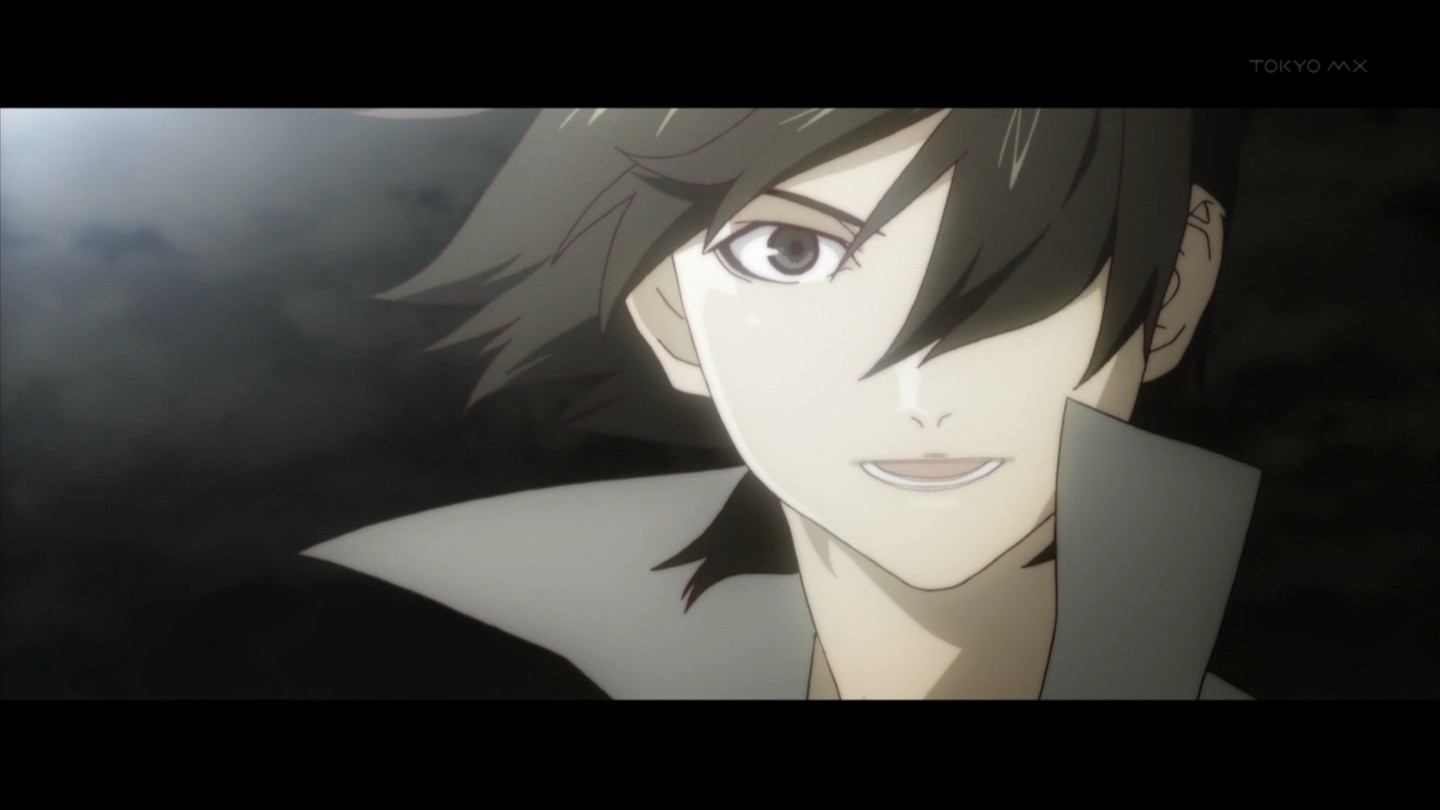
Aberration Phenomena and Character Dynamics: Senjougahara to Shinobu
The supernatural entities in NisiOisiN’s universe, known as kaii or oddities, rarely function as conventional monsters. Instead, they act as psychological parasites that latch onto emotional trauma, unresolved grief, and repressed guilt. Araragi does not exorcise these threats with raw strength. He talks to them, unravelling the underlying emotional knot until the afflicted person can confront their own reality.
This dynamic shines clearest in his relationship with Hitagi Senjougahara. When she falls down a stairwell into his arms in the opening minutes of Bakemonogatari, she weighs virtually nothing. A heavy stone crab oddity took her emotional pain alongside her physical mass following childhood abuse. Araragi guides her back to Meme Oshino, but Senjougahara saves herself by reclaiming her painful memories. Their subsequent romantic relationship anchors Araragi to normal human reality, providing an essential counterweight to his reckless tendencies.
Shinobu Oshino sits on the opposite end of Araragi's emotional spectrum. Once a terrifying legendary vampire, she spends much of the series silent, residing inside Araragi's physical shadow. Their relationship is neither pure master-servant nor conventional romance; it is an inseparable symbiotic pact. If Araragi dies, Shinobu regains her full powers and destroys the world. If Shinobu dies, Araragi loses his vampiric regeneration and becomes fully human. Their shared existence is a quiet, permanent mutual hostage negotiation built on genuine companionship.
The Production Signatures of Studio Shaft and Akiyuki Shinbo
Translating NisiOisiN’s text-dense light novels into visual animation presented immense logistical challenges. The books consist almost entirely of rapid-fire conversations, philosophical debates, and extensive wordplay. Under the visionary direction of Akiyuki Shinbo, Studio Shaft bypassed traditional television staging, opting instead for an avant-garde visual grammar that redefined 2010s anime production.
Shaft utilized stark architectural backdrops, surreal empty cityscapes, and the studio's iconic dramatic head tilts. Rapid-fire title cards displaying text fragments flashed on screen for single frames, mimicking the overwhelming stream of consciousness inside Araragi’s head. This visual stylization kept dialogue-heavy 20-minute scenes dynamic without demanding massive sakuga action sequences in every episode.
When the animation team returned for Off & Monster Season in mid-2024, they updated this established aesthetic for contemporary production pipelines. Digital compositing became crisper, environmental lighting gained richness, and character designer Akio Watanabe subtly matured the cast's facial models. The creative continuity ensured that the transition from high school arcs into university settings felt natural to viewers who had followed the franchise for over a decade.
Frequently Asked Questions (FAQ)
Q1: Do I need to watch Kizumonogatari before starting Bakemonogatari?
No. Starting with Bakemonogatari aligns with the original television broadcast and introduces the oddities through Araragi’s immediate perspective. However, watching the Kizumonogatari film trilogy (or the 2024 Koyomi Vamp edit) directly after Bakemonogatari matches the author’s intended light novel sequence and explains Araragi’s relationship with Shinobu.
Q2: What is the main difference between the Off Season and Monster Season?
Off Season focuses primarily on standalone side stories, character backgrounds, and the lives of supporting heroines (such as Nadeko Sengoku, Mayoi Hachikuji, and Yotsugi Ononoki) without Araragi acting as the central narrator. Monster Season returns focus squarely to Araragi as a college student investigating brand-new supernatural incidents.
Q3: Is the 2024 Koyomi Vamp film different from the three original Kizumonogatari movies?
Koyomi Vamp condenses the three theatrical features (Tekketsu, Nekketsu, and Reiketsu) into a single 144-minute feature. It trims comedic padding and minor transitions to deliver a tighter, more propulsive cinematic cut of Araragi’s spring break origins.
The Road Ahead for Monogatari and Araragi
The successful deployment of Off & Monster Season proved that the Monogatari series remains a potent force in Japanese animation. By carrying Koyomi Araragi past his high school graduation and into adulthood, NisiOisiN and Studio Shaft avoided the static narrative traps that stall long-running light novel adaptations. Araragi is no longer an impulsive teenager diving into danger without regard for the wreckage he leaves behind. He has matured into an observant young adult living with the scars of his choices, bound to an immortal vampire who continues to walk quietly within his shadow.