Mountains of Snow Crab in Shinbashi: Photos and Full Breakdown of Kani Jigoku's New Menu
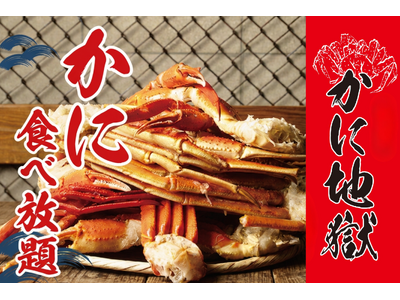
Just sixty seconds from the ticket gates of JR Shinbashi Station, a humid Tokyo evening gives way to the briny aroma of simmering dashi and freshly cracked crustacean shells. In an alleyway market district long dominated by yakitori smoke and standing beer bars, Kani Jigoku ("Crab Hell") has long been an outlier. This summer, the underground institution pushed its reputation even further. As detailed in a recent MSN Report, parent company Diamond Dining, a division of DD Group, has completely overhauled its flagship all-you-can-eat crab program, running an aggressive campaign through **September 30, 2026**.
(Source: MSN: "【JR新橋駅徒歩1分】かに地獄の人気プラン「カニ食べ放題」が ...")
The revised package is not merely an inventory dump of frozen crab claws. Instead, it pairs unlimited servings of two distinct species with an expansive roster of hot and cold seafood dishes, targeting both serious shellfish fanatics and after-work drinkers who demand variety over novelty.
📌 Key Takeaways:
- The Core Offer: Unlimited Honzuwai (snow crab) and Beni-zuwai (red snow crab) served alongside 12 newly developed seafood sides for **12,000 yen**, drinks included.
- The Limited Window: The summer menu revision is scheduled as an operational run ending **September 30, 2026**.
- Strategic Expansion: Diamond Dining designed this rollout to eliminate palate exhaustion, adding crab kamameshi and savory bar staples to balance the heavy brine of raw and steamed legs.
The Strategic Overhaul Behind Diamond Dining's Summer Campaign
Crab buffets in central Tokyo historically lean on an uncomfortable compromise: fast service at the expense of product variety. Guests often receive towering trays of red snow crab, only to burn out on salt and cold meat within forty minutes. Diamond Dining aimed squarely at that bottleneck during this renewal cycle. By operating directly in Shinbashi, Tokyo’s densest concentration of corporate dining spend, the team adjusted both the pacing and the flavor profile of the course.
The updated campaign centers on high-density protein paired with rich starch options. Instead of forcing guests to pick through pre-cracked, waterlogged legs all evening, the kitchen spaces out servings with clay-pot rice dishes and izakaya favorites. It keeps dining parties active for the full duration of their seatings, transforming a chaotic crab-cracking sprint into a traditional Japanese tavern experience.
Honzuwai Versus Red Snow Crab: The Platter Breakdown
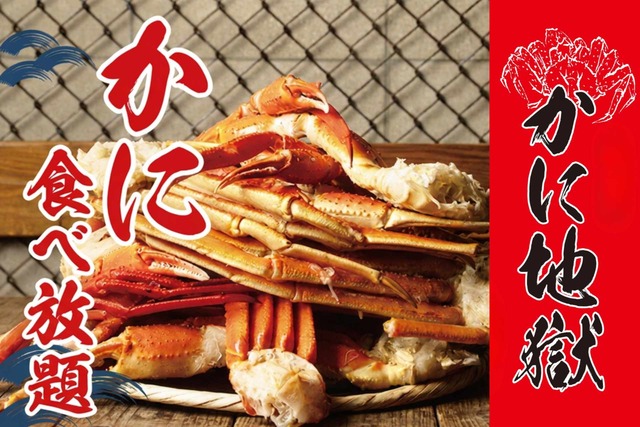
The culinary backbone of the plan is the deliberate pairing of **Honzuwai crab** (standard snow crab) and **Beni-zuwai crab** (red snow crab). These two varieties perform entirely different roles on the platter.
Honzuwai brings dense, firm muscle fibers that pull clean from the shell in long, solid spears. It offers a subtle natural sweetness and a cleaner finish, allowing diners to eat volume without palate fatigue. In contrast, Beni-zuwai is softer, intensely oceanic, and noticeably juicier. When steamed, its meat retains high moisture levels that deliver an immediate punch of saline richness. Alternating between the two creates contrast: the delicate snap of Honzuwai cuts against the savory, dripping richness of the red snow crab.
The 12-Dish Side Roster: From Crab Kamameshi to Savory Snacks
The major headline of the 2026 renewal is the inclusion of **12 unlimited side dishes**, shifting the course away from a one-note shellfish binge. Headlining the additions is the freshly steamed **crab kamameshi**, cooked in individual metal cauldrons directly at the table. The rice absorbs concentrated crab stock, mirin, and soy sauce, developing a crispy layer of scorched rice (*okoge*) at the bottom that provides a nutty crunch.
The side menu features an assortment of curated seafood items designed to accompany draft beer and highballs:
- Crab miso croquettes with molten centers
- Vinegared crab salads (*sunomono*) that cleanse the palate
- Sesame-dressed amberjack and seasonal sashimi cuts
- Crisp battered squid legs with sea salt
- Dashi-simmered seasonal greens and house pickles
These smaller plates serve a structural purpose. They allow guests to pause leg-cracking without breaking the momentum of the meal, bridging the gap between drink orders.
Pricing Economics: Breaking Down the 12,000 Yen Ticket
Evaluating an all-you-can-eat seafood package in Tokyo requires looking at wholesale crab benchmarks. Retail prices for premium snow crab legs have remained elevated across Japanese department stores and outer markets. At **12,000 yen per guest** with a comprehensive **all-you-can-drink plan included**, the threshold for consumer value is transparent.
| Dining Category | Standard Shinbashi Seafood Izakaya | Kani Jigoku 2026 Summer Course |
|---|---|---|
| Base Price | 5,000, 7,000 yen (a la carte) | 12,000 yen (flat package) |
| Crab Selection | Single serving (2,500, 4,000 yen) | Unlimited Honzuwai & Beni-zuwai |
| Side Dishes | Billed per plate (500, 900 yen each) | 12 side items fully inclusive |
| Drink Coverage | Separate tab or 2,000 yen add-on | All-you-can-drink included in rate |
| Availability | Year-round | Through September 30, 2026 |
Diners consuming two standard portions of Honzuwai and three drinks typically clear the 9,000-yen mark at ordinary establishments. For parties capable of handling several platter refills alongside side courses, the bundled pricing presents a clear financial ceiling without unexpected surcharges.
Tactical Dining: How to Handle the Two-Hour Window
All-you-can-eat formats place high demands on time management. At Kani Jigoku, the course operates within strict table limits, meaning slow shell-cracking directly cannibalizes the meal's value.
Start immediately by ordering the **crab kamameshi**. Because clay pots take roughly 20 to 25 minutes to steam and settle at the table, requesting this dish during the initial drink order ensures the rice finishes just as the first wave of crab platters winds down. Diners who wait until midway through their session often find their tables crowded or run out of time before the rice fully steams.
When peeling legs, split the knuckles first to release internal air before sliding the shears along the white inner membrane. Squeezing the base yields whole strips rather than shredded flakes. Alternate bites of heavy Beni-zuwai with the acidic sides to prevent taste fatigue from mounting sodium levels.
Who Benefits Most Versus Who Should Skip
This upgraded promotion serves specific dining profiles while remaining ill-suited for others.
Ideal For:
- Shellfish enthusiasts focused on volume who understand how to clean crabs quickly.
- Office gatherings and social groups looking for fixed-budget dining with drinks built into the bill.
- Travelers visiting Tokyo who want an authentic, lively izakaya environment without hidden table fees.
Better Skipped By:
- Diners looking for tranquil, white-tablecloth service; Kani Jigoku is a loud, bustling room filled with chatter and cracking shells.
- Those who eat at a leisurely pace, as table limits can feel rushed for deliberate eaters.
- Anyone seeking exclusively live, non-steamed preparation methods like raw crab sashimi or charcoal-grilled legs, which fall outside this course framework.
Frequently Asked Questions (FAQ)
Q1: Is a reservation required for the crab buffet course at Kani Jigoku Shinbashi?
A1: Advance reservations are highly recommended, particularly for weekday evenings after 6:30 PM and throughout weekends. While walk-ins are occasionally accommodated if seats open, high seasonal demand often leads to booked tables.
Q2: When does the summer renewal menu officially conclude?
A2: The current renewed course featuring the 12 side dishes and dual crab selection runs through **September 30, 2026**.
Q3: What beverages are included in the all-you-can-drink package?
A3: The plan includes standard izakaya staples: draft beer, highballs, lemon sours, shochu, house sake, and non-alcoholic options. Guests can order refills throughout the active seating window.
The Evolution of Shinbashi's Seafood Culture
The summer renewal at Kani Jigoku reflects a broader shift across Tokyo’s traditional izakaya hubs. Diners are increasingly skeptical of barebones buffets that skimp on side quality to offset meat costs. By anchoring its promotion around two complementary crab varieties and buttressing them with complex table-cooked sides like kamameshi, Diamond Dining demonstrates how mainstream venues can elevate traditional tavern dining without losing their energetic core.
For visitors and locals in Shinbashi through late September, the subterranean crab house delivers exactly what it promises: platters stacked high with sweet, salty crustacean legs, ice-cold drinks, and zero pretense.