My Boss My Hero Timeline: Reliving the Journey of Class 3-A and 'Iron Mask'
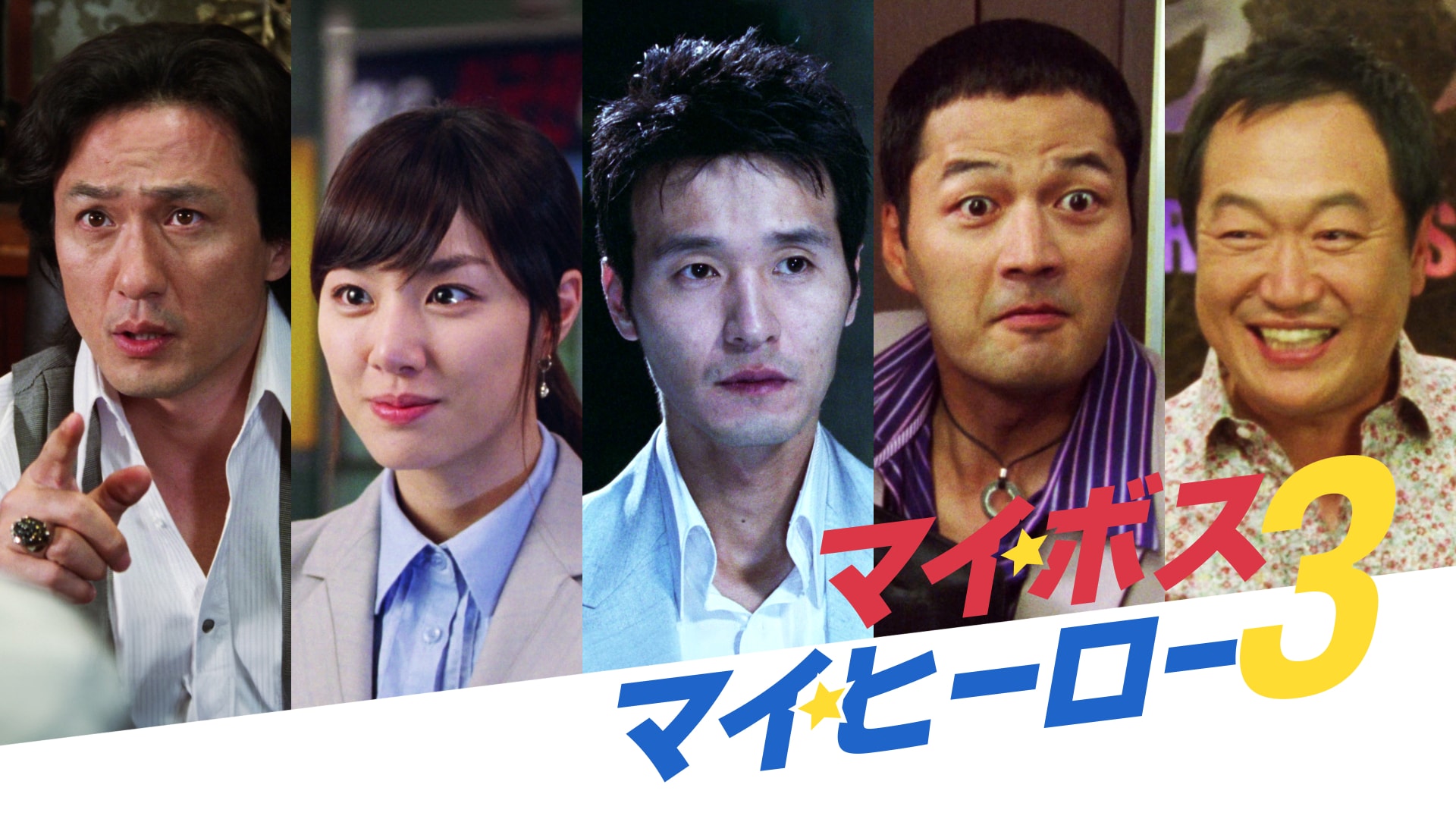
In July 2006, Nippon TV launched an eccentric adaptation of a South Korean gangster comedy that quickly cemented itself as a pillar of Japanese television history. The setup for My Boss My Hero was absurd on paper: Makio Sakaki, a fearsome 27-year-old vice-boss of the Kanto Sharp-Fang group, is stripped of his underworld authority after fumbling a $27 million Hong Kong transaction because he cannot execute basic arithmetic. Handed an ultimatum by his father, Makio must attend St. Agnes High School, blend in with seventeen-year-olds, and secure a high school diploma. If he fails, the syndicate passes to his intellectual younger brother.
While Makio survived turf wars and back-alley ambushes, his most terrifying opponent occupied the podium at the front of Class 3-A. Minami Yuriko, a classical literature teacher barely past university age, possessed a gaze cold enough to stop an organized crime syndicate in its tracks. Dubbed "Iron Mask" by terrified adolescents and an increasingly stressed gangster, she became the narrative anchor of the entire series. Her deadpan resistance to Makio's chaotic energy shaped a masterclass in comedic tension.
📌 Quick Summary:
- The Premise: Underworld successor Makio Sakaki must earn a high school diploma at St. Agnes High School or surrender control of the Kanto Sharp-Fang syndicate.
- The Enforcer: Homeroom teacher Minami Yuriko, played by Yu Kashii, earned the moniker "Iron Mask" through an unyielding, stoic exterior that masked deep pedagogical devotion.
- The Cultural Footprint: Averaging a 19.1% household rating across its 10-episode run on NTV, the production remains a high watermark for mid-2000s physical comedy and ensemble television.
The Underworld Meets Class 3-A: Sakaki's St. Agnes Ordeal
The comic engine of the story relies on dramatic irony executed with relentless physical energy. Tomoya Nagase played Makio, feared in Yokohama streets as "Tornado", with wild facial contortions and restless kinetic movement. Makio lives in a world governed by violence, absolute hierarchy, and instinctive survival. Dropping that predator into a private academy created immediate friction.
St. Agnes High School operated on rules Makio could not comprehend. Students worried about cell phone charms, pop idols, and seating arrangements. When Makio stepped through the gates, he believed physical intimidation would clear a quiet path to graduation. Instead, Japanese civil society asserted itself in the form of school rules, pop quizzes, and administrative bureaucracy. He could dodge switchblades, yet fractions and kanji memorization left him sweating through his uniform.
The Kanto Sharp-Fang group assigned two loyal lieutenants, Kazuya and Kuroi, to monitor his progress from afar. Every school day functioned as a precarious undercover mission. A single slip in temper could trigger expulsion, stripping Makio of his birthright and disgracing his family name.
Deconstructing Minami Yuriko: The Stoic Heart of the 'Iron Mask'
Yu Kashii was just nineteen years old when she took on the role of Minami Yuriko, playing a character five years her senior. While teenage actors populated the student desks, Kashii had to project immovable authority. Minami earned the nickname "Tetsu Kamen" (Iron Mask) because her facial muscles rarely registered amusement, surprise, or warmth during school hours.
To the average high school senior, Minami was an unfeeling grader and an uncompromising disciplinarian. To Makio, she was something far more unnerving: an authority figure he could neither threaten nor bribe. Her flat tone and piercing glare consistently neutralized Makio's yakuza instincts. When he flared his nostrils or leaned forward in intimidation, Minami simply handed him a corrective worksheet.
The brilliance of the writing lies in how Minami's character reframes the traditional mentor figure. She was not an inspirational motivator delivering sweeping speeches. She treated teaching as a sacred, methodical craft. Her discipline was absolute because she refused to write off any student, even the strange, hulking 27-year-old sitting in the back corner struggling to read basic texts.
From Homeroom Roll Call to the Final Bell: The Episode Timeline
The relationship between Makio and his homeroom teacher evolved over ten carefully calibrated episodes. Below is the structural progression of their dynamic across the term.
| Episode / Arc | Narrative Milestone | The "Iron Mask" Dynamic |
|---|---|---|
| Ep. 1, 2: The Infiltration | Makio enters Class 3-A under an assumed age; fails basic placement tests. | Minami establishes absolute control, assigning remedial tasks without yielding to Makio's imposing stature. |
| Ep. 3, 4: Academic Brinkmanship | Midterm examinations threaten Makio with immediate expulsion; study groups form. | Iron Mask rejects administrative corner-cutting, forcing Makio to earn legitimate passing marks through grueling discipline. |
| Ep. 5, 6: The Athletic Pivot | The school sports festival; Class 3-A unites around basketball and track competitions. | A visible crack in Minami's stoicism emerges as she quietly advocates for Makio's integration into the collective student body. |
| Ep. 7, 8: The Cultural Crucible | The school festival band performance; Makio wrestles with his growing attachment to teenage youth. | Minami privately protects Makio from disciplinary scrutiny, demonstrating protective loyalty while maintaining her public stone face. |
| Ep. 9, 10: Revelation and Rite of Passage | Rival syndicate Hokushin-kai attacks; Makio's criminal identity is laid bare before the school. | The Iron Mask shatters in an emotional defense of Makio as her student, culminating in a bittersweet private graduation ceremony. |

The Agnes Pudding Dash and Class 3-A's Kinetic Slapstick
No retrospective of My Boss My Hero is complete without examining the Agnes Pudding dash. Every day at lunchtime, the school cafeteria released exactly twelve artisan puddings. The resulting stampede turned the hallways into an obstacle course resembling an action blockbuster.
For Makio, securing an Agnes Pudding was not merely about dessert. It became an arena of raw dominance. He deployed tactical military maneuvers, sliding under locker barricades and sprinting down stairs to secure the coveted custard treat. These sequences showcased Nagase’s physical comedy at its peak. His facial expressions toggled between predatory intensity and childlike euphoria.
Minami watched these daily spectacles with detached exasperation. While other faculty members wrung their hands over hallway decorum, the Iron Mask used the pudding frenzy as an unofficial barometer of Makio's adaptation. When he finally shared his prize with classmates, she recognized a profound psychological shift. The mobster was shedding his callous exterior, learning peer solidarity for the first time in his life.
The Exposure of Tornado: When Discipline Shifted to Loyalty
The tonal pivot of the series arrived when the criminal underworld breached the sanctuary of St. Agnes High School. Rival gangsters targeted Makio on school grounds, forcing him to choose between maintaining his high school cover and defending the classmates who had embraced him as their older brother figure.
Makio fought. He unleashed the terrifying combat prowess of the Tornado, dismantling the attackers to shield Class 3-A. In doing so, his disguise vanished. The police arrived, the media swarmed, and the school board immediately moved to expunge his name from the registry. For the administrative board, Makio was an existential scandal that threatened the institution's funding and reputation.
Here, Minami Yuriko shed the detachment that defined her character. Standing before school administrators, she refused to reduce Makio to his criminal rap sheet. She argued that inside her classroom, he was Sakaki Makio: a student who attended every remedial session, learned his times tables through sheer willpower, and protected his peers. Her defense was not sentimental nonsense; it was a fierce demand that the educational system honor the genuine labor of transformation.
Though school rules prohibited awarding him an official state diploma, Minami organized a clandestine, unsanctioned graduation ceremony inside the empty classroom. Standing at her podium, fighting back tears, she handed him a handmade certificate. The Iron Mask finally smiled. It was the only validation Makio truly needed.
Ratings, Reruns, and the Drama's Enduring 2026 Footprint
When the final episode aired on September 16, 2006, it captured a 23.2% rating in the Kanto region, bringing the series average to 19.1%. Decades later, Japanese television continues to treat the program as a textbook study in balancing broad physical slapstick with heartfelt coming-of-age storytelling.
Viewers who revisit the series on modern streaming platforms often point out how unique the casting remains. Nagase's departure from the entertainment agency landscape in the early 2020s gave his mid-2000s catalog an almost mythic status among television fans. His manic performance as Makio cannot easily be duplicated by modern idol leads.
The dynamic between Makio and the Iron Mask endures because it inverted the savior-teacher trope. Minami did not reform Makio with inspirational lectures, nor did Makio corrupt Minami with his underworld swagger. They existed as two unbending forces that gradually learned mutual respect across an ordinary wooden school desk.
Frequently Asked Questions (FAQ)
Q1: Why was Minami Yuriko called the "Iron Mask" throughout the series?
A1: Class 3-A bestowed the moniker "Tetsu Kamen" (Iron Mask) on Minami due to her stoic, emotionless facial expression and rigid adherence to school rules, showing no favoritism or indulgence toward any student.
Q2: Is the Japanese version of My Boss My Hero an original script?
A2: No. Nippon TV adapted the 2006 drama from the 2001 South Korean film of the same name directed by Yoon Je-kyoon. The Japanese adaptation altered several story mechanics, making Makio significantly less academically capable and leaning heavily into high-energy manga-style comedy.
Q3: Does Makio Sakaki officially graduate from St. Agnes High School?
A3: Officially, no. After his identity as a yakuza heir was exposed following a fight with a rival gang, the school administration forced his withdrawal. Minami and his classmates held a private, unofficial graduation inside Class 3-A to present him with his own certificate of completion.
The Lingering Resonance of Class 3-A
School dramas frequently fall victim to time, weighed down by dated slang, obsolete technology, and sentimental scripts that lose punch over decades. My Boss My Hero avoided that trap by tethering its comedy to timeless character friction. An illiterate gangster who can conquer a city block will always be funny when humbled by third-grade arithmetic.
The show's core strength remains the silent contract between an underworld brute and the unsmiling woman responsible for his mind. Minami Yuriko’s Iron Mask was never a barrier erected to reject students; it was armor worn to maintain the dignity of the classroom. Watching that armor lower across ten episodes remains one of the most rewarding narrative arcs in Japanese broadcast history.