My Hero Academia Tear-Jerkers Explained: Key Episodes, Context, and Why They Resonate
Kohei Horikoshi’s superhero epic spends hundreds of chapters deconstructing the heavy cost of heroism, yet its enduring cultural footprint rests on raw vulnerability rather than visual spectacle alone. Shonen battle stories often rely on escalating power scales to keep audiences invested, but Studio Bones found an entirely different engine for its flagship adaptation: public displays of human grief and unearned grace. Whether it is a bruised schoolgirl experiencing joy for the first time or a humbled titan giving his final salute, the series consistently stakes its best climaxes on emotional release. The visceral impact of sequences like Mt. Lady vs Gigantomachia during the Paranormal Liberation War proves that even mid-tier professional heroes carry the narrative weight of life-or-death devotion, shifting audience perceptions from simple combat to desperate survival.
📌 Quick Summary:
- Core Driver: The series separates itself from standard action anime by anchoring every major battle in psychological rescue rather than villain elimination.
- Production Craft: Studio Bones pairs precise key animation with bespoke musical arrangements to turn character breakthroughs into cultural milestones.
- Narrative Culmination: As the story moved toward its finale, individual self-sacrifice yielded to collective community responsibility, cementing Deku and Bakugo's evolving dynamic.
The Emotional Architecture Behind Horikoshi’s World
Most superhero fiction treats collateral damage as background noise. Horikoshi inverted this trope from chapter one by asking what happens to the psyche of a society that expects teenagers to carry national peace on their shoulders. When characters weep in this universe, it is rarely clean or heroic; it is ugly, choked, and physically exhausting.
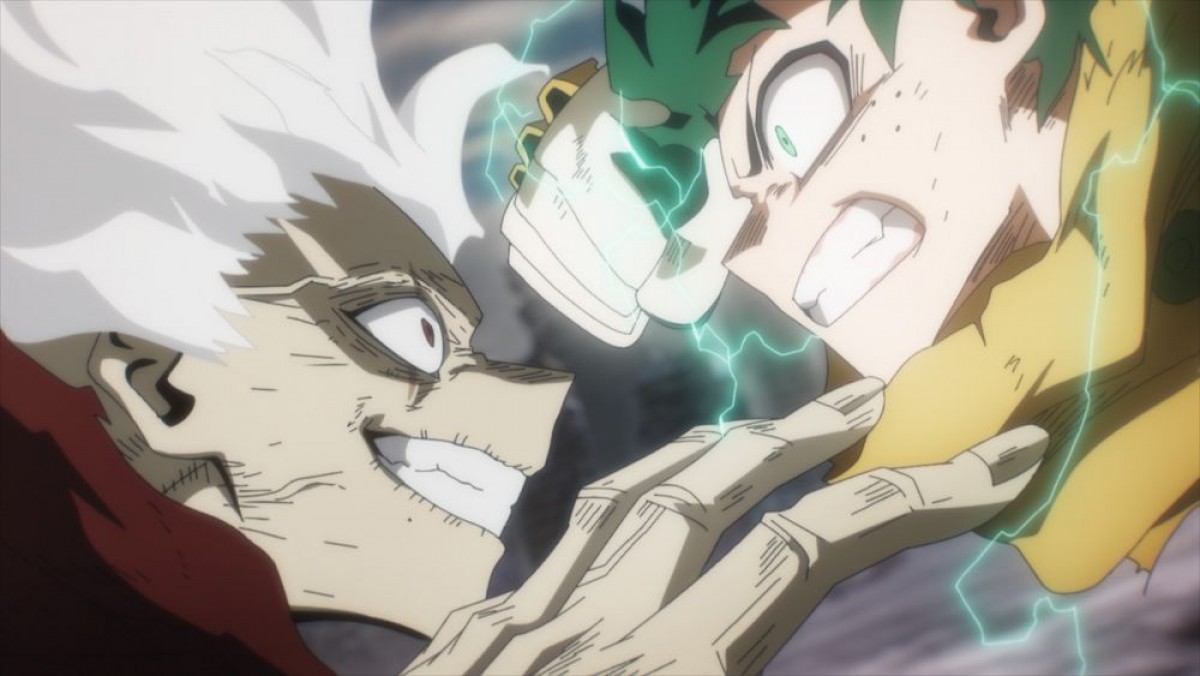
This thematic focus transforms standard combat set pieces into ethical trials. Shoto Todoroki’s battle against Izuku Midoriya in the Sports Festival set the template early, establishing that victory means nothing if the person standing across from you remains trapped in trauma. By treating quirks as biological manifestations of individuality rather than simple weapons, every technique deployed carries personal history. The visual language reflects this weight. Frames linger on cracked knuckles, hyperventilating chests, and trembling lips long after the shockwaves settle.
Turning Spectacle Into Pure Catharsis: The Defining Scenes
Every long-running adaptation boasts high-budget fight sequences, but only a handful permanently alter viewer investment. The emotional center of the story pivots around specific benchmarks where characters willingly discard self-preservation to uphold another person’s dignity.
During the Shie Hassaikai raid, Mirio Togata faces Overhaul while stripped of his powers. The Lemillion Quirk sacrifice stands out because it strips away Shonen progression fantasy. Stripped of his intangibility, Mirio shields young Eri using only his flesh and blood, demonstrating that heroism is an ethical orientation rather than a supernatural gift. Studio Bones timed the silence of that sequence with surgical precision, forcing viewers to absorb the agonizing thud of bullets hitting an ordinary human torso.
Two seasons later, the tonal pendulum swung entirely during the School Festival Arc. The Hero Too concert represented months of production preparation, detailed in reports across anime trade outlets including Otaku USA Magazine and Jotaku Network. Animators studied live rock performances to capture Kyoka Jiro’s vocal delivery and Class 1-A’s synchronized stage work. The narrative apex was simple: Eri’s smile breaking through the lingering shadow of Overhaul’s abuse. Capturing that single micro-expression required hundreds of meticulously drawn frames, demonstrating that saving a child’s spirit demands the same technical ambition as saving a city.
| Episode / Narrative Arc | Climactic Moment | Core Narrative Stakes |
|---|---|---|
| Season 3, Episode 49 | All Might last stand (United States of Smash) | The definitive collapse of the Symbol of Peace and transfer of societal burden to youth. |
| Season 4, Episode 74 | Lemillion Quirk sacrifice | Heroic resolve preserved despite the irreversible loss of supernatural capability. |
| Season 4, Episode 86 | Hero Too concert performance | Healing psychological abuse through community joy rather than physical combat. |
| Season 6, Episode 136 | Deku and Bakugo reconciliation | Dismantling toxic childhood rivalry into honest apology and mutual vulnerability. |
| Season 6, Episode 137 | Deku vs Class 1-A / Uraraka speech | Rejection of solitary martyrdom in favor of shared collective accountability. |
The Technical Execution: Studio Bones and Key Animation
Raw story beats fail without technical synchronization. Studio Bones maintains a reputation for high-octane action, but their animators reserve their most intricate craft for emotional ruptures.
The studio’s workflow separates general layout cuts from emotional focal points. Key animators intentionally distort anatomy during crying fits, widening eyes and sagging shoulders to break the pristine sheen common in modern digital compositing. When All Might delivers the United States of Smash against All For One in Kamino Ward, the sequence relies on heavy charcoal line-work and vanishing color saturation. The animators stripped away standard lighting filters, leaving raw brushwork that echoed the physical exhaustion of a dying fire.
Behind-the-scenes production breakdowns highlighted during the release of Season 4 revealed how song composition intersects with frame rate. Composer Yuki Hayashi orchestrated "Hero Too" with western pop-rock cadences specifically to contrast the militaristic brass themes used during villain raids. Animators drafted over 3,000 hand-drawn cuts for the concert sequence alone, ensuring that the physical exertion of playing drums, mixing audio, and dancing matched real-world physics. That technical investment explains why tear-jerker anime episodes stay pinned in community memory years after their initial broadcast.
From Solitary Burden to Collective Care: Deku vs Class 1-A
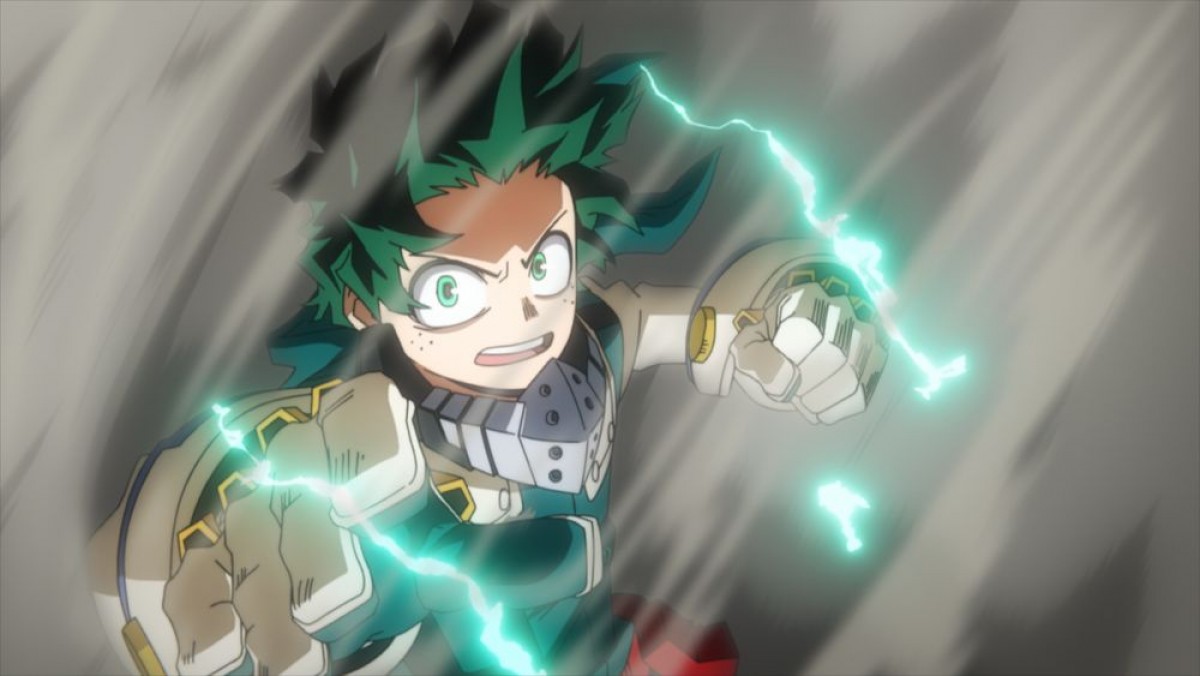
The psychological turn in Season 6 exposed the fundamental flaw of the early superhero system: the myth of the solitary savior. Horikoshi drove Izuku Midoriya into an emaciated, rain-soaked exile, running on fumes to keep his classmates out of Shigaraki’s crosshairs. The resulting confrontation in Deku vs Class 1-A subverted every heroic entrance in the genre.
Instead of fighting villains, Class 1-A mobilized their Quirks to physically immobilize their own friend. Tenya Iida breaking through the sound barrier to grab Deku’s mud-caked glove inverted their Season 1 dynamic, forcing Deku to accept that self-destruction is not nobility.
This sequence led straight into the Deku and Bakugo reconciliation, an interaction that rewrote a decade of Shonen rival dynamics. Katsuki Bakugo bowing his head in the pouring rain, using Midoriya’s real name instead of the derogatory nickname, abandoned pride in favor of accountability. Studio Bones pulled the orchestral score back to near silence, letting voice actors Daiki Yamashita and Nobuhiko Okamoto carry the scene on cracking vocal cords. It closed an arc that began in middle school playgrounds, showing that growing up requires admitting when you were weak, cruel, and wrong.
The Cultural Impact on Shonen Storytelling
The lasting resonance of these moments forced a subtle shift across commercial manga and anime production. For decades, Shonen heroes were defined by unbreakable stoicism. They absorbed damage, cracked a grin, and punched harder. My Hero Academia showed that true stakes emerge when characters admit they cannot carry the world alone.
Online fan communities frequently rank these episodes higher than pure sakuga exhibitions because the emotional payoffs are earned through prolonged failure. When Mt. Lady threw her body against Gigantomachia’s advance, bleeding from the skull while digging her heels into the dirt, viewers saw a vanity-driven commercial hero evolve into a frontline protector. The emotional payoff worked because the audience remembered her introductory scenes in episode one, where she fought solely for media cameras. That narrative continuity rewards viewer investment, proving that character development remains the ultimate special effect.
Frequently Asked Questions (FAQ)
Q1: Which episode features the All Might last stand and the United States of Smash?
Season 3, Episode 49, titled "One For All," contains the final battle between All Might and All For One in Kamino Ward, marking the end of All Might's active career as a hero.
Q2: Why does the School Festival Arc hold so much emotional significance?
Coming immediately after the brutal and depressing Shie Hassaikai raid, the arc focuses on rehabilitation rather than violence. The climax of the "Hero Too" concert gives Eri her first genuine moment of happiness, breaking the psychological hold of Overhaul's abuse.
Q3: In which episode does Bakugo apologize to Deku?
The apology occurs in Season 6, Episode 136, titled "Deku vs. Class A." Bakugo openly admits his past cruelty, jealousy, and bullying, providing one of the most critical relationship resets in modern Shonen history.
The Lasting Legacy of Horikoshi’s Story
My Hero Academia reached its narrative conclusions by refusing to look away from the scars left by battle. The story never promised that good intentions would prevent suffering, nor did it suggest that saving the day erases the trauma of the fight. Instead, it delivered a decade of television defined by the radical act of reaching out a hand when you have nothing left to give. That persistent message of shared vulnerability ensures that whenever audiences revisit these defining sequences, the emotional impact lands with the exact same force.