Naite Tamaruka and Toshiyuki Nishida: The Ultimate Guide to the Cult Drama Classic

When Toshiyuki Nishida passed away on October 17, 2024, at age 76, Japanese broadcast networks immediately emptied their archives to assemble retrospective specials. International tributes rightfully spotlighted his 22-film run as Densuke Hamasaki in the blockbuster Tsuribaka Nisshi franchise, alongside his commanding turns in NHK Taiga period dramas. Domestic historians and classic television purists focused their attention elsewhere: on a lesser-known, pivotal turning point broadcast on Tokyo Broadcasting System (TBS) nearly four decades earlier. That project was the 1986 revival of Naite Tamaruka (泣いてたまるか, "Like Hell I'd Cry!").
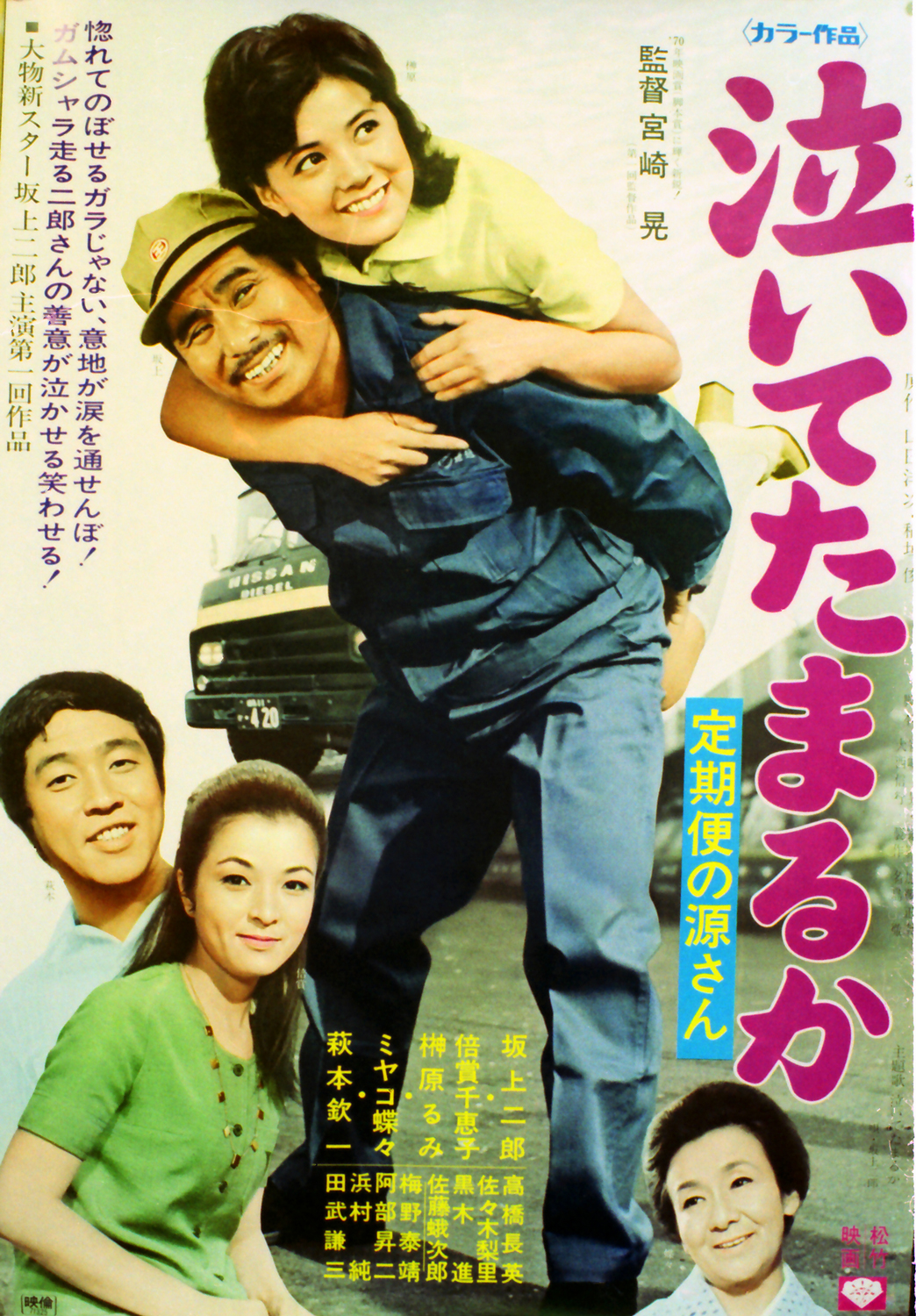
Originally conceived in 1966 as an experimental showcase for screen legend Kiyoshi Atsumi, Naite Tamaruka established the blueprint for postwar Japanese human drama. Resurrecting the format in 1986 with Nishida in the leading chair was considered an immense gamble by network executives. Today, as Japanese streaming platforms restore these vintage master tapes, the series stands out as an exceptional masterclass in character acting and a candid social record of an economically shifting nation.
📌 Key Takeaways:
- The Direct Lineage: TBS chose Toshiyuki Nishida as the sole heir capable of succeeding Kiyoshi Atsumi's iconic 1966 working-class anthology format.
- Creative Structure: The 1986, 1987 run produced 20 standalone episodes, casting Nishida in entirely different blue-collar roles every week, from long-haul truckers to weary substitute teachers.
- The Launchpad to Legend: This punishing anthology served as the immediate dramatic springboard that proved Nishida could carry the Tsuribaka Nisshi film franchise launched just two years later in 1988.
- 2026 Preservation Status: Remastered episodes circulate on specialized cable channels and archival platforms like U-NEXT, though complex music clearances keep western digital distribution tightly constrained.
The Weight of Stepping into Kiyoshi Atsumi’s Shoes
TBS debuted the original Naite Tamaruka in April 1966. Its concept was radical for Showa-era prime time. Rather than relying on recurring characters, the series reset its premise every single week. Kiyoshi Atsumi, prior to achieving global immortality as Torasan in Otoko wa Tsurai yo, played a new protagonist in every broadcast. One week he was an impoverished tofu maker fighting local racketeers; the next, a middle-aged bachelor trapped in a rural arranged marriage. Scripts came from premier writers including Yoji Yamada and Kinji Fukasaku. The title phrase itself, derived from working-class slang, captured a distinct defiance against systemic hardship.
By 1986, Japanese society looked radically different. The country was charging headlong into an intoxicating asset bubble. Real estate values skyrocketed, corporate salaries surged, and slick urban trend dramas began dominating television ratings. TBS producers believed audiences were losing touch with the raw, self-deprecating warmth of ordinary working folks.
The network approached Nishida to headline a comprehensive remake. Nishida had already achieved household recognition through comedic appearances in Saiyuki (Monkey) and his 1981 chart-topping single "Moshimo Piano ga Hiketa Nara." Yet tackling Atsumi's sacred territory represented a perilous career move. Atsumi was living royalty. Taking his signature vehicle risked immediate, unflattering comparisons. Nishida accepted on one condition: the 1986 run would not attempt to mimic Atsumi's rapid-fire Asakusa vaudeville cadence. Instead, Nishida grounded the stories in his own brand of Tohoku-born sincerity, expressive physical comedy, and deep-seated vulnerability.
Anatomy of an Anthology: Standout Episodes and Social Friction
Airing from October 1986 through March 1987, the revived Naite Tamaruka ran for 20 episodes. Free from the constraints of serial continuity, the production recruited veteran playwrights such as James Miki, Motomu Furuta, and Yoshiyuki Kuroda. The writers placed Nishida's characters directly in the gears of a rapidly modernizing society.
In Episode 4, Nishida played an independent truck driver operating on razor-thin margins, pushed past physical exhaustion by corporate dispatchers demanding impossible delivery schedules. The episode mixed broad visual gags with sharp critiques of logistical exploitation. Episode 9 took an even darker turn, casting him as a soft-spoken junior high school teacher tasked with handling intense classroom bullying while grappling with his own impending divorce. When his character finally breaks down in tears during a parent-teacher conference, he catches himself, forces an absurd, trembling grin, and bellows the titular line: "Naite tamaruka!"
This dynamic was the emotional anchor of the series. The scripts refused to hand out neat, Hollywood-style triumphs. Nishida’s characters routinely lost their jobs, saw romantic proposals rejected, or watched small neighborhood businesses swallowed by developer conglomerates. The triumph came solely from their refusal to surrender their humanity. Viewers saw their own uncles, fathers, and neighbors mirrored in Nishida’s sweaty, unvarnished performances.
Showa Eras in Contrast: 1966 Original vs. 1986 Revival
Examining both iterations of Naite Tamaruka reveals how television storytelling and Japanese society evolved across two distinct decades.
| Structural Element | Original Series (1966, 1968) | Revival Series (1986, 1987) |
|---|---|---|
| Lead Actor | Kiyoshi Atsumi (alternating select weeks with guest leads) | Toshiyuki Nishida (sole anchor throughout the run) |
| Episode Volume | 110 episodes total | 20 standalone episodes |
| Dominant Social Backdrop | Postwar reconstruction, urban migration, poverty survival | Early Bubble economy, hyper-capitalism, corporate alienation |
| Acting Aesthetic | Asakusa vaudeville rhythm, sharp banter, wandering drifter | Physical slapstick, broad pathos, provincial earnestness |
| Production Medium | 16mm black-and-white / early color film stock | 1-inch broadcast analog tape & location film units |
The Bridge to Hama-chan: Forging an Unshakable Screen Persona
Without the grueling creative gym of Naite Tamaruka, Nishida might never have secured his signature cinematic legacy. Shooting 20 feature-length television episodes across six months, building an entirely distinct psychology, gait, and vocal cadence for each character, pushed his dramatic range to its absolute limit.
Shochiku executives and director Tomio Kuriyama monitored the broadcast closely. At the time, Shochiku was actively seeking a lead actor for a proposed film adaptation of Juzo Yamasaki and Kenichi Kitami's manga Tsuribaka Nisshi ("Free and Easy"). The studio needed someone who could embody Densuke Hamasaki: an unambitious, fishing-obsessed salaryman who routinely infuriated his corporate superiors yet remained impossible to dislike.
Nishida's performances in Naite Tamaruka proved he possessed that precise alchemy. He could portray unvarnished foolishness without forfeiting dramatic credibility. When the first Tsuribaka Nisshi film premiered in December 1988, audiences instantly recognized Nishida's Hamasaki as the spiritual sibling of his Naite Tamaruka characters. The film launched an astonishing 21-year theatrical run spanning 22 installments, sealing Nishida's position as Japan's quintessential everyman actor for two consecutive generations.
Streaming Footprint, Physical Box Sets, and Archival Realities
Locating the 1986 series today requires some navigation, particularly for overseas viewers. Broadcast licensing, literary rights split across multiple estate-held scripts, and vintage soundtrack cues create significant legal obstacles for international distribution.
In Japan, the 1986 run was issued by Victor Entertainment on DVD in limited box-set editions during the early 2000s. Those physical sets command substantial prices on second-hand markets like Mercari and Yahoo! Auctions Japan, often trading between ¥18,000 and ¥35,000 depending on packaging condition. Following Nishida’s death in late 2024, broadcast rights holder TBS aired select high-definition remasters on its satellite network, TBS Channel 2.
Digital availability remains anchored primarily to domestic Japanese platforms. Select episodes rotate into the catalog of U-NEXT under their historical drama library, often requiring a domestic Japanese payment method and geolocated access. Crucially, no Western distributor has licensed the 1986 run for subtitled release. English-speaking film and television researchers rely heavily on physical boutique imports or non-commercial archival screenings hosted by cultural institutions like the Japan Foundation.
Frequently Asked Questions (FAQ)
Q1: Did Toshiyuki Nishida and Kiyoshi Atsumi ever appear together in Naite Tamaruka?
A: No. Atsumi led the original 1966, 1968 television broadcast and appeared in a few independent television specials under the broad banner, but he did not appear alongside Nishida in the 1986 revival. The two actors maintained immense mutual respect, and Nishida frequently credited Atsumi's work as the baseline for his own comedic timing.
Q2: Is the 1986 series connected narratively to the original 1966 show?
A: No narrative connection exists. Naite Tamaruka operates strictly as an episodic anthology. The connective tissue between both runs lies in thematic philosophy, the structural conceit of an ever-changing everyman protagonist, and the memorable theme music and title phrase.
Q3: Which episodes of Nishida's run are considered the most essential?
A: Episode 1 ("Kowai Oyaji ga Namida o Kobosu Toki") and Episode 9 ("Sensei, Boku Naitari Shimasen") are widely cited by Japanese television critics as the creative peaks of the run. They balance slapstick situational humor with unvarnished critiques of corporate workplace pressures and academic alienation.
Preserving the Working-Class Human Comedy in the Modern Era
Modern television production has largely abandoned the working-class anthology format. Budgets demand recurring intellectual property, cinematic universe tie-ins, and cliffhanger hooks engineered to keep viewers glued to algorithmic feeds. Standalone stories about humble delivery drivers or weary substitute teachers struggling to pay rent have become museum pieces in an era driven by high-concept spectacle.
Rediscovering Toshiyuki Nishida's performance in Naite Tamaruka highlights what makes mid-Showa television special. Nishida proved that an everyday existence carried enough humor, sorrow, and theatrical dignity to captivate millions without high-stakes plotting. His characters met bureaucratic indignity, financial scarcity, and bitter heartbreak with a stubborn, tear-stained smile. Looking back at these recovered episodes, Nishida's defining message rings crystal clear: Life knocks you flat on your back, but you get up, brush off the dust, and laugh directly into the wind.