Nakayukui Shoten Hours and Closures Fact-Check: Busting Viral Travel Misconceptions

Travelers plotting their routes across Okinawa often encounter a jarring claim on short-form video feeds: Nakayukui Shoten, the revered local confectionery tempura shop tucked into Irabu Island, has supposedly shuttered its fryers permanently. Disappointed visitors post photos of metal shutters pulled down at 1:30 PM, accompanied by captions warning tourists not to make the trek across the Irabu Bridge. These rumors have spread rapidly across travel forums, creating unnecessary panic among food lovers planning their southern island itineraries.
The reality tells a very different story. The shop is neither bankrupt nor permanently closed. What social media algorithms have amplified as a business collapse is actually the predictable operational rhythm of an artisanal island institution operating at peak demand. Understanding how Nakayukui Shoten manages its daily batch production, store holiday announcements, and inventory explains why so many casual visitors arrive only to face locked doors.
📌 Key Takeaways:
- The Operating Reality: Nakayukui Shoten remains fully active in 2026, running daily service until inventory exhausts rather than keeping rigid evening storefront hours.
- The Rumor Source: Viral closure reports stem from travelers encountering mid-afternoon sellouts and irregular maintenance rest days without checking local notices.
- The Strategic Fix: Securing the signature purple yam donut tempura requires timing visits around morning frying batches and navigating constrained parking.
The Social Media Panic Behind Irabu Island's Favorite Shutter
The wave of misinformation began accelerating when travel creators started documenting shuttered visits during peak summer travel periods. A tourist drives across the 3,540-meter Irabu Bridge from Miyakojima, punches the coordinates into navigation systems, and arrives in the quiet residential neighborhood of Kuninaka by early afternoon. Instead of the bustling fry station shown in travel guides, they find a silent storefront with a handwritten cardboard placard hanging from the front grate. Within hours, another video surfaces claiming the shop has closed down for good.
Local commerce on Miyakojima operates under constraints that urban visitors rarely encounter on the mainland. Family-owned establishments balance supply limitations, ingredient deliveries from mainland Okinawa, and intense physical labor over industrial oil vats in sub-tropical heat. When social media algorithms favor dramatic claims over mundane realities, a temporary "sold out" notice quickly morphs into an erroneous obituary for a thriving enterprise.
Verified Business Hours and the Truth Behind the Shuttered Doors
Official records and storefront verification confirm that Nakayukui Shoten maintains its standard operating schedule, centered around an official window of 9:30 AM to 4:00 PM. However, treating that 4:00 PM closing time as a guarantee is the single biggest mistake travelers make. The shop operates on a strict single-day inventory model: once the day's prepared dough and fresh fish fillets run out, the shop closes immediately.
The kitchen operates on two distinct shifts. Savory tempura items, featuring fresh local whitefish, squid, and seasonal vegetables, typically roll out first thing in the morning. The headline attraction, the beni imo panbin sata andagi (deep-fried purple sweet potato confections), enters the hot oil in carefully paced cycles throughout the morning. Irregular rest days still occur, particularly during severe weather, typhoons, or family-run community events, with announcements posted directly on storefront notices rather than modern multilingual websites.
Batch Schedules, Sellout Windows, and Wait Times
Understanding the queue dynamics at Nakayukui Shoten requires looking at how ferry-free transit reshaped tourism. Since the Irabu Bridge eliminated water-taxi barriers, passenger car volumes into Irabu Island have surged. Peak crowd arrival times cluster heavily between late morning and early lunch, creating predictable bottlenecks for both orders and parking spaces.
| Arrival Window | Typical Queue Time | Menu Availability | Parking Pressure |
|---|---|---|---|
| 09:15, 10:00 | 10, 20 minutes | 100% (Full menu ready) | Low (1, 3 open slots) |
| 10:30, 12:30 | 35, 60 minutes | 80% (High turnover) | Severe (Full capacity) |
| 13:00, 14:15 | 20, 40 minutes | 25, 40% (Select batches left) | Moderate to heavy |
| 14:30, 16:00 | 0, 10 minutes | 0, 10% (Frequently sold out) | Empty (Storefront closed) |
The sellout phenomenon is not an operational accident. The kitchen prepares a set weight of purple yam batter each morning to maintain crumb consistency and moisture retention. On high-volume weekends and national holidays, the shop regularly burns through its entire daily ration of dough before 2:00 PM, triggering the shutter drop that fuels online panic.
Why This Purple Yam Tempura Causes Gridlock
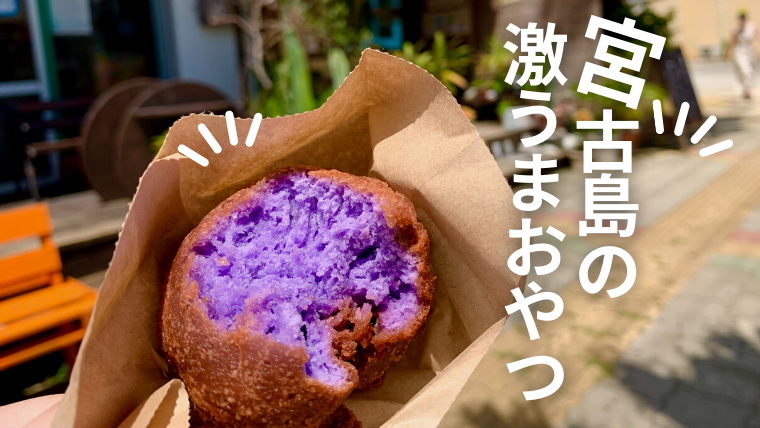
In standard Okinawan street food vernacular, deep-fried dough balls are known as sata andagi. On the Miyako Islands, dialect preserves the term panbin. What elevates Nakayukui Shoten above standard roadside snack stands across the Ryukyu archipelago is the structural execution of their batter, which incorporates generous proportions of local purple sweet potato.
The resulting texture departs sharply from dry, crumbly supermarket variations. Fresh out of the fryer, the exterior shell delivers a brittle, micro-thin crunch that yields to an airy, vivid violet interior smelling faintly of caramelized sugars. Priced modestly at approximately ¥100 to ¥130 per piece, it functions as accessible comfort food.
The store's breakout viral phenomenon arrived with the addition of the Blue Seal ice cream topping, commonly ordered as Panbin Ice for roughly ¥400 to ¥450. Workers split a scalding purple yam donut in half, creating a hot cradle for a generous scoop of vanilla or salt-cookie ice cream from Okinawa's heritage creamery. The dynamic between boiling, crackling batter and cold dairy creates an immediate sensory contrast, driving massive demand on travel review feeds.
Navigating Parking and the Irabu Bridge Day Trip
Integrating the shop into a wider Miyakojima itinerary requires realistic route management. Most travelers depart from downtown Hirara or resort corridors along Yonaha Maehama Beach, crossing the Irabu Bridge before looping north toward Toguchinohama or the 17END runway boardwalk at Shimojishima Airport. Nakayukui Shoten sits squarely in the middle of this path, turning it into a natural resting point.
Physical parking space availability remains the primary operational headache for both staff and neighborhood residents. The gravel zone directly adjacent to the shop accommodates only 6 to 8 standard compact rental cars. During the 11:00 AM rush, rental cars frequently back up onto Prefectural Road 204, blocking residential access lanes and generating local complaints.
Rushing the visit compromises the experience. If the primary lot shows full occupancy, drivers must avoid stopping on narrow lane shoulders or idling in front of private farm gates. Circling the block or pausing briefly at designated public pull-offs nearby prevents neighborhood friction and keeps local authorities from stepping in to regulate the area.
Frequently Asked Questions (FAQ)
Q1: Has Nakayukui Shoten permanently closed its business in 2026?
A1: No. The shop continues regular commercial operations on Irabu Island. Early shutter closures occur when daily batter stock sells out, which frequently happens by early afternoon.
Q2: What is the optimal time to arrive to guarantee an order?
A2: Arriving between 9:30 AM and 10:15 AM offers the highest certainty of securing fresh hot batches while keeping wait times under fifteen minutes and finding an open parking space.
Q3: How much do the purple yam donuts and ice cream pairings cost?
A3: A standard individual beni imo panbin costs roughly ¥100 to ¥130, while the specialty version topped with Blue Seal ice cream sells for approximately ¥400 to ¥450, paid in cash.
Q4: How does the shop communicate irregular holidays or weather closures?
A4: Nakayukui Shoten does not operate an active, real-time website booking system. Sudden closures due to severe squalls, typhoons, or family matters are announced via physical notices posted on the entrance shutters.
Practical Takeaways for Planning Your Visit
The recurring online rumors surrounding Nakayukui Shoten reflect a basic disconnect between mainland tourist expectations and the realities of small-scale island operations. A closed shutter at 2:00 PM is not an indicator of financial ruin or a lost landmark. It is simply proof that an exceptional product was prepared in finite quantities and consumed by earlier arrivals.
Treating this culinary stop as a rigid, late-afternoon itinerary item almost guarantees disappointment. Treat it instead as an early morning priority immediately after crossing the Irabu Bridge. By arriving before 10:30 AM, preparing exact cash, and respecting neighbor parking zones, visitors can bypass the rumor mill entirely and experience one of Okinawa's most satisfying street-food traditions straight from the fryer.