Natsume's Book of Friends Timeline: From Classic Dragons to 2025–2026 Expansions

More than two decades after its serialized debut, Yuki Midorikawa's quiet supernatural masterpiece continues to deepen its reach across global television, print, and interactive media. While the series built its reputation on melancholic, slice-of-life interactions between fragile rural spirits and an isolated boy, the occasional arrival of a dragon yokai signals a complete shift in scale. These encounters peel back the gentle canopy of the countryside to reveal ancient, staggering forces that dwarf ordinary mortals and minor ayakashi alike.
That narrative tension between human frailty and untamed divinity remains central as the franchise enters a vibrant production cycle. Between new television seasons produced by Shuka, regional preservation efforts in Kumamoto, and digital game releases tracked on storefront schedules like the gonintendo.com Report detailing modern console distributions, the legacy of Takashi Natsume's encounters continues to evolve across multiple platforms.
📌 Key Takeaways:
- Mythic Hierarchy: Dragon yokai (*ryu*) occupy an elevated tier in the lore, bridging the gap between local spirits and divine kami that cannot be controlled through typical human rituals.
- Ethical Restraint: Takashi Natsume repeatedly rejects using the Book of Friends to enslave draconic entities, choosing voluntary reconciliation over the forced servitude practiced by established exorcists.
- Expanding Footprint: Through theatrical live sound recitations, regional Kumamoto tourism, and digital releases such as Hazuki no Ki, the property has translated its contemplative folklore into enduring cultural projects.
The Mythic Weight of Dragon Yokai in Midorikawa Yuki's Lore
Japanese folklore portrays the dragon (*ryu*) not as a predatory monster, but as an elemental sovereign of rainfall, rivers, and celestial currents. Midorikawa preserves this tradition with deliberate care. In the manga pages of Hakusensha's LaLa, minor spirits appear with whimsical, often comical silhouettes. Dragons, by contrast, arrive with sweeping, calligraphic brushstrokes that dominate the margins. They command weather systems, alter crop yields, and carry the presence of nature itself.
This distinction matters within the story's spiritual taxonomy. Lower-tier ayakashi often harbor petty resentments born from brief encounters with fleeting human lives. Dragons move across centuries. When a dragon descends, its grievances stem from dried riverbeds, desecrated stone shrines, or ancient oaths made to long-dead sorcerers. They can shift from benevolent water deities to ruinous calamity spirits in an instant if human neglect disrupts their domain. Midorikawa treats them with quiet reverence, emphasizing that some things in the natural order are not meant to be domestic companions.
Takashi Natsume and the Burden of Draconic Names
The central premise of the series hinges on inherited authority. Reiko Natsume bound hundreds of spirits by defeating them and seizing their written names in the Book of Friends. When Takashi inherits the ledger, he finds that summoning or commanding a high-ranking ayakashi requires catastrophic outputs of spiritual energy. Releasing their names demands an equal toll.
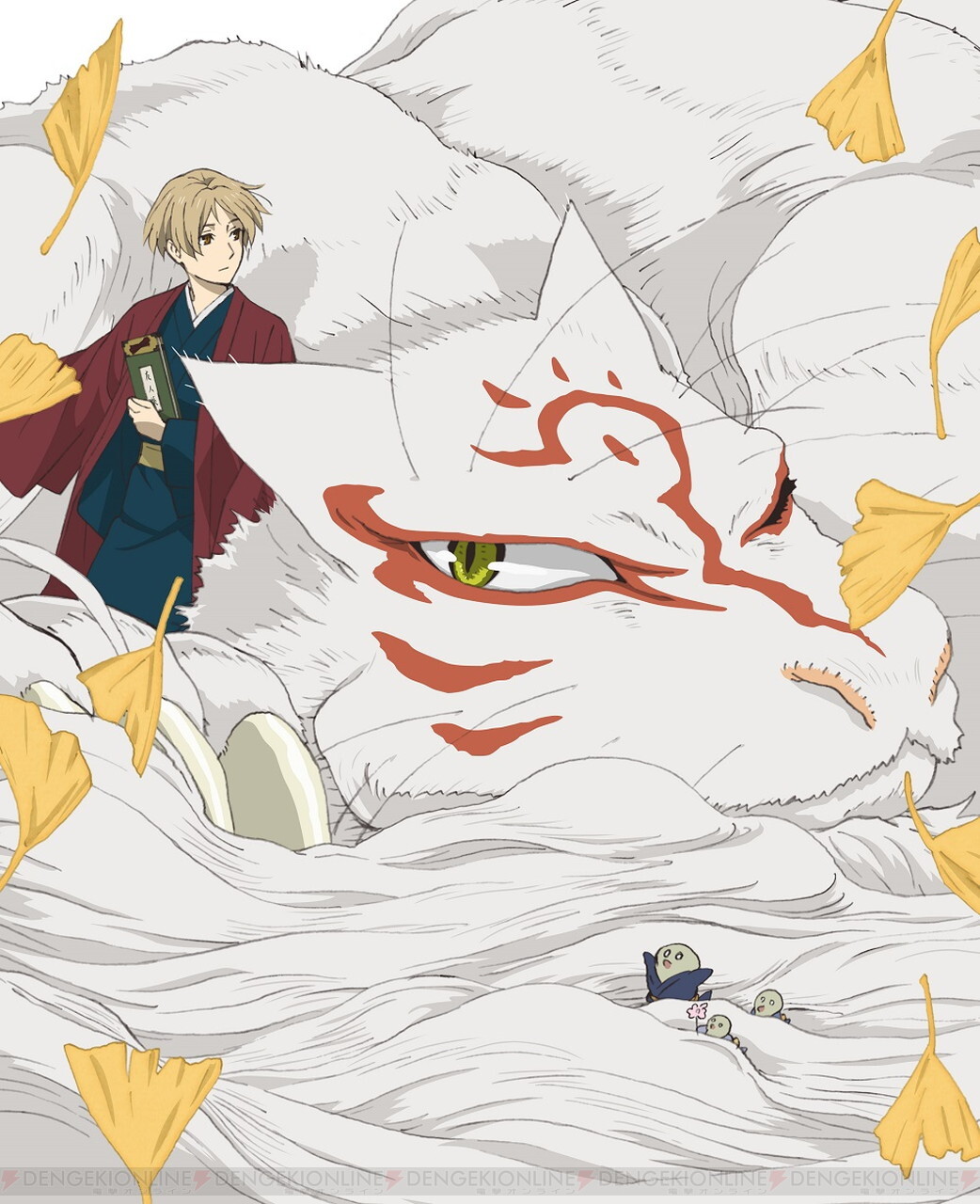
Whenever Takashi confronts a draconic spirit whose name rests between the paper sheets, the ritual carries genuine physical peril. The transfer of breath and memories floods his consciousness with centuries of geographic memory, floods, droughts, and forgotten mountain villages. Madara, maintaining his rotund Nyanko-sensei guise, routinely steps in to break the mental strain. Even in his true form as an immense white beast, Madara treats these draconic entities with guarded caution. A clash between an ancient beast spirit and a serpentine water deity leaves craters in the local geography, threatening the quiet life Takashi has built with the Fujiwara family.
The Matoba Clan's Calculation: Exorcism Politics and Divine Beasts
Where Takashi approaches powerful spirits with deep restraint, the Matoba clan operates on unyielding pragmatism. Led by Seiji Matoba, the clan views high-ranking spirits as strategic artillery in an ongoing shadow war between exorcist houses. The Matoba philosophy is straightforward: power unchecked is an active hazard, and divine entities must be bound by force, blood contracts, or Shikigami rituals before they cause destruction.
This ideological friction sharpens whenever a dragon or divine beast enters a district. The Matoba clan views a dormant dragon as a prime weapon to subjugate, willing to sacrifice lesser spirits and manipulate spiritual auras to trap the creature. Takashi routinely intervenes to prevent these bindings. To him, tethering a dragon with talisman chains strips the spirit of its sacred dignity and invites generational curses. These confrontations expose the moral divide of the exorcism community, contrasting cold clan preservation against individual ethical accountability.
Milestones Across the Natsume Yuujinchou Narrative Arc
The narrative evolution of the franchise traces an arc from isolated ghost stories to deep examinations of divine jurisdiction. The following timeline outlines key moments where draconic spirits and supreme entities challenged Takashi's worldview across both print and screen:
| Arc / Milestone | Entity Encountered | Narrative Significance |
|---|---|---|
| The Dew God Arc (Early Series) | Tsuyukami (Diminished Shrine Deity) | Establishes how human faith sustains divine size, setting the rules for fading kami and serpentine spirits. |
| The Divine Beast of the Ravine | Water Basin Dragon / Minor Ryu | Highlights the physical exhaustion Takashi faces when restoring names to nature spirits that govern water flows. |
| Matoba Clan Confrontation | Imprisoned Calamity Serpent | Demonstrates the destructive consequences of sealing dragons inside domestic wards for political leverage. |
| The Theatrical Reading Stage | Sound Theatre Celestial Visitors | Expands the franchise into live performance art, pairing orchestral scores with legendary spirit encounters. |
| Modern Cross-Media Expansions | Regional Forest & Water Deities | Integrates real-world Kumamoto folklore into digital interactive narratives and pilgrimage maps. |
Transmedia Longevity: Sound Theatres, Games, and Regional Heritage
The enduring popularity of the franchise is rooted in how carefully its producers handle adaptations. Rather than rushing out generic merchandise, the production committee has invested in premium artistic formats. The Sound Theatre live readings stand out as a prime example. These staged productions blend traditional Japanese instruments like the shamisen and shakuhachi with live voice acting from Hiroshi Kamiya (Takashi) and Kazuhiko Inoue (Nyanko-sensei), dramatizing spectral encounters with theatrical lighting and practical atmospheric effects.
Interactive projects follow a similarly restrained philosophy. Rather than fast-paced action games that would clash with the source material's tone, titles like Hazuki no Ki focus on atmospheric exploration, seasonal rhythms, and personal dialogue. Players collect lost memories, assist wandering creatures, and piece together the forgotten histories of local shrines.
Simultaneously, the series has reshaped real-world geography in Kumamoto Prefecture, Midorikawa’s home region. The Hitoyoshi-Kuma area has transformed train stations, moss-covered bridges, and hillside cedar groves into quiet pilgrimage destinations. Local authorities work alongside the production committee to maintain these sites, balancing inbound tourism with the quiet dignity of the countryside. Fans arrive not to chase tourist spectacles, but to sit on the riverbanks where fictional dragons once passed unseen through the fog.
Frequently Asked Questions (FAQ)
Q1: Are dragon yokai in Natsume Yuujinchou considered evil?
They are neither good nor evil. Midorikawa portrays dragons as primal forces of nature that mirror the balance of their environment. If their waters are clean and their shrines respected, they bring rain and stability. If their domains are corrupted or enclosed by exorcist traps, their presence triggers catastrophic storms and spiritual blight.
Q2: Why does Takashi refuse to enlist the help of high-ranking dragon spirits?
Takashi recognizes that commanding a spirit through the Book of Friends creates a relationship built on coercion. Binding an entity of draconic scale risks corrupting his own moral compass, while unleashing uncontrollable forces upon the humans living nearby. He treats them as sovereign beings deserving of space and autonomy.
Q3: How does Nyanko-sensei compare in power to an ancient dragon?
Nyanko-sensei's true form, the great demon beast Madara, places him near the top of the earthly yokai hierarchy. However, celestial dragons and ancient water deities occupy a slightly different mythic register tied to divine worship. While Madara can hold his ground against a dragon in direct physical combat, he openly acknowledges the headache of dealing with entities that carry the weight of nature gods.
The Franchise's Enduring Vision Through 2026
The cultural footprint of Natsume's Book of Friends endures because it refuses to accelerate its pace. In an entertainment landscape dominated by high-stakes battles and rapid digital cycles, Midorikawa's storytelling remains patient, observant, and deeply grounded in classic folklore traditions.
Whether manifested in the sweeping coils of a river dragon across seasonal skies or experienced through stage plays and preservation projects in Kumamoto, the franchise holds fast to its founding philosophy. Power is not an instrument for conquest, but an obligation to listen. As Takashi continues returning names to the forgotten corners of the forest, the mythic dragons remind audiences that some wonders are grandest when left undisturbed.