Never Lose Your Drawstring Again: Laundry-Proof Knots That Survive the Washer
Every laundry day presents a familiar household irritation: pulling a favorite hooded sweatshirt from the drum only to find one end of the cord sucked deep into the hood channel. The other end hangs slack, twisted around wet towels or trapped in an agitator seam. What seems like random bad luck is actually basic centrifugal physics. Top-load spins and front-load tumble cycles whip unanchored fabric cords around the drum, forcing narrow aglets through hood eyelets until the string disappears entirely.
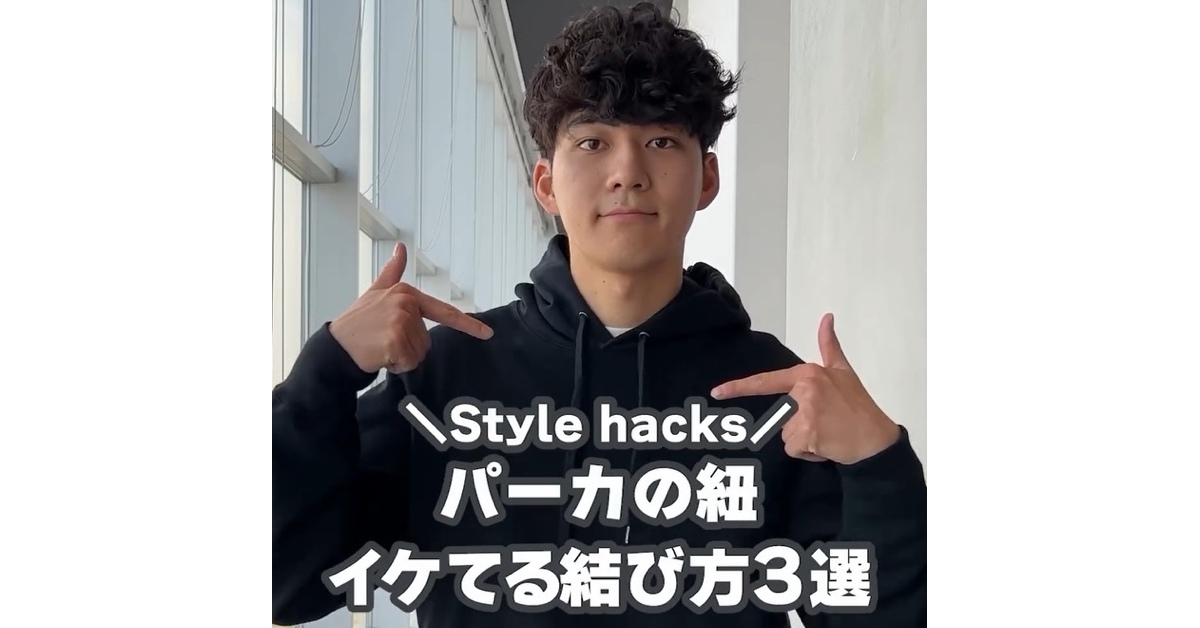
Retailers and textile care specialists have long pushed simple workarounds, but Japanese streetwear communities recently turned this chore into a design movement. As highlighted in a lifestyle feature by livedoor ニュース Report, small adjustments to how you knot your hoodie strings simultaneously eliminate washer tangles and upgrade the garment's visual drape. When everyday utility converges with intentional styling, simple mechanical friction solves an annoyance that has plagued casual wardrobes for decades.
📌 Key Takeaways:
- The Mechanical Trigger: Washer spin cycles generate up to 1,200 RPM, creating centrifugal drag that forces unknotted aglets past standard 6 mm eyelets.
- The Friction Solution: Cylindrical anchors like the barrel knot and multi-loop flower knot expand cord diameter well past eyelet clearance, completely blocking retraction.
- Retail Adoption: Mainstream apparel giants, including Uniqlo, now officially promote functional knotting methods to reduce consumer returns and garment frustration.
Why Washing Machines Swallow Hooded Sweatshirt Strings
Hoodie cords disappear during wash cycles due to unbalanced drag. When saturated fleece absorbs three times its dry weight in water, it becomes heavy and sluggish. Meanwhile, lightweight tubular drawstrings whip outward during high-speed spin cycles. If an aglet gets pinned beneath a heavy pair of denim jeans while the hood rotates freely, the cord slides through its casing like thread through a needle.
Standard hoodie eyelets measure between 5 mm and 8 mm in inner diameter. Standard plastic or metal aglets measure roughly 3 mm to 4.5 mm. Because manufacturers design eyelets for smooth string movement, loose aglets offer zero resistance when cycle turbulence pulls them inward. A simple overhand knot at each tip rarely helps. Wet cotton under tension flattens out, slipping through metal grommets with minimal effort.
Stopping this migration requires geometric obstruction. You need a knot with sufficient three-dimensional volume to exceed the eyelet diameter, combined with enough surface friction to resist loosening under water immersion and mechanical tumbling.
The Barrel Knot: The High-Friction Anchor That Defeats the Spin Cycle
Originally borrowed from sailing and climbing cordage, the barrel knot stands as the premier functional knot for hoodie cords. Its cylindrical profile stays tight when wet, looks clean against the chest, and creates a dense stop that cannot compress through a standard grommet.
To tie a barrel knot:
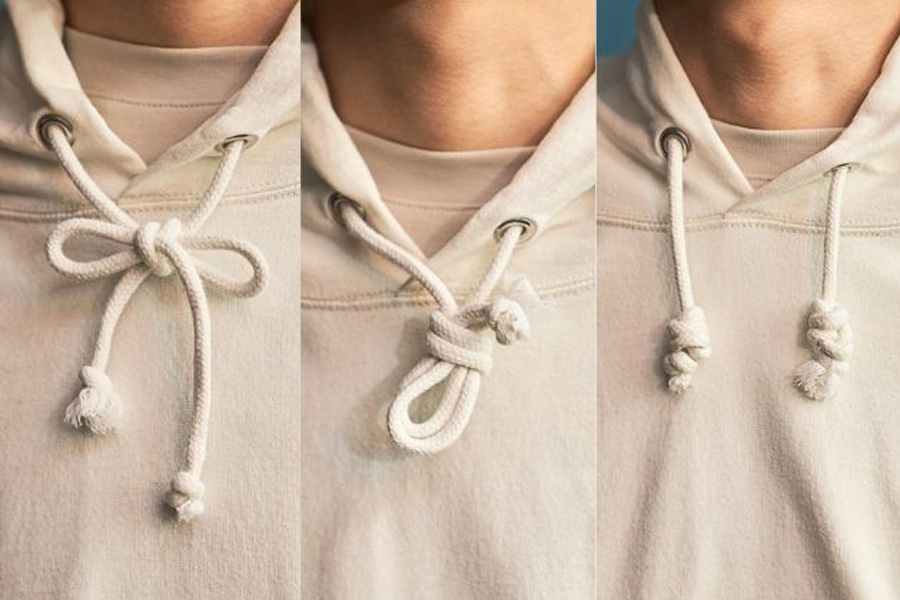
Pull the drawstring taut and form a vertical loop facing downward, leaving roughly four inches of tail near the aglet. Wrap the tail end upward around both strands of the loop three to four times, moving toward the bend. Once you finish the wraps, thread the aglet down through the remaining loop opening at the bottom. Pull the running end while holding the wraps steady to cinch the coils into a tight, uniform cylinder.
The resulting knot measures roughly 12 mm to 15 mm in thickness, more than double the internal clearance of an eyelet. Even inside violent commercial spin cycles, the coils tighten against themselves rather than unraveling. When dry, a quick squeeze relaxes the internal tension, allowing you to loosen or untie the barrel with zero fabric distortion.
The Decorative Turn: How Uniqlo Popularized the Flower and Bow Tie
Functionality keeps the cord intact, but aesthetics drive broad adoption. In late 2023, apparel retailer Uniqlo released an official tutorial detailing three easy tying styles, reassuring customers that even beginners with clumsy hands could master them in seconds. The campaign caught fire across social platforms, prompting consumers to treat drawstring cords as deliberate styling accents rather than loose afterthoughts.
The most popular variation is the clover knot, often called the flower knot. Rather than terminating in a tight cylinder, it expands into three soft fabric petals that sit flat against the chest. To create it, fold the cord into a standard cross-over loop, feed a bight of the string through to create a center petal, then thread two secondary loops through the base, pulling each side gently until a symmetrical three-leaf blossom forms.
While softer than tactical knots, decorative ties create broad flat surfaces that sit firmly outside the hood opening. They soften the utilitarian look of heavyweight cotton hoodies while providing the mechanical buffer needed to keep cords in place through laundry day.
Performance Breakdown: Comparing Laundry Resilience Across Drawstring Knots
Different knots offer varying tradeoffs between laundry durability, bulk, and ease of untying after contact with hot water and detergent. The table below outlines how common knots perform under repeated wash cycles.
| Knot Style | Washer Survival Rate | Visual Profile | Untying Difficulty |
|---|---|---|---|
| Standard Overhand | 25%, 35% | Basic / Minimalist | High (locks tight when wet) |
| Barrel Knot | 98%, 100% | Industrial / Clean cylinder | Low (slides open easily) |
| Clover / Flower Knot | 85%, 90% | Playful / Streetwear accent | Moderate (multiple loops) |
| Interlocked Bow (Tied Together) | 95%, 99% | Centered / Traditional | Low |
The data reveals a stark contrast: basic overhand knots regularly fail because water lubricates fibers, compressing the knot until it matches eyelet dimensions. Structured knots like the barrel knot use internal wraps that resist lateral compression, maintaining their blocking profile throughout wash and rinse cycles.
Restringing and Recovery: Quick Fixes When a Cord Disappears
If a drawstring has already retreated inside the hood channel, tying knots won't help until you fish it back out. Trying to push a limp shoelace-style aglet through several feet of bunched fleece using your fingers alone is slow and frustrating. Three mechanical tools solve this in under two minutes.
The safety pin remains the gold standard. Fasten a large 2-inch safety pin directly through the fabric of the aglet. Feed the pin into the eyelet opening. Because the pin provides a rigid head, you can bunch the hood fabric over the pin with one hand, then pinch the head and pull the fabric smooth with the other. Inch by inch, the pin guides the cord through the channel until it emerges on the opposite side.
A plastic drinking straw offers a faster alternative for thin cords. Push the drawstring tip two inches into the straw and staple or tape it securely. Feed the stiff straw through the hood channel in continuous pushes. For households without tools, an ordinary metal wire hanger untwisted into a straight guide with a small loop hook at the end can pull stranded strings through in a single pass.
Launder Smarter: Garment Care Tactics That Protect Hood Hardware
Knot selection eliminates most cord loss, but overall laundry habits dictate how well your hoodies hold their shape over years of wear. Washing machines subject knit fleece to severe friction. Metal grommets can tear free from fabric when strings snag on drum baffles, leaving unsightly tears that knots cannot fix.
Before loading your hoodie, tie both drawstrings together in a loose square knot, then turn the entire garment inside out. This places the hood casing and exterior grommets inside the sweatshirt body, shielding them from abrasive contact with zippers, denim seams, and drum walls.
Investing in a zippered mesh laundry bag provides the ultimate insurance policy. Placing your hooded sweatshirt inside a 15 x 18 inch wash bag eliminates cord tangling entirely, regardless of which knot you choose. The bag restricts external drag forces while allowing water and detergent to circulate freely. Wash in cold water on gentle spin cycles to prevent cotton shrinkage, and hang hoodies by the hem rather than the hood to prevent cord channels from stretching out of alignment.
Frequently Asked Questions (FAQ)
Q1: Will tight barrel knots permanently crease or damage flat cotton drawstrings?
A1: No. High-grade fleece hoodies use woven tubular cotton or polyester cords. While knots will temporarily flatten the weave, washing the cord or wetting it with warm water restores its original round or flat profile within minutes of untying.
Q2: Should I keep decorative knots tied while placing the hoodie in a heated dryer?
A2: Air-drying is always preferable for hooded sweatshirts to preserve fleece loft. If using a tumble dryer, switch to low heat. Extreme heat can shrink cotton unevenly inside tight knot coils, making them difficult to untie after the cycle completes.
Q3: How do I stop raw-edge drawstrings without aglets from fraying during washes?
A3: If plastic aglets crack or fall off, wrap the cord tip tightly in clear heat-shrink tubing and apply gentle heat with a hairdryer for 10 seconds. Alternatively, dip the tip in clear fabric glue or tie a tight double overhand knot directly at the cut edge before washing.
Practical Wardrobe Habits for Long-Lasting Comfort
Clothing care rarely demands expensive gadgets or complex protocols. Most everyday wardrobe frustrations stem from tiny mechanical mismatches between garment construction and laundry appliances. A single barrel knot tied into each end of a hoodie cord takes roughly thirty seconds to complete, yet it permanently removes one of laundry day's most tedious chores.
Taking control of these minor details preserves your clothing. Hoodies keep their balanced drape, eyelets avoid tear damage caused by tangled tug-of-wars in the spin cycle, and you never have to waste ten minutes with a safety pin again. A quick loop, a few wraps, and your gear stays ready for rotation wash after wash.