Oi! Hanimaru Timeline: From 1983 Educational Hit to Social Media Sensation
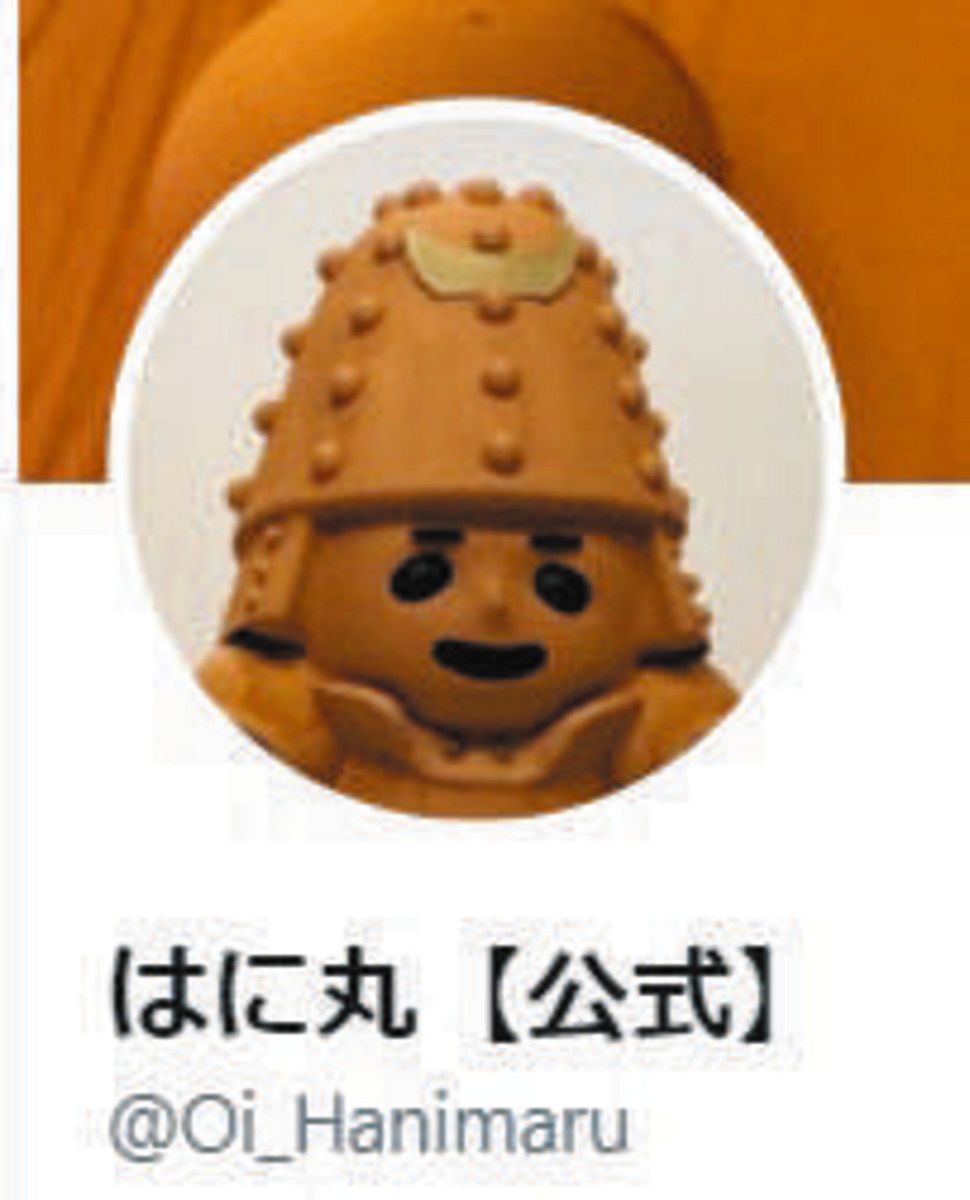
In mid-January 2026, as an arctic cold front swept across the Japanese archipelago, an unusual figure hijacked social media feeds. NHK’s terracotta puppet Hanimaru, originally constructed in 1983 to teach three-year-olds fundamental vocabulary, surfaced on X sporting Victorian mutton chops and Western tailoring. The visual was an exact parody of Tommy Bastow’s character "Heaven" from NHK's ongoing morning drama Bakebake. Paired with a terse caption, "Samui jigoku" (Freezing hell), the post racked up millions of impressions within hours. Decades after retiring from weekday morning television, a relic molded from clay remains one of public television's most unpredictable satirical weapons.
The sudden viral spike surprised younger digital natives, but older generations recognized the calculated mischief immediately. As documented in an archival livedoor ニュース Report chronicling the property's longevity, Oi! Hanimaru has spent more than forty years confounding expectations. What started as an earnest language-acquisition experiment on NHK Educational TV eventually transformed into a biting cultural touchstone, pioneering the eccentric aesthetics of modern Japanese mascot culture long before the industry had a name for it.
📌 Key Takeaways:
- Pedagogical Roots: NHK launched Oi! Hanimaru in April 1983 to accelerate early language acquisition for toddlers using tactile physical puppetry rather than conventional animation.
- Subversive Evolution: The production team flipped the innocent premise on its head during 2014 reboot specials, turning the puppet into an unfiltered investigative interviewer who interrogated adult social hypocrisies.
- Digital Longevity: A January 2026 viral parody mocking the flagship serial Bakebake proves the property has successfully transitioned from retro television curiosity to sharp-edged social media satirist.
The 1983 Pedagogical Experiment on NHK Educational TV
When Oi! Hanimaru premiered in April 1983 on NHK Educational TV (now known as E-Tele), Japanese public broadcasting faced an instructional hurdle. Early childhood cognitive studies indicated that three-year-olds experience a rapid linguistic surge, shifting from rudimentary single-word demands to complex syntax. Standard educational programming struggled to model this transition effectively. NHK's solution was deliberate: introduce an outsider who possessed zero knowledge of modern society, forcing children to vocalize definitions alongside him.
The creative team settled on an unlikely protagonist: a living haniwa, the cylindrical terracotta funerary figures erected during Japan’s Kofun period (c. 250, 538 AD). Named Hanimaru, this young clay prince woke up in contemporary Japan with no conceptual understanding of basic household appliances, social etiquette, or everyday objects. Accompanied by his equine companion Hinba, a talking clay horse who served as his cynical guardian, Hanimaru wandered through physical studio sets asking what things were called and why they existed. The dynamic turned the television screen into an interactive classroom where toddlers held more contextual authority than the show's royal hero.
The Acoustic Genius of Mayumi Tanaka and Hinba's Comic Timing
Visual puppetry accounted for only half the program's magnetism. The real motor was vocal cadence. NHK cast voice actor Mayumi Tanaka to breathe life into Hanimaru. Years before Tanaka achieved global fame as the voice of Monkey D. Luffy in One Piece and Kuririn in Dragon Ball, she channeled an unvarnished, raspy innocence into the clay prince. Her delivery avoided the saccharine condescension common in preschool television. When Hanimaru asked a question, it came out with piercing curiosity.
To balance Tanaka’s relentless acoustic energy, the production leaned on Hinba, voiced by veteran performer Kazue Ikura. While Hanimaru bounded into frame with wide-eyed excitement, Hinba hung back with dry, exasperated rejoinders. The interplay felt closer to classic stage double-acts (manzai) than gentle morning daycare. Underneath the linguistic drills ran an addictive musical framework, anchored by the opening anthem "Oi! Hanimaru, Hanimaru Ouji," a brisk melodic earworm composed by Hiro Tsunoda that remained burned into the memories of Japanese children throughout the 1980s.
Four Decades of Evolution: Broadcast Run to Social Media Satire
The program wrapped its original broadcast run in March 1989 after six seasons and over two hundred episodes. Yet unlike hundreds of transient children's shows from the Showa era, Hanimaru refused to fade into museum archives. Instead, the property underwent several deliberate commercial and tonal reinventions over the subsequent four decades.
| Timeframe | Milestone Event | Cultural Transformation |
|---|---|---|
| 1983, 1989 | Original 6-year broadcast run on NHK Educational TV | Linguistic education targeting vocabulary acquisition in three-year-olds. |
| 2013, 2014 | 30th Anniversary DVD Box Set release and late-night broadcast return | Rediscovery by adult collectors; critical labeling as a proto-yuru-chara pioneer. |
| 2014, 2017 | Premiere of investigative satire specials (Hanimaru Journal) | The puppet pivots from childhood teacher to rogue journalist confronting corporate double-speak. |
| 2020, 2026 | Digital direct-engagement era via official X feed and broadcast cross-parodies | Viral meme factory subverting NHK's flagship morning dramas during seasonal news cycles. |

The 2013 Collector Revival and the Proto-Yuru-Chara Paradigm
By late 2013, thirty years had passed since Hanimaru first stumbled out of an archaeological dig. Nostalgia cycles typically churn through pop culture every quarter-century, but home video distributor Pony Canyon noticed something unusual when preparing the Oi! Hanimaru Hanimaru BOX DVD collections. Backorders piled up across online retailers like Tower Records, forcing fulfillment delays as buyers in their thirties and forties rushed to own physical copies.
Cultural commentators began reassessing the show's aesthetic legacy. Long before the late-2000s mascot craze minted characters like Kumamon and Funassyi, Hanimaru possessed the exact qualities cultural critic Jun Miura used to define yuru-chara: an unpolished, slightly unhinged regional or historical motif coupled with awkward physical limitations. The puppet's stiff arms and rigid clay-sculpted posture made him look vulnerable rather than slickly corporate. He was a mascot before the infrastructure to monetize mascots existed.
Transforming an Educational Icon into an Unfiltered Investigative Reporter
The turning point in Hanimaru's modern identity arrived in August 2014. NHK producers pitched an experimental late-night special titled Hanimaru Journal. The premise weaponized the character's signature trait: absolute, unvarnished ignorance. In normal society, adults abide by implicit codes that protect corporate spokespeople, politicians, and PR managers from uncomfortable inquiries. A hollow clay puppet from antiquity, however, has no reason to respect modern media protocols.
Armed with a handheld microphone and voiced live by an uninhibited Tanaka, the Hanimaru puppet was dispatched into corporate boardrooms, press conferences, and government offices. When confronted with corporate boilerplate about corporate governance or delayed public projects, Hanimaru would tilt his head and ask devastatingly simple questions: "Why are you saying words that don't mean anything?" or "If you are sorry, why aren't you fixing it?" The specials exposed the performative nature of Japanese public apologies by placing an innocent children's puppet in the center of the frame, generating both critical acclaim and explosive viewer ratings.
The 2026 ‘Bakebake’ Parody and the Power of Self-Referential Comedy
The puppet's resurgence hit another high watermark on January 19, 2026. NHK's primary television narrative that season was dominated by Bakebake, an acclaimed serialized morning drama inspired by Lafcadio Hearn and his wife Setsu Koizumi. Actor Tommy Bastow’s performance as the Western scholar "Heaven" had become a national talking point. Sensing an opening, the digital team managing Hanimaru's official X presence posted an image of the ancient prince sporting Western period garb, thick mutton chops, and a vacant stare, set against the backdrop of Japan’s paralyzing winter storms.
The gag relied on pure cognitive dissonance. The public broadcaster permitted its oldest children’s educational mascot to directly parody its most prestigious historical drama. The phrase "Samui jigoku" instantly resonated across a shivering nation, illustrating how legacy public broadcasting networks can deploy back-catalog intellectual property without relying on cheap sentimentality. Hanimaru remains relevant precisely because he refuses to remain trapped in gentle museum nostalgia.
Frequently Asked Questions (FAQ)
Q1: Why did NHK choose an ancient funerary clay figure for a children's language show?
A1: Production staff needed a character who was an absolute outsider to contemporary human civilization. A prehistoric haniwa figure had no preconceived knowledge of modern tools, foods, or social customs, allowing young children watching at home to act as the "experts" teaching the protagonist basic vocabulary.
Q2: Is Mayumi Tanaka still associated with the voice of Hanimaru today?
A2: Yes. Whenever Hanimaru makes appearances on modern television specials, retrospective variety shows, or official voice-tracked social productions, veteran voice actor Mayumi Tanaka continues to provide his trademark raspy, spirited vocal performance.
Q3: How did Hanimaru transition from children's television to adult satire?
A3: Beginning with the August 2014 special and subsequent Hanimaru Journal broadcasts, NHK capitalized on the character’s naive persona. Because Hanimaru is an ancient puppet, he can ask blunt, socially taboo questions to politicians and business leaders without violating Japanese broadcast manners.
The Tactile Legacy of Showa-Era Puppetry in an Algorithmic Age
Four decades after his debut, Hanimaru’s enduring appeal highlights something often lost in modern children’s media. Contemporary children's television relies overwhelmingly on smooth, hyper-saturated digital animation designed to hold fragmented attention spans through constant visual stimulation. Oi! Hanimaru succeeded on the opposite virtue: physical resistance.
Viewers can see the tangible texture of the fabric, the slight wobble of the wooden rods controlling the puppet's hands, and the imperfect seams in the costume. When Hanimaru interacts with the world, he interacts with physical matter, giving his innocence real weight. Whether teaching toddlers the word for an umbrella in 1983 or lampooning morning dramas on X in 2026, the clay prince endures because real wood, foam, and clay possess a humanity that pure algorithms fail to duplicate.