On-Camera Tears in Chile: Behind the Most Memorable Scenes of 'Sekai de Hataraku Otousan'
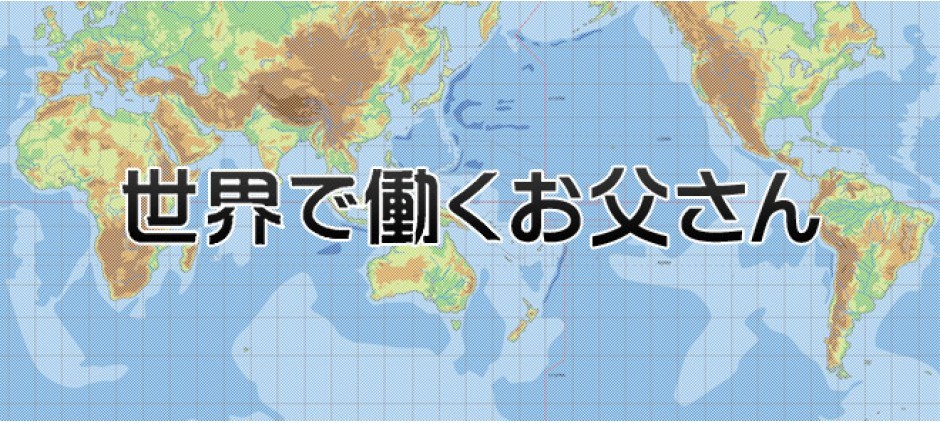
When TV Tokyo dispatched an unaccompanied Japanese elementary schooler across 17,000 kilometers to surprise an expatriate father stationed in Chile, the network created one of the most culturally resonant moments in Japanese documentary television. For years, the long-running special Sekai de Hataraku Otousan ("Fathers Working Around the World") chronicled a peculiarly Japanese corporate reality: the tanshinfunin assignment, where salarymen relocate overseas alone to protect their children's educational stability. As detailed in the original BSテレ東 Report on the format, these journeys followed children navigating buses, planes, and foreign border checkpoints completely unannounced, seeking a rare glimpse into the daylight working lives of fathers they barely saw.
The broadcast's journey to South America stood out from corporate dispatches to Singapore or Dusseldorf. Chile was the antipodal extreme. Between the urban sprawl of Santiago and the high-altitude copper deposits of northern mining regions, the sheer physical and psychological separation exposed the raw cost of Japan’s corporate diaspora.
📌 Key Takeaways:
- The Logistical Ordeal: Reaching Chile required over 30 hours of travel and multiple transcontinental transfers, pushing the emotional stakes of unaccompanied child travel to its absolute television limit.
- The Mining Footprint: Unlike white-collar desk postings, Chile assignments tied Japanese engineers directly to brutal high-desert environments and critical mineral supply chains.
- The Cultural Pivot: The footage struck a profound chord across Japan because it captured the twilight era of unquestioned corporate sacrifice, contrasting domestic absence with the daily toil of fathers abroad.
Thirty Hours Across the Pacific to the Edge of the Andes
Getting a child from Haneda or Narita to Santiago is not a simple flight. It is an endurance trial. It demands an initial transpacific hop to Dallas, Houston, or Atlanta, followed by a nine-hour red-eye straight down the spine of South America. For an eight-year-old carrying a backpack and speaking zero Spanish, navigating customs halls under the discreet surveillance of a distant television crew pushed the premise of *Sekai de Hataraku Otousan* to its edge.
Viewers watched a child grapple with jet lag, unfamiliar transit signage, and the sheer disorientation of stepping into the Southern Hemisphere. The production crew maintained strict rules: camera operators trailed meters behind, intervening only if safety was actively compromised. The tension mounted not from manufactured television drama, but from the genuine visual vulnerability of a small child sitting alone in Santiago’s Arturo Merino Benítez International Airport, clutching a handwritten map and a photograph of their father.
By the time the child crossed into the Santiago metro system or boarded an interprovincial bus headed toward the dry foothills, the emotional exhaustion was palpable on screen. The show transformed a dry corporate transfer into an odyssey of filial devotion.
The Corporate Isolation of Chilean Mining Postings
Japan’s presence in Chile is defined heavily by resources. Major trading houses, including Mitsubishi Corporation, Mitsui & Co., and JX Nippon Mining & Metals, hold massive equity stakes in copper mines like Escondida, Los Pelambres, and Collahuasi. Managing these joint ventures requires a steady rotation of Japanese metallurgical engineers, logistics managers, and commercial liaisons.
These were not cushy diplomatic postings. Expatriate fathers often split their schedules between modest rental apartments within the Santiago Japanese expat community and week-long rotations at high-altitude operations above 3,000 meters in the Atacama Desert. The physical environment is punishing: thin air, bone-dry winds, and complete isolation from family life back home.
The time difference alone, running 12 to 13 hours depending on daylight saving, meant simple video calls were nearly impossible to schedule around Japanese school mornings and Chilean work shifts. A father waking up for a shift at an open-pit mine was signing on just as his family in suburban Kanagawa went to sleep. The visual payoff of the show hinged on this acute disconnect.
Logistical Realities of Japan’s Expat TV Formats
The Chile episode remains a benchmark for cross-continental family documentaries. Comparing destination profiles reveals why the South American journey registered so heavily with audiences compared to traditional expatriate hubs.
| Assignment Destination | Transit Duration from Tokyo | Primary Industry Sector | Time Difference from JST |
|---|---|---|---|
| Santiago / Antofagasta, Chile | 30, 35 hours (2+ connections) | Copper Mining & Natural Resources | -12 to -13 hours |
| Bangkok / Rayong, Thailand | 6, 8 hours (Direct) | Automotive & Electronics Assembly | -2 hours |
| Düsseldorf, Germany | 14, 16 hours (1 connection) | Corporate Headquarters & Machinery Sales | -7 to -8 hours |
| Domestic Japan (e.g., Nagoya, Fukuoka) | 1.5, 4 hours (Shinkansen / Air) | Domestic Corporate Logistics | 0 hours |
The Unrehearsed Moment of Recognition
Television directors spend careers chasing authentic human reaction. The Chile broadcast delivered it without dialogue. In the climactic sequence, the child arrived at an industrial worksite office where the father sat reviewing technical blueprints, wearing high-visibility gear and steel-toed boots.
For children raised in suburban Japan, their fathers exist as shadowy figures who leave early in suits and return late after bedtime. The program dismantled that abstraction in seconds. The child did not run forward screaming. Instead, the child froze outside the glass door, suddenly comprehending the sheer scale of the machinery and the foreign world their father inhabited.
When the father looked up, confusion preceded emotion. He blinked twice. He assumed the child was a heat mirage or a trick of mountain fatigue. The immediate collapse of the father's corporate facade, the dropping of documents, the tearful embrace, the muffled apologies for being away, turned the segment into a viral cultural touchstone across social media feeds and discussion boards.
Evolving Beyond the Silent Sacrifices of Japanese Work Culture
Viewing that Chilean reunion today highlights how rapidly corporate expectations have shifted. During the peak of *Sekai de Hataraku Otousan*, the corporate assignment abroad without family was treated as an unbending obligation of professional loyalty. Men accepted assignments across the globe without objection, while mothers managed the domestic household and competitive school entrance exams alone.
Over the last decade, Japanese corporate human resources practices underwent structural reckonings. Faced with talent retention struggles and an acute labor shortage, major conglomerates began curtailing mandatory *tanshinfunin* postings. Companies increasingly offer remote arrangements, dual-career family stipends, or joint family relocation packages for overseas roles.
The tearful scenes recorded in Chile capture a specific turning point in modern labor history. They document an era when familial sacrifice was the unquestioned baseline of national industrial expansion, immortalized on film through the wide eyes of a tired child at the bottom of the world.
Frequently Asked Questions (FAQ)
Q1: Was the child truly traveling alone during the Chile episode?
A1: Yes, the child navigated transit segments without parental assistance, but the TV Tokyo production team maintained a continuous, discreet security perimeter. A production manager and bilingual local fixer monitored the child within eyesight at all times to handle emergency situations.
Q2: Why didn't Japanese expat families move to Chile together?
A2: Family separation in *tanshinfunin* arrangements usually stems from domestic educational priorities. Relocating teenagers or middle-school children to South America disrupts their preparation for rigorous Japanese high school and university entrance examinations (*juken*).
Q3: Does TV Tokyo still produce *Sekai de Hataraku Otousan*?
A3: The program exists primarily as an irregular special rather than a fixed seasonal franchise. Shifts in child welfare media guidelines, corporate safety policies, and post-pandemic international travel logistics have made high-risk unaccompanied child broadcasts significantly harder to produce.
The Enduring Resonance of Distance and Duty
Television specials come and go, but the visual record of a child arriving unannounced at the edge of the Chilean desert remains uniquely striking. It bypassed geopolitical policy and corporate earnings reports to reveal the real human currency powering globalized industry. Those minutes of unscripted emotion on South American soil revealed the quiet, heavy price paid by ordinary families operating on opposite sides of the planet.