Original Broadcast vs. Impression: Verifying Kinpachi's Iconic Monologues

Decades after 3-nen B-gumi Kinpachi-sensei first captured Japanese primetime, a curious cultural distortion has taken hold. Millions of viewers who never lived through the late 1970s can recite the iconic teacher's monologues word for word, yet what they are quoting is rarely what aired on screen. Decades of prime-time comedy parodies, known across Japan as monomane, replaced Tetsuya Takeda's earnest classroom dialogue with caricatures of wild hair flips and bellowed Hakata insults. As classic episodes resurface across domestic subscription video platforms, younger viewers are discovering that the actual broadcasts tell a drastically different story. A recent MSN Report highlights how contemporary drama critics and younger viewers face severe culture shock when watching these uncensored Showa-era classroom conflicts, where physical discipline and raw confrontation replaced comfortable platitudes.
The gap between collective memory and archival reality reveals how Japanese variety television repackaged serious social realism into disposable comedy routines.
📌 Key Takeaways:
- The Script Reality: The defining catchphrase "Kono baka-chin ga!" was rarely weaponized as a constant punchline in original scripts; it served as a tender, restrained regional colloquialism.
- The Caricature Machine: Decades of Japanese television comedy abstracted Kinpachi Sakamoto's 15-minute ethical sermons into five-second physical gags and exaggerated vocal ticks.
- The Modern Reckoning: Digital streaming archives are forcing modern audiences to reconcile comfortable variety-show parody with the jarring, physically intense reality of 1979 classroom television.
The Arakawa Riverbank and the Architecture of Classroom Melodrama
When Tokyo Broadcasting System (TBS) premiered 3-nen B-gumi Kinpachi-sensei in October 1979, Japanese public education was buckling under severe systemic strain. Campus violence had surged, school refusal was emerging as a recognized crisis, and middle school teachers felt powerless against institutional rigidity. Screenwriter Mieko Osanai designed Kinpachi Sakamoto not as a superhero, but as an unconventional, disheveled educator imported from Kyushu who rejected bureaucratic neutrality.
Framed against the windswept banks of Tokyo's Arakawa River, the drama gave public school classrooms an operatic weight. Kinpachi wore ill-fitting tweed jackets. He sported an unruly mop of shoulder-length hair that defied clean-cut corporate standards. His character addressed teenage pregnancy, systemic bullying, and academic tracking with uncompromising frankness. Across eight distinct television seasons and eleven feature-length specials running until March 2011, the series defined the golden age of Japanese school dramas, earning peak viewer ratings above 39.9% for its Season 1 finale.
The weight of those broadcasts rested entirely on extended dramatic monologues. In an era before quick cuts and smartphone distraction, director Kazuhiko Yoshino allowed cameras to linger on Tetsuya Takeda’s face for unbroken five-minute takes. Sweat dripped down his collar. Tears gathered along his eyelids. Those extended classroom sermons formed the emotional spine of the series, providing raw material that variety show impressionists would mine for the next forty years.
Script Reality Versus Comedy Parody: The Anatomy of a Catchphrase
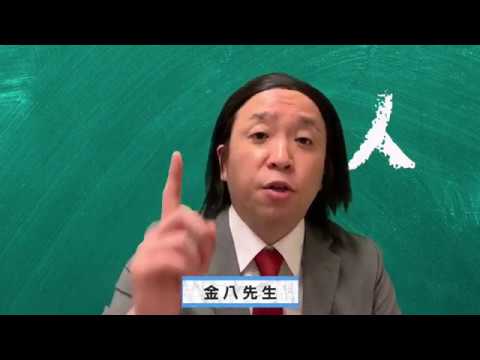
Ask almost anyone on the streets of Tokyo to imitate Kinpachi-sensei, and their response is instantaneous. They will part their hair vigorously with both hands, jut out their lower jaw, and roar a single line: "Kono baka-chin ga!" (You complete idiot!).
Original script verification tells an entirely different story. Across the foundational 1979, 1980 broadcast run of Season 1, Takeda used the phrase sparingly. Borrowed from his native Hakata dialect in northern Kyushu, the term baka-chin was never meant to be a theatrical thunderclap. In the original scripts, Kinpachi uttered it in hushed, intimate tones, often while looking down at a sobbing student in an empty homeroom after sunset. It conveyed sorrow rather than fury.
The phrase took on an aggressive life of its own through the explosion of monomane comedy circuits during the 1980s and 1990s. Variety programs on rival networks turned the quiet colloquialism into a carnival barker's scream. Comedians discovered that exaggerating Takeda's vocal rasp and physical mannerisms generated immediate studio laughter. The parody became so omnipresent that it replaced the public's actual memory of the original scene. Viewers began remembering the imitation rather than the broadcast.
Archive Verification: What Kinpachi Actually Said on Air
To understand how television satire severed these monologues from their original context, one must examine the specific linguistic contrasts between original studio scripts and their modern parody versions.
| Scene & Central Theme | Original Broadcast Script (TBS Archive) | Popular Monomane Caricature |
|---|---|---|
| The Kanji Lecture (Season 1) | "Look at this kanji for 'person' (人). One line leans against the other, propping each other up. That is what society must be." | Roared while violently jabbing the chalkboard, turning an etymological metaphor into an unhinged, physical demand for obedience. |
| The Hakata Scolding (Various) | "Don't throw your life away. You're being a real fool right now... *kono baka-chin ga*." (Spoken softly, near tears). | Screamed at the top of the lungs while frantically parting long hair with both hands and lunging toward the camera. |
| The Rotten Apple Speech (Season 2) | "We are dealing with living human beings, not fruit packed into wooden crates! We do not discard a child just because he is bruised!" | Reduced to absurd grocery-store non-sequiturs, mocking Takeda's vocal gravel while pretending to eat imaginary rotten fruit. |
| Graduation Roll Call (Class 3-B) | A somber, rhythmic calling of individual student names, lasting over twenty uninterrupted broadcast minutes. | A rapid-fire vocal gimmick where the impressionist breaks character to shout celebrity names or nonsensical catchphrases. |
The kanji lesson offers the clearest example of this cultural distortion. Even scholars have pointed out that the character for "person" (人) historically derives from an individual human profile rather than two entities propping one another up. Mieko Osanai's poetic license succeeded because the drama delivered it with absolute moral earnestness. Parody artists stripped away that poetic sincerity, weaponizing the blackboard sketch as an over-the-top comedy bit.
The Hakata Slang That Swallowed Tetsuya Takeda's Pedagogy
Tetsuya Takeda did not approach the role of Kinpachi as a blank-slate classical actor. Before taking the part, he rose to fame as the lead singer of folk-rock group Kaientai, singing autobiographical ballads about poverty, rural identity, and maternal devotion. When TBS cast him in 1979, he brought his working-class Hakata sensibilities straight into the middle-class classrooms of Tokyo's Adachi Ward.
Regional dialect served an ideological purpose in the script. Standard Japanese (hyojungo) represented the cold, impersonal language of board exams, administrative memos, and bureaucratic dismissals. Kinpachi’s southern inflections, punctuated by particles like tai, bai, and chin, represented raw humanity. It signaled to alienated students that their homeroom teacher lived outside the polished elite structure that governed their futures.
Yet variety television flattened that deliberate sociolinguistic contrast. Within five years of the pilot's broadcast, variety segments reduced Kinpachi’s entire pedagogical philosophy to a vocal tic. Comedians isolated the accent, dialed the pitch up an octave, and created a caricature so sticky that Takeda himself began leaning into the self-parody during his real-life variety appearances in the 1990s. The echo had begun shaping the original voice.
From Sacred Sermon to Variety Show Gimmick
During the golden age of Showa and early Heisei broadcasting, Japanese television operated as a self-referential ecosystem. Serious prime-time serials aired between 8:00 PM and 10:00 PM, while late-night comedy programs dismantled those very shows an hour later.
Impression specialists turned Kinpachi Sakamoto into a reliable ratings engine. Performers like George Tokoro and later generations of impressionists dissected Takeda’s physical habits with microscopic precision:
- The nervous habit of sweeping both hands through middle-parted bangs.
- The dramatic pause followed by a sudden sharp inhale through the teeth.
- The exaggerated sway of the upper torso while pacing before the chalkboard.
- The sudden explosive transition from whisper to room-shaking roar.
By the time the series reached its seventh season in 2004, an entire generation of elementary and middle schoolers knew the parody lines before they had watched an actual episode. Japanese variety television had achieved an odd feat of pop-culture alchemy: it turned a tragic drama about juvenile delinquency and teenage pregnancy into a safe, family-friendly collection of comedy club catchphrases.
Streaming Culture Shock: Gen Z Confronts Showa Discipline
The ongoing migration of classic Japanese television libraries to digital platforms like U-NEXT and TVer has upended this lighthearted legacy. For the first time in fifteen years, viewers under thirty are streaming uncut episodes of 3-nen B-gumi Kinpachi-sensei from the start, and the experience is jarring.
Far from the toothless, hair-flipping comedian of late-night sketches, the Kinpachi of Season 1 and Season 2 is a complicated, volatile figure. He loses his temper. He slaps students across the face to snap them out of panic. He smokes cigarettes directly in the faculty room while arguing with the vice principal.
Drama critics have noted that younger viewers today experience profound cognitive dissonance when witnessing these scenes. In 2026, modern school standards enforce strict guidelines against physical discipline and public scolding. Seeing a beloved national icon strike a middle school student in a 1980 broadcast is deeply unsettling to viewers raised solely on harmless variety-show caricatures. The cheerful parody has vanished, leaving behind the severe, confrontational reality of late-twentieth-century Japanese education.
Frequently Asked Questions (FAQ)
Q1: Did Kinpachi-sensei actually say "Kono baka-chin ga" in every episode?
No. In the original broadcasts, Tetsuya Takeda used the phrase sparingly and usually in quiet, deeply emotional moments. The idea that he bellowed the phrase constantly was invented by comedy impressionists on Japanese variety television during the 1980s and 1990s.
Q2: Is the famous kanji explanation about "person" (人) linguistically accurate?
Etymologically, no. Linguists and character historians point out that the kanji for "person" originated as a pictograph of a single human being standing in profile with bent knees and arms, not two separate individuals leaning against one another. The explanation was an artistic metaphor written into the drama's script.
Q3: Why are modern Japanese viewers shocked when rewatching classic Kinpachi episodes?
Contemporary viewers, especially Gen Z, are accustomed to the harmless caricature seen in variety shows. Watching original episodes reveals widespread physical discipline, open smoking inside the school, and intense confrontations that clash sharply with current Japanese educational norms and corporate compliance standards.
Reclaiming the Real Kinpachi Sakamoto
Television comedy has an unmatched ability to smooth over historical friction. By transforming Kinpachi Sakamoto into a predictable jester, variety television allowed Japanese culture to celebrate an icon without having to confront the painful realities his series documented.
Tetsuya Takeda's performance was never designed to be comfortable or endlessly quotable. It was messy, physically aggressive, and weighed down by the genuine social anxieties of its time. As digital archives peel back decades of comedy parodies, the caricatures are beginning to fade. In their place stands an intense, imperfect artifact of Showa-era television, one that challenges modern viewers far more than any comedy routine ever could.