Panoramic Mikawa Bay: Verified Ocean-View Spots and Coastal Terraces Worth the Drive
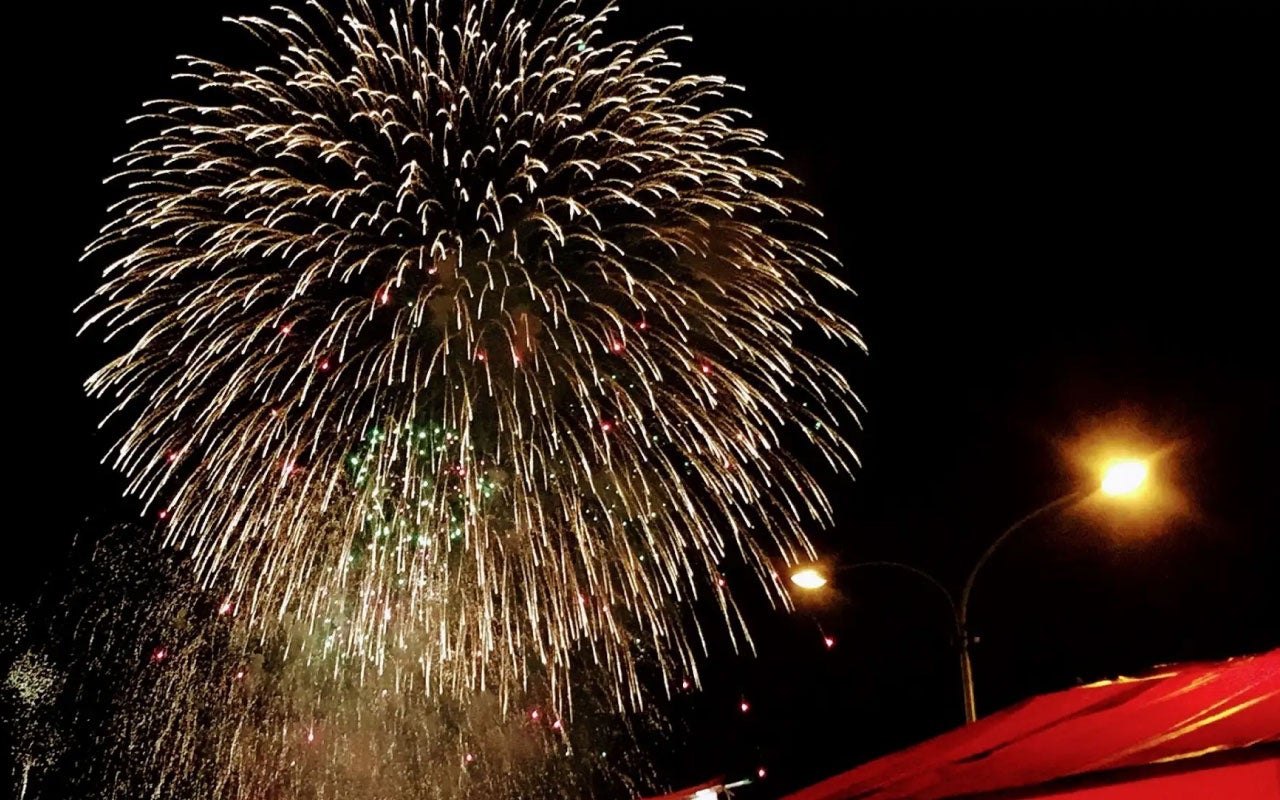
The southern coastline of Aichi Prefecture is undergoing a quiet culinary revival, drawing drivers south from Nagoya along the winding shorelines of the Chita and Atsumi peninsulas. Long regarded primarily for maritime shipping, commercial fishing, and legacy hot-spring ryokan, the region fronting Mikawa Bay and Ise Bay has seen historic seaside plots remade into design-forward, open-air eateries. A recent press release documented by PR TIMES highlights how operators like Wood Design Park Co., Ltd. are transforming waterfront dining through nighttime seaside barbecue venues such as "Sea Side Magic" at Laguna Gamagori, catering to travelers seeking unobstructed maritime skylines and outdoor coastal patio seating.
Parallel initiatives are accelerating down the coast in Nishio's Kira-cho district. In August 2026, Asahi Shimbun reported the adaptive reuse of long-abandoned coastal inns into integrated hospitality projects, exemplified by the launch of Fleurs Resort & Hotel. Featuring dedicated flower gardens, an oceanfront terrace, and curated lounge dining overlooking Mikawa Bay, these investments underscore a definitive pivot: regional seaside tourism across Aichi has matured from dated day-trip stalls into architectural, waterfront destinations built around panoramic water views.
📌 Quick Summary:
- The Core Shift: Aging coastal ryokan and underutilized port plots are being converted into modern terraces, high-end matcha bistros, and open-air seaside lounges.
- The Prime Corridors: Nishio’s Kira Waikiki Beach, the Laguna complex in Gamagori, and the dramatic bluff perches of Minamichita anchor the region's culinary revival.
- Logistical Realities: Strong offshore winds require windbreaker layers during shoulder seasons, while midday summer weekends trigger heavy congestion along Route 247.
The Coastal Drive: Why Nagoya Commuters Head South to Mikawa Bay
Mikawa Bay sits naturally shielded from the fierce open swells of the Pacific Ocean. Flanked by the Chita Peninsula to the west and the Atsumi Peninsula to the east, the bay maintains calm, glassy waters throughout most of the year. For motorists based in Nagoya, reaching the coastal rim along Route 247 takes roughly 60 to 80 minutes via the Chita Hanto Expressway or the Meitetsu-Gamagori rail corridor.
The geographic orientation creates distinct micro-climates and lighting angles. The Chita side yields sharp, golden-hour light over Ise Bay, while the coastal strips of Gamagori and Nishio face south toward quiet inlets dotted with aquaculture rafts. In Nishio, seaside establishments run shoulder-to-shoulder with organic tea plantations, yielding regional menus where ceremonial-grade matcha tiramisu pairs alongside iced dark-roast coffee and freshly caught shirasu (whitebait) bowls.
Urban flight patterns, remote work shifts, and private capital have poured fresh energy into these fishing towns. Restoring defunct properties rather than building on empty greenfields allows new operators to secure waterfront parcels that current shoreline zoning codes would otherwise prohibit. Visitors encounter modern concrete architecture, Scandinavian blonde wood, and broad glass walls sitting directly above historic tidal breakwaters.
From Gamagori to Minamichita: Comparing Aichi's Prime Waterfront Terraces
Finding the right ocean-view cafe depends on your priorities: open-air sunset views, specialty regional ingredients, or direct beach access. The coast divides into three primary hubs, each defined by distinct topography and culinary styles.
| Location / Venue Focus | Regional Specialty & Signature Item | Seating Style & Peak Vista |
|---|---|---|
| Laguna Gamagori (Sea Side Magic) | Nighttime surf-and-turf BBQ, local draft beer | Expansive covered deck; panoramic evening harbor lights |
| Fleurs Resort Nishio Coastal Lounge | Nishio stone-ground matcha, botanical seasonal parfaits | Tiered garden terrace; midday bay reflection |
| Kira Waikiki Beach Strip (Nishio) | Hawaiian-Japanese fusion, shaved ice, cold brews | Open sand-adjacent patio; midday sun, palm-lined strand |
| Minamichita Cliff Terraces (Chita) | Wood-fired pizza, hand-drip coffee, citrus sodas | High bluff balcony; late afternoon golden hour over Ise Bay |
Gamagori functions as an activity-driven waterfront. Establishments near Laguna Gamagori emphasize casual communal dining, catering to day-trippers visiting marine parks and hot springs. The culinary style favors generous platters, local seafood grills, and shaded outdoor seating designed to shelter diners from peak afternoon sun.
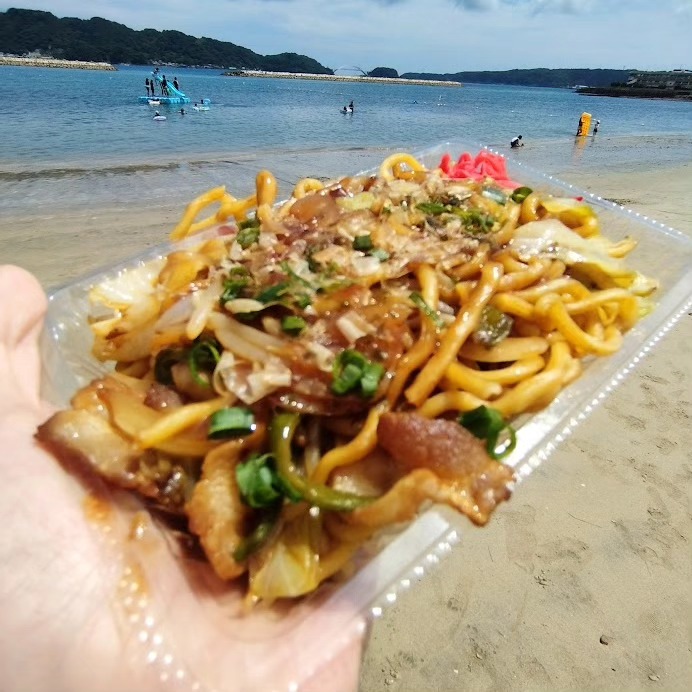
Move southwest toward Nishio, and the character changes completely. The Kira Waikiki Beach coastline mimics retro Hawaiian beach culture, complete with palm trees and wide wooden sundecks. Here, traditional regional farming shapes the food. Cafes showcase cold-whisked Nishio matcha alongside modern cafe staples, drawing long queues on clear weekends.
Architectural Revival: How Abandoned Coastal Properties Found Second Lives
During the economic boom of the late twentieth century, Mikawa Bay was packed with massive hot spring inns that catered to corporate bus tours. As travel habits shifted toward private cars and boutique getaways, dozens of these multi-story seaside concrete buildings were abandoned, falling into disrepair under the corrosive saltwater air.
The turning point arrived when independent hospitality firms recognized the underlying value: irreplaceable land rights right on the water. The renovation behind the Fleurs Resort & Hotel project in Kira-cho provides an operating blueprint. Instead of tearing down the concrete frame, a process carrying prohibitive environmental and demolition costs, developers stripped the core building down to its structural posts, adding expansive floor-to-ceiling glass, natural wood accents, and botanical gardens that step down to the coastline.
This structural recycling solves two lingering issues for coastal dining: protection from the weather and visual connection to the sea. Older venues often walled off exterior views behind storm shutters and dark banquet rooms. Modern renovations favor deep overhangs, multi-level timber decks, and reinforced glass barriers that shield diners from wind while preserving wide views of Mikawa Bay.
Field Realities: Navigating Crowds, Coastal Winds, and Transport Bottlenecks
Visiting these waterfront terraces requires sensible planning. Because most venues sit along narrow two-lane coastal roads, traffic dynamics change quickly between weekdays and weekend afternoons.
Route 247 winds directly along the coast, offering unbroken views across the water. However, it easily clogs around lunch hours during peak summer, particularly near Kira Waikiki Beach and the Gamagori marina exits. Finding parking at popular seaside terraces can mean waiting up to 45 minutes if you arrive between 11:30 AM and 1:30 PM. Savvy day-trippers target an arrival window around 10:00 AM for early morning brews, or wait until after 2:30 PM to catch sunset views with less traffic.
The local micro-climate also catches visitors off guard. Mikawa Bay remains sheltered from large ocean swells, but midday thermal winds coming off the water can be intense. A light linen shirt adequate for Nagoya city streets will feel chilly on an exposed coastal deck in Minamichita once sea breezes kick up. Outdoor seaside patio tables often require lightweight windbreakers or jackets between October and late May.
Who Benefits Most and Who Should Skip the Coastal Drive
Coastal cafes in Aichi are not one-size-fits-all. Different travelers will have markedly different experiences depending on their transportation choices and schedules.
Ideal Profiles:
- Independent motorists: Drivers who can navigate coastal expressways and bypass coastal bottlenecks on secondary backroads will get the most out of the area.
- Scenic photographers and slow-travelers: Golden hour across the Chita cliffs and the botanical decks at Fleurs Resort offer exceptional natural light and unhurried coastal rhythms.
- Regional food enthusiasts: Travelers eager to taste true Nishio green tea, Chita beef sliders, and freshly shucked bay oysters right next to the waters where they were harvested.
Who Should Reconsider:
- Travelers relying solely on public transit: Meitetsu coastal branch lines run infrequently. Reaching waterfront spots like Kira Waikiki Beach from rural stations often requires lengthy walks along roads lacking continuous sidewalks.
- Diners on strict, fast-paced itineraries: Many independently run seaside bistros do not take peak-hour reservations and prepare dishes to order, leading to long waits during sunny holiday weekends.
- Those seeking silent, isolated beaches: On midsummer weekends, popular stretches of sand attract jet skis and family crowds, creating lively energy rather than tranquil seclusion.
Frequently Asked Questions (FAQ)
Q1: What is the optimal time of day to secure outdoor seaside patio seating along Mikawa Bay?
A1: Arrive before 11:00 AM for morning coffee service, or book early evening slots around 4:30 PM for sunset dining. The midday window from 11:45 AM to 2:00 PM brings peak wait times and full parking lots across Nishio and Gamagori.
Q2: Can I reach these waterfront cafes comfortably without renting a car?
A2: While Meitetsu stations like Kira Yoshida or Gamagori Station put you within striking distance, most premier bluff terraces and secluded beach cafes sit two to four miles beyond rail hubs. Taxis are limited; renting a car from Nagoya or Toyohashi provides far more reliable access.
Q3: Are coastal dining spots along the Chita and Atsumi peninsulas open year-round?
A3: Yes, though seasonal operating hours fluctuate. Most venues run standard schedules through spring, summer, and autumn, then reduce their weekday schedules between December and February. During winter, dining shifts to heated indoor tables behind insulated floor-to-ceiling glass.
The Evolution of Aichi’s Waterfront Scene
The revitalization of Aichi’s southern shoreline shows no sign of slowing down. As additional hospitality groups repurpose shuttered ryokan along Kira-cho and southern Gamagori, the coastline is shedding its industrial reputation and emerging as a compelling dining alternative to the packed seaside routes of Shizuoka and Kanagawa. By combining regional ingredients like stone-ground Nishio matcha with thoughtful terrace architecture, Mikawa Bay and Ise Bay offer one of the most rewarding coastal driving escapes in central Japan.