Real Acai vs. Added Sugars: Analyzing Tokyo Station Superfood Nutrition
Every morning across the underground concourses connecting Tokyo Station to the Marunouchi business district, thousands of corporate workers pass kiosks displaying deep purple fruit purées topped with granola, sliced bananas, and honey. Marketed as the ultimate commuter superfood, the acai bowl has cemented its place as a quick, guilt-free breakfast for the capital's busy workforce. But as independent health laboratories and retail data reveal, many commuter takeaway fruit bowls sold inside Japan's busiest transit corridors carry more total sugars than a convenience store pastry.
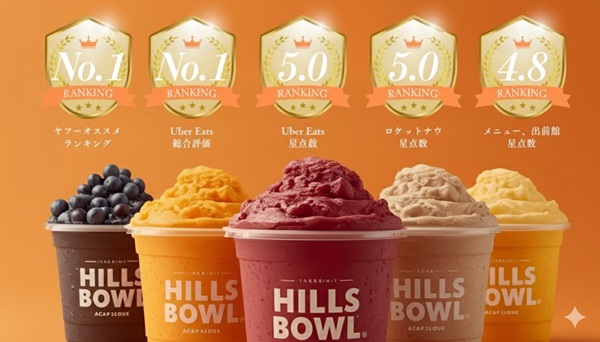
The nutritional reality of these bowls depends entirely on the ratio of pure acai pulp to commercial fillers. While wild Amazonian acai is virtually devoid of natural sugar and loaded with healthy lipids, retail operators often blend pre-sweetened frozen purées with apple juice concentrate and banana bases to mask the fruit's earthy bitterness. As consumer awareness sharpens in 2026, specialty brands are pushing back; recent industry moves highlighted in a getnews.jp Report document how emerging players like Osaka-founded Hills Bowl relocated their flagship Tokyo operations steps from major transit lines to capture demand for low-calorie, low-sugar superfoods designed without commercial syrups.
📌 Key Takeaways:
- The Sugar Trap: Typical transit-hub acai bowls contain between 32g and 54g of sugar, driven primarily by pre-sweetened base mixes, oat granola, and heavy honey drizzles.
- Pure Pulp Scarcity: True unsweetened acai contains less than 1g of sugar per 100g, but commercial blends frequently dilute pulp content below 30% to cut ingredient costs and appeal to sweet palates.
- Commuter Innovation: Urban transit retail is bifurcating between dessert-style fruit bowls and high-grade functional nutrition, including automated frozen acai vending machines deployed at Tokyo train hubs by industry pioneer Fruta Fruta.
The Marunouchi Morning Rush and the Acai Revival
The current appetite for acai bowls in Tokyo Station is fundamentally different from Japan’s initial Hawaiian cafe boom in 2013. A decade ago, acai was treated as a weekend indulgence or a vacation novelty served in sit-down cafes in Harajuku and Omotesando. Today, the demographic driving sales through the Gransta concourses and the Marunouchi Underground Central Gate consists of corporate professionals seeking clean energy on the go.
Marunouchi health cafes now tailor their menus to fast desk breakfasts. Speed dictates the operational model. Blending whole frozen unsweetened berries with plant milks to order takes precious minutes, leading many high-volume transit stalls to rely on soft-serve style dispensers or pre-blended smoothie bases. These bulk mixtures frequently incorporate guarana syrup, the traditional Brazilian sweetener, or concentrated grape juice to achieve a silky consistency that dispenses rapidly during peak hours between 7:30 AM and 9:00 AM.
The result is a distinct divergence between marketing and metabolic impact. While promotional signage highlights antioxidant potency and cardiovascular protection, the glycemic load of a commercial grab-and-go bowl can trigger a sharp glucose spike followed by mid-morning fatigue. For the commuter rushing to a 9:30 AM board meeting, that promised energy surge often dissolves before lunch.
Inside the Bowl: Pure Amazonian Pulp Versus Commercial Syrups
Botanically, the acai berry (*Euterpe oleracea*) is an anomaly among fruits. It consists of roughly 80% to 90% seed, wrapped in a thin skin containing zero native sugar, significant levels of monounsaturated oleic acid, and a dense concentration of polyphenols. Authentic, raw acai pulp delivers an earthy, slightly cocoa-like flavor with an astringent finish.
To convert this astringent berry into a mass-market retail winner, commercial food processors alter the formula. A standard 400-gram takeaway bowl sold in urban transit hubs generally breaks down into three distinct nutritional zones:
First, the base layer: High-end wellness bars use Grade-A "Especial" pulp containing over 14% dry acai solids, blended exclusively with unsweetened almond milk or coconut water. Commercial kiosks, however, commonly deploy Grade-C pulp diluted with water and sweetened with inverted sugar syrup, bringing the actual acai content down to roughly 25% to 35% of the liquid blend.
Second, the carbohydrate load: Granola toppings supply texture, but most commercial baked granolas rely on palm oil, brown rice syrup, and dried fruits that add 12g to 18g of sugar per quarter-cup scoop. Add a sliced cavendish banana (roughly 14g of intrinsic sugar) and a standard tablespoon of clover honey (17g of pure fructose and glucose), and the total sugar payload quickly surpasses the World Health Organization’s recommended daily limit of 25g of free sugars.
Nutritional Audit: Comparing Tokyo Transit Acai Options
To understand what commuters are actually ingesting, we examined nutritional data and retail formulations across different superfood formats available along Tokyo’s rail corridors in 2026.
| Format & Retail Category | Pure Acai Solids (%) | Total Sugars (g / Serving) | Typical Price Range (JPY) |
|---|---|---|---|
| Station Concourse Takeaway Kiosk(Pre-mixed base, commercial granola, honey) | 25%, 35% | 38g, 52g | ¥1,100, ¥1,450 |
| Marunouchi Specialty Functional Cafe(Unsweetened "Especial" pulp, nut milk, cacao nibs) | 70%, 85% | 8g, 14g | ¥1,600, ¥2,100 |
| Automated Frozen Station Vending Machine(Single-serve pouches, minimal juice base) | 50%, 60% | 16g, 22g | ¥650, ¥850 |
| Gourmet Dessert Acai Bowl(Cracking chocolate shell, sweet cream toppings) | 20%, 30% | 48g, 65g | ¥1,700, ¥2,300 |
The data paints a stark picture. Commuters opting for commercial retail bowls under the assumption of weight management often consume the caloric equivalent of a standard ramen bowl, dominated by rapidly metabolizing simple sugars.
The Rise of Automated and Takeaway Superfoods in Tokyo's Stations
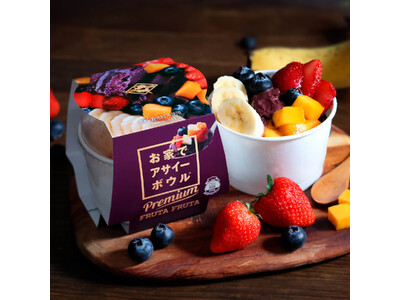
Retail real estate inside Tokyo Station commands some of the steepest commercial rents in Asia. The necessity for small retail footprints and zero-labor fulfillment has accelerated automated wellness concepts. A notable example is Fruta Fruta, the Chiyoda-ku-based superfood pioneer headed by CEO Makoto Nagasawa. The company has pushed deep into automated transport retail, deploying dedicated frozen acai vending machines across major commuter lines, such as the Tokyu Den-en-toshi Line at Aobadai Station, with expansion targeting inner-city transit terminals.
These vending units deliver flash-frozen, pre-portioned acai bowls that commuters can carry onto bullet trains or thaw at their desks. By bypassing human preparation, automated kiosks reduce overhead and allow for strict ingredient transparency. Labels reveal exact pulp percentages, eliminating the invisible ladles of agave syrup often added by cafe baristas.
Meanwhile, established wellness purveyors are marking milestones in the heart of the capital. Concepts like THE_B celebrated years of central Tokyo operation by introducing rotating functional bowls formulated with zero refined sugars, marine collagen, and raw adaptogens. Further west along the Yamanote loop, the relocation of Osaka's popular Hills Bowl to a dedicated space just three minutes from Ebisu Station's West Exit demonstrates the consumer migration toward transit-adjacent, highly specialized operators that prioritize high-density pulp over sugary fillers.
Evaluating the Antioxidant Payoff for Daily Commuters
Does the presence of refined sweeteners nullify acai's health benefits? Nutritional science points to a nuanced answer. The core value of acai lies in its oxygen radical absorbance capacity (ORAC) and high concentration of anthocyanins, specifically cyanidin-3-glucoside and cyanidin-3-rutinoside. These compounds combat oxidative stress and arterial stiffness, key concerns for desk workers facing chronic fatigue.
However, excessive simultaneous glucose ingestion compromises this payoff. High systemic blood sugar triggers inflammatory cascades that can counteract the vascular endothelial benefits offered by polyphenols. If an acai bowl contains 45g of fast-acting sugar, the resulting insulin surge works directly against the metabolic neutrality commuters expect from a wellness meal.
Furthermore, flash pasteurization methods matter. High-temperature short-time (HTST) pasteurization preserves the anthocyanin ring structure far more effectively than secondary reheating cycles. Commuters seeking genuine cellular benefits must seek purées processed immediately at the harvesting source in Pará, Brazil, and frozen instantly without thermal compromise.
How to Order a Genuinely Low-Sugar Bowl at Tokyo Hubs
Navigating the takeaway counters of Tokyo Station requires a tactical approach. You can easily spot whether a shop caters to health-conscious commuters or dessert tourists by looking at its ingredient containers and menu terminology.
First, always request muto (無糖), meaning unsweetened. If the counter staff indicates that the base mix is pre-sweetened and cannot be adjusted, walk away; this confirms the purée contains commercial sugar syrups. A genuine functional cafe keeps frozen pure pulp separate and blends it on demand with unsweetened soy milk, almond milk, or pure water.
Second, audit the toppings. Replace honey and condensed milk with unsweetened peanut butter, chia seeds, or raw cacao nibs. These fats slow gastric emptying and stabilize blood glucose. If granola is included, ask for it on the side or swap half of it for unsalted pumpkin seeds or walnuts, converting an otherwise high-glycemic bowl into a sustained-release fuel source.
Frequently Asked Questions (FAQ)
Q1: Are acai bowls sold inside Tokyo Station suitable for ketogenic or low-carb diets?
A1: Standard retail bowls are not suitable for low-carb diets due to sweet base juices, bananas, and honey. However, specialty cafes in Marunouchi will prepare a low-carb alternative upon request by blending 100% unsweetened pulp with unsweetened almond milk, topped solely with cacao nibs, chia seeds, and coconut flakes, keeping net carbs below 8g.
Q2: How does pure acai pulp naturally taste without added sugar?
A2: Genuine unsweetened acai is rich, dense, and distinctly savory, resembling a mixture of unsweetened dark cocoa, blackberry skin, and walnuts. It lacks the candy-like sweetness found in mass-market smoothie joints.
Q3: Is a station vending machine acai bowl as nutritious as a freshly blended cafe bowl?
A3: Yes, and frequently superior in nutritional accuracy. Flash-frozen factory packs prevent the polyphenol degradation that occurs when smoothie purées sit in commercial cafe dispensers exposed to light and ambient air throughout the workday.
Navigating Tokyo's Functional Food Landscape in 2026
The ubiquity of acai across Tokyo Station mirrors a broader shift in urban Japanese eating habits. As long commutes collide with demanding corporate schedules, workers increasingly rely on fast-casual health products to fill nutritional deficits. Yet convenience retail thrives on sugar because sweetness triggers repeat purchases and masks lower ingredient grades.
Commuters holding purple bowls beneath the vaulted ceilings of Tokyo Station hold power over this market dynamic. By demanding unsweetened formulations, scrutinizing base pulp concentrations, and rejecting unnecessary sugar glazes, city professionals are transforming acai from an everyday dessert back into the formidable Amazonian superfood it was always meant to be.