Real Sapporo Heritage or Local Gimmick? The Truth Behind Kannai's Orochon Miso
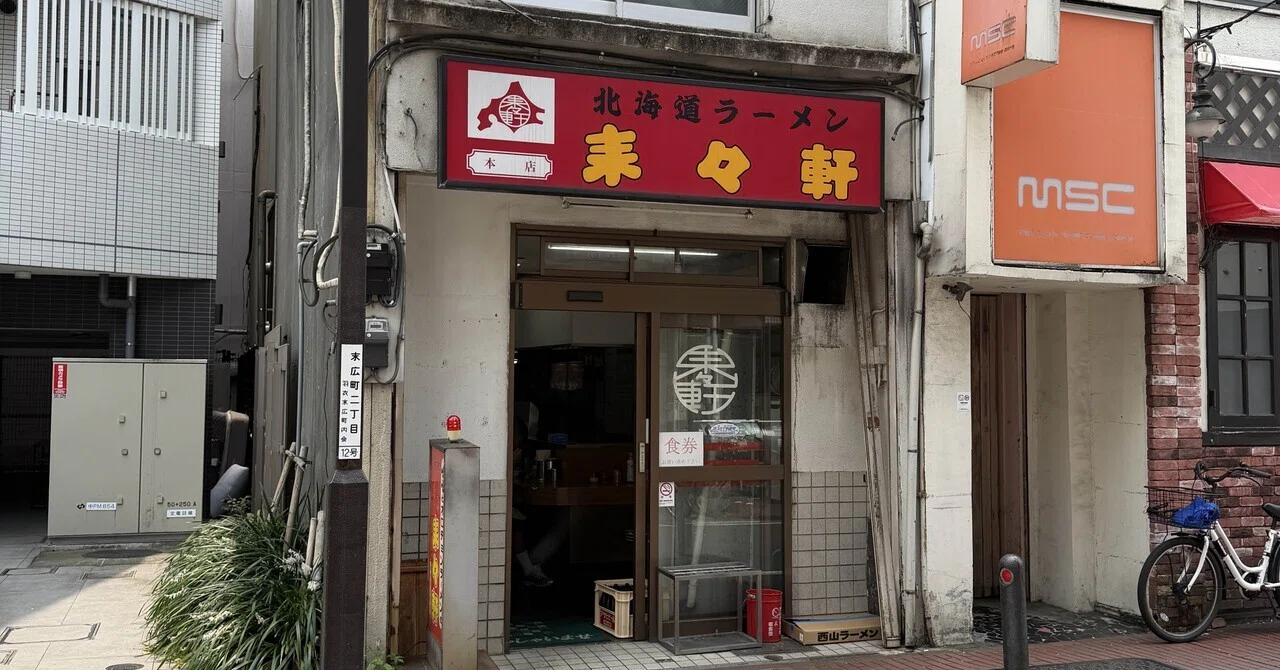
Step five minutes off the platform at Kannai Station into the humid air of Yokohama, and the heavy aroma of soy-sauce-steeped pork fat usually hits first. This port city built an international reputation on dense, chicken-oil-slicked Iekei ramen. Yet half a block down a quiet side street, customers crowd into a narrow dining room to sweat over steaming cauldrons of chili-spiked northern broth. As detailed in a firsthand account by the note Report, diners regularly queue under brutal summer temperatures at Hokkaido Ramen Rairaiken just to order Miso Orochon ramen dialed up to four times standard heat.
The dish raises an immediate question for purists tracking Japan's regional foodways: is this bowl a legitimate expression of Hokkaido ramen heritage, or simply a theatrical spice bomb engineered for late-night bar traffic? The answer lies in the intersection of specialized grain chemistry, precision wok mechanics, and a decades-old Northern export strategy.
📌 Key Takeaways:
- The Lineage: Rairaiken Kannai relies on authentic, temperature-controlled shipments of Nishiyama Seimen noodles to anchor its Sapporo credentials.
- The Method: High-heat wok frying binds the chili oil miso blend directly into a rich pork broth, avoiding the thin, acrid heat typical of generic spicy soups.
- The City Context: The shop serves as an essential counterweight in the Kannai Station food scene, offering Northern complexity in a market dominated by Yokohama Iekei.
The Wok Smoke Behind Kannai’s Fiery Counter
Rairaiken Kannai does not look like an embassy of Northern culinary tradition. Squeezed between business hotels and izakayas, the exterior displays the faded signs of an unpretentious neighborhood staple. The sounds inside, however, belong directly to Sapporo's Susukino district. The rhythm begins with the scrape of heavy metal ladles against cast-iron woks, followed immediately by the hiss of ground pork and lard hitting blazing surfaces.
Most quick-service ramen shops in Greater Tokyo assemble soup by ladling hot stock over tare paste resting in a ceramic bowl. Authentic spicy Sapporo miso demands a fundamentally different physical process. Cooked under intense heat, minced pork, garlic, and bean sprouts release moisture that flashes into steam. The cook splashes a custom miso tare and a deep red chili paste into the wok, letting the sugars caramelize against the iron for mere seconds before dousing the mixture with boiling pork broth. This rapid emulsion locks the chili oil miso blend directly into the animal fats, creating a glossy, heat-retaining barrier across the surface.
The Physics of Nishiyama Seimen Noodles
Any claim to Northern authenticity collapses without the right wheat structure. Rairaiken imports its stock directly from Nishiyama Seimen, the Sapporo manufacturer that defined modern Hokkaido ramen in the 1950s. These are not standard yellow egg noodles. They feature high moisture levels, heavy multi-stage kneading, and a distinct wave pattern engineered to trap viscous soup.
Under a microscope, the curly surface of a Nishiyama noodle acts as a mechanical scoop. Because Sapporo miso soup carries a floating layer of rendered lard to insulate against northern winters, a standard straight wheat noodle would let the broth slide right off. The rugged, ridged exterior of Nishiyama Seimen noodles forces the emulsified chili oil and melted miso paste to cling tightly to every strand. The noodle also undergoes prolonged aging, granting it a firm, rubbery snap that resists turning soggy even when submerged in a scalding broth for fifteen minutes.
Deconstructing Regional Profiles: Kannai vs Traditional Bowls
Understanding where Kannai's bowl fits requires measuring it against both traditional Northern standards and modern extreme-heat shops. The table below outlines how Rairaiken bridges the gap between classic Hokkaido standards and the demands of Yokohama's midnight dining crowd.
| Feature | Classic Sapporo Miso (Hokkaido) | Miso Orochon at Rairaiken Kannai | Modern Gimmick "Fire" Bowls |
|---|---|---|---|
| Noodle Provenance | Nishiyama or Kobayashi Seimen (Aged, Wavy) | Genuine Nishiyama Seimen (Imported) | Generic bulk-manufactured straight noodles |
| Base Stock Build | Pork bones, kombu, dried fish, ginger | Rich pork broth with aromatics and wok fat | Watered-down stock masked by pure capsicum |
| Heat Integration | Mild white pepper, tiny pinch of chili | Wok-seared chili paste (Customizable levels) | Top-dressed chili powder or extract drops |
| Vegetable Preparation | Wok-seared bean sprouts and onions | Stir-fried bean sprouts, crisp and smoky | Pre-boiled, wet vegetables resting cold |
| Price Bracket (2024, 2026) | ¥900, ¥1,100 | ¥950, ¥1,200 | ¥1,100, ¥1,500 |
Stir-Fried Bean Sprouts and the Balance of Heat
The term "Orochon" traces back to an indigenous northern naming tradition that mid-century Hokkaido ramen shops adopted as shorthand for bold, warming spice. In substandard interpretations across the Kanto region, shops often take standard miso soup and dump raw tobanjan or commercial chili extract on top. That approach creates harsh, bitter notes that scorch the palate and overpower the fermentation of the soybeans.
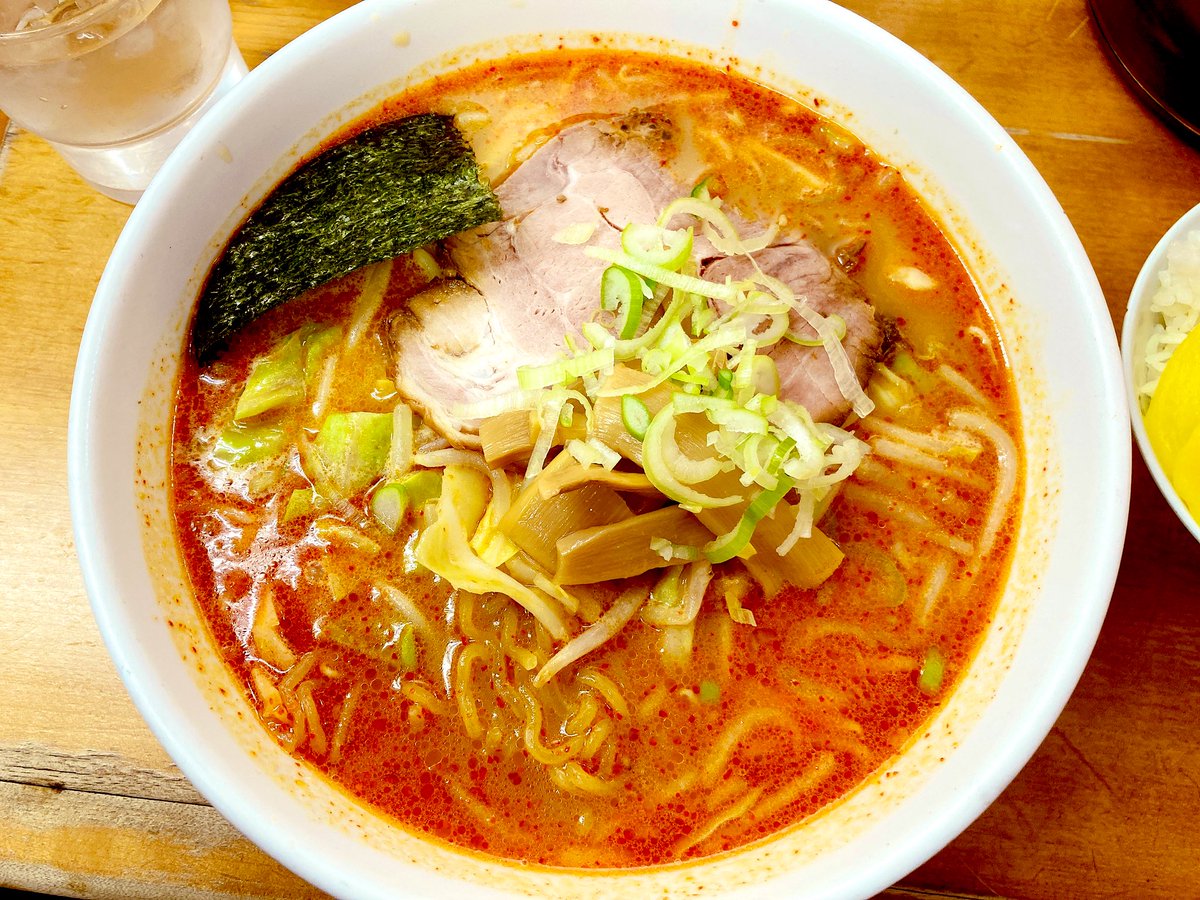
Rairaiken manages its heat through structure. Diners select customizable spice levels ranging from mild warm-ups to multi-multiplier challenges. At level two or four, the spice does not detach from the broth. Instead, the high heat of the wok cooks out the raw vegetal bitterness of the peppers, integrating the capsaicin into the sweet notes of the stewed onions and stir-fried bean sprouts. The sprouts retain a crisp, snappy core that breaks up the oily richness of the soup. Each mouthful delivers crunch, garlic, fermented soybean funk, and a creeping burn that stimulates the appetite rather than numbing it.
Carving Out Space in an Iekei-Dominated Port City
Yokohama remains fiercely protective of its native ramen style. Any entry in a serious Yokohama noodle guide usually focuses on Yoshimuraya and its dozens of direct disciples, where thick noodles swim in shoyu-stained tonkotsu broth crowned with spinach and nori. Surviving outside that dominant culinary gravity requires an uncompromising specialty.
Rairaiken carved out its loyal following by doubling down on authenticity rather than assimilating. When workers leave the local ward offices or port facilities late in the evening, they find an experience distinct from the salt-heavy profile of coastal Kanagawa cuisine. The inclusion of genuine Hokkaido components provides comfort to northern transplants, while the fiery customize-your-own heat scale taps into Japan's modern spicy ramen culture. It represents true regional cooking that has adapted its spice volume to thrive in a competitive metropolitan hub.
Frequently Asked Questions (FAQ)
Q1: What spice level should a first-time visitor choose at Rairaiken?
A1: Beginners should start between level two and level four. Level two provides a gentle warmth comparable to standard spicy ramen, while level four introduces a pronounced sweat-inducing burn without obliterating the savory miso and pork undertones.
Q2: Why does the broth stay piping hot until the final bite?
A2: Authentic Sapporo preparation uses lard to flash-fry vegetables and aromatics. When poured into the bowl, this clear fat floats to the top, creating a natural insulating seal that locks in steam and prevents the soup from cooling down.
Q3: Is Rairaiken Kannai accessible for solo travelers?
A3: Yes. Like most traditional Japanese noodle shops, the layout centers around a functional counter seating arrangement. Diners order via ticket machines or direct counter service, making quick, solo meals the norm.
The Enduring Pull of Kannai's Northern Outpost
Kannai's food scene changes constantly as corporate dining chains replace aging indie counters. Yet shops that maintain obsessive technical standards survive the shifts. By protecting its connection to Nishiyama Seimen, respecting the thermodynamics of wok-seared aromatics, and keeping its spice profile grounded in rich animal stock, Rairaiken proves that its Miso Orochon is far more than a novelty challenge. It remains an authentic piece of northern craft, anchored firmly in Yokohama soil.