Renting in Miyakonojo: The Essential Apaman Shop Miyakohoku Branch FAQ Guide
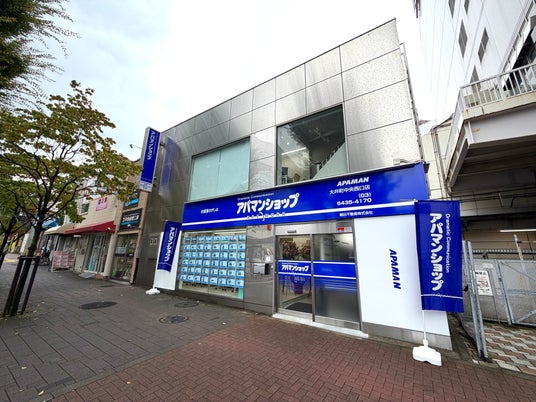
Securing an apartment in southwestern Miyazaki Prefecture requires navigating a distinct regional market where car dependency, corporate relocations, and traditional leasing customs intersect. As reported by regional business monitors including the ひなた宮崎経済新聞 Report on franchise developments under parent entity APAMAN Co., Ltd. (headed by President Kai Yamazaki), the agency network continues to modernize its national footprint while relying heavily on local storefront branches to manage regional inventory. For domestic workers, foreign residents, and relocating contractors landing in the Miyakonojo basin, the Apaman Shop Miyakohoku Branch serves as an indispensable gateway to neighborhood rentals.
Located along the bustling Route 10 commercial artery, this specific branch handles a dense concentration of suburban housing stock, quiet residential blocks, and modern low-rise developments. Renting here differs substantially from signing a lease in Tokyo or Osaka. The administrative process involves specific regional paperwork, parking space verifications, and strict guarantor company protocols that catch unprepared tenants off guard.
📌 Key Takeaways:
- Prime Geographic Access: The Miyakohoku branch covers key industrial, agricultural, and residential zones clustered around Route 10, northern Miyakonojo Station, and access routes toward Kirishima.
- Upfront Financial Realities: Move-in costs typically total three to five months of baseline rent once security deposits, key money, agent commissions, and mandatory insurance fees are factored together.
- Essential Vehicle Bureaucracy: Unlike Tokyo metropolitan rentals, virtually every lease negotiated at Miyakohoku requires a simultaneous car parking space contract paired with a police-certified parking certificate (Shako Shomei).
Navigating the Northern Corridor of Miyakonojo Housing
Miyakonojo is the second most populous city in Miyazaki Prefecture, sitting nestled in an expansive inland basin directly bordering Kagoshima. The northern Tohoku-cho commercial sector, where the Apaman Shop Miyakohoku Branch operates, represents the city's primary economic engine outside the historic civic core. Major automotive dealerships, regional distribution hubs, and agricultural processing facilities line the surrounding roadways. Housing stock here reflects that reality.
Demand in this zone concentrates heavily around functional 1LDK and 2LDK apartments built by major prefabricated homebuilders such as Daiwa House and Sekisui House. Prospective renters range from civil servants transferred to regional outposts to technical interns and young couples. Because northern Miyakonojo offers rapid highway access via the Miyakonojo Interchange, properties listed by the Miyakohoku branch frequently lease faster than older municipal properties in the southern districts. Understanding property turnover speed in Tohoku-cho saves applicants from losing prime listings during peak transfer seasons between January and April.
Deciphering Initial Move-In Costs and Traditional Surcharges
Leasing through a Japanese real estate agency entails upfront fees that extend beyond the initial calendar month of rent. Even in regional Kyushu, traditional customs remain standard practice across institutional and private landlords alike. Prospective tenants must budget for three core elements: the security deposit (shikikin), non-refundable key money (reikin), and agency brokerage commissions.
Security deposits in Miyakonojo generally equal one to two months of basic rent. Landlords hold this sum against potential wall damage, tatami repair, or unpaid utility arrears. Key money, an archaic gift payment made to the building owner, still lingers on many desirable properties near central transit links, commonly set at one month’s rent. The Apaman Shop Miyakohoku Branch charges a standard brokerage fee capped under Japanese law at one month's rent plus consumption tax. Additionally, tenants must account for building maintenance dues, basic key exchange fees, and emergency 24-hour support subscriptions.
Leasing Expenses: Typical Miyakonojo Apartment Breakdown
Upfront cash demands vary significantly depending on whether a building owner waives gift fees to fill empty rooms. Below is a structured cost comparison representing a standard modern 1LDK apartment in northern Miyakonojo averaging ¥50,000 per month in base rent.
| Expense Category | Standard Rate / Multiple | Estimated Cost (JPY) |
|---|---|---|
| First Month Rent + Common Area Fee | 1 Month (Prorated if mid-month) | ¥53,000 |
| Security Deposit (Shikikin) | 1 Month Base Rent | ¥50,000 |
| Key Money (Reikin) | 0 to 1 Month Base Rent | ¥0, ¥50,000 |
| Agency Brokerage Fee | 1 Month Base Rent + 10% Tax | ¥55,000 |
| Guarantor Company Initial Fee | 50% to 100% of Total Monthly Gross | ¥28,000, ¥56,000 |
| Mandatory Fire Insurance | 2-Year Policy Coverage | ¥15,000, ¥20,000 |
| Lock Replacement & Disinfection | Flat Contract Fee | ¥22,000, ¥33,000 |
| Dedicated Vehicle Parking Lot | Monthly Spot Rate (1st month) | ¥3,300, ¥5,500 |
| Total Move-In Cash Requirement | Aggregate Estimate | ¥226,300, ¥322,500 |

Guarantor Company Requirements and Foreign Resident Screening
Securing a lease through the Apaman Shop Miyakohoku Branch requires clearing a rigorous financial screening (shinsa). In earlier decades, Japanese landlords demanded a domestic joint guarantor (rentai hoshonin), typically a biological parent or sibling residing in Japan with steady taxable income. Today, the market has pivoted almost universally to institutional guarantor companies (hoshon gaisha).
Applicants must supply current employment contracts, municipal tax slips (gensen choshuhyo), and copies of official identification. For foreign nationals living in Miyazaki, standard screening documentation includes the Residence Card (zairyu card), a valid visa with sufficient remaining tenure, and active emergency contact information. Some institutional guarantors require an emergency contact who speaks native-level Japanese. Branch agents at Miyakohoku work with multiple underwriting firms, allowing them to route applications through providers known to process international residents with straightforward document submissions.
Securing Dedicated Car Parking and Pet-Friendly Rentals
Miyakonojo is built for personal vehicular transport. Public bus service is infrequent across outlying residential sectors, making a designated car parking space lease non-negotiable for almost every renter. When submitting a rental application at the Miyakohoku storefront, securing an adjacent lot within the property perimeter happens concurrently with the apartment contract.
Local police require official verification that you possess an off-street parking stall before issuing license plates or processing vehicle transfers. The real estate agency prepares the Parking Space Certificate of Usage Consent (hokan basho shodakusho), which you then submit to the Miyakonojo Police Station. The cost of a parking spot in Tohoku-cho generally stays low, averaging between ¥3,000 and ¥5,500 per month. Multiple-vehicle households should inform agents immediately; spaces fill quickly, and second spots often require contracting separately with neighboring private landholders.
Pet-friendly rentals in Miyakonojo represent another niche that requires clear communication. Landlords who permit small dogs or cats typically demand an additional month of non-refundable key money or require a higher monthly rent to offset interior claw wear and odor remediation. Attempting to keep an unauthorized pet violates standard lease agreements and triggers substantial breach fines upon vacating.
Streamlining the Property Viewing and Move-In Schedule
Modern leasing procedures at Apaman Shop branches incorporate digital tools, saving prospective tenants from unnecessary physical trips across Kyushu. Through the IT-based Explanation of Important Matters (IT Jusetus), authorized real estate brokers explain the legal terms of the lease via encrypted video conference. This system allows relocating professionals to complete their background checks and contract reviews while still residing in another prefecture.
Property viewings can take place either in person at the Tohoku-cho branch or virtually via agent-guided video walkthroughs. When visiting the storefront, bringing proper measurement tools helps assess narrow Japanese refrigerator nooks, washing machine pan sizes, and curtain drop dimensions. Key collection occurs on the designated move-in morning at the branch office, provided all upfront bank transfers have cleared. Once keys are acquired, the tenant must immediately schedule on-site gas opening inspections with the designated local utility, as city gas and propane lines remain strictly capped until an authorized technician inspects internal burners.
Frequently Asked Questions (FAQ)
Q1: Can foreign nationals without permanent residency rent an apartment via Apaman Shop Miyakohoku Branch?
Yes. Foreign residents holding valid work, instructor, spouse, or technical visas can successfully rent through this branch. Applicants must supply a valid Residence Card, an active Japanese phone number, verifiable employment contracts, and pass evaluation by a contracted guarantor firm that accepts non-Japanese citizens.
Q2: How far in advance should I begin looking for an apartment before moving to Miyakonojo?
The optimal timeline begins four to six weeks before your target move-in date. Japanese rental listings typically remain vacant on the market for only two to three weeks; landlords will rarely hold an open unit for more than a month without requiring you to initiate the contract and start paying rent.
Q3: Are short-term apartment leases available for seasonal contract workers in the area?
Most standard residential contracts at the Miyakohoku branch run for a fixed period of two years with mid-term cancellation clauses requiring one to two months' advance written notice. For tenancies shorter than six months, standard residential leases incur early cancellation penalties (often equivalent to one month's rent). Inquirers should specify short-term requirements immediately so agents can filter for specialized corporate inventory.
Settling Into Miyazaki Prefecture Housing
Relocating to Miyakonojo offers manageable living expenses, easy proximity to scenic mountain ranges, and spacious residential layouts rarely found in Japan’s crowded metropolitan centers. However, leasing smoothly depends entirely on upfront clarity regarding contract logistics. Initial outlays routinely hover between ¥200,000 and ¥350,000 for mid-tier properties once administrative charges and parking accommodations settle.
Engaging directly with knowledgeable representatives at the Apaman Shop Miyakohoku Branch allows renters to navigate regional paperwork efficiently. By securing required employer documentation in advance, preparing for mandatory guarantor checks, and arranging vehicle parking concurrently with your lease, moving into the heart of southern Miyazaki becomes an organized, predictable transition.