Samurai Blue Defensive Emergency: Inside Mochizuki's Sudden Exit and the Emergency Call-Up
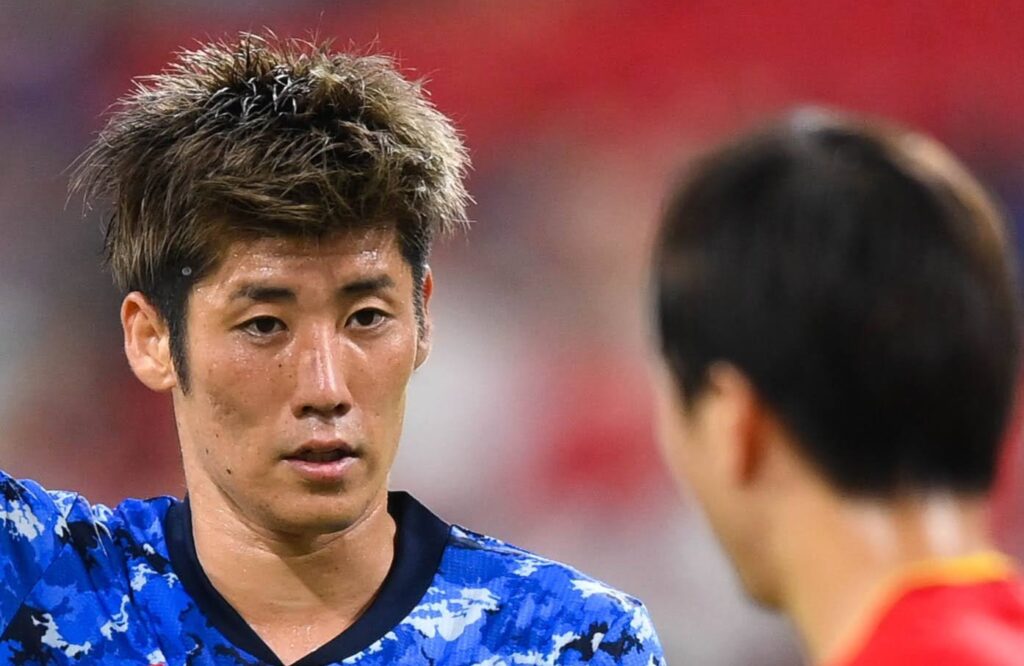
Hours before Japan prepared to face New Zealand in the Kirin Cup 2026 final at MUFG National Stadium, national team manager Hajime Moriyasu faced an unusual media interrogation. The focus was not on attacking fluidity or tactical pressing triggers, but on an abrupt disruption across the Samurai Blue backline. Machida Zelvia fullback Henry Heroki Mochizuki had temporarily stepped away from camp under unexpected circumstances, forcing the technical staff to improvise their defensive plans in the middle of an international window.
The departure compounded an already volatile squad selection cycle marked by four player withdrawals. Addressing reporters at the pre-match press conference, as documented in a [サンスポ on MSN Report](https://www.msn.com/ja-jp/sports/soccer/%E6%A3%AE%E4%BF%9D%E7%9B%A3%E7%9D%A3-%E7%95%B0%E4%BE%8B%E3%81%AEdf%E6%9C%9B%E6%9C%88%E3%81%AE%E4%B8%80%E6%99%82%E9%9B%A2%E8%84%B1%E3%81%AB%E8%A8%80%E5%8F%8A-%E7%96%91%E5%95%8F%E3%81%8C%E3%81%82%E3%82%8B%E3%81%A8%E6%80%9D%E3%81%84%E3%81%BE%E3%81%99%E3%81%8C-%E4%BB%8A%E3%81%BE%E3%81%A7%E3%82%84%E3%81%A3%E3%81%A6%E3%81%8D%E3%81%A6%E3%81%AA%E3%81%84%E3%81%93%E3%81%A8%E3%82%82%E3%82%84%E3%82%8B-%E3%81%BF%E3%82%93%E3%81%AA%E3%81%A7%E5%8D%94%E5%8A%9B%E3%82%92/ar-AA2dwzxp), Moriyasu openly acknowledged external confusion. "I know there are doubts," Moriyasu told the press gallery. "We have to do things we haven't done before and work through this together." To stabilize the locker room, the Japan Football Association (JFA) issued an emergency call-up to Sanfrecce Hiroshima center-back Hayato Araki, highlighting both the acute personnel strain and the delicate generational transition taking place across Japan's defense.
📌 Key Takeaways:
- The Immediate Crisis: Machida Zelvia standout Henry Heroki Mochizuki temporarily departed the Samurai Blue camp ahead of the Kirin Cup final, leaving Moriyasu short on defensive flank cover.
- The Emergency Replacement: JFA officials drafted Sanfrecce Hiroshima defender Hayato Araki, the 2025 J.League Best XI selection with 4 caps, to shore up a battered defensive line.
- The Structural Reality: While Japan's autumn 31-man selection lowered the squad's average age to 25.8 years, recurring injuries have exposed a lack of proven depth in central defense.
Henry Heroki Mochizuki's Abrupt Exit Strains Camp Stability
The sudden departure of Henry Heroki Mochizuki caught domestic observers off guard. Mochizuki had risen rapidly through the domestic ranks, establishing himself as a physical anomaly among modern Japanese fullbacks with his imposing height, stride power, and duel-winning capability on Machida Zelvia's right flank. Moriyasu viewed him as an essential tactical hybrid, capable of functioning as a traditional full-back or pinning opposition wingers as an inverted auxiliary center-back.
When Mochizuki was granted permission to leave the training setup on an interim basis, speculation surged among supporters on Japanese digital forums. National team protocols strictly govern camp attendance during official FIFA windows. Moriyasu's public comments on October 4 did not hide the unconventional nature of the decision. Rather than issuing a standard generic denial, the manager conceded that questions from the public were completely justified. The coaching staff chose flexibility over rigidity, prioritizing the player's immediate situation while shouldering the operational fallout on the training pitch.
Hayato Araki Steps In to Anchor the Kirin Cup Backline
The Japan Football Association moved swiftly on September 30 to stem the bleeding, officially confirming the emergency addition of Hayato Araki. For Sanfrecce Hiroshima, Araki has served as an organizing pillar. His domestic recognition peaked when he earned a spot in the 2025 J.League Best XI, proving his aerial dominance and positional discipline against top-tier continental forwards.
Araki represents structural certainty rather than a speculative developmental project. He arrived in camp with 4 senior caps to his name, having last featured for the full 90 minutes during a high-tempo international friendly against the United States in September 2025. That match proved his capacity to step into Moriyasu's compact mid-block without requiring weeks of tactical orientation. While Mochizuki provided athletic drive along the touchline, Araki offers an immediate physical presence inside the 18-yard box, giving the coaching staff reassurance against direct, set-piece-heavy opposition like New Zealand.
Timeline and Roster Turnover Across the Autumn Window
The Kirin Cup 2026 defense has experienced sustained disruption since the initial September roster announcement. Balancing domestic form with European club travel created significant physical strain across the back four, leading to four consecutive withdrawals before the tournament could even reach its final stage.
| Date | Player & Club | Squad Action | Tactical Impact |
|---|---|---|---|
| Sept 17, 2026 | 31-Player Squad (JFA) | Initial Announcement | Average age reduced to 25.8 years across all positions. |
| Sept 28, 29, 2026 | Defensive Core (4 Players) | Camp Withdrawals | Injuries and fitness alerts thin Moriyasu's center-back depth. |
| Sept 30, 2026 | Hayato Araki (Sanfrecce) | Emergency Call-Up | Brings 4 caps and domestic Best XI composure to central defense. |
| Oct 3, 4, 2026 | Henry Mochizuki (Machida) | Temporary Leave | Depletes right-sided defensive depth ahead of the final. |
Managing the Fallout of Four Consecutive Defensive Withdrawals
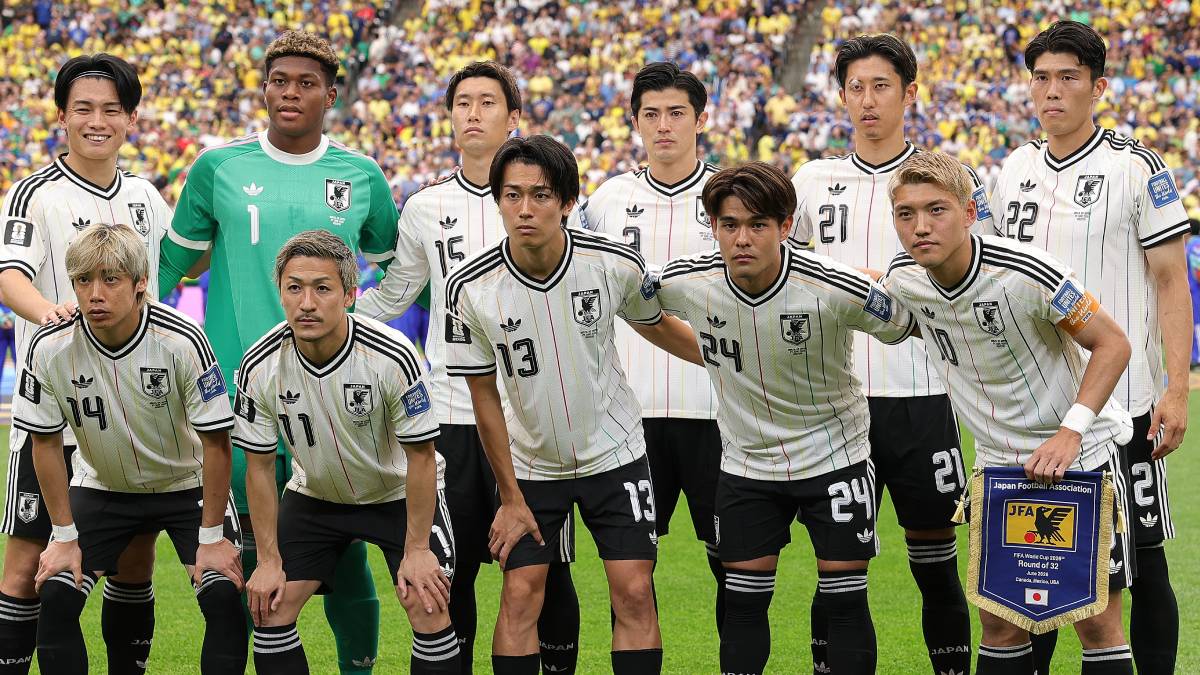
Squad attrition is familiar territory for international coaches, but losing four key defenders within a 72-hour window disrupts collective tactical synchronization. Defensive coordination requires repetitive positional rehearsals, particularly in how full-backs track inside runners when an opposing team shifts wide. The cascade of departures shattered Moriyasu's original training plans for the Ecuador fixture and the subsequent tournament final.
The coaching staff responded by relying on veteran institutional memory. Araki’s familiarity with Hiroshima's disciplined defensive block helped him grasp Moriyasu’s positional cues instantly. In past tournament cycles, an emergency recruit might spend two fixtures simply observing from the bench. Here, Araki walked straight onto the team sheet out of absolute necessity. The tactical margin for error disappeared the moment Mochizuki stepped outside the bio-secure team bubble.
The Growing Pains of Moriyasu's Generational Shift
The chaotic roster reshuffle highlights a broader structural transition inside the Samurai Blue. When the technical committee revealed the 31-player squad on September 17, analysts praised the calculated reduction in squad age to 25.8 years. The team has gradually phased out older defenders who anchored previous campaigns, prioritizing dynamic prospects capable of maintaining aggressive counter-pressing systems.
Yet youth brings inevitable squad volatility. When injuries strike primary starters, the drop-off in international command becomes visible. Domestic standouts like Mochizuki possess high ceilings, but they lack the tactical resilience developed over multiple World Cup cycles. Relying on emergency additions such as Araki demonstrates that the domestic J.League remains the national team’s primary safety valve. Without reliable, experienced domestic defenders ready to travel at a moment's notice, Moriyasu's generational transition would stall under tournament pressure.
Frequently Asked Questions (FAQ)
Q1: Why did Henry Heroki Mochizuki temporarily leave the Japan squad?
A1: Mochizuki was permitted an exceptional temporary leave from the national camp due to undisclosed circumstances. Manager Hajime Moriyasu addressed the media on October 4, acknowledging public surprise while urging unity and adaptability as the staff reshuffled the backline.
Q2: What qualifies Hayato Araki as an emergency replacement for the Samurai Blue?
A2: Araki was named to the 2025 J.League Best XI following an outstanding campaign for Sanfrecce Hiroshima. With 4 previous senior caps, including a 90-minute start against the United States in September 2025, he offers immediate tactical familiarity and aerial strength.
Q3: How many defensive players have withdrawn from Japan's Kirin Cup 2026 setup?
A3: Japan experienced four defensive departures leading up to the matches against Ecuador and New Zealand, leading to significant roster reorganization within a single week.
Moriyasu's Backline Blueprint Under Immediate Scrutiny
The defensive upheaval at the Kirin Cup serves as an unvarnished audit of Japan's backline reserves. Moriyasu's tenure has succeeded on structural organization, but unexpected departures test the depth chart beyond comfortable limits. Mochizuki's absence removed an explosive wide defender, forcing the coaching staff to construct a conservative, risk-averse defensive shell around Araki's central aerial presence.
The outcome against New Zealand will establish clear conclusions about Japan's contingency planning. If the improvised pairing holds firm, Moriyasu will emerge with proof that domestic depth can survive abrupt international crises. If individual mistakes emerge under pressure, the technical staff will face intense domestic questions regarding why their generational transition remains so vulnerable when the first-choice defense fractures.