Scripted Drama or Pure Hate? Examining the Authenticity of Viral Fight Feuds
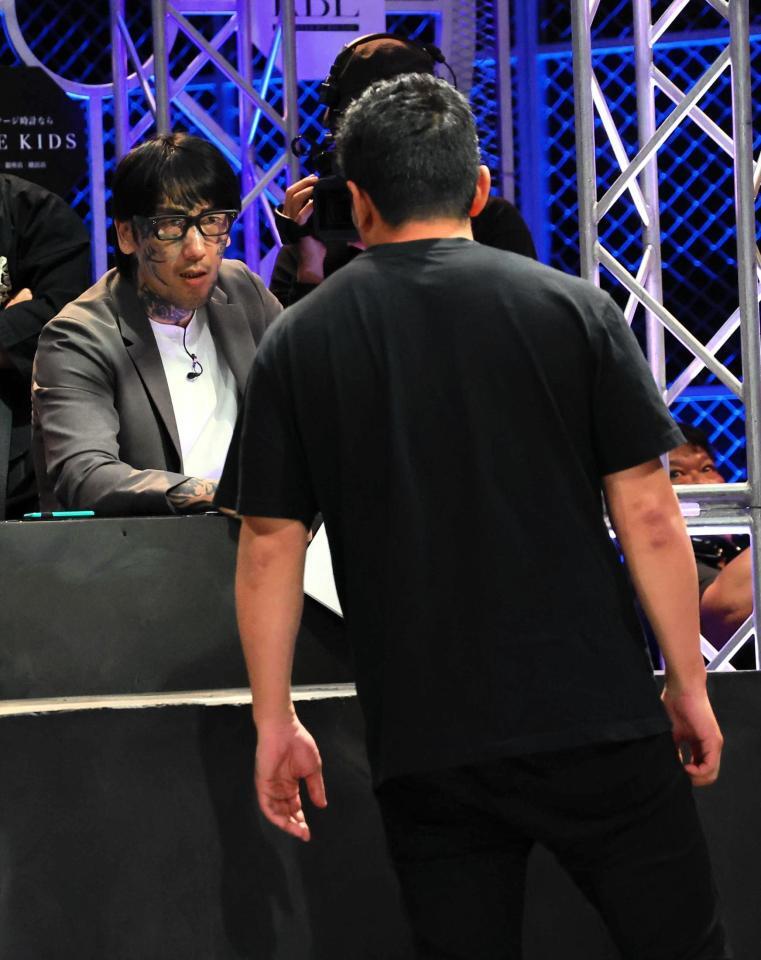
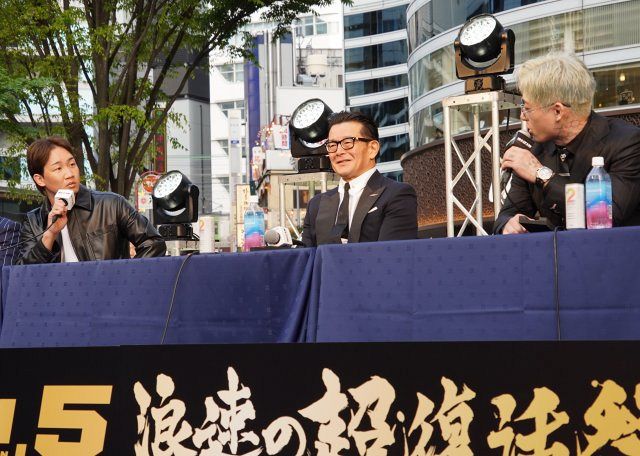
Microphones fly across press conference tables in Tokyo while security personnel scramble to pull brawling fighters apart on studio sets. At the center of modern combat entertainment stands an intoxicating ambiguity: are we witnessing authentic, unbridled malice, or a meticulously calculated performance engineered to capture fleeting digital attention? The line between legitimate hostility and theatrical self-promotion dissolved further during the volatile BreakingDown 20 auditions in Fukuoka, an explosive session documented by the デイリースポーツ Report, where veteran Outsider competitor Takehiro Higuchi traded furious barbs with newcomers ahead of the summer showcase. Just weeks earlier, RIZIN executives staged an emergency press conference at Tokyo Midtown Hibiya to unveil Super RIZIN 5 at the Kyocera Dome Osaka, where featherweight icons Mikuru Asakura and Ren Hiramoto reignited their long-standing, venomous personal feud before thousands of live viewers.
Across both amateur one-minute brawls and high-stakes stadium pay-per-views, combat sports have abandoned traditional stoicism. In its place sits an aggressive blend of psychological warfare, viral soundbites, and performative outrage. Phrases like "Omae, ore ni horeten daro?", a dismissive taunt translating to "You're obsessed with me, aren't you?", punctuate heated backstage standoffs and pressers, deflecting genuine hostility into humiliating spectacle. Dissecting these high-decibel confrontations reveals how promotional architects, social algorithms, and human psychology interact inside Japanese combat sports in 2026.
📌 Key Takeaways:
- The Promotional Mechanism: Japanese combat spectacles like BreakingDown and RIZIN strategically blend professional martial arts with reality television tropes to maximize digital engagement.
- Psychological Friction: Trash talk functions as both defensive psychological armor and high-yield marketing currency, weaponizing personal insecurities under algorithmic incentives.
- The Boundary Problem: Staged animosity frequently spills over into genuine physical liability, pushing promotions toward stricter legal and security protocols.
The Architecture of Modern Japanese Combat Entertainment
Professional fighting in Japan previously rested on martial discipline, technical mastery, and mutual respect. Pride Fighting Championships and early K-1 broadcasts presented fighters as modern samurai testing their spirit within an honorable arena. That paradigm vanished. Today, combat platforms operate as content factories driven by short-form video metrics and social friction.
BreakingDown, conceived and run by former RIZIN standout Mikuru Asakura, compressed the combat format into a single, breathless 60-second round. Yet the matches themselves represent only a fraction of the product. The audition tapes, sprawling multi-part series broadcast directly to Asakura’s 3.4 million YouTube subscribers, regularly amass tens of millions of views. Contestants sit on tiered benches, trading insults, launching plastic water bottles, and lunging past staged security cordons. The primary audition metric is emotional volatility rather than athletic pedigree.
Traditional promotions noticed the revenue shift. RIZIN Fighting Federation steadily incorporated influencer combat rivalries and celebrity grudge matches alongside elite championship bouts. When Asakura and Hiramoto took the stage at Tokyo Midtown Hibiya to hype Super RIZIN 5 alongside YA-MAN, Chihiro Suzuki, and RENA, the sporting dynamic took a backseat. The focus shifted entirely to unverified accusations, drug-testing allegations, and weaponized personal insults. Combat organizations no longer sell bouts solely on tactical intrigue; they sell unresolved interpersonal crises.
Work or Shoot: Deconstructing Trash Talk Psychology
Professional wrestling coined two foundational terms that clarify this modern ecosystem: the "work" (a scripted or planned performance) and the "shoot" (an authentic, unscripted conflict). In modern viral fight feuds, those categories collapse into what industry veterans call a "worked shoot", a scenario where genuine interpersonal resentment provides the combustible fuel for an openly commercial fire.
Trash talk psychology relies heavily on public emasculation and narrative dominance. When a fighter sneers, "You're obsessed with me, aren't you?" they achieve a dual psychological objective. First, it diminishes the opponent's violent posturing by reframing aggressive intent as desperate, clingy infatuation. Second, it entertains the viewing public by introducing comedic disrespect into an otherwise tense confrontation. Ren Hiramoto turned this brand of digital psychological warfare into an art form across social media platforms, systematically badgering Asakura for years through memes, parodies, and street encounters until the commercial demand for their collision became insurmountable.
Fighters frequently arrive at press conferences with rough promotional understandings, only for biological pride to override commercial restraint. Adrenaline surges when two aggressive athletes stand forehead to forehead under blinding television lighting. What began as promotional beef routinely mutates into genuine hatred the moment an insult lands too close to home. The fighter’s brain struggles to distinguish between staged hype and a direct challenge to their physical supremacy.
The Evolution of Combat Entertainment Metrics
The transformation from traditional athletic staging to algorithmic combat entertainment is tracked across viewership numbers, monetization methods, and roster composition over the last decade.
| Combat Era | Primary Broadcast Engine | Core Promotional Driver | Typical Pre-Fight Tension |
|---|---|---|---|
| Traditional MMA (2015, 2019) | Terrestrial TV & Traditional PPV | Title belts, gym rivalries, technical resumes | Controlled press conferences, respectful staredowns |
| Influencer Hybrid (2020, 2023) | ABEMA, YouTube premieres, digital PPV | Cross-platform subscriber wars, street brawlers | Unchecked microphone exchanges, shoving matches |
| Algorithmic Era (2024, 2026) | Short-form TikTok clips, YouTube Shorts, X livestreams | Viral outrage cycles, personal lawsuits, business beefs | Pre-planned theatrical clashes, backstage security breaches |
The numbers explain why promoters rarely step in to cool tempers. Press conferences that feature physical altercations generate 400% to 600% higher engagement on short-form platforms within the first 12 hours compared to standard promotional appearances. Digital pay-per-view sales spike immediately following clips where security personnel fail to contain an aggressive outburst.
Security Scrambles and Backstage Escalations
The quest for viral friction carries operational dangers. As combat shows prioritize shock value, the margin between controlled promotional tension and physical injury shrinks. During production for BreakingDown 21 ahead of their Sapporo event, an audition spiraled completely out of hand when controversial participants escalated beyond verbal warfare into dangerous physical stunts, forcing staff to scream for intervention as brawlers collided off-camera.
Promotions walk a legal tightrope. When an altercation breaks out on an audition stage, production crews face real physical risks. Former athletes serving as evaluators or judges often find themselves refereeing bare-knuckle skirmishes on concrete floors. If an athlete sustains a concussion or facial fracture prior to fight night, the scheduled bout collapses, sponsors withdraw, and municipal venues threaten contract terminations.
Backstage environments reveal the reality behind the cameras. While casual viewers suspect every movement is scripted, production insiders describe an atmosphere of deliberate negligence. Producers intentionally seat volatile personalities near one another, withhold call times, and restrict information to keep stress levels high. They build the set, light the fuse, and let human unpredictability provide the explosion.
The Cultural Spillover: From Fight Cards to Business Entertainment
The appetite for staged confrontation has expanded well past traditional combat promotions, infecting mainstream business entertainment and digital media in Japan. The template forged in fight gyms now dictates how digital creators and corporate executives manage disputes.
An explosive broadcast on the YouTube business program REAL VALUE brought this shift into sharp relief. High-profile entrepreneur Takafumi Horie ("Horiemon") launched a blistering verbal assault against a prominent ramen creator boasting 1.97 million subscribers. Shouting "What do you actually understand?", Horie mirrored the exact cadence, vocal inflection, and intimidating body language popularized in fight auditions. Performative anger has become the universal language of digital engagement across YouTube Japan.
Audiences consume these high-friction business debates using the same psychological lens they apply to RIZIN or BreakingDown. Viewers choose factions, debate the authenticity of the animosity in online forums, and dissect reaction videos analyzing every facial tic. The combat mindset, identifying an enemy, manufacturing an existential confrontation, and demanding financial settlement in public, now rules Japanese digital entertainment.
Frequently Asked Questions (FAQ)
Q1: Are the altercations during BreakingDown auditions entirely scripted?
A1: No. While the setting is explicitly designed to encourage aggression, the confrontations themselves are largely unscripted. Producers screen for emotionally volatile personalities and intentionally create high-pressure environments, but the specific words, insults, and physical attacks erupt spontaneously from the participants seeking camera time.
Q2: Why do professional fighters like Mikuru Asakura and Ren Hiramoto engage in such vulgar trash talk?
A2: Extreme trash talk serves a dual purpose: it builds personal brand value by generating millions of free algorithmic impressions, and it destabilizes the opponent mentally. In modern combat, athletic talent without promotional friction limits pay-per-view revenue and mainstream marketability.
Q3: How do combat promotions prevent legal liability when staged brawls turn violent?
A3: Participants sign comprehensive liability waivers acknowledging the risks of backstage filming and auditions. Promotions also employ dedicated security personnel and off-duty martial artists tasked with intervening before serious physical injury occurs, though chaotic scuffles occasionally breach these safeguards.
The Future of Feuds in Combat Spectacle
Combat sports entertainment has evolved into an ongoing digital reality series where the fights themselves function as narrative conclusions rather than standalone athletic contests. The dynamic between Mikuru Asakura and Ren Hiramoto demonstrates that personal resentment, when polished by savvy digital marketing, can command the full attention of the combat world. Fans no longer demand pure athletic perfection; they demand emotionally volatile storylines.
The sustainability of this model rests on a fragile foundation. When every press conference requires a security breach and every audition demands broken furniture, audience tolerance rises, forcing creators to stage increasingly risky escalations. For now, the public remains hooked on the spectacle, endlessly analyzing every scowl and sideways glance, trying to discern where the actor stops and the fighter begins.