See It in Action: How Master Players Make the Sanba Sing and Snap

Walk into any late-night minyo tavern in Naha, and the sound hits before the singer even finishes the opening verse. It is not just the buzzing twang of the three-stringed sanshin filling the air. Above the strumming sits an explosive, galloping chatter, a rapid-fire clatter that sounds like three sets of Spanish castanets operating at double speed. That acoustic drive comes from the sanba, a pocket-sized wooden rhythm clapper held in the palm of a single hand.
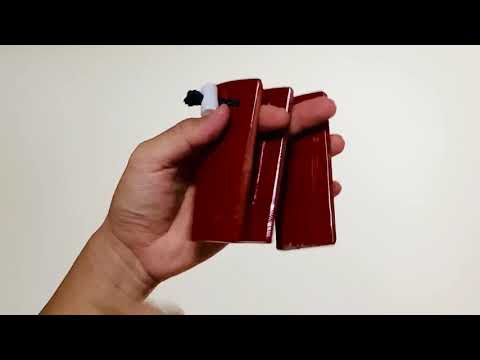
While onlookers often mistake the instrument for a quirky tourist novelty, master players treat it as an engine of acoustic momentum. As demonstrated in performance tutorials by the Okinawa Sanshin Manufacturers Cooperative (YouTube (三線組合) Report), striking these three wooden slats with precision turns subtle finger flexes into the driving pulse of Ryukyu musical culture. Achieving that crisp, sustained snap requires mastering the interplay of string tension, finger placement, and physical inertia.
📌 Quick Summary:
- The Mechanics: The sanba is a traditional Asian idiophone made of three curved hardwood slats tied loosely with cord, slotted between the fingers of one hand.
- The Lineage: Derived from Chinese paiban clappers centuries ago, the instrument evolved within the Ryukyu Kingdom into a high-speed accompaniment for minyo folk songs.
- The Technique: Unlike European castanets, the sanba produces triplets and continuous rolls through alternating finger snaps and palm rebounds rather than wrist shaking alone.
From Chinese Maritime Trade to Ryukyu Folk Ensembles
The sanba did not emerge in isolation. Maritime trade across the East China Sea during the Ryukyu Kingdom era (1429, 1879) brought musical trade goods, court diplomacy rituals, and theatrical instruments directly to the ports of Naha. Historians trace the instrument’s lineage directly to Chinese paiban origins. The paiban, a wooden clapper used in court opera and Buddhist liturgy, consisted of multiple heavy wooden boards strung together at one end to mark structural cadences.
Okinawan folk musicians took that continental clapper and radically altered its geometry. Instead of a cumbersome ritual clapper held with two hands, Ryukyuan performers whittled the boards down to handheld proportions, reducing the configuration to three light slats.
By the late 19th and early 20th centuries, this compact idiophone had migrated out of court rituals and directly into communal living rooms and dockside taverns. It became an indispensable fixture of minyo folk songs, bridging the gap between formal court percussion and spontaneous village celebrations. Whenever a sanshin player struck up a lively dance tune, someone in the room inevitably pulled a set of three-board castanets from a pocket to lock in the groove.
Grip Architecture: Slats, String Tension, and Hand Physics
At first glance, holding a sanba looks deceptively simple. A thin nylon or silk cord threads through two holes bored into the end of each slat, knotting them together at the base. But the spacing of those knots dictates everything. If the cords sit too tight, the boards bind up against one another and mute the wood’s natural resonance. If tied too loose, the slats slip sideways, producing an uneven clop instead of a clean snap.
The standard castanet playing technique demands placing the central board between the index and middle fingers, or the middle and ring fingers, depending on player preference and hand size:
The middle slat remains anchored against the palm. The outer two slats float against the inner surfaces of the adjacent fingers. To produce a single beat, the player closes the hand, slapping the outer boards inward against the stationary center piece. Sound radiates from two simultaneous impact points, yielding a sharp, dry attack that cuts cleanly through vocal lines.
The real mastery shows during the rolling triplet. By flicking the index finger inward, catching the rebound, and immediately driving the ring finger and palm into the slats in sequence, seasoned performers generate steady rolls at tempos exceeding 160 beats per minute. The wood strikes itself, bounces off the player's fingertips, and slaps against the heel of the opposite hand in rapid succession.
| Percussion Instrument | Regional Origin | Structural Design | Primary Grip Mechanic | Acoustic Character |
|---|---|---|---|---|
| Okinawan Sanba | Okinawa (Japan) | 3 curved wooden slats, tied cord | Slotted between fingers of one hand | High-frequency, dry, rapid triplets |
| Spanish Castanets | Spain / Mediterranean | 2 hollowed shells, tied cord | Anchored to thumb, struck by four fingers | Hollow, resonant, cascading rolls |
| Chinese Paiban | China | 2 to 6 flat hardwood planks | Held loosely with two hands, dropped together | Deep, loud, structural downbeat slap |
| Eisa Shime-Daiko | Okinawa (Japan) | Tension-roped barrel drum, bachi stick | Held by left hand loop, struck with stick | Punchy, mid-range thud, ceremonial pace |
Timber Selection: Kurotan, Mulberry, and the Plastic Shift
Luthiers in Okinawa treat wood selection for sanba with the same seriousness they afford sanshin necks. The hardness and density of the wood establish the pitch of the instrument. Soft woods absorb mechanical shock, muddying the rhythm. Dense hardwoods reflect kinetic energy, yielding the piercing crack necessary for open-air festivals.
Kokutan (black persimmon or ebony) represents the traditional standard. Sets carved from dense ebony yield high acoustic clarity, capable of cutting through amplified sanshin rigs without distortion. Luthiers also favor shimaguwa (Okinawan island mulberry), celebrated for its warm mid-range warmth and golden-brown grain. A hand-carved ebony set from an established Naha workshop ranges from ¥6,000 to ¥18,000 ($40 to $120 USD), depending on wood grain grading and age.
Beginners in 2026 frequently turn to injection-molded acrylic or high-impact ABS plastic alternatives. Priced between ¥1,500 and ¥2,800 ($10 to $20 USD), these composite sets lack the warm acoustic overtones of mature hardwood. However, they offer pitch consistency, resistance to tropical humidity, and zero risk of cracking during drops. For students drilling basic finger percussion rhythm patterns for hours, composite durability proves valuable.
Driving the Energy: Sanshin Accompaniment and Kachāshī Climax
The sanba never acts as a solo voice; its entire musical identity revolves around sanshin accompaniment. In classical Ryukyuan court pieces, rhythm remains restrained, dictated by the slow breathing cycles of the singers. But in folk minyo, percussion sets the groove.
During an Okinawan gathering, musical performances build steadily. Slower narrative ballads gradually transition into up-tempo dance pieces such as "Tōshin Dōi" or "Jūrokunichi". When the tempo climbs past 130 BPM, listeners stand up for kachāshī, the communal, freeform hand-waving dance that closes every major celebration.
This moment marks the sanba player's real job. The player leaves their seat, steps into the center of the circle, and provides the polyrhythmic backbeat. By striking the open end of the wooden slats against the flat of their left palm on the backbeat while keeping a rolling triplet with their right fingers, the performer maintains continuous syncopation. The sanshin provides the melody, but the sanba drives the pulse that keeps the dancers moving.
Global Workshops and Digital Preservation
Long confined to local community centers (kōminkan) and family gatherings across Okinawa Prefecture, the sanba has found an international audience. Online streaming platforms and digital communities run by diaspora groups in Hawaii, Brazil, and mainland Japan have documented subtle variations in hand techniques that were once passed down purely by ear.
Modern workshops emphasize ergonomic adjustments that prevent tendon strain, a common complaint among novices trying to muscle their way through high-speed triplets. Master instructors emphasize loose wrist action and minimal hand tension over brute force. Rather than squeezing the boards tight, players treat the slats like a pendulum, letting inertia and gentle finger rebounds do the work.
This educational push ensures that the three-board castanet remains an active part of contemporary Ryukyuan music. Whether played in an acoustic street session in Koza or inside a digital classroom connecting students across time zones, the instrument's distinctive wooden crack continues to anchor the islands' living heritage.
Frequently Asked Questions (FAQ)
Q1: How do you adjust the tension on a sanba cord?
A1: Untie the bottom knot and adjust the cord so that the slats rest roughly 5 to 8 millimeters apart when relaxed. The gap must allow the middle finger to sit comfortably without pinching, while leaving enough slack for the outer boards to pivot freely and strike the center piece.
Q2: Can left-handed musicians play the sanba with their dominant hand?
A2: Yes. The symmetry of the three curved slats allows them to be held in either hand. While right-handed players anchor the instrument in their right palm and strike the left hand for accents, left-handed musicians simply reverse the orientation without altering sound quality.
Q3: What causes blister formation or joint soreness during early practice?
A3: Beginners often squeeze the slats tightly with their fingers instead of relying on loose rebounds. Excessive grip tension rubs the wood against finger joints. Relaxing the grip, lowering practice tempos to under 90 BPM, and focusing on gentle flicking motions eliminates friction burns.
Sustaining the Pulse of Ryukyu Folk Traditions
Okinawan folk music relies on tactile instruments that bridge the gap between players and their community. The sanba endures precisely because it requires no amplifiers, stands, or sheet music. It is a compact rhythm section that fits inside a coat pocket, ready to lock in with a sanshin at a moment's notice.
As master players pass their techniques to new students worldwide, the instrument continues to serve its historical purpose. The three slats slap together, the rhythm picks up speed, and the room moves to a heartbeat crafted centuries ago in the Ryukyu islands.