Social Media Erupts as Traditional Kimono Shop Unveils Whimsical Rabbit Knot Video
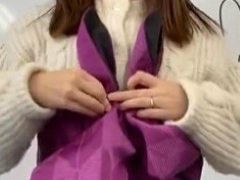
A simple sash folding demonstration quietly captivated social media feeds across Japan and beyond, turning an esoteric dressing technique into an international sensation. Japanese kimono and accessories retailer BANKAN Wamonoya, through its specialty online shop account "Neko to Kimono no Bankan-ya" (@bankanya) on X, posted a short instructional clip showing an artisan crafting an obi knot shaped like perky rabbit ears. As detailed by an ITmedia Report, the footage swiftly gathered millions of views, sparking thousands of reposts from enthusiastic kimono wearers, cosplayers, and fashion experimentalists eager to replicate the design at home.
The sudden viral reach points to a broader cultural shift. Traditional kimono dressing (kitsuke) has long carried a reputation for rigid rules, physical discomfort, and steep learning curves that discourage everyday hobbyists. By presenting the whimsical usagi-musubi (rabbit knot) through an effortless front-tying method, the boutique stripped away the intimidation factor. The video transformed an antique garment craft into a playful, highly shareable creative outlet.
📌 Key Takeaways:
- The Viral Catalyst: A demonstration by retailer BANKAN Wamonoya on X showcased an inventive, rabbit-inspired sash knot that captured millions of impressions.
- The Technique: The demonstration popularized *mae-musubi* (front tying), allowing wearers to shape the ears where they can see them before rotating the sash to the back.
- Modern Adoption: Kimono stylists and casual wearers in 2026 are using this method on lightweight *hanhaba* obi to blend heritage garments with casual street fashion.
The Front-Tying Breakthrough Behind the Viral Video
The heart of the clip’s viral success lies in its execution. Traditionally, tied kimono knots sit flush against the spine, forcing the dresser to manipulate stiff fabric behind their back entirely by muscle memory and tactile feedback. BANKAN Wamonoya bypasses this struggle by employing mae-musubi, a front-tying approach.
In the video, the presenter wraps a striking purple hanhaba (half-width) obi around the waist over a smooth rotating sash pad (turning obi-ita). Every fold, pinch, and tuck happens directly over the navel. The wearer can inspect the proportions in real time, adjusting the symmetry of the rabbit ears without craning their neck in a mirror. Once the silhouette looks crisp, the dresser inhales, expands the ribcage slightly to loosen the friction, and smoothly swivels the finished knot around to the center back.
This simple ergonomic pivot unlocked the craft for a global audience. Viewers quickly realized they did not need years of formal dressing school credentials to recreate the look. The barrier to entry vanished in thirty seconds of clear video footage.
Engineering the Rabbit Ears: Mechanics of the Usagi Musubi
The rabbit ear obi technique relies on basic geometry and tension rather than complicated internal wire armatures. Replicating the shape requires a standard four-meter hanhaba obi, which is lighter and more pliable than the wide, stiff fukuro obi used for formal occasions.
The construction moves through five core mechanical stages:
- Measuring the Tails: The wearer splits the sash into two unequal lengths: a short base tail (te) measuring roughly the length from shoulder to hip, and a longer working section (tare).
- The Foundation Knot: Wrapping the tare twice around the waist creates the foundational compression. The dresser crosses the tare over the te and pulls snug, tying a single, clean square cinch directly at the stomach.
- Folding the Ear Loops: Taking the remaining length of the tare, the dresser folds the fabric back and forth into two upright loops. The folds must remain crisp; pinching the lower base of each loop creates the flared, pointed profile reminiscent of hare ears.
- Securing the Base: The shorter tail (te) wraps up and over the pinched center of the two ears, locking them into an upright position. The tail pulls tightly through the backside, anchoring the tension.
- The Rotation: The dresser grips the seam line firmly with both hands, breathes out to contract the stomach, and slides the knot clockwise toward the spine.
Beginners often make the mistake of pulling the base knot too loose, causing the rabbit ears to droop sideways after twenty minutes of walking. Applying moderate tension at the central pinch point ensures the ears stay upright throughout a day of movement.
Comparing Modern Casual Obi Knots for Daily Wear
The resurgence of whimsical styling has prompted dressers to evaluate different casual knots based on balance, difficulty, and daily comfort. The table below outlines how the rabbit knot stacks up against other popular casual arrangements.
| Obi Knot Style | Primary Obi Type | Skill Level Required | Visual Silhouette |
|---|---|---|---|
| Usagi Musubi (Rabbit) | Hanhaba / Ko-bukuro | Beginner, Intermediate | Upright, playful, dual-pointed ears |
| Bunko Musubi (Book/Bow) | Hanhaba / Heko | Novice | Symmetrical, horizontal winged bow |
| Kai-no-Kuchi (Clam Shell) | Hanhaba / Kaku (Men's) | Beginner | Flat, compact, diagonal geometric overlap |
| Yanoji Musubi (Arrowhead) | Hanhaba | Intermediate | Streamlined, hanging vertical tail |
| Taiko Musubi (Drum Knot) | Nagoya / Fukuro | Advanced | Formal, flat square box silhouette |
While the classic Bunko Musubi remains the default choice for summer fireworks festivals (hanabi taikai), it tends to droop after prolonged sitting. The Usagi Musubi maintains its shape better against seatbacks because the bulk of the knot rests higher on the lumbar curve, preventing the ears from flattening.
Animal Motifs and Creative Freedom in Traditional Attire
Rabbits occupy a revered position in Japanese folklore, traditionally associated with good fortune, forward progress, since rabbits only leap forward, never backward, and the autumn harvest moon (tsukimi). Translating this iconography into sartorial knots is not an arbitrary modern whim. It follows an established tradition of seasonal wordplay (mitate) that Japanese dressers have practiced for centuries.
During the Edo period, urban trendsetters deliberately subverted merchant-class dress codes through clever textile linings and unexpected belt configurations. The modern rabbit knot follows that exact lineage. Kimono communities on Instagram and Bluesky frequently deploy the knot during autumnal moon-viewing gatherings, New Year's celebrations, or casual weekend cafe outings.
Crucially, this style sits firmly in casual territory. You would not wear an usagi-musubi to a wedding, tea ceremony, or formal funeral, where the structured boxiness of a taiko-musubi remains mandatory. In everyday spaces, however, fashion lovers embrace it as wearable sculpture.
Styling Hacks for Casual Yukata and Streetwear Hybrids
Modern dressers are pairing the rabbit ear knot with contemporary wardrobes. Streetwear enthusiasts in Tokyo districts like Koenji and Harajuku blend vintage silk garments with modern staples.
- Layering with Western Clothing: Wearers tie the sash over cotton trench coats, denim tunics, or oversized button-up shirts instead of a full kimono ensemble, using the rabbit knot as a statement belt.
- Adding Accent Ribbons (Sanjuhimo): Threading an elastic triple-band cord behind the main knot provides hidden anchoring slots, allowing dressers to flare out additional ruffles beneath the ears.
- Stiff polyester or tightly woven cotton jacquard works far better than soft satin. Fabric with slight tooth holds the ear shapes firmly without sliding.
- Placing a petite decorative cord (obijime) with a porcelain or resin charm (obidome) directly across the knot base adds stability while centering the outfit's visual balance.
Frequently Asked Questions (FAQ)
Q1: Can I tie the rabbit knot on a full-width formal obi?
A1: It is not recommended. Full-width fukuro and nagoya obi are too thick, wide, and stiff to fold into small loops without damaging the internal lining or creating an uncomfortable bulk behind your back. Stick to hanhaba (half-width) or flexible heko sashes.
Q2: Why do my rabbit ears droop downward instead of standing upright?
A2: Drooping usually stems from using fabric that is too soft or failing to pinch the base tightly before securing it with the tail. You can gently mist lightweight starch onto cotton sashes or slide a tiny sliver of lightweight cardstock inside each ear fold for invisible reinforcement.
Q3: How do I turn the knot to the back without twisting my kimono out of place?
A3: Always rotate the sash clockwise (in the direction the overlapping kimono front panels close) to avoid wrenching the collar open. Inhale deeply to pull your midsection inward, place both hands firmly on the side seams of the sash, and twist smoothly in a single continuous movement.
The Evolution of Everyday Kimono Culture
The viral traction of BANKAN Wamonoya's demonstration proves that heritage arts thrive when accessibility takes priority over gatekeeping. For decades, the rigorous rules of formal kimono schools unintentionally alienated younger generations, framing the garment as an untouchable museum artifact suitable only for formal milestones.
Short-form digital video dismantled that narrative. By framing the sash as a canvas for creativity, artisans have given the garment a fresh context for everyday self-expression. As casual wearers mix centuries-old textile traditions with personal styling, techniques like the rabbit knot will continue to evolve, keeping Japanese dressing vibrant, tactile, and thoroughly alive.