Spring Bento Season 2026: Pro Chef Maki Watanabe's Step-by-Step Packing Method
Every April across Japan, kitchen counters fill with clean lunchboxes, cutting boards, and the sharp scent of toasted sesame. The start of the academic and fiscal year brings a familiar morning challenge: packing a midday meal that stays appetizing after four hours in a transit bag. While single-tier boxes frequently collapse into a soggy jumble of seasoned juices and compressed rice, culinary stylist Maki Watanabe has sparked widespread attention with her refined two-tier bento method. Documented in lifestyle publication Tennen Seikatsu and echoed across viral morning prep clips highlighted by a recent Yahoo!ニュース Report, her methodical framework turns what used to be chaotic morning improvisation into an orderly culinary craft.
Packing a multi-level box is not simply about dividing food in half. It requires understanding thermal mass, managing moisture migration, and balancing colors so the lunch looks intentional when opened at noon. Watanabe’s system strips away fussy decorative gimmicks in favor of structural discipline, making it an indispensable playbook for parents and professionals navigating the school season.
📌 Key Takeaways:
- Core Principle: The Maki Watanabe bento method isolates carbohydrates from moisture-heavy dishes across a dedicated two-tier layout, eliminating midday texture degradation.
- Assembly Hierarchy: Pack rigid main proteins first at an angle, tuck flexible cooked vegetables second, and use bite-sized raw accents to seal vacant gaps.
- Moisture Control: Incorporating edible desiccants like ground sesame seeds, dried bonito flakes, and shiso leaves prevents sauces from pooling without relying on disposable clutter.
The Morning Dilemma: Why Single Tiers Fail Under Transit
The standard single-compartment lunchbox looks straightforward on paper. In practice, it creates constant friction between divergent food textures. Hot, steaming short-grain rice packed beside glazed sautéed pork or simmered root vegetables quickly absorbs stray oils and braising liquids. By midday, the starch turns dense, cold fats congeal around delicate leafy greens, and crisp elements turn limp.
Adopting a tier separation strategy alters this dynamic completely. By dedicating one entire level to the carbohydrate foundation and reserving the companion tier for seasoned mains and sides, you create an impermeable boundary between moisture-generating proteins and delicate starches. As reported by Nihon Keizai Shimbun in their analysis of seasonal lunch trends, consumer demand for compartmentalized boxes with secure latches and custom silicone gaskets surged this spring as remote workers returned to corporate offices. The two-tier container provides the structural insurance policy modern commuters need.
The Maki Watanabe Architecture: Geometry in the Magewappa Box
Watanabe’s technique relies heavily on traditional bentwood vessels known as the magewappa bento box, typically crafted from bent cedar or cypress. Unlike non-porous plastic containers that trap condensation and cause surface moisture to drip back onto the food, unlacquered or lightly coated wood breathes. It regulates internal humidity, keeping rice fluffy even as it cools to room temperature.
Within this curved perimeter, Watanabe applies a strict portioning ratio guide. The dedicated carbohydrate tier represents roughly 50% of the total caloric volume, while the accompanying dish tier is divided into approximately 30% main protein and 20% supporting vegetable sides. Rather than spreading ingredients horizontally across the container, Watanabe angles each component diagonally at roughly 45 degrees. This simple directional shift creates natural structural buttresses: each layer props up the next, keeping the arrangement intact during a brisk train commute or school run.
The Step-by-Step Packing Order for the Side Tier
Arranging the side dish tier requires deliberate sequencing. Dumping prepared items randomly into open spaces inevitably crushes delicate vegetables and leaves unsightly voids. Watanabe’s side dish arrangement follows an unyielding three-step progression:
1. Anchor with the Main Protein: Position the largest, most structurally rigid component first, such as pan-seared salmon fillets, rolled tamagoyaki, or ginger pork. Place it flush against the container wall or along the left third of the tier, leaning slightly backward.
2. Insert Medium-Firm Cooked Vegetables: Introduce malleable, cooked sides next. Items like blanched spinach tossed with sesame, simmered pumpkin wedges, or sweet potato rounds can be squeezed gently to fit the contour of the protein, locking it firmly against the container's perimeter.
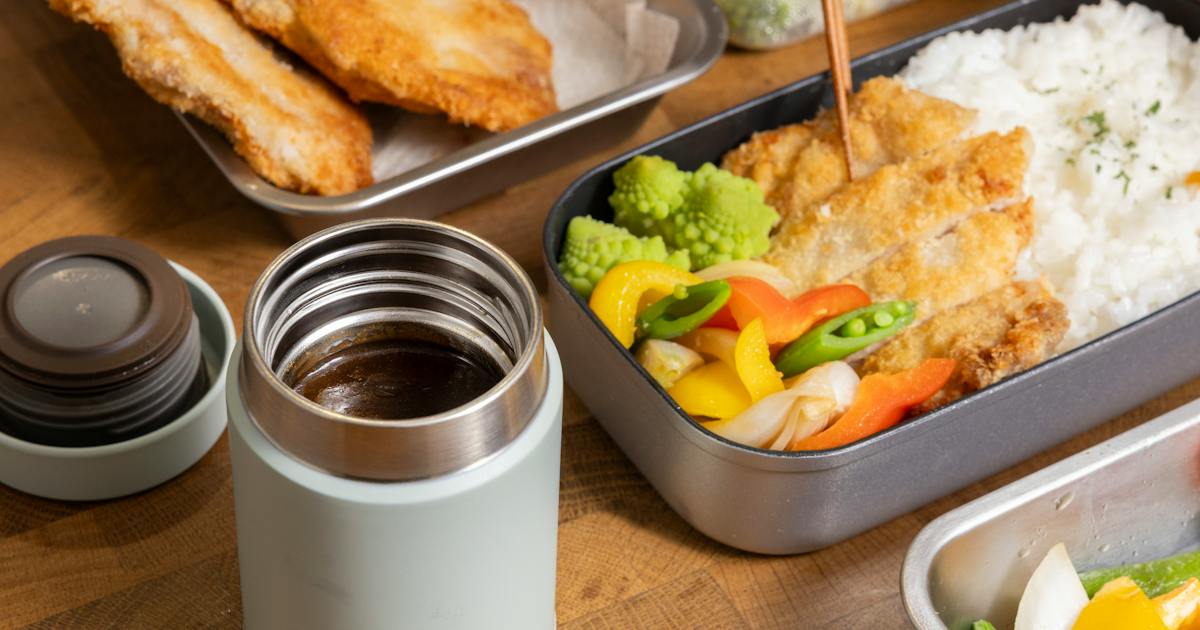
3. Anchor Gaps with Gap-Fillers: The remaining voids must be sealed to stop internal shifting. Watanabe avoids empty pockets by wedging dense, moisture-stable items into the corners. Steamed broccoli florets, cherry tomatoes with stems removed, or pickled lotus root slices act as organic keystone wedges, cementing the entire aesthetic bento presentation without crushing softer bites.

Container Materials, Thermal Profiles, and Packing Strategy
Choosing the right hardware determines how you prepare your food before it leaves the kitchen. Different materials handle condensation and residual heat in fundamentally different ways.
| Container Material | Humidity & Condensation Behavior | Leak Prevention Mechanism | Ideal Dish Profile |
|---|---|---|---|
| Natural Cedar Magewappa | Absorbs excess moisture naturally; prevents rice from becoming sticky. | Friction lid only; requires zero-liquid dishes and dry bottoms. | Roasted fish, glazed root vegetables, plain salted rice. |
| Dual-Tier BPA-Free Plastic | Impermeable; traps steam completely unless cooled to room temperature first. | Integrated silicone gaskets with side latches or elastic exterior bands. | Sauced stir-fries, marinades, dressed pasta salads. |
| Dual-Tier Stainless Steel | Conducts heat rapidly; cools food fast but forms condensation on the lid. | Heavy clamp locks with removable food-grade silicone seals. | Odor-heavy dishes like kimchi pork, curried grains, dense salads. |
Mastering Leak Prevention and Five-Color Balance
Preventing leaks is not just about using tight lids. It begins with ingredient prep in the skillet. Watanabe stresses practical leak prevention tips that treat food as its own barrier. Rather than transferring braised or simmered sides directly into the box, place them on paper towels for 60 seconds to wick away excess broth. Alternatively, coat the bottom of a vegetable cup with toasted ground sesame seeds, fine bonito flakes, or panko crumbs. These edible sponges drink up stray sauce, concentrating savory umami beneath the greens instead of letting liquid leak across the tier.
While disposable food divider cups have their place, modern bento design favors sustainable barriers. Fresh shiso leaves, folded edible wax paper, or reusable silicone cups protect borders without introducing visual waste. On top of leak management, Japanese culinary tradition relies on goshiki (five-color balance) to ensure nutritional density:
- Red/Orange: Carrots, cherry tomatoes, grilled salmon fillets (stimulates appetite).
- Yellow: Dashi tamagoyaki, sweet corn, roasted squash (provides warmth and visual comfort).
- Green: Blanched snap peas, broccoli, salted edamame, shiso (adds visual freshness).
- White: Steamed koshihikari rice, sesame seeds, lotus root (supplies clean carbohydrate contrast).
- Black/Brown: Braised hijiki seaweed, shiitake caps, roasted meats (provides grounding savory depth).
Morning Workflow: Thermal Safety and Cinderella Fits
The biggest food safety pitfall in early-morning bento assembly is residual heat. Closing a lunchbox over steaming rice creates a warm, sealed chamber between 30°C and 40°C, the prime reproduction window for bacterial contamination. Watanabe’s protocol mandates complete cooling before locking the top tier.
Spread freshly cooked rice evenly across its dedicated tier and leave it uncovered on a wire rack for 15 to 20 minutes. Alternatively, place the container over a thin ice pack while you cook the proteins. As shown in recent viral demonstrations by home cooks across Japanese cooking channels, wrapping soft elements like rolled omelets or ketchup-seasoned rice tightly in plastic film before nestling them into the box creates an effortless "Cinderella fit", a snug placement with zero empty gaps that will not shift during transit.
Frequently Asked Questions (FAQ)
Q1: How do I prevent natural magewappa wood from retaining strong food odors?
A1: Line the wood with edible botanical barriers like broad shiso leaves or non-stick parchment paper before inserting pungent items. Wash unlacquered magewappa strictly in warm water using a soft sponge without harsh chemical detergents, and allow it to dry thoroughly in a shaded, well-ventilated spot for at least 24 hours before repacking.
Q2: Is it safe to pack leftovers directly from the refrigerator without reheating?
A2: No. Overnight leftovers must be brought to an internal temperature of at least 75°C for a minimum of 60 seconds to neutralize any surface pathogens, then fully cooled back to room temperature before packing into the tiers. Placing cold food straight from the fridge beside warm elements creates condensation pools that encourage spoilage.
Q3: What are the best compact gap-fillers when running late in the morning?
A3: Keep a freezer stash of blanched edamame pods, rinsed cherry tomatoes dried thoroughly with paper towels, and pre-sliced seasoned kamaboko (fish cake). These elements require zero morning skillet time, provide instant color pop, and hold their form without releasing juice into neighboring compartments.
Building a Sustainable Morning Lunchbox Ritual
Packing lunch every morning does not require high-effort decorative staging or specialty equipment. By using a two-tier box and following Maki Watanabe's structured packing order, rigid proteins first, flexible sides second, crisp anchors last, you eliminate the daily guesswork. The two tiers keep rice clean, protect sauces from wandering, and ensure that opening lunch hours later delivers the same balanced flavors and crisp textures you prepared at dawn.