Spring Touring Boom Drives Crowds to Iwasaki: Aso's Akaushi Beef Bowl Trend Explodes
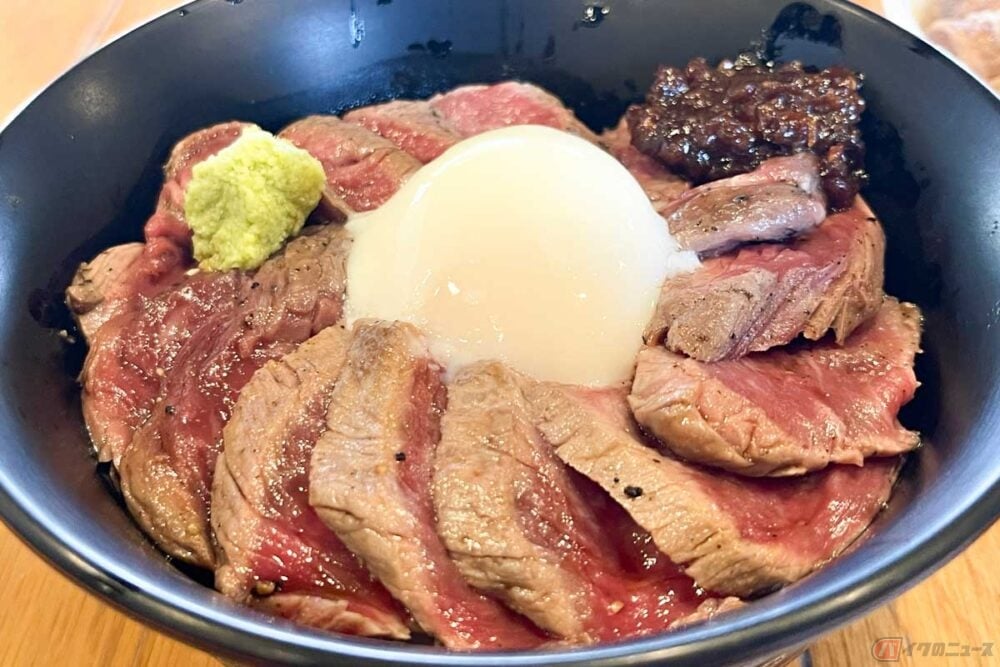
Spring temperatures across Kyushu have unlocked the highland passes circling Mount Aso, sparking an immediate influx of motorcyclists, domestic road-trippers, and traveling food enthusiasts. Along the winding approach routes carving through Kumamoto Prefecture, roadside dining spots face severe capacity constraints, none more pronounced than at Restaurant Iwasaki (あか牛 丼 いわさき). Queues now spill across the gravel lot well before midday, filled with leather-clad riders arriving from across western Japan. As veteran motoring and culinary journalist Takeshi Goto reported for a recent MSN Report, the atmosphere inside carries an almost hypnotic rhythm: young couples on first dates and hardened solo riders alike utter an involuntary "Delicious!" before dropping into dead silence, entirely captivated by bowls of medium-rare, crimson-hued local beef.
This rush reflects an intensifying dynamic where niche regional agricultural heritage aligns with seasonal leisure patterns. For decades, touring through the Aso caldera stood as an open-road ritual centered on sweeping turns and volcanic panoramas. Today, that route centers equally on a specific culinary benchmark: the Akaushi beef bowl. At Iwasaki, the surging popularity highlights both the extraordinary appeal of Kumamoto wagyu and the friction points that emerge when quiet rural kitchens face viral metropolitan demand.
📌 Key Takeaways:
- The Driver: Warm March weather has accelerated the spring motorcycle season across Kyushu, sending thousands through the Aso touring route directly to local dining counters.
- The Crowd Bottleneck: Restaurant Iwasaki regularly logs 45-to-90-minute lines, with peak congestion hitting between 11:30 AM and 1:15 PM even on standard weekdays.
- The Plate: Unlike intensely marbled black wagyu, Aso's Japanese brown cattle yield a lean, iron-rich cut that appeals directly to active travelers seeking substantive energy without post-meal lethargy.
The Spring Awakening Along the Yamanami Highway
Every year, as March thaws the frosty switchbacks of the Yamanami Highway and the Milk Road, the volcanic caldera of Aso becomes the premier rider pilgrimage in Kyushu. The scale is staggering. Thousands of motorbikes rumble across Route 57, tracing grasslands that turn vibrant green almost overnight. The physical demands of navigating cold highland wind leave riders hungry for dense, high-protein sustenance.
That hunger has transformed the regional food map. Decades ago, riders settled for basic noodle joints or standard convenience stopovers. Now, itineraries revolve around specific pasture-to-table destinations. Restaurant Iwasaki sits at the geographic crosshairs of these runs. Located within easy reach of primary arterial paths, it provides an intuitive midday staging point. When engines shut down around 11:00 AM, the courtyard fills rapidly with helmets, tank bags, and navigation brackets.
The demographic mix has expanded well beyond older touring hobbyists. University students renting roadsters out of Fukuoka mix with weekend travelers from Kumamoto City and foreign self-drive tourists. This intersection creates an intense midday crush that local operators must manage on tight margins.
Peak Hours and Wait Times at Restaurant Iwasaki
Crowd dynamics at Iwasaki follow an unforgiving curve dictated by road timing. Motorcyclists typically leave coastal hubs like Fukuoka, Oita, or Kumamoto City around 8:30 AM. Factoring in two hours of mountain sweeps, the bulk of arrivals hits the front doors between 11:15 AM and 1:30 PM. During these two hours, entry delays mount steeply.
Wait times on standard weekdays routinely sit between 30 and 45 minutes, while clear-sky Saturdays and Sundays frequently stretch past 75 to 90 minutes. The kitchen operates with focused efficiency, yet the nature of preparing rare roast beef donburi requires deliberate pacing. Each cut must be sliced across the grain at exact temperatures to prevent juice loss, while warm rice beds require calibrated seasoning.
Those seeking to bypass the worst of the congestion rely on narrow timing windows. Arriving prior to the morning opening, typically by 10:45 AM, secures placement in the initial seating cycle. Alternatively, slipping in after 2:00 PM often cuts wait times down to ten minutes, provided daily beef inventories have not sold out.
Field Comparison: Aso's Beef Bowl Circuit
Navigating the local culinary landscape requires understanding how different venues handle volume, sourcing, and preparation styles. The table below outlines key operational differences across prominent Akaushi providers within the Aso caldera basin.
| Establishment Type | Cut & Preparation | Peak Wait Time | Average Bill (JPY) |
|---|---|---|---|
| Restaurant Iwasaki | Thick-sliced rare roast beef; savory garlic-soy glaze with local egg yolk | 45, 90 min (Weekends) | ¥2,200, ¥2,800 |
| Historic City-Center Specialists | Thin-shaved seared sirloin; sweet shiso glaze, wasabi accent | 90, 150 min (Weekends) | ¥2,500, ¥3,200 |
| Caldera Roadside Stations (Michi-no-Eki) | Simmered strips or quick-grilled minced patties | 15, 30 min | ¥1,400, ¥1,900 |
Why Kumamoto's Brown Cattle Defy Wagyu Stereotypes
Much of the global reputation surrounding Japanese wagyu rests on Kuroge Washu (Japanese Black), renowned for its snowflake intramuscular fat. While breathtaking in small doses, high-marbled beef can quickly overpower the palate. Eating a massive bowl of A5 ribeye midday is rarely comfortable for someone about to tackle sixty miles of mountain asphalt.
Akaushi, derived from Japanese Brown cattle, offers a completely different eating experience. Raised on the open slopes of the Aso grasslands, these cattle graze on native wild grasses, producing lean, muscular tissue. The meat is naturally high in taurine, carnitine, and inosinic acid, which delivers a distinct umami punch without overwhelming richness.
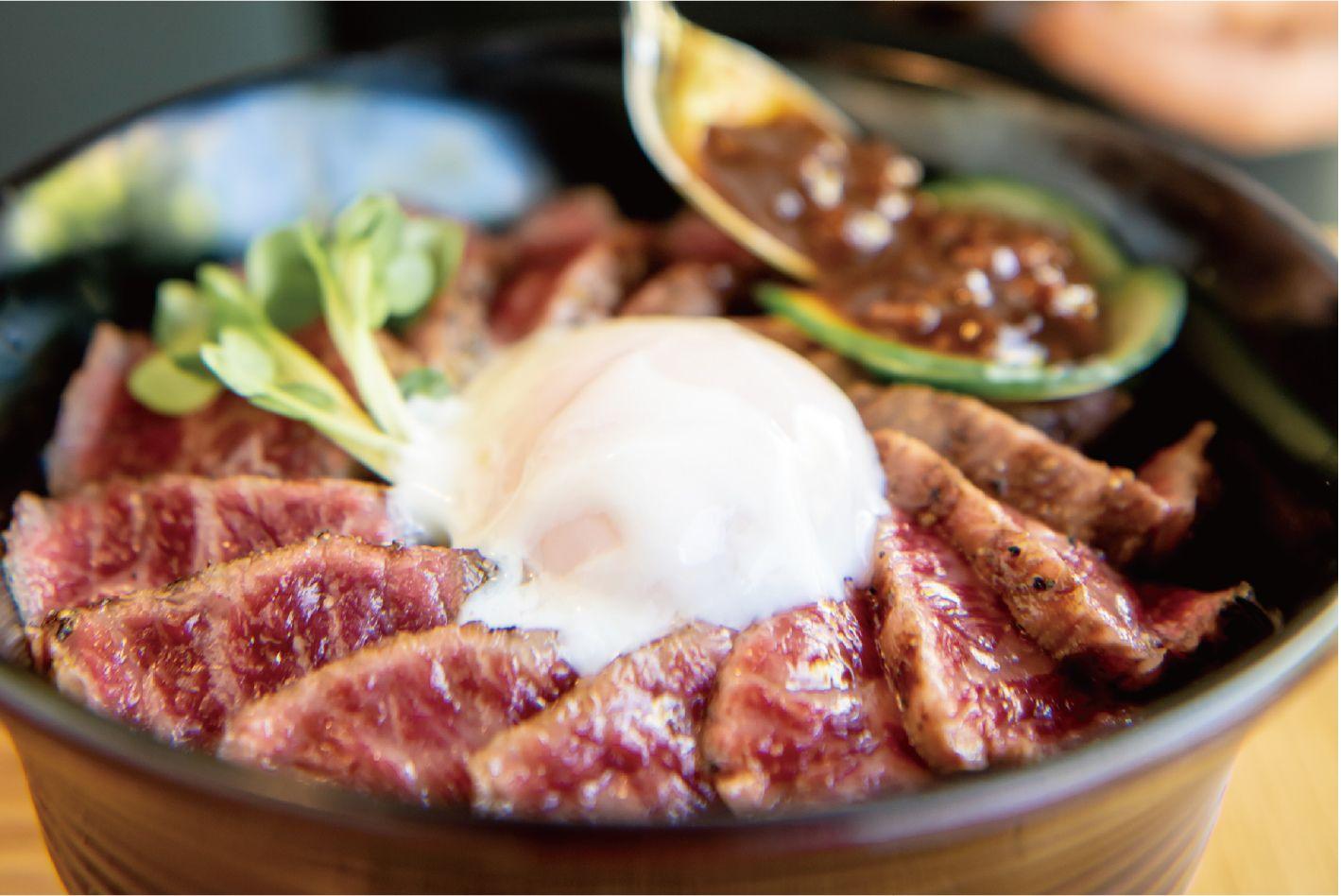
Iwasaki capitalizes on this profile by serving the meat rare. The beef is seasoned lightly, gently roasted to preserve structural moisture, and sliced into hearty ribbons. Crowned with an onsen egg and accompanied by a piquant local dipping glaze, each bite yields an earthy, pure beef profile. This clean finish explains why riders can clear an entire bowl, mount their machines, and carve through high-speed turns without midday lethargy.
The Cultural Shift in Touring Gastronomy
The scene described by Goto, where conversational chatter abruptly cuts out the moment the bowls land, highlights a subtle shift in motorcycling subculture. In previous eras, touring focused on mileage and mechanical endurance; dining was purely functional. In 2026, destination dining represents the primary objective of the excursion.
Social media sharing has accelerated this behavior, but the phenomenon in Aso rests on tangible agricultural geography. You can see the pastures where the cattle grazed while standing outside waiting for your table. That short supply chain resonates with domestic visitors who increasingly prioritize authenticity over commercialized rest stops.
For the farming communities around Mount Aso, this dining trend provides essential economic insulation. Raising Japanese Brown cattle requires maintaining extensive grassland pastures, an ecologically demanding task known as noyaki (prescribed spring burning). Sustained consumer demand for high-value donburi directly finances the labor and conservation required to keep these historic pastures open and accessible for everyone.
Frequently Asked Questions (FAQ)
Q1: What is the single best arrival window to avoid extreme queues at Restaurant Iwasaki?
A1: Aim for 10:45 AM, just ahead of the lunch opening, to catch the primary seating round. If arriving later in the afternoon, plan for 2:15 PM, but verify in advance that daily cuts have not sold out.
Q2: How does an Akaushi beef bowl differ from standard Japanese gyudon?
A2: Commercial gyudon uses thinly shaved, slow-simmered beef brisket cooked in sweet mirin and dashi. The Akaushi donburi served at Iwasaki uses whole, high-grade cuts of local Japanese Brown cattle roasted rare, sliced thick, and presented over hot rice with house-made sauces and a soft egg.
Q3: Is the restaurant accessible for standard passenger vehicles, or is it strictly a rider hangout?
A3: It welcomes all visitors. While motorcycle clubs provide significant visibility, families, elderly day-trippers, and rental-car tourists regularly make up the majority of patrons dining inside.
Navigating the Aso Gourmet Circuit in 2026
As spring touring hits full stride, the lines at Restaurant Iwasaki show no signs of receding. The combination of pristine mountain tarmac and specialized regional beef creates an irresistible loop for travelers moving through central Kyushu. Visiting this pocket of Kumamoto requires realistic expectations regarding wait times and daily availability.
Treating the wait as part of the regional ritual allows visitors to appreciate the slower pace of caldera life. When that bowl of vibrant red Akaushi arrives, the silence that falls over the dining room confirms that some culinary destinations continue to justify every minute spent in line.