Stop Buying Expensive Gift Bags: The Parchment Paper Wrap Hack Bakers Swear By
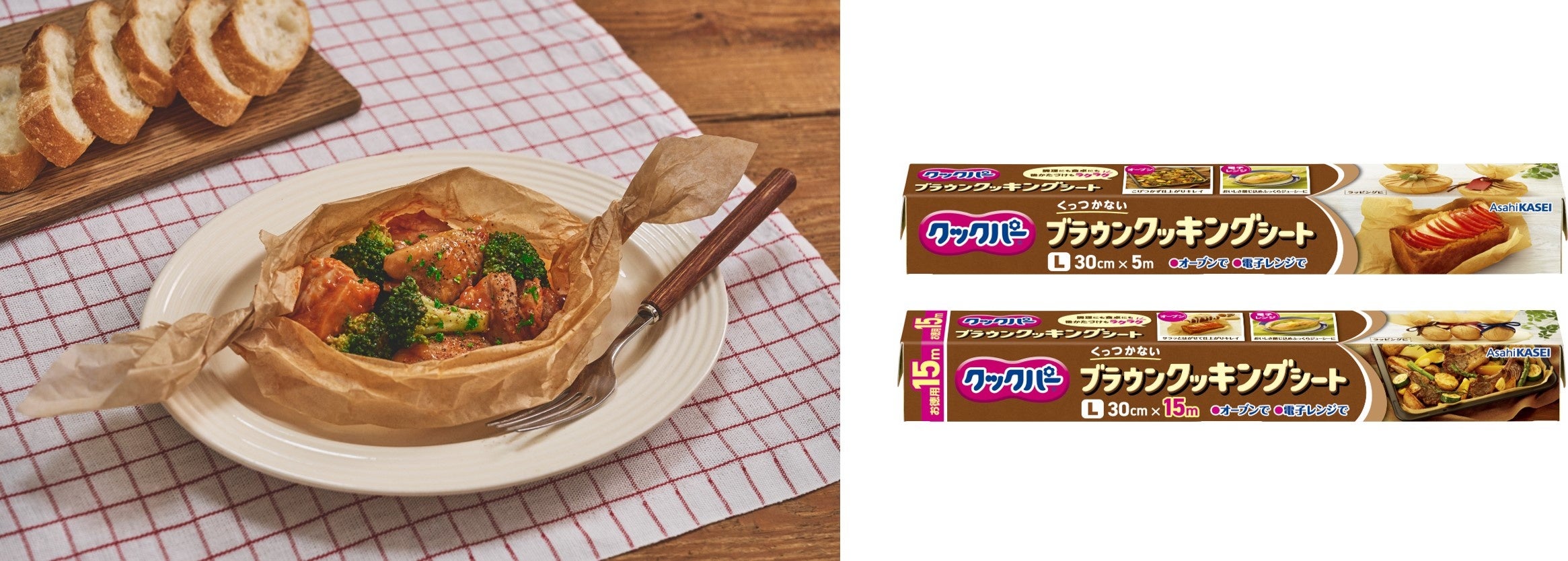
Baking enthusiasts routinely spend hours dialing in crumb structures and perfecting browned crusts, only to shove finished loaves into synthetic plastic wrap or overpriced gift boxes. Across social media baking communities and professional patisserie kitchens, a quieter, cost-cutting packaging method has replaced commercial gift bags. By repurposing high-density kitchen parchment, home bakers turn everyday utilitarian supplies into rustic, boutique-grade food parcels without spending extra money at craft supply outlets.
This method solves an annoying kitchen headache while elevating homemade cake presentation. As detailed in a livedoor ニュース Report, traditional metal loaf pans without removable bottoms regularly trap baked goods, turning pan release into a frantic routine of shaking and banging pans on countertops. Bakers realized that using silicone-coated parchment sheets to line their loaf pans creates built-in handles for damage-free removal, while the excess liner seamlessly doubles as the primary greaseproof wrap.
📌 Key Takeaways:
- The Method: Double-duty parchment paper serves first as a non-stick pan sling during baking and transitions directly into bakery loaf cake wrapping.
- The Financial Advantage: Commercial bakery gift boxes cost between $1.50 and $4.00 per unit, whereas professional-grade parchment packaging costs under $0.18 per loaf.
- Moisture Management: Silicone-treated vegetable parchment breathes sufficiently to stop exterior crusts from turning soggy while retaining the internal crumb moisture.
The Post-Baking Pan Trap That Started a Packaging Trend
The frustration of sticking cakes led directly to this minimalist wrapping trend. Home bakers tackling dense batters like the popular no-scale fresh cream pound cake documented by food outlet Entabe, or the trending bakery-style sponge loaves showcased by home cooking creator Beruppa, face a common hazard during extraction. The dense structure of a butter cake bonds stubbornly to unlined tinplate or non-stick loaf pans.
Baking manuals frequently advise home cooks to grease and flour their pans, yet crusts still tear during extraction. Japanese culinary outlet ELLE noted that while precisely measuring and cutting paper inserts to line pans feels tedious, skip-lining ruins the exterior finish of delicate cakes. When bakers cut an extended sheet of greaseproof baking paper with wide overhangs, the parchment acts as an extraction sling.
Once the loaf cools on a wire rack, those clean, butter-scented overhangs remain intact. Instead of discarding the paper and reaching for plastic cling wrap, home bakers began folding the paper inward, discovering that the kitchen liner made an artisanal, boutique-ready wrapper.
The Chemistry Behind Why Parchment Beats Plastic Film
Plastic film traps warm vapor against hot crusts. When butter or shortening cools inside an airtight polyethylene wrap, evaporating moisture condenses on the interior plastic surface, turning crisp edges into mush. Standard cardstock bakery boxes, by contrast, expose loaves to ambient airflow that dries out the crumb within 24 hours.
Silicone-coated parchment sheets strike an ideal barrier balance. In technical releases detailing culinary parchment innovations, manufacturers like Asahi Kasei (producers of Cookper) note that dual-sided silicone treatments resist temperatures up to 250°C (482°F) while providing oil and water repellency. The high-density cellulose base allows minuscule vapor transmission without letting butter bleed through the exterior.
This functional barrier preserves structural integrity. A dense loaf retains its velvety crumb because the paper holds the moisture inside the cake mass. Simultaneously, the exterior surface avoids the damp, gelatinized stickiness common with standard cling wraps.
Cost and Performance Breakdown: Packaging Materials Compared
Switching to DIY edible gift wrapping cuts recurring pantry costs while reducing single-use plastic waste. The financial gap between standard kitchen tools and commercial packaging accessories widens significantly across holiday baking cycles.
| Packaging Format | Average Unit Cost (USD) | Crust Texture Impact | Disposal Profile |
|---|---|---|---|
| Cellophane Bags & Plastic Wrap | $0.35, $0.75 | Traps steam; turns crust soggy | Non-biodegradable landfill waste |
| Windowed Bakery Cardboard Boxes | $1.50, $3.80 | Dries crumb out after 24 hours | Recyclable if grease-free |
| Tin-Lining Parchment Hack | $0.12, $0.22 | Maintains crust; preserves crumb moisture | Compostable / minimal waste |

Mastering the Two Essential Parchment Folding Techniques
Two wrapping styles dominate professional kitchens and social channels: the structured baker's envelope and the traditional twisted bonbon fold.
The Baker's Fold Loaf Wrapping Technique
This approach delivers crisp lines and clean geometric edges, making it ideal for classic dense loaves.
- Lay a fresh sheet of unbleached parchment paper flat on a clean workstation. Center the cooled pound cake upside down or upright in the middle of the sheet.
- Bring the long edges of the paper up over the crown of the cake, aligning the edges flush.
- Fold both edges down together in half-inch increments, creasing sharply until the paper rests snugly against the cake's top ridge.
- Smooth the side flaps down flat against the table. Fold the left and right corners inward to form clean 45-degree triangular wings, identical to wrapping a postal parcel.
- Tuck the resulting bottom triangle up against the cake end. Secure the folds using plain natural jute twine and baking parchment ties, or finish with an adhesive wax seal.
The Parchment Paper Candy Wrap Technique
For mini-loaves, citrus cakes, or moist slices, the candy-wrap provides immediate visual charm.
- Position the loaf horizontally along the bottom third of a rectangular parchment sheet.
- Roll the cake firmly inside the paper cylinder, leaving three inches of overhang on each flank.
- Lightly pinch the excess paper at both ends directly against the cake's perimeter.
- Twist each end two full rotations in opposite directions to secure the seal.
- Tie both twisted ends with raw baker's cotton string, trimming the outer ruffled flares cleanly with kitchen shears.
Adding Rustic Food Gift Wrap Touches
Industrial cardboard and glossy ribbons often clash with the wholesome appeal of homemade food gifts. Rustic kitchen paper works because it highlights the handmade nature of baking. Minimalist botanical flourishes elevate the overall aesthetic without adding significant cost.
Slip a sprig of fresh rosemary, dried eucalyptus, or a cinnamon stick under the twine knot before tying the bow. Unbleached brown parchment pairs naturally with muted earthy textures, while bleached white sheets offer a stark, Scandinavian patisserie look. Using custom rubber stamps with oil-based ink on the outer wrapper before folding personalizes individual packages, detailing bake dates or allergen lists with professional precision.
Frequently Asked Questions (FAQ)
Q1: Should I wrap the pound cake in the exact sheet it baked in?
A1: If the baking liner remains smooth and uncharred, fold it directly over the loaf for an authentic bakery presentation. If batter splattered or the edges browned unevenly in the oven, use the original paper as a sling to cool the cake, then transfer the loaf to a fresh sheet of parchment for final gifting.
Q2: Can I substitute wax paper for parchment paper?
A2: No. Wax paper cannot go into the oven because the paraffin coating melts and smokes under baking heat. While wax paper can wrap cooled cakes, it lacks parchment's grease resistance and tears along folded creases.
Q3: How long will a pound cake stay fresh wrapped inside parchment paper?
A3: Dense butter-based loaves keep well in parchment for three to four days at room temperature. For extended storage past four days, slide the parchment-wrapped cake inside a reusable airtight bread container or freezer bag to prevent drying.
Smart Kitchen Packaging for 2026
Modern home baking focuses increasingly on ingredient purity, cost consciousness, and sustainable kitchen habits. Commercial gift packaging often adds unnecessary clutter and expense to a simple personal gesture.
Reclaiming basic kitchen parchment changes that equation. By relying on smart folds and standard pantry paper, bakers can produce professional, grease-resistant packaging right from the oven counter. A well-folded loaf of pound cake wrapped in simple paper and tied with twine lets honest culinary craft take center stage.