Stop Using Plastic Dividers: The Viral Bento Ham Cup Hack Taking Over Morning Lunch Prep
Stop Using Plastic Dividers: The Viral Bento Ham Cup Hack Taking Over Morning Lunch Prep
Every morning at 6:30 AM, millions of parents and home cooks face the same frustrating puzzle: how to pack an appetizing lunchbox without relying on a sea of single-use foil cups, green plastic grass sheets, or smelly silicone dividers that stain easily in the dishwasher. A simple culinary workaround from Japanese home kitchens is changing that routine. By folding, slotting, and crisping ordinary sliced sandwich ham into structural vessels, cooks are transforming humble deli meat into 100% edible food partitions that double as savory side dishes. A detailed Yahoo!ニュース report highlights how simple folded meat garnishes have captured massive attention across social feeds, proving that complex presentation requires nothing more than everyday ingredients.
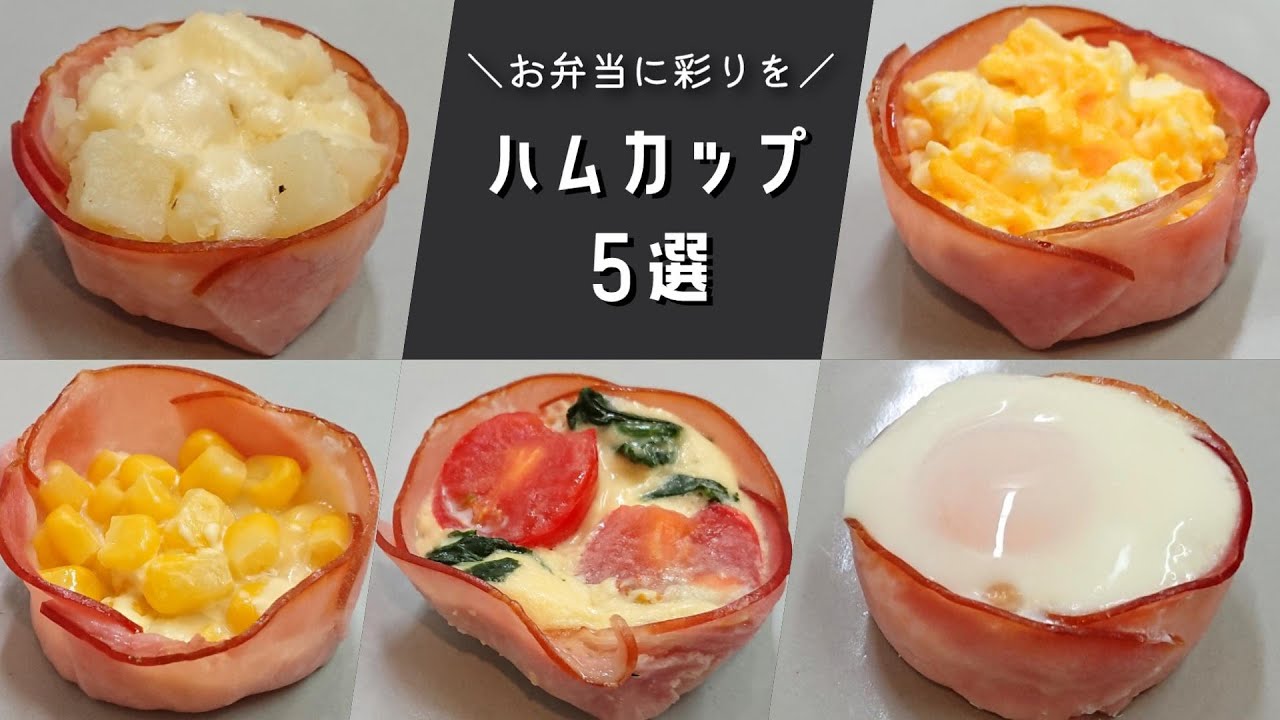
This technique, widely known in Japan as the bento ham cup (ハムカップ), eliminates morning meal prep friction while tackling food waste. Instead of packing disposable plastic inserts that end up in the trash at lunchtime, home cooks use sliced ham as a sturdy container for scrambled eggs, steamed broccoli florets, potato salad, or melted cheese. The trick bridges Japanese lunchbox aesthetics with busy weekday realities, offering an effortless way to upgrade visual presentation without spending extra time washing tiny silicone liners every night.
📌 Quick Summary:
- The Method: Everyday round deli ham is slit, folded, or pressed into small dishes to build self-supporting, edible food cups.
- The Motivation: Eliminates non-edible plastic clutter while preventing saucy side dishes from leaking into dry rice or sandwiches.
- The Impact: Saves dishwashing steps and delivers high-protein, zero-waste lunchboxes that hold up throughout school and work hours.
How Thin Deli Slices Became an Edible Lunchbox Architecture
Traditional bento assembly relies heavily on compartmentalization. Japanese cooks avoid allowing sauces, dressings, and moisture to seep into plain steamed rice or crisp side elements. For decades, green serrated plastic dividers (baran) and disposable aluminum baking cups served as the standard fix. While silicone cups eventually offered a reusable alternative, they brought their own annoyances: lingering oil odors, stubborn grease coatings, and accidental loss in school cafeterias.
The ham cup solves the physical divider problem by turning the barrier into an edible component. A single slice of round ham holds approximately 10 to 12 grams of savory fillings, acting as a moisture-tight barrier against surrounding foods. When warmed slightly, the natural animal proteins and cured fats contract, helping the cup hold its bowl shape even as it cools down to room temperature. This technique removes non-edible clutter from the lunchbox, ensuring that everything packed inside can be eaten cleanly.
Across Instagram and TikTok cooking communities, the technique has rapidly expanded beyond basic bowl folds. Culinary creators now shape the meat into decorative ribbons and intricate rosettes. MSN Japan recently featured a viral method that involves slicing a half-moon of ham with parallel cuts spaced 3 millimeters apart, then rolling the strip tightly to produce an instant ruffled blossom. These floral designs double as edible bento gap fillers, preventing ingredients from sliding around during morning commutes.
The Physics of Microwave Ham Cups and Folded Petals
Creating functional ham cups does not require pastry molds or specialty kitchen gadgets. Home cooks use two distinct techniques based on whether they need a baked hot pocket or a fresh, cold barrier for delicate salads.
The microwave cup relies on small heat-safe ramekins or microwave-safe silicone molds. Placing four small diagonal cuts along the edges of a standard ham slice allows the meat to overlap smoothly without tearing. Pressing the ham flush against the bottom and sides of the ramekin creates a firm circular wall. Cooking the slice on high power for 40 to 60 seconds evaporates surface moisture, firming the proteins into a crisp, rigid cup that holds its shape independently once lifted out.
For cold lunchboxes, mechanical folding works without any cooking at all. Slicing round ham in half yields two semi-circles. Folding each strip lengthwise and rolling it from left to right yields a sturdy ham rose decoration. Pushing a blanched green bean, sweet corn kernel, or cherry tomato half into the core locks the spiral into place. These structural shapes stay intact throughout the day without toothpicks, making them completely safe for toddler lunchboxes.
Comparing Morning Lunchbox Dividers: Cost, Prep Time, and Hygiene
Switching from manufactured barriers to edible meat cups changes morning prep routines, ongoing grocery costs, and sink cleanup. The operational differences break down clearly across daily home kitchen metrics:
| Partition Method | Prep & Cook Time | Cost Per Use | Cleanup & Waste Output |
|---|---|---|---|
| Edible Ham Cup (Fresh or Cooked) | 1, 2 minutes | $0.20, $0.35 per slice | Zero cleanup; 100% edible zero-waste barrier |
| Silicone Reusable Cups | Instant (placement only) | $0.02 (amortized over 100+ uses) | Requires thorough hand scrubbing to remove oil buildup |
| Single-Use Aluminum / Foil Liners | Instant (placement only) | $0.05, $0.08 per unit | Immediate landfill waste; tends to crush under moist foods |
| Vegetable Barriers (Lettuce / Shiso) | 1, 3 minutes (wash & dry) | $0.15, $0.30 per leaf | Zero waste, but prone to wilting and bacterial moisture risk |
While silicone liners win on long-term unit pricing, they lose points when tracking evening washup friction. Parents packing three lunchboxes daily wash roughly 15 to 20 tiny silicone cups every week. Ham cups eliminate that chores pipeline entirely, transforming a packaging cost into high-value protein content that keeps kids full until dinner.

Nutritional Versatility: From Egg Cups to Gap Fillers
The culinary utility of meat cups extends well beyond visual styling. Their most practical advantage lies in holding soft, loose ingredients that otherwise destabilize lunchbox layouts.
A leading variation is the ham and cheese egg cup, which blends two staple sides into one self-contained parcel. By cracking a single quail egg or spooning beaten chicken egg into a pre-folded ham pocket and dusting it with shredded mozzarella, cooks create a miniature savory soufflé in just 90 seconds inside a toaster oven. MSN Japan documented this pairing in its feature on lunchbox tamagoyaki variations, showing that combining cured meat with cheese fats keeps egg textures moist and tender even hours after cooling.
These cups also solve the perennial gap-filler problem (隙間おかず). When lunchbox components sit loose inside a container, walking or cycling to school shakes the layout apart. Wedging small ham cups into awkward empty corners stabilizes the meal without requiring extra carbohydrates like crackers or excess rice.
Food Safety Protocols for Room-Temperature Bento Boxes
Using cured meats as structural vessels requires strict attention to food hygiene. Unlike silicone cups, which are completely inert, deli meats contain animal fats and surface moisture that can harbor bacteria if packed improperly for warm-weather commuting.
Cooks should follow several core safety steps when building edible bento dividers:
Always heat microwave ham cups through completely to release bound surface water. Trapped steam and condensation cause deli meats to spoil rapidly inside enclosed, warm lunch containers. Let heated ham cups rest on clean paper towels for at least 5 minutes before adding fillings, ensuring all excess liquid drains away.
Avoid placing watery salads, such as fresh cucumber slices or untreated raw tomatoes, directly into uncooked ham folds. Moisture migration breaks down the cured proteins, creating a soggy texture. If filling ham cups with potato salad or boiled greens, press the vegetables firmly between paper towels first to draw out surface liquid.
Include an ice pack with any insulated lunch bag holding ham cups. Maintaining an internal container temperature below 10°C (50°F) prevents bacterial proliferation, keeping eggs, cured meats, and cheese pairings fresh until midday meal breaks.
Frequently Asked Questions (FAQ)
Q1: What thickness of sliced ham works best for shaping cups and roses?
A1: Standard thin-cut deli ham (roughly 1 to 1.5 millimeters thick) offers the best balance of flexibility and strength. Thick-cut butcher ham snaps when folded, while ultra-thin shaved prosciutto tears apart when shaped or microwaved.
Q2: Can sliced turkey or plant-based ham substitutes hold their shape the same way?
A2: Sliced turkey breast works well if it contains enough moisture to remain pliable, though it tends to dry out faster under direct microwave heat. Plant-based deli slices fold into cold flowers without issue, but they crisp inconsistently in microwaves because they lack natural animal gelatin.
Q3: How far in advance can ham cups be prepared for weekday mornings?
A3: Microwave ham cups can be pre-baked up to 48 hours in advance and stored in an airtight container lined with paper towels inside the refrigerator. Cold decorative ham roses should be rolled the morning of packing to prevent the edges from drying out and discoloring.
Smart Lunchbox Strategies for Modern Meal Prep
The global surge in bento-style lunch packing is not just a passing visual trend. It reflects a growing rejection of single-use kitchen plastics in favor of efficient, zero-waste meal design. The Japanese ham cup proves that decorative presentation and weekday utility can easily live side by side on a cutting board.
By treating sandwich meats as structural containers rather than flat bread fillings, cooks save valuable dishwashing time, cut down on disposable plastic litter, and add reliable protein to everyday lunches. With a sharp knife, a microwave-safe ramekin, and a basic pack of sliced ham, anyone can turn rushed weekday prep into organized culinary craft.