Stop Wrapping It Directly in Plastic: The Hidden Reason Your Spam Musubi Turns Mushy
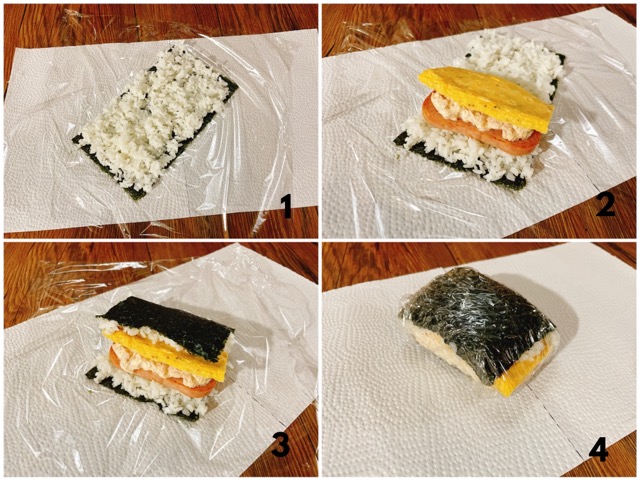
Every home cook making Spam musubi faces the same lunchtime disappointment. You fry thick slices of luncheon meat in a savory soy-sugar sauce, press warm short-grain rice into neat blocks, wrap the parcel tightly in plastic film, and pack it away. By noon, the once-crisp nori has degenerated into a leathery, gummy sheet, while the rice underneath turns unpleasantly soggy. With convenience store rice balls regularly crossing the ¥200 threshold across Japan, home bento prep has surged, bringing everyday packing frustrations under renewed scrutiny. As highlighted in a recent 朝日新聞社 Report exploring kitchen mechanics, wrapping hot rice directly in non-breathable plastic film traps escaping moisture, creating a miniature greenhouse that ruins both texture and shelf stability.
📌 Key Takeaways:
- The Trapped Steam Culprit: Enclosing warm rice directly in plastic wrap generates condensation that dissolves dried nori into a chewy, sticky mess within 30 minutes.
- The Separation Principle: Keeping nori crisp requires a physical barrier between rice and seaweed, replicating convenience store film mechanics with parchment paper or foil.
- Thermal Regulation: Cooling seasoned rice to roughly 20°C, 25°C (room temperature) before final assembly prevents steam pooling while preserving soft starch texture.
The Physics of Trapped Steam and Rice Breakdown
The failure of standard musubi wrapping stems from basic thermodynamics. Freshly cooked Japanese short-grain rice contains roughly 60% to 65% moisture by weight. When warm rice enters an airtight plastic wrap cocoon, internal heat forces that moisture outward as vapor. Lacking ventilation, steam hits the cold plastic barrier, condenses into water droplets, and settles straight back onto the outer surface.
Dried nori acts like an industrial sponge. Its moisture content sits below 3% out of the package. The instant trapped vapor hits the sheet, the seaweed hydrates unevenly, losing its brittle snap and developing a rubbery, tear-resistant bite. Simultaneously, surface moisture dissolves the caramelized crust of teriyaki glaze Spam, washing sweet, salty juices into the rice grains. Instead of clean, defined layers, you get a muddy starch slurry.
The Two-Sheet Technique for Convenience Store Crunch
Japanese convenience store onigiri maintains splinter-crisp seaweed through a patented three-tab plastic pull system. The film physically separates the nori from the rice until seconds before consumption. Recreating that mechanism at home requires no specialized factory equipment, just a sheet of standard kitchen parchment paper and an exterior wrapper.
Cut your nori sheet in half lengthwise. Lay down a sheet of plastic wrap, place the nori on top, and set a slightly larger strip of parchment paper over the seaweed. Position your pressed rice and seared meat block squarely on top of the parchment barrier. Fold the plastic wrap over the entire parcel. The parchment prevents the rice from touching the seaweed during transit. When lunch arrives, peel back the plastic, pull out the parchment slip with one smooth motion, and press the nori against the rice. The seaweed stays dry, crackling on the first bite.
Foil, Film, and Parchment: Performance Benchmarks
Choosing the right wrapping medium dictates whether your musubi survives a commute intact. Different materials manage moisture dissipation and mechanical protection in vastly different ways.
| Wrapping Material | Moisture Release | Nori Crunch Window | Handling Cleanliness |
|---|---|---|---|
| Direct Plastic Wrap | Zero (Traps 100% steam) | Under 15 minutes | Sticky, oily residue transfers |
| Embossed Aluminum Foil | Moderate (Wrinkles hold droplets) | 1, 2 hours (if cooled first) | Clean peeling; rice can stick without oil |
| Parchment Paper + Outer Film | Controlled separation | 6, 8 hours (Bento ready) | Zero hand contact required |
| Wax Paper Wrap | Slight breathability | 45, 60 minutes | Moderate; sauce can seep through folds |
Aluminum foil remains a traditional favorite for rustic Japanese onigiri because crumpling it creates tiny air pockets. Those channels prevent flat condensation from drenching rice grains. However, soy glazes stick aggressively to raw foil. Parchment paper, coated with silicone, provides superior non-stick properties while acting as a sterile sliding partition.
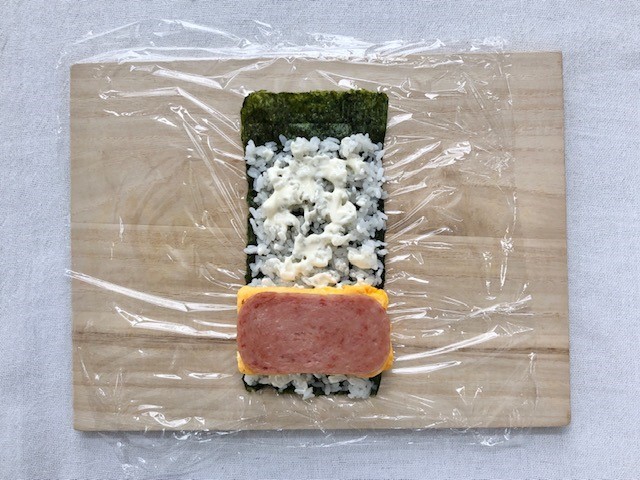
The Assembly Sequence: Molds and Mandatory Cooling
Speed matters in bento preparation, but skipping the cooling step sabotages your texture before the wrap even touches the counter. Achieving bakery-firm structure requires three disciplined stages during assembly:
Pressing comes first. Using an acrylic musubi press mold produces uniform grain density that resists crumbling. Dampen the mold with salted water, pack roughly 90 to 100 grams of cooked sushi or short-grain rice, and compress firmly with the plunger. Even compression eliminates air cavities where pooling glaze can soften the core.
Next comes the cooling buffer. Remove the rice brick and set it on a wire cooling rack or bamboo mat for 8 to 10 minutes. Let the initial cloud of steam disperse until the exterior reaches room temperature. Do the same with your pan-fried Spam slices. Searing the meat in equal parts soy sauce, mirin, and sugar creates a glossy sheen. If you place a scorching, caramelized slice straight onto warm rice, residual steam liquefies the glaze instantly.
The final wrap locks the shape. If you prefer the classic soft-seaweed style found at Hawaiian roadside stands, wrap the nori directly around the cooled rice, then swaddle in foil rather than plastic wrap. The breathable foil prevents excess sweating while letting the nori meld gently with the rice grain without turning slimy.
Bento Box Prep and All-Day Desk Storage Strategies
Refrigerating Spam musubi destroys rice texture through starch retrogradation. Between 0°C and 4°C (standard refrigerator temperatures), amylose molecules in short-grain rice recrystallize, turning the grains chalky, dry, and hard. Luncheon meat fat congeals into a firm, greasy layer.
Store your wrapped musubi in an insulated lunch pack kept in a cool, shaded environment between 18°C and 22°C. If food safety regulations require ice packs during hot summer commutes, create an air buffer. Wrap the frozen ice brick in a thick dish towel and place it at the bottom of the bag, setting the musubi on top separated by cardboard or an empty container. The parcel stays cool enough to curb bacterial growth without chilling the starch into rock-hard pellets.
If you must refrigerate overnight for morning meal prep, leave the nori completely detached. Wrap only the rice and meat block in wax paper. Before eating, microwave the block for 15 to 20 seconds at 50% power to re-gelatinize the starches and soften the pork fat. Wrap your fresh, room-temperature nori around the warm block immediately before taking a bite.
Frequently Asked Questions (FAQ)
Q1: How do I stop cooked rice from sticking to my hands and tools without using excess plastic wrap?
A1: Keep a bowl of cold water mixed with a half-teaspoon of fine sea salt nearby. Wet your palms and press tools lightly before handling the rice. The water layer forms a barrier against sticky surface amylopectin, while the salt provides clean seasoning and natural antimicrobial preservation.
Q2: Can I wrap Spam musubi while the meat is still piping hot from the skillet?
A2: Never wrap piping hot meat. Hot protein transfers intense thermal energy into the rice, triggering immediate vapor release inside the wrapper. Let the glazed meat rest on a separate plate for at least 5 minutes until the sauce sets and steam ceases.
Q3: Which side of the nori sheet should face outward when wrapping?
A3: Nori sheets have a smooth, shiny side and a rough, matte side. The smooth side should always face outward toward your fingers. The rough side grips the rice grains and absorbs subtle residual seasoning, presenting an attractive, glossy exterior for clean presentation.
Better Bento Habits for Everyday Kitchens
Good lunch prep comes down to managing heat and moisture. Slapping warm, sauced ingredients straight into plastic film will always leave you with wet, soggy starch and limp nori. Letting your ingredients cool down for ten minutes and using a parchment slip changes everything. You get the crunch of freshly opened convenience store seaweed and the firm, savory richness of homemade musubi without sticky fingers or soggy rice.