Sugawara Koshi’s Most Hilarious Moments: Iconic Quotes and Bench Antics
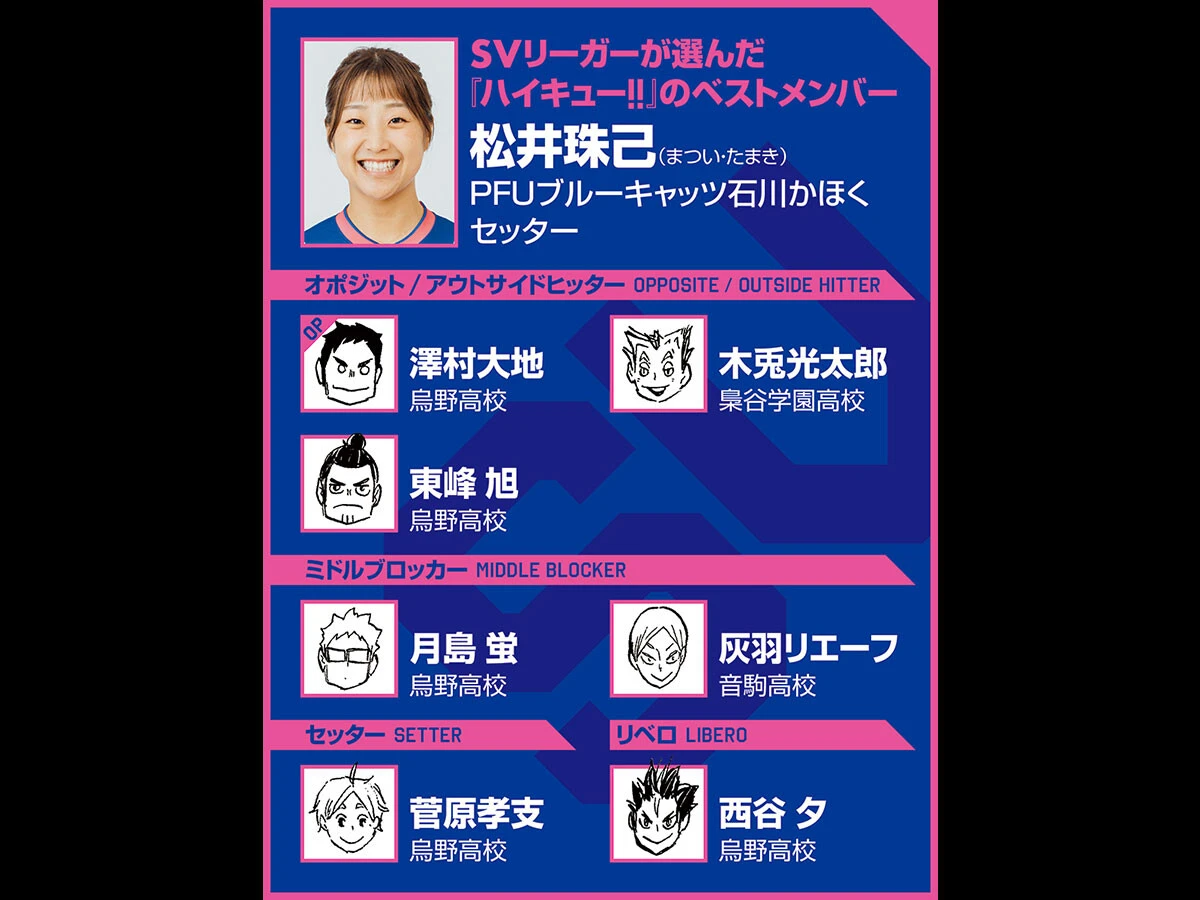
Koshi Sugawara entered Haruichi Furudate’s volleyball narrative draped in the gentle aesthetic of a classic shonen mentor. He was soft-spoken, patient, and crowned with the affectionate nickname "Mr. Refreshing" by Toru Oikawa during the early stages of the Inter-High tournament. Yet beneath that angelic exterior lies one of the most delightfully unhinged personalities in sports anime. Over a decade since the series reshaped the genre, Japanese volleyball culture continues to celebrate the third-year setter's unique blend of tactical maturity and pure bedlam, a cultural resonance spotlighted in a recent 集英社 Report examining how professional SV-League athletes analyze Karasuno's roster dynamics and court stability.
Sugawara's humor never relied on slapstick incompetence. Instead, his comedy stems from a sharp contrast: an honor student vice-captain who regularly resorts to playful physical violence, savage vocal jabs, and deranged sideline rituals. Fans across global forums frequently revisit his scenes not just for comfort, but to witness a masterclass in subverting the polite senpai archetype.
📌 Quick Summary:
- The Dual Persona: Sugawara operates as Karasuno’s emotional backbone while harboring a mischievous, chaotic streak that catches opponents and teammates completely off guard.
- Sideline Hype: His bench antics transformed sideline energy from passive spectator support into an aggressive, psychological weapon loaded with theatrical physical comedy.
- Enduring Impact: Commercial merchandise and athletic retrospectives throughout 2025, 2026 demonstrate that Sugawara's subversive charm remains a primary driver of Karasuno's cultural longevity.
The Deceptive Mask of Mr. Refreshing
When Karasuno faced Aoba Johsai, Oikawa attempted to pin down Sugawara's court aura by labeling him a soothing, refreshingly pure substitute. Oikawa misread the room entirely. While Sugawara provides a calming rhythm on the court when Kageyama spirals, his internal setting runs on pure mischief. The moniker stuck, but the fandom turned it into an ironic badge of honor.
Sugawara’s savage roasts hit harder than Tanaka’s bellowing threats because they arrive with a radiant smile. He doesn't insult people out of malice; he deploys barbed humor as an efficient tool to cut through teen drama. When Kageyama agonizes over setting precision or communication gaps, Sugawara bypasses sensitive validation and strikes right at his rookie setter's pride with cheeky jabs. That balance makes his leadership feel human rather than saintly. He gave up his starting spot to a generational prodigy, yet refused to play the tragic martyr, choosing instead to bully his underclassman with fond, aggressive affection.
His facial expressions drive this contrast home. Animation studio Production I.G carefully animated Sugawara's shift from angelic mentor to squinty-eyed gremlin whenever mischief presented itself. That microscopic twitch of an eyebrow before he smack-talks Nishinoya or mocks Tsukishima became a signature visual gag that still spawns endless reaction memes across social media.
Unhinged Bench Antics and Sideline Rituals
Most bench players in sports fiction fill space through nervous pacing or expository commentary. Sugawara, however, turned the substitution box into an improvisational comedy stage. His sideline behavior during high-stakes qualifiers alternates between seasoned coaching and raw hooliganism.
Consider Karasuno's clashes against Shiratorizawa. While Daichi maintains a stoic presence and Coach Ukai works through tactical smoke, Sugawara acts as the hype conductor. He physically restrains his teammates one second, then leads bizarre arm-waving rituals the next. When a teammate scores an improbable point, Sugawara doesn't just applaud. He grabs whoever is standing closest, usually Kinoshita, Narita, or a terrified Yachi, and shakes them violently by the collar.
His pinch-server celebrations carry the same manic energy. The moment he rotates onto the court, his entire physical posture radiates performative menace. During key service rotations, he executes synchronized hand signals, throws dramatic glances at the opposing libero, and uses exaggerated breathing exercises specifically to unsettle the blockers across the net. It is psychological warfare wrapped in theatrical buffoonery.
The Evolution of Sugawara’s Comedic Dynamic Across Matches
Tracking Sugawara’s behavior across key arcs shows an unmistakable escalation. As Karasuno grew more competitive, his chaotic tendencies intensified rather than cooled down, mirroring the escalating tension of national competition.
| Match / Arc | Chaotic Trigger | Comedic Escalation |
|---|---|---|
| Inter-High vs. Aoba Johsai (2012, 2014) | Entering as tactical relief for Kageyama | Embraces the "Mr. Refreshing" tag while gleefully signaling trick attacks right in front of Seijoh's blockers. |
| Tokyo Training Camp (2014, 2015) | Syncing with new synchronized attack formations | Brawls playfully with Tanaka and Nishinoya, initiating bizarre coded hand signals that confound rival coaches. |
| Miyagi Finals vs. Shiratorizawa (2016) | Subbing in as an aggressive pin spiker / setter hybrid | Spends timeouts chest-bumping underclassmen, aggressively screaming tactical insults, and hyping Tsukishima's rare blocks. |
| Spring Nationals vs. Inarizaki (2020) | Countering the Miya twins' rhythm and cheering squad | Orchestrates unhinged sideline distractions, matching Inarizaki’s brass band energy with raw vocal absurdity. |

The Third-Year Chemistry: Parenting Karasuno Through Slapstick
Sugawara's humor flourishes most within the Karasuno third-year triad. Alongside Daichi Sawamura and Asahi Azumane, Sugawara plays the role of the unpredictable co-parent. While Daichi embodies the stern father figure and Asahi functions as the perpetually anxious older brother, Sugawara thrives as the mother who encourages the kids to misbehave just to watch the chaos unfold.
His interactions with Daichi follow classic comedic timing. Whenever Daichi tries to deliver a solemn pre-match speech, Sugawara punctures the gravity by poking Daichi's ribs, mocking his serious brow, or loudly announcing bowel anxieties to break the locker-room silence. When Asahi loses his nerve, Sugawara skips gentle coddling; he smacks Asahi squarely between the shoulder blades with a hollow thud that reverberates across the gymnasium floor.
That domestic dynamic keeps Karasuno grounded. High school athletes carry immense pressure, particularly third-years confronting the immediate end of their competitive careers upon defeat. Sugawara chose comedy as his coping mechanism. By laughing loudly, teasing mercilessly, and refusing to let dramatic silence linger, he insulated his teammates from the suffocating terror of elimination.
Why Sugawara's Mischief Resonates Across Global Fandoms
Sugawara Koshi’s enduring popularity, regularly placing near the top of official character polls years after the manga’s conclusion, stems directly from this calculated comedic unpredictability. In modern anime storytelling, secondary mentor characters often fall into sterile archetypes: the stoic tactician, the tortured reserve, or the earnest cheerleader. Sugawara refuses to fit neatly into any of those boxes.
He is fiercely ambitious, openly acknowledging his jealousy toward Kageyama’s genius, yet handles that friction by cultivating joy wherever he can reach it. The humor never feels detached from his athletic discipline; it is an organic extension of his grit. When he delivers savage roasts, he is actively pulling tension away from the underclassmen and placing it squarely on his own shoulders.
Commercial interest continues to mirror this affection. In 2026, collectibles manufacturers continue highlighting this exact bond, with commercial releases such as MegaHouse's paired Daichi and Sugawara "Look Up" (るかっぷ) figure sets, priced at 8,470 yen through Premium Bandai for late-2026 delivery, capitalizing on the inseparable comedic camaraderie between Karasuno’s captain and vice-captain. Fans do not just remember his pinpoint sets or clutch serves; they remember the sly grin he threw at the camera right before unleashing court havoc.
Frequently Asked Questions (FAQ)
Q1: Why is Sugawara Koshi called "Mr. Refreshing"?
A1: Toru Oikawa first gave him the nickname (爽やか君, Sawayaka-kun) during the Inter-High tournament, referring to his polite, calm demeanor and bright sportsmanship. The moniker became an ongoing comedic irony among fans because Sugawara regularly acts unhinged, vocal, and mischievous behind closed doors.
Q2: What is Sugawara’s funniest interaction with Tobio Kageyama?
A2: Their funniest dynamic involves Sugawara constantly prodding Kageyama’s poor social skills. Whenever Kageyama attempts an awkward, forced smile to communicate better with Hinata or Tsukishima, Sugawara immediately mocks his terrifying facial expressions while playfully hitting him on the back to force him to relax.
Q3: Does Sugawara’s chaotic humor change his role as vice-captain?
A3: It strengthens it. Instead of competing with Daichi’s strict discipline, Sugawara uses humor and physical playfulness to diffuse locker-room anxiety, balance team morale, and ensure the younger first-years feel comfortable making mistakes without fearing harsh judgment.
The Lasting Legacy of Karasuno's Bench Instigator
Sports anime frequently lionizes the tragic reserve player, the senior who weeps quietly from the sidelines while younger prodigies take the spotlight. Koshi Sugawara completely rejected that script. He chose instead to laugh loudly, scream absurd cheers from the sideline box, and smack his teammates across the spine whenever they got too caught up in their own heads.
His comedy was never an escape from competition; it was an act of quiet defiance. By treating high-stakes matches with irreverence and joy, Sugawara showed that leadership does not require stern distance. Sometimes, keeping a championship team together simply requires an angelic smile, an unexpected roast, and the courage to make everyone in the gym burst into laughter when the pressure feels unbearable.